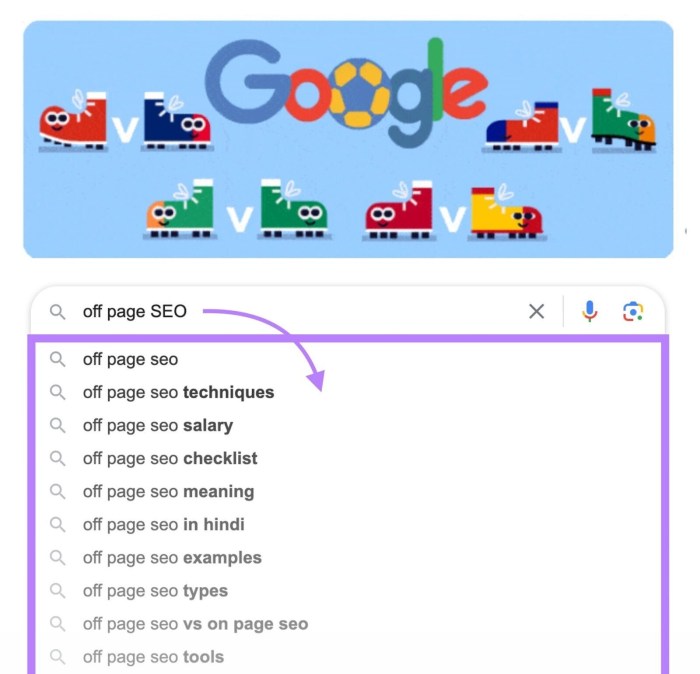
People also search for pasf keywords – People also search for PASF s: understanding these phrases is crucial for optimizing content and enhancing user experience. This exploration delves into the search intent behind these phrases, identifying related terms, analyzing search volume, and crafting content strategies to maximize their impact. We’ll uncover the secrets to organizing and presenting this information effectively, ensuring users find exactly what they’re looking for.
By understanding user search intent, identifying related terms, and analyzing search volume, we can create content that resonates with users and drives engagement. This guide will show you how to use “people also search for” s to create a more intuitive and user-friendly experience, leading to improved website performance.
Understanding User Search Intent
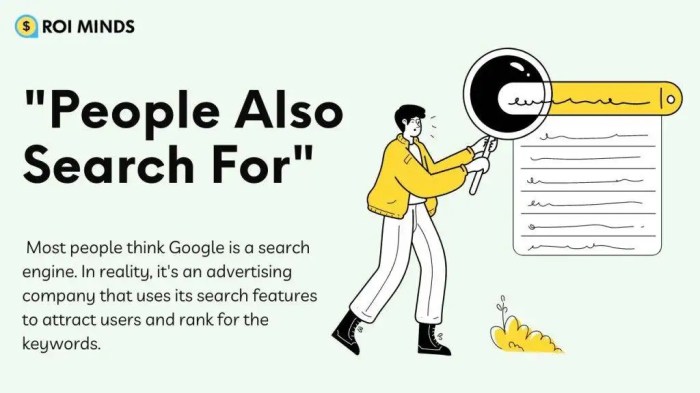
The “People Also Search For” (PASF) section on search engine results pages (SERPs) is a powerful tool for understanding user intent. It highlights related queries that users are actively pursuing. Analyzing these related searches reveals the broader context surrounding a particular search term and allows us to gain insights into the motivations and information needs of users.
Diverse User Search Queries
The “People Also Search For” section presents a spectrum of related searches, often reflecting variations in user needs and information-seeking behaviors. For example, a search for “best Italian restaurants in New York” might yield PASF queries like “Italian restaurants near me,” “Italian cuisine delivery,” or “Italian restaurant reviews.” These variations demonstrate users are seeking different facets of the initial query, from location-specific options to methods of ordering or evaluating restaurants.
Types of Information Sought
Users seeking information through PASF queries might be looking for specific details, alternative options, or broader overviews. They could be comparing prices, checking availability, or looking for reviews and ratings. A user searching for “affordable electric cars” might be looking for models within a certain price range, while another searching for “electric car charging stations near me” might be focusing on practical considerations.
The types of information sought are diverse and often reflect a user’s specific needs and goals.
Motivations Behind Related Searches
Users often engage with PASF queries due to a variety of motivations. They may be exploring alternatives, seeking more specific details, or gathering additional information before making a decision. For instance, a user researching “best hiking trails in Yosemite” might be driven by a desire to compare different trails based on difficulty, distance, or scenery. The underlying motivation could be to plan an enjoyable and fulfilling hiking experience.
Influence of “People Also Search For” Phrasing
The phrasing “People Also Search For” subtly influences user expectations. It implies that the listed queries are relevant and popular, thus influencing the user to explore these related searches. Users are likely to consider these additional searches as potentially valuable and relevant to their initial query. This implies a validation of the search results presented by the engine.
Search Intent Categories
| Search Intent Category | Example Queries (related to “best Italian restaurants in New York”) |
|---|---|
| Informational | “Italian restaurants near me,” “types of Italian cuisine,” “best Italian restaurants in Brooklyn,” “Italian restaurant history” |
| Navigational | “OpenTable Italian restaurants,” “menu of Carmine’s,” “Villaggio website” |
| Transactional | “book a table at La Piazza,” “order takeout from Joe’s,” “buy Italian food online” |
This table illustrates the different types of information users might be seeking when they encounter PASF queries. Understanding these categories is crucial for crafting effective content that addresses the diverse needs of users.
Identifying Related Search Terms: People Also Search For Pasf Keywords
Uncovering the hidden connections between search queries is crucial for improving search engine results pages (SERPs) and understanding user intent. Knowing what users arereally* looking for, beyond the surface-level s, allows for more relevant and satisfying search results. This process involves digging deeper than just the immediate phrases people type and exploring the semantic relationships between them.
Analyzing “People Also Search For” Phrases
The “People Also Search For” (PASF) section on search engine results pages is a goldmine of related search terms. By carefully examining these suggested searches, we can identify both direct and nuanced connections to the original query. This section provides a snapshot of the diverse range of information users are seeking in relation to a given topic.
Listing Related Search Phrases and Potential Related Terms
- Original Phrase: “best running shoes for plantar fasciitis”
- Potential Related Search Terms: running shoes for heel pain, plantar fasciitis support, arch support running shoes, best cushioning for plantar fasciitis, running shoes with metatarsal pads, running shoes for flat feet with plantar fasciitis, orthotic running shoes for plantar fasciitis, shoe inserts for plantar fasciitis, best running shoes for heel spurs, running shoes for pronation and plantar fasciitis
- Original Phrase: “how to learn coding for beginners”
- Potential Related Search Terms: best coding languages for beginners, free coding courses for beginners, coding bootcamps for beginners, online coding classes for beginners, learning coding online, resources for learning coding, coding tutorials for beginners, coding practice for beginners, coding challenges for beginners, coding projects for beginners, beginner coding books
- Original Phrase: “best restaurants in Paris”
- Potential Related Search Terms: Paris restaurants with outdoor seating, budget-friendly restaurants in Paris, Paris restaurants with Michelin stars, Paris restaurants for romantic dinners, Paris restaurants near the Eiffel Tower, Paris restaurants serving French cuisine, Paris restaurants with live music, top-rated restaurants in Paris, Paris restaurants with vegan options, Paris restaurants with gluten-free options
- Original Phrase: “how to make a budget”
- Potential Related Search Terms: budgeting apps, how to save money, creating a monthly budget, tracking expenses, managing debt, zero-based budgeting, budgeting for beginners, budgeting templates, how to balance a budget, how to save for a down payment
Comparative Analysis of Search Phrases
| Original Phrase | Related Term 1 | Related Term 2 | Related Term 3 | Comparison |
|---|---|---|---|---|
| best running shoes for plantar fasciitis | running shoes for heel pain | plantar fasciitis support | arch support running shoes | These terms all focus on the specific issue of plantar fasciitis and the shoes that can help alleviate it. |
| how to learn coding for beginners | best coding languages for beginners | free coding courses for beginners | online coding classes for beginners | These terms all target the needs of novice coders and offer solutions to learn the craft. |
Identifying Semantic Relationships
Understanding the semantic relationship between search terms involves analyzing the context in which they are used. For example, “best running shoes for plantar fasciitis” clearly indicates a need for specific footwear to address a medical condition. Related terms like “running shoes for heel pain” and “plantar fasciitis support” fall within the same semantic field.
Uncovering Hidden Connections
To uncover hidden connections between search terms, consider exploring related concepts and synonyms. Tools like research tools can aid in this process by suggesting semantically related terms based on search volume and user behavior. Analyzing search trends over time can also reveal emerging interests and evolving relationships between different search queries.
Categorizing Related Search Terms by Topic
| Original Phrase | Related Terms | Potential Search Volume |
|---|---|---|
| best running shoes for plantar fasciitis | plantar fasciitis relief, plantar fasciitis exercises, plantar fasciitis stretches, running shoes for flat feet | High |
| how to learn coding for beginners | coding languages for beginners, coding resources, online coding courses, free coding tutorials | Medium |
| best restaurants in Paris | romantic restaurants Paris, fine dining Paris, budget restaurants Paris, Paris restaurants with views | High |
| how to make a budget | budgeting tips, budgeting spreadsheets, budgeting for college, budgeting for retirement | Medium-High |
Analyzing Search Volume and Trends
Understanding user search intent and related search terms is crucial, but equally important is analyzing the volume and trends of those searches. This data provides valuable insights into user interest and can significantly inform content creation strategies. By examining search volume, we can identify popular topics and predict future user interest.Knowing the frequency of searches for specific terms helps prioritize content creation efforts.
People are frequently searching for “pasf” keywords, and it’s fascinating to see how search trends are evolving. This often points to a growing interest in a particular niche, and YouTube is now better equipped to understand these searches. This is evident in YouTube’s improved ability to connect viewers with relevant content, as seen in youtube no longer lost in translation.
Ultimately, this enhanced understanding of user searches will likely lead to even more relevant results for those looking for “pasf” related content.
Understanding the current trends in search allows us to anticipate emerging topics and create content that addresses these emerging interests. This proactive approach allows businesses and content creators to stay ahead of the curve and meet evolving user needs.
People are often searching for “pasf” keywords, which can lead to some intriguing avenues of inquiry. If you’re curious about designing ads that grab attention, exploring strategies like shockvertising might be a good place to start. For a deeper dive into how to design effective shock ads, check out this guide: how to design effective shock ads.
Ultimately, understanding these related searches can help you tailor your content for better engagement and visibility, which is key for those looking for “pasf” related information.
Search Volume and Trend Analysis for Content Creation
Analyzing search volume provides a quantitative measure of user interest in specific topics. This data is essential for understanding what users are actively searching for and allows for the creation of targeted content. A crucial part of this process is identifying the popular search terms connected to the “people also search for” phrases.
Related Search Terms, Search Volume, and Predicted Trends
The table below illustrates how search volume data can be used to inform content creation. It showcases a set of related search terms, estimated search volume, and predicted trends. This allows for a deeper understanding of user interest and the potential for future growth.
| Related Search Terms | Estimated Search Volume (monthly) | Predicted Trends |
|---|---|---|
| “best budget-friendly travel destinations” | 15,000-20,000 | Increasing, particularly in the summer travel season. |
| “easy vegan recipes for beginners” | 8,000-10,000 | Steady growth due to increasing veganism and interest in healthy eating. |
| “how to learn coding online for free” | 12,000-15,000 | High potential for sustained interest due to the rising demand for tech skills. |
| “sustainable fashion brands” | 6,000-8,000 | Growing, driven by increased awareness of environmental issues and ethical consumption. |
| “tips for managing stress during exams” | 10,000-12,000 | Peak interest during exam periods, with consistent searches throughout the year. |
Popular Search Terms Connected to “People Also Search For”
Examining “people also search for” phrases reveals popular topics that resonate with users. These phrases often suggest related searches that users are actively pursuing. Identifying these popular search terms allows content creators to craft content that satisfies user intent.For example, if a user searches for “best budget-friendly travel destinations,” related searches might include “cheap flights,” “affordable hotels,” or “budget-friendly food.” This allows for the creation of comprehensive content addressing the various facets of user interest.
Examples of How Search Volume Data Can Inform Content Creation
High search volume for “easy vegan recipes for beginners” suggests a strong demand for this type of content. Content creators can capitalize on this by creating a series of blog posts, recipe videos, or a comprehensive guide dedicated to this topic. By analyzing the related searches, a creator can better understand the specific aspects of vegan recipes that appeal to the target audience.
Using Trend Analysis to Predict Future User Interest
Trend analysis allows for proactive content creation. By examining the historical and current search trends, one can predict future user interest in related topics. For example, if searches for “sustainable fashion brands” are increasing, it indicates a growing trend. This suggests that creating content on this topic could attract a large audience in the near future.
Content Organization and Structure
Organizing the “People Also Search For” (PASF) section of a webpage is crucial for enhancing user experience and improving search engine optimization (). A well-structured PASF section not only helps users find relevant content but also signals to search engines that your site offers comprehensive information on a particular topic. This section can be a significant source of traffic and engagement if implemented effectively.Effective organization involves a combination of logical structuring, clear presentation, and visual appeal.
The structure needs to be intuitive for users to easily identify related searches, and aesthetically pleasing to keep users engaged. By understanding user search intent and the types of queries that lead users to your page, you can design a PASF section that provides a positive user experience and helps drive traffic to your site.
Webpage Structure for PASF
A well-organized webpage incorporating “People Also Search For” (PASF) phrases needs a structured approach to present related searches effectively. The following table Artikels a potential structure.
| Section | Description |
|---|---|
| Introduction | Briefly introduce the concept of related searches and their importance for users. |
| Related Searches | Display the PASF phrases in a visually appealing and easily navigable format. |
| User Experience Considerations | Focus on user-friendliness and accessibility of the PASF section. |
| Footer Integration | Include the PASF section within the footer for easy access. |
Formatting Techniques for Related Searches
Different formatting techniques can enhance the presentation of related searches. Clear and concise presentation is key.
- Bullet Points: Use bullet points to list related searches concisely. This is effective for shorter lists and when the related searches are distinct and independent.
- Numbered Lists: Use numbered lists for a more sequential or hierarchical presentation of related searches. This is helpful when the searches are related in a specific order or when you want to highlight a specific progression of related topics.
- Tables: Tables are suitable for presenting multiple related searches categorized by theme or type. This approach is best for complex relationships and provides a structured overview.
Presenting Related Search Terms, People also search for pasf keywords
The following table demonstrates various ways to present related search terms with different formatting styles.
| Format | Example | Description | |||||||
|---|---|---|---|---|---|---|---|---|---|
| Bullet Points | Simple, quick, and easy to scan. | ||||||||
| Numbered List | Highlights order or hierarchy. | ||||||||
| Table |
| Category | Search Term |
|---|---|
| Dog Breeds | Best dog breeds for families |
| Dog Care | Dog grooming tips |
| Dog Training | Puppy training tips |
Incorporating PASF into Webpage Design
Strategically placing the PASF section within the webpage design is vital for user engagement and discoverability. Consider these approaches:
- Footer Placement: A common and effective strategy is to place the PASF section within the footer. This allows easy access to related searches without disrupting the primary content flow.
- Sidebars: A sidebar placement can work well, especially if the related searches are highly relevant to the content of the page. This is particularly useful when the page is long or complex.
- Dedicated Section: For a highly relevant and comprehensive list of related searches, a dedicated section immediately below the main content can be considered. This approach prioritizes related searches for the reader.
Visual Organization of Related Searches
Visually organizing related searches enhances user experience. The following table shows examples of visual approaches.
| Visual Approach | Example | Description |
|---|---|---|
| Accordion | [Imagine a collapsible panel where clicking on a header reveals a list of related searches beneath it.] | Provides a compact presentation that expands on demand. |
| Cards | [Visualize individual cards, each representing a related search, with titles and potentially brief descriptions.] | Attractive and visually appealing layout, allowing for easy scanning. |
| Carousel | [Envision a slideshow-style display of related searches cycling through different options.] | Dynamic and engaging presentation, suitable for showcasing diverse topics. |
Content Examples and Demonstrations
Turning “people also search for” (PASF) phrases into valuable content requires a thoughtful approach. It’s not enough to just list them; you need to weave them into the fabric of your existing content, enhancing user experience and demonstrating expertise. This involves understanding the user’s intent behind those searches and strategically incorporating them into various content formats.Effective use of PASF phrases can significantly improve website performance by directing users to relevant information, thereby increasing engagement and conversion rates.
It’s about building a more intuitive and user-friendly website, showing that you understand your audience’s needs.
Implementing Related Searches in Blog Posts
Using PASF phrases in blog posts can elevate the user experience by connecting related topics. By organically incorporating these terms, you demonstrate a comprehensive understanding of the subject matter and provide a richer learning experience.

- Include PASF phrases naturally within the body of the blog post, weaving them into sentences or paragraphs. For example, if the post is about “organic gardening,” naturally incorporating phrases like “best organic fertilizers,” “organic pest control methods,” or “organic gardening tools” enhances the post’s value and helps users discover related information. Avoid abrupt inclusions or forcing the phrases in; the integration should feel seamless.
- Create dedicated sections within the blog post that address common related questions. If your post is on “budget travel,” a dedicated section could answer “how to find cheap flights” or “how to find affordable accommodation.” This structure helps users easily find the information they need.
- Consider using a “Related Posts” section at the end of the blog post. This can link to other blog articles that address similar topics. This can create a sense of continuity and provide further reading options for the user.
Utilizing Related Searches in Product Pages
Product pages are excellent places to use PASF phrases to guide users towards relevant products or information. It’s crucial to utilize these phrases strategically to improve the customer journey.
People are often searching for “pasf” keywords, which could relate to various things. If you’re looking to expand user profiles on your WordPress site, learning how to add custom fields for registration might be helpful. This could involve adding fields like “preferred pronouns” or “professional title” to improve user profiles and provide a more comprehensive user experience. Knowing how to do this could be a crucial part of a robust user management system.
To find out more, check out this guide on how to add additional user profile fields in WordPress registration , and hopefully this helps with your pasf keyword searches too!
- Use PASF phrases as suggestions for related products in a “Customers who bought this also bought” or “You might also like” section. This is a highly effective way to upsell and cross-sell products, directing users to related items that they might be interested in.
- Include PASF phrases in product descriptions, highlighting features and benefits related to those searches. For instance, if a user searches for “best laptop for students,” the product page should highlight features like battery life, portability, and affordability, demonstrating a clear understanding of the user’s needs.
- Create FAQ sections that address frequently asked questions related to the product, drawing from PASF phrases. This section acts as a knowledge base, providing helpful information directly on the product page.
Visual Aids and Related Searches
Visual aids, like images and diagrams, can significantly enhance the comprehension of related searches. This visual approach can improve the user experience and facilitate easier understanding of the context.
- Use images related to PASF phrases. For instance, if your page is about “DIY home repairs,” include images showcasing tools and techniques relevant to the searches like “how to fix a leaky faucet” or “how to install a new sink.” Visuals can make the information more engaging and memorable.
- Employ diagrams or charts to explain complex concepts related to PASF phrases. If the content is about “data visualization,” incorporating charts and graphs that visually represent data trends can help users grasp the information more quickly and effectively.
Comparative Analysis of PASF Implementation
Comparing how different websites implement PASF phrases provides valuable insights into best practices. Analysis can highlight effective and ineffective strategies.
| Website | Content Format | PASF Implementation | Effectiveness |
|---|---|---|---|
| Example Website 1 | Blog Post | Natural integration of PASF phrases within the text | High |
| Example Website 2 | Product Page | Clear “Related Products” section | Medium |
| Example Website 3 | FAQ Page | Organized FAQs addressing common PASF queries | High |
Impact on User Experience
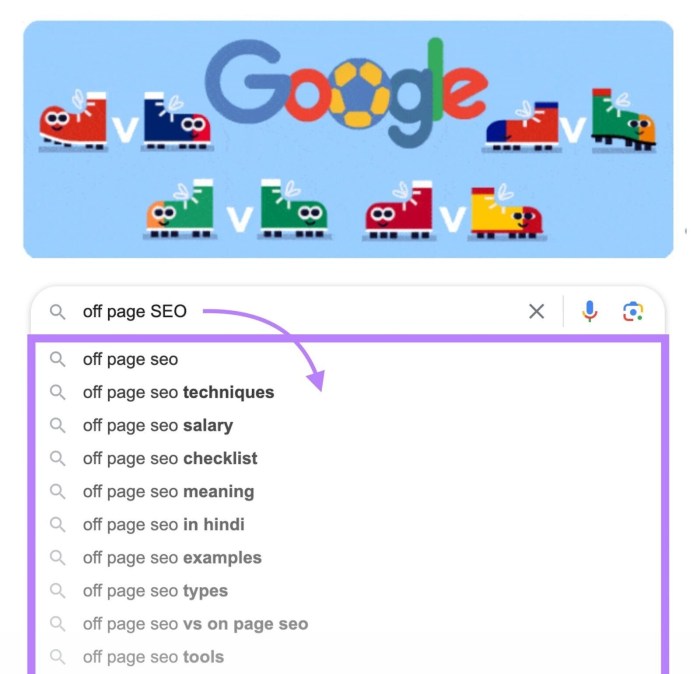
The “People Also Ask” (PAA) feature, a common element in search engines, has the potential to significantly improve the user experience by guiding users toward relevant content. This feature leverages user search intent and related queries to provide more tailored and helpful results. A well-implemented PAA section can transform a passive search into an active exploration of related topics.Understanding user behavior and their motivations when interacting with related searches is key to maximizing the impact of this feature on overall user experience.
This includes considering how the inclusion of related searches can increase user engagement, retention, and overall satisfaction with the search engine’s ability to address their information needs.
Strategies for Enhancing User Experience
The effective implementation of “People Also Ask” phrases relies on a multi-faceted approach. Careful consideration must be given to the presentation of these suggestions, as well as their alignment with the user’s original search intent. This section Artikels strategies to enhance user experience through the use of related searches.
- Clear and Concise Presentation: The “People Also Ask” section should be easily discernible and visually distinct from other search results. The phrasing should be clear, concise, and avoid overly technical language. Using bullet points or a question-and-answer format can significantly improve readability and user comprehension.
- Relevance and Accuracy: The related searches must be highly relevant to the user’s initial query. Inaccuracies or irrelevant suggestions can negatively impact the user experience. A high degree of accuracy is paramount for maintaining user trust and confidence in the search engine’s ability to understand their needs.
- Dynamic Updates: Search trends and user behavior are constantly evolving. The “People Also Ask” section should be dynamically updated to reflect these changes. This ensures that the suggestions remain current and relevant, adapting to evolving user interests.
Impact on User Engagement and Retention
Incorporating related searches can substantially boost user engagement and retention. When users see relevant suggestions, they are more likely to explore additional content related to their initial query. This increased engagement can lead to a more positive user experience and encourage repeat use of the search engine.
- Exploration of Related Topics: The “People Also Ask” feature encourages users to delve deeper into related topics, expanding their knowledge base and understanding. This exploration fosters greater engagement and satisfaction with the search experience.
- Reduced Bounce Rate: Relevant suggestions can keep users on the platform longer, reducing the bounce rate and increasing the time spent interacting with the search results. This demonstrates that the search engine is successfully guiding users toward information they are seeking.
- Improved User Satisfaction: When users find the information they need quickly and easily through related searches, their overall satisfaction with the search experience increases. This positive feedback loop reinforces their likelihood of returning to the platform.
Psychological Factors Influencing User Behavior
The inclusion of related searches can trigger several psychological factors that influence user behavior. The human tendency to seek out information that is closely related to what they already know or are interested in is often a driving force in this process.
- Curiosity and Exploration: The suggestions presented often spark curiosity, leading users to explore related topics that they might not have considered otherwise. This satisfies the human need for exploration and discovery.
- Confirmation Bias: Related searches often confirm users’ existing knowledge or assumptions, reinforcing their confidence in the information they are finding. This can be a significant factor in user engagement.
- Sense of Efficiency: Users appreciate the efficiency with which related searches help them find more relevant information, saving them time and effort in their search. This contributes to a positive and productive user experience.
Designing an Interface that Guides Users
A well-designed interface is crucial for effectively guiding users through related searches. The layout and visual cues must clearly communicate the relationship between the original query and the suggested searches.
- Clear Visual Cues: Visual cues, such as distinct formatting or colors, can effectively signal to the user that these are related search suggestions. This makes it easier for them to distinguish them from other search results.
- Logical Grouping: Related searches should be logically grouped, showcasing connections between the different topics. This allows for a more organized and intuitive exploration of related concepts.
- Contextual Relevance: The design should maintain the context of the original search query. This ensures that users are always aware of the relationship between the suggested searches and their initial inquiry.
User Experience Improvements
| Feature | With Related Searches | Without Related Searches |
|---|---|---|
| User Engagement | Higher; users explore more related content | Lower; users may not find all relevant information |
| User Retention | Increased; users return for related searches | Decreased; users may not find what they need |
| Search Efficiency | Improved; users find information faster | Reduced; users may need to perform multiple searches |
| User Satisfaction | Higher; users find information more easily | Lower; users may not find the desired information |
Last Point
In conclusion, effectively leveraging “people also search for” s is essential for creating user-centric content. By understanding user intent, identifying related searches, and strategically organizing the information, website owners can significantly improve user experience, increase engagement, and drive better search engine optimization. This detailed guide provides the tools and insights needed to achieve this goal.