Effective digital marketing strategies for oil and gas companies are crucial in today’s market. This in-depth exploration dives into the current landscape, highlighting key trends and challenges specific to the industry. We’ll examine various digital channels, content strategies, brand building, and performance measurement, equipping you with actionable insights to boost your oil and gas marketing efforts.
From understanding the unique needs of exploration, production, and refining companies to optimizing strategies across different channels like , social media, and content marketing, this guide covers a wide range of essential aspects. It delves into the regulatory landscape, identifies target demographics, and shares real-world case studies and best practices to help you navigate the complexities of digital marketing in the oil and gas sector.
Understanding the Oil and Gas Industry Landscape
The oil and gas industry, a cornerstone of global economies, is undergoing a period of significant transformation. Technological advancements, shifting energy demands, and evolving regulatory frameworks are reshaping the sector’s operations and presenting both opportunities and challenges. Understanding this dynamic landscape is crucial for any digital marketing strategy aimed at success within this industry.The current state of the oil and gas industry is marked by a complex interplay of factors.
The industry faces pressure to reduce its environmental footprint, adapt to the rise of renewable energy sources, and navigate geopolitical uncertainties. These factors impact everything from exploration and production strategies to refining processes and ultimately, consumer demand. Digital marketing plays a critical role in helping oil and gas companies navigate these changes and connect with their stakeholders.
Key Trends and Challenges in the Oil and Gas Industry
The industry is undergoing a transition from traditional methods to more sustainable and technologically advanced operations. This includes a shift toward enhanced oil recovery techniques, digitalization of operations, and increased focus on environmental, social, and governance (ESG) factors. Challenges include fluctuating energy prices, competition from renewable energy sources, and the need for regulatory compliance. Companies must adapt quickly to remain competitive and profitable.
Specific Needs and Pain Points of Oil and Gas Companies Regarding Digital Marketing
Oil and gas companies often struggle with reaching specific target audiences across various geographies and with diverse interests. They need effective strategies for showcasing their expertise and sustainability efforts to investors, the public, and potential employees. Furthermore, maintaining brand reputation and trust in the face of environmental concerns and public scrutiny is paramount. These factors present considerable challenges for digital marketing efforts.
Key Demographics and Target Audiences for Oil and Gas Marketing Campaigns
Effective marketing campaigns require precise targeting to resonate with specific audiences. Investors, government officials, industry professionals, and the general public are all crucial targets. Each group has unique needs and expectations, demanding tailored messaging and channels. Understanding these demographics and tailoring the content accordingly is essential for successful outreach.
Regulatory Environment Impacting Digital Marketing Strategies
The regulatory landscape surrounding the oil and gas industry is intricate and constantly evolving. Environmental regulations, data privacy laws, and industry-specific guidelines influence digital marketing strategies. Companies must ensure their campaigns comply with all applicable regulations and avoid any potential legal issues.
Types of Oil and Gas Companies and Their Unique Digital Marketing Needs
| Company Type | Unique Digital Marketing Needs |
|---|---|
| Exploration | Highlighting exploration technologies, geological expertise, and safety records to attract investors and partners. Showcase environmental responsibility. |
| Production | Demonstrating operational efficiency, safety standards, and environmental compliance. Emphasize the importance of skilled labor and sustainable practices. |
| Refining | Promoting the quality and reliability of refined products, technological innovations, and commitment to environmental protection. Showcase energy security. |
| Distribution | Building trust with consumers and fostering relationships with retailers. Showcase safety and reliability. |
| Service Companies | Emphasizing technical expertise, specialized services, and safety measures. Highlighting partnerships and industry knowledge. |
Digital Marketing Channels for Oil and Gas
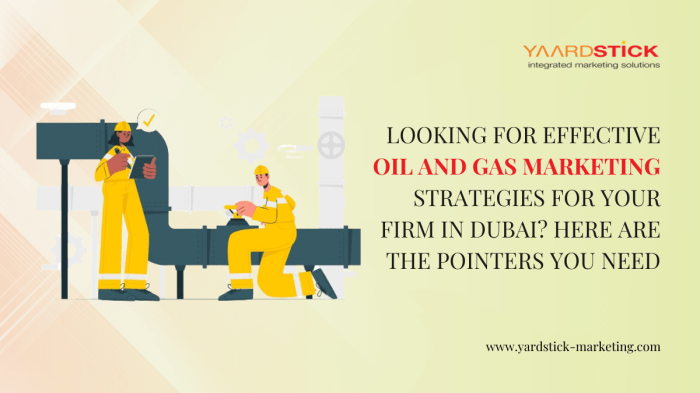
The oil and gas industry is undergoing a significant digital transformation. Companies are recognizing the crucial role of digital marketing in reaching and engaging with customers, from potential investors to end-users of their products. This shift necessitates a nuanced understanding of various digital marketing channels and how they can be leveraged effectively.The effectiveness of a digital marketing strategy hinges on its ability to connect with the target audience on the platforms they use.
Tailoring campaigns to resonate with specific segments of the oil and gas market is paramount for success. This requires a deep understanding of the industry’s specific needs and challenges.
Search Engine Optimization ()
is essential for driving organic traffic to oil and gas company websites. Oil and gas companies need to optimize their websites and content for relevant s, including technical terms, locations, and specific services. This involves conducting thorough research and integrating those s naturally into website content, meta descriptions, and image alt text. Technical practices like site speed optimization and mobile-friendliness are critical.
Social Media Marketing
Social media platforms offer opportunities for engaging with potential customers and building brand awareness. Oil and gas companies should identify the social media channels where their target audience is most active. This might include LinkedIn for industry professionals, and potentially platforms like Instagram or even TikTok for reaching younger audiences. Content should focus on showcasing company expertise, highlighting safety measures, and sharing positive stories.
Utilizing engaging visuals and videos is crucial.
Content Marketing
High-quality content is key to establishing thought leadership and building trust within the oil and gas industry. This includes creating blog posts, articles, white papers, and case studies addressing industry trends, technological advancements, safety protocols, and environmental concerns. This approach positions the company as a reliable source of information.
Email Marketing
Email marketing remains a powerful tool for nurturing leads and communicating important updates. Building an email list through website sign-ups and industry events is crucial. Segmenting the list based on customer demographics and interests allows for targeted messaging. Emails should offer valuable content, such as industry news, updates on projects, and special offers.
Paid Advertising
Paid advertising, including search engine ads and social media ads, can quickly reach a large audience. Precise targeting options allow oil and gas companies to focus on specific demographics and interests. A clear call to action is essential for driving conversions. Measuring campaign performance and making adjustments based on data is critical for maximizing ROI.
Mobile Optimization
Mobile optimization is no longer an option, but a necessity. A significant portion of the oil and gas audience interacts with companies through mobile devices. Ensuring websites and landing pages are mobile-friendly and responsive is crucial for providing a seamless experience across all devices. This includes optimizing images, ensuring fast loading times, and intuitive navigation.
Video Marketing
Video marketing is a powerful tool for engaging audiences. In the oil and gas industry, videos can showcase company operations, highlight safety protocols, and explain complex processes. Explainer videos, behind-the-scenes footage, and testimonials are effective strategies. Videos should be optimized for mobile viewing and include relevant s for search engine visibility.
Boosting your oil and gas company’s online presence requires a multifaceted approach. A strong digital marketing strategy is key, and a crucial element is optimizing your LinkedIn presence. A well-executed LinkedIn strategy and audit, like the one detailed on linkedin strategy and audit , can significantly enhance your brand visibility and lead generation efforts. This, in turn, will contribute to a more comprehensive and effective digital marketing strategy overall.
| Digital Marketing Channel | Strengths | Weaknesses |
|---|---|---|
| Builds organic traffic, cost-effective in the long run, improves brand visibility | Time-consuming results, requires ongoing effort, less immediate impact | |
| Social Media | Engaging with potential customers, building brand awareness, cost-effective | Requires constant monitoring and posting, potential for negative feedback, algorithm changes |
| Content Marketing | Establishes thought leadership, builds trust, valuable resource for audience | Time-consuming content creation, requires significant investment, slow to generate immediate leads |
| Email Marketing | Nurturing leads, communicating updates, targeted messaging, segmented lists | Requires building an email list, open rates may vary, spam filters |
| Paid Advertising | Rapid reach, targeted advertising, trackable results, quick impact | High costs, requires careful management, relies on budget, algorithm fluctuations |
Content Strategies for Oil and Gas: Effective Digital Marketing Strategies For Oil And Gas Companies
The oil and gas industry, despite facing significant challenges, continues to be a vital sector. Effective digital marketing strategies are crucial for companies to connect with stakeholders, build brand reputation, and drive business growth in this complex environment. Content marketing plays a pivotal role in achieving these goals. High-quality, engaging content can establish thought leadership, attract qualified leads, and ultimately translate into increased revenue.A well-structured content strategy focuses on understanding the specific needs and interests of the target audience within the oil and gas industry.
This involves delving into the challenges and opportunities facing various segments, such as exploration, production, refining, and distribution. By addressing these specific pain points and highlighting potential solutions, companies can establish credibility and build trust.
Effective Content Formats
A diverse range of content formats can effectively engage oil and gas audiences. Choosing the right format depends on the specific message and target audience. For example, detailed technical information might be best presented in a white paper, while case studies highlight successful implementations of solutions.
- Blog Posts: Regular blog posts provide a platform for sharing industry insights, discussing current events, and highlighting company expertise. They can cover topics such as technological advancements, regulatory updates, and market trends, positioning the company as a knowledgeable and reliable source.
- Articles: Longer-form articles, often published on external platforms, offer a more in-depth look at complex issues. They can explore emerging technologies, industry best practices, or environmental considerations.
- White Papers: These in-depth documents delve into specific industry challenges and offer detailed solutions. They often feature technical analysis and data, attracting a highly targeted audience.
- Case Studies: These showcase real-world examples of successful projects, demonstrating the value of a company’s products or services. They typically include detailed project descriptions, results, and quantifiable outcomes, building trust and credibility.
- Videos: Video content, including product demonstrations, interviews with industry experts, and company overviews, is a powerful tool for engaging a wider audience. They can be shared across various platforms and encourage interaction.
Compelling Content Topics
Attracting and engaging the oil and gas audience requires addressing topics relevant to their business needs and interests. Effective content will highlight solutions, explore industry trends, and demonstrate a company’s expertise.
- Technological Advancements in Oil and Gas Exploration: Discussions on advancements in seismic imaging, drilling techniques, and data analytics are highly relevant to companies seeking improved efficiency and reduced costs.
- Sustainable Practices in Oil and Gas Production: Exploring environmentally conscious solutions and reducing the environmental impact of operations is crucial for companies seeking to maintain a positive public image and comply with regulations.
- Regulatory Landscape and Compliance: Staying informed about evolving regulations is essential for companies to ensure operational efficiency and maintain compliance. Providing insights on navigating complex regulatory environments is a valuable service.
- Market Trends and Forecasts: Analyzing global market trends and providing projections for future demand and supply dynamics can help companies make informed decisions about investments and operations.
- Cybersecurity in the Oil and Gas Industry: Highlighting the importance of cybersecurity and providing practical strategies to mitigate risks is crucial for maintaining operational safety and integrity.
Data-Driven Insights
Data-driven insights are critical for developing effective content strategies in the oil and gas industry. Analyzing data on industry trends, customer preferences, and market dynamics helps tailor content to resonate with the target audience and drive measurable results.
- Analyzing Website Analytics: Tracking website traffic, user engagement, and content performance provides valuable insights into what resonates with the audience. This data informs future content creation and optimization.
- Social Media Monitoring: Monitoring social media conversations provides insights into customer opinions, industry trends, and potential challenges. This allows for timely responses and proactive engagement.
- Market Research: Conducting thorough market research provides a deeper understanding of customer needs, pain points, and preferences, enabling the creation of relevant and engaging content.
Storytelling in Oil and Gas Marketing
Incorporating storytelling into oil and gas marketing campaigns humanizes the industry and connects with audiences on a deeper level. This approach creates emotional resonance and builds trust.
- Highlighting Company History: Sharing the history of a company and its contributions to the industry can demonstrate its commitment and expertise.
- Showcasing Employee Stories: Sharing employee experiences and highlighting their dedication and contributions adds a human element to the brand.
- Narrating Customer Successes: Highlighting the positive outcomes of projects and partnerships strengthens the company’s credibility and showcases its impact.
Content Strategy Comparison
| Content Strategy | Potential Impact on Oil and Gas Customers |
|---|---|
| Blog Posts | Increased brand awareness, thought leadership, and customer engagement. |
| White Papers | Demonstrates expertise, attracts qualified leads, and positions the company as a leader in the industry. |
| Case Studies | Builds trust and credibility by showcasing successful project implementations. |
| Videos | Engages a wider audience, builds brand awareness, and effectively communicates complex information. |
Building and Maintaining Brand Presence
Oil and gas companies need a robust online presence to compete effectively in the modern market. This involves more than just a website; it’s about establishing a strong brand identity, fostering community engagement, and actively managing online reputation. A consistent and positive online image is crucial for attracting investors, securing partnerships, and retaining customer trust. Building and maintaining a strong online presence is a continuous process that requires careful planning and execution.Building a strong online brand identity for oil and gas companies requires a multi-faceted approach.
Effective digital marketing for oil and gas companies needs a fresh approach. Instead of just blasting generic ads, think targeted campaigns. Understanding the nuances of government regulations, like the potential for lobbying and political maneuvering, is crucial. This isn’t about being a “beltway bandit,” a myth often perpetuated in discussions about industry-government relations; talking to the government can actually be a productive process when done right.
Ultimately, a solid digital strategy, focusing on transparency and building trust, is key to long-term success.
This encompasses creating compelling brand messaging that resonates with target audiences, developing a consistent visual identity across all online platforms, and ensuring a seamless user experience on the company website and social media channels.
Online Brand Identity, Effective digital marketing strategies for oil and gas companies
Oil and gas companies should craft a brand identity that aligns with their core values and mission. This involves defining a unique brand voice, creating a compelling brand story, and developing visual elements that reinforce the brand’s personality. Visual elements like logos, color palettes, and typography should be consistent across all platforms to ensure a unified brand experience.
Social Media for Brand Awareness and Community
Social media platforms are powerful tools for building brand awareness and fostering community engagement. Oil and gas companies can use these platforms to share updates on projects, showcase their commitment to sustainability, and engage in two-way communication with stakeholders. Engaging content, interactive Q&A sessions, and partnerships with industry influencers can significantly enhance brand visibility and create a loyal following.
Effective digital marketing for oil and gas companies needs a strong online presence. Just like a successful solopreneur needs a compelling brand, a company in this sector needs a clear identity. This means investing in professional logos and branding, which can significantly impact online visibility. Check out this helpful guide on logos and branding for solopreneurs for some inspiration on creating a powerful brand image, which translates directly to a more impactful digital marketing strategy.
Ultimately, strong branding and a well-defined online presence are key to attracting clients and building trust in the oil and gas industry.
Consistent posting schedules and targeted advertising campaigns can further amplify reach.
Online Reputation Management
Online reputation management is critical for maintaining a positive brand image. Negative reviews or comments can significantly impact public perception and investor confidence. Proactive monitoring of online mentions, prompt responses to negative feedback, and actively seeking out opportunities to share positive stories are crucial elements of effective reputation management. A well-defined crisis communication plan is also vital.
Online Reputation Management Tools
Monitoring and managing online reputation requires the use of specialized tools. Some effective tools include:
- Social listening tools: These tools track mentions of the company, its products, or its competitors across various social media platforms and news outlets.
- Review management platforms: These platforms help companies aggregate and manage reviews from various online sources, including Google My Business, Yelp, and industry-specific review sites.
- Reputation management software: These software solutions offer a comprehensive suite of tools for monitoring, responding to, and analyzing online conversations.
- Crisis communication platforms: These tools facilitate rapid and coordinated communication during a crisis, allowing companies to disseminate timely updates and address concerns effectively.

Strategies for Managing Online Brand Perception
Effective online reputation management requires a multifaceted strategy.
| Strategy | Description | Example |
|---|---|---|
| Proactive Monitoring | Continuously tracking online mentions and conversations related to the company and its brand. | Using social listening tools to monitor online conversations about the company and its competitors. |
| Responding to Feedback | Promptly addressing both positive and negative feedback, acknowledging concerns and offering solutions. | Responding to negative reviews on review sites by acknowledging the customer’s issue and outlining steps to resolve it. |
| Building Positive Content | Creating and sharing positive content about the company’s activities, sustainability initiatives, and community involvement. | Publishing blog posts or articles highlighting the company’s commitment to environmental responsibility or social initiatives. |
| Addressing Crises | Having a well-defined crisis communication plan to address negative events and mitigate damage to reputation. | Developing a clear and transparent communication plan to address any safety concerns or environmental incidents. |
Measuring and Optimizing Performance
Understanding the effectiveness of digital marketing campaigns hinges on meticulous measurement and optimization. This phase involves not just tracking clicks and impressions, but also analyzing the data to discern meaningful insights that drive improvements in campaign performance and ROI. A data-driven approach is critical for long-term success in the competitive oil and gas sector.Effective digital marketing in the oil and gas industry demands a deep understanding of campaign performance.
Metrics that quantify the impact of strategies are essential for identifying what works and what needs adjustment. By meticulously analyzing key performance indicators (KPIs), oil and gas companies can fine-tune their digital presence, ensuring maximum impact and return on investment.
Key Performance Indicators (KPIs) for Oil and Gas Digital Marketing
Key performance indicators (KPIs) provide quantifiable measures of campaign success. Choosing the right KPIs is crucial for accurately assessing the impact of digital marketing efforts. Relevant KPIs for oil and gas campaigns include website traffic, lead generation, conversion rates, customer engagement, brand awareness, and return on investment (ROI). Tracking these metrics allows for a comprehensive evaluation of campaign effectiveness.
Importance of Data Analytics in Optimization
Data analytics plays a pivotal role in refining digital marketing campaigns. Data-driven insights are critical for identifying trends, understanding customer behavior, and tailoring marketing strategies to maximize impact. By analyzing vast amounts of data, companies can gain a deeper understanding of their target audience, allowing them to adjust their strategies and maximize the effectiveness of their campaigns. The insights derived from data analytics can pinpoint areas needing improvement, optimize campaign targeting, and enhance customer engagement.
Tracking and Analyzing Campaign Performance
Campaign performance needs meticulous tracking and analysis. This process involves regularly monitoring key metrics, identifying trends, and using this information to refine campaigns. It is imperative to establish a clear framework for tracking website traffic, lead generation, and conversion rates. This requires setting up robust tracking mechanisms, such as Google Analytics, to capture data points. Furthermore, a consistent analysis of this data helps identify areas for improvement and potential weaknesses in the campaigns.
Examples of Reporting Dashboards
Reporting dashboards are instrumental in monitoring campaign progress. Dashboards provide a clear overview of campaign performance, highlighting key metrics and trends. Visual representations of data, such as charts and graphs, are crucial for easily comprehending the performance. For instance, a dashboard might display website traffic over time, conversion rates, and customer engagement metrics. This visualization aids in quick identification of issues and opportunities for optimization.
Comparison of Analytics Tools
| Tool | Features | Pros | Cons | Cost |
|---|---|---|---|---|
| Google Analytics | Comprehensive web analytics, customizable dashboards, integration with other Google tools. | Free, widely used, robust data collection and reporting. | Requires some technical understanding to set up and interpret data. | Free |
| Adobe Analytics | Advanced analytics, detailed segmentation, integration with other Adobe tools. | Comprehensive data analysis, excellent reporting capabilities. | Higher cost compared to Google Analytics, steeper learning curve. | Paid |
| Mixpanel | User behavior analysis, cohort analysis, in-depth segmentation. | Excellent for understanding user journeys and behaviors. | Focuses more on user behavior than broad website metrics. | Paid |
The table above presents a comparative overview of analytics tools. Careful consideration of features, costs, and suitability for specific needs is crucial when choosing an analytics tool. The selection should be aligned with the specific needs and resources of the oil and gas company.
Case Studies and Best Practices
Digital marketing for the oil and gas industry is evolving rapidly. Companies are leveraging innovative strategies to connect with customers, build brand trust, and showcase their expertise in a complex and often-regulated sector. Successful campaigns in this industry go beyond basic online presence; they require a deep understanding of the target audience, tailored messaging, and consistent engagement.The key to effective digital marketing in oil and gas is not just about attracting new customers, but also about nurturing existing relationships and showcasing the company’s commitment to safety, sustainability, and innovation.
Case studies offer invaluable insights into the strategies that yield positive results, highlighting the crucial elements of successful campaigns.
Successful Campaigns in Oil and Gas
Several oil and gas companies have implemented successful digital marketing campaigns that demonstrate best practices. These campaigns showcase various strategies for reaching specific target audiences. One example involves a major energy producer that created a series of engaging videos featuring their employees and highlighting their commitment to safety. This content resonated with investors and the wider community, enhancing the company’s reputation.
Lessons Learned from Successful Campaigns
The common thread in successful campaigns is a clear understanding of the target audience. This includes recognizing the specific needs, concerns, and interests of various stakeholders, from investors to potential employees. A tailored approach is essential, differentiating messaging based on the recipient’s role and perspective.
“Understanding your audience is the cornerstone of successful digital marketing in the oil and gas industry. Generic content won’t cut it; you need to speak directly to the specific needs of each stakeholder group.”
[Fictional quote from a successful oil and gas marketing consultant].
Another critical lesson is the importance of transparency and consistent communication. Openly addressing challenges and showcasing sustainability efforts builds trust and strengthens the brand’s image. Regular updates and engaging content keep the audience informed and interested.
Challenges in Oil and Gas Digital Marketing
Digital marketing in the oil and gas industry faces unique challenges, including:
- Regulatory Compliance: The industry is heavily regulated, requiring marketing campaigns to adhere to strict guidelines and potentially specific legal requirements. Compliance issues can create significant obstacles and often demand extensive legal review before launch.
- Building Trust: The industry’s reputation has been shaped by past controversies. Companies need to actively work to build trust through transparent communication and ethical practices, a challenge that extends beyond digital marketing to overall company behavior.
- Technical Expertise: The complexity of the oil and gas industry requires marketing professionals to have a deep understanding of technical terms and processes. This specialized knowledge is crucial for creating compelling and informative content.
Strategies for Overcoming Challenges
Addressing these challenges requires a proactive approach:
- Establish Clear Communication Channels: Establish clear and transparent communication channels to manage expectations and address concerns promptly, particularly during times of uncertainty or crisis.
- Focus on Transparency and Ethics: Prioritize transparency in all marketing communications. Highlight ethical practices and sustainability efforts to build trust and address potential negative perceptions.
- Invest in Training and Expertise: Invest in training programs to ensure marketing professionals possess the technical knowledge and understanding of the industry. Collaboration with industry experts can enhance content quality and credibility.
Wrap-Up
In conclusion, effective digital marketing for oil and gas companies requires a multifaceted approach. By understanding the industry landscape, utilizing diverse digital channels, crafting compelling content, building a strong brand presence, and meticulously measuring results, oil and gas firms can significantly enhance their online visibility and connect with their target audience. This comprehensive guide provides a roadmap for success in the ever-evolving digital sphere.