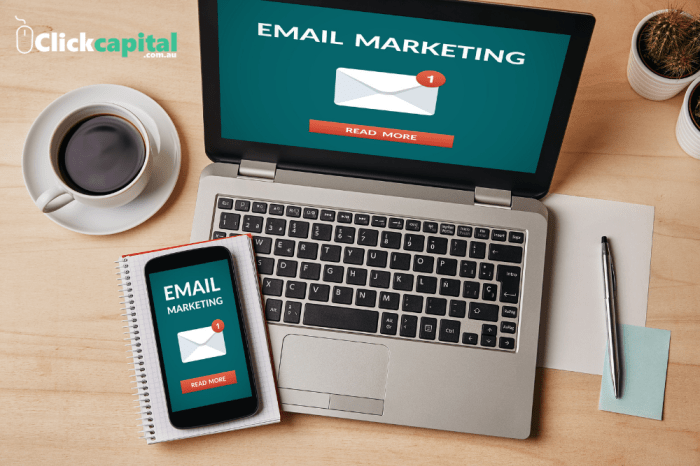
Top 10 email marketing tools sets the stage for a deep dive into the world of email marketing. From crafting compelling campaigns to achieving measurable results, these tools are crucial for modern businesses. We’ll explore the features, pricing, and integrations available to help you choose the best solution for your needs. This guide will cover everything from the basics of email marketing to the latest trends in the industry.
This in-depth analysis will explore the features and functionalities of each tool, compare pricing models, and assess their strengths and weaknesses. We’ll also examine the importance of integration with other platforms, the user experience, and real-world case studies to provide a comprehensive overview. Understanding how to leverage these tools effectively is key to maximizing your email marketing ROI.
Introduction to Email Marketing Tools
Email marketing remains a cornerstone of modern business communication. Its ability to connect directly with potential and existing customers, nurture leads, and drive sales makes it an indispensable tool in any marketing strategy. From building brand awareness to promoting products and services, email marketing offers a direct and measurable channel for engagement.Email marketing tools are critical for streamlining and optimizing email campaigns.
These tools provide a centralized platform for managing contact lists, crafting engaging emails, scheduling campaigns, and analyzing results. They allow businesses to personalize communication, automate tasks, and track key metrics, ultimately improving campaign performance and ROI.
Email Marketing Tool Functionalities
Email marketing tools offer a range of functionalities designed to enhance the efficiency and effectiveness of email campaigns. These functionalities encompass various aspects of the email marketing process, from initial planning and design to post-campaign analysis. Crucially, they enable businesses to create, manage, and analyze campaigns effectively, saving time and resources while optimizing results.
Key Features and Benefits of Email Marketing Tools
Email marketing tools provide a suite of features to simplify the process and improve campaign outcomes. These tools offer diverse capabilities, from basic template creation to sophisticated automation and reporting features. Understanding these features and their benefits is essential for choosing the right tool for your specific needs.
| Feature | Benefit |
|---|---|
| Email Templates | Consistent branding, efficient creation |
| Automation | Personalized messaging, improved efficiency, streamlined workflows |
| Reporting & Analytics | Performance tracking, data-driven decisions, optimization opportunities |
| Contact Management | Organized contact lists, targeted campaigns, segmenting audiences |
| A/B Testing | Optimizing subject lines, email content, and calls to action, improved conversion rates |
| Integration with CRM Systems | Enhanced customer relationship management, streamlined data flow, unified customer view |
Comparison of Top 10 Email Marketing Tools
Choosing the right email marketing tool can significantly impact your campaign’s success. Understanding the features, pricing, and target audience of various options is crucial for making an informed decision. This comparison delves into the functionalities of ten popular tools, helping you evaluate which aligns best with your specific needs and budget.Email marketing tools are essential for businesses to connect with their audience effectively.
Different tools cater to diverse needs, ranging from small startups to large enterprises. This analysis helps you navigate the landscape of email marketing platforms, providing insights into the strengths and weaknesses of each tool.
Pricing Models and Plans
Different email marketing tools employ various pricing models. Understanding these models is vital to determining the cost-effectiveness of each tool. Some tools offer tiered pricing plans based on the number of subscribers or features included. Others may have a freemium model, providing basic features for free and charging for advanced functionalities. This variability necessitates careful consideration of your budget and the scale of your email marketing efforts.
- Mailchimp: Offers various pricing plans, from a free plan suitable for smaller businesses to premium plans with advanced features. The free plan allows up to 2,000 subscribers and basic features, but for substantial growth, paid plans are essential.
- Sendinblue: Provides a free plan for up to 30,000 emails per month, with paid plans offering more features and subscribers. Paid plans offer more features and scalability as your business grows.
- Constant Contact: Provides various pricing plans based on subscriber counts. Their pricing structure offers greater clarity for businesses seeking to scale up.
- Campaign Monitor: Provides tiered pricing plans, with pricing based on the number of contacts and features required. It offers different packages for diverse needs, ranging from a basic package to more advanced features.
- SendGrid: Focuses on providing a flexible API-based platform. Pricing models vary significantly depending on the volume of emails sent. It’s ideal for developers or large-scale campaigns.
- AWeber: Offers different pricing plans based on subscriber counts. AWeber’s plans are designed to provide scalability and flexibility to match the growth of your business.
- ConvertKit: Primarily caters to bloggers and creators, offering a simpler pricing structure. The pricing plans focus on specific needs of creators and content providers.
- ActiveCampaign: Offers a robust platform with a variety of pricing plans. It is ideal for businesses looking for a high-level automation and marketing platform.
- GetResponse: Provides tiered pricing plans with increasing features as the plan level rises. GetResponse’s pricing reflects the breadth and depth of features and services it offers.
- Mailjet: Offers a comprehensive set of tools with varying pricing options. Mailjet’s pricing is designed to meet the diverse needs of businesses of various sizes.
Target Audience and Strengths
Different email marketing tools cater to different target audiences. Understanding these target audiences and strengths helps businesses select the right tool.
- Mailchimp: Ideal for small businesses and startups with a limited budget, offering a free plan with basic features. Its user-friendly interface makes it suitable for those unfamiliar with email marketing.
- Sendinblue: Suitable for small and medium-sized businesses (SMBs) looking for a balance between affordability and features. It’s recognized for its ease of use and automation capabilities.
- Constant Contact: Excellent for businesses requiring comprehensive email marketing solutions, including marketing automation and design templates. Its strengths lie in its ease of use and broad range of features.
- Campaign Monitor: Effective for businesses that require advanced segmentation and reporting features, offering a user-friendly experience with strong reporting capabilities.
- SendGrid: Suited for developers and businesses needing API integration, allowing customization and high-volume sending capabilities. Its strength lies in its robust API and scalability.
- AWeber: Tailored for businesses and entrepreneurs focused on building email lists and driving conversions. It’s a reliable option for businesses seeking to grow their email lists.
- ConvertKit: Ideal for creators and bloggers wanting to nurture their audience and drive sales. Its intuitive design and focus on content creation are key strengths.
- ActiveCampaign: Designed for businesses that need a powerful automation platform for sales, marketing, and customer service. Its extensive automation features are a key differentiator.
- GetResponse: Ideal for businesses requiring a comprehensive suite of tools for email marketing, automation, and sales funnels. Its versatility and strong support are notable strengths.
- Mailjet: Suitable for businesses that require a flexible and scalable platform with a wide array of features. It’s often chosen for its comprehensive functionalities and reliability.
Comparison Table
| Tool | Pricing | Target Audience | Strengths |
|---|---|---|---|
| Mailchimp | Free, tiered paid plans | Small businesses, startups | User-friendly interface, extensive features |
| Sendinblue | Free, tiered paid plans | SMBs | Ease of use, automation capabilities |
| Constant Contact | Tiered paid plans | Businesses needing comprehensive solutions | Ease of use, marketing automation, design templates |
| Campaign Monitor | Tiered paid plans | Businesses needing advanced features | Segmentation, reporting, user-friendly experience |
| SendGrid | API-based pricing | Developers, high-volume senders | API integration, scalability |
| AWeber | Tiered paid plans | Businesses focusing on list building | List building, conversion optimization |
| ConvertKit | Tiered paid plans | Bloggers, creators | Intuitive design, content focus |
| ActiveCampaign | Tiered paid plans | Businesses needing robust automation | Extensive automation, sales and customer service tools |
| GetResponse | Tiered paid plans | Businesses needing comprehensive tools | Versatility, automation, sales funnels |
| Mailjet | Flexible pricing | Businesses needing a scalable platform | Comprehensive features, reliability |
Features and Functionalities
Email marketing tools are more than just platforms for sending messages; they’re sophisticated platforms that empower businesses to cultivate relationships and drive conversions. Beyond the basic functionality of sending emails, these tools offer a suite of features crucial for successful campaigns. Understanding these features and how they work together is essential for making the most of email marketing’s potential.Email automation is a cornerstone of modern email marketing.
It allows businesses to set up sequences of emails that are triggered by specific actions, such as completing a purchase or abandoning a shopping cart. This level of automation dramatically improves efficiency and allows for targeted interactions with customers at key moments in their journey.
Core Features Offered by Top Email Marketing Tools
Top email marketing tools share common features, but their implementations and capabilities vary. A robust platform should include capabilities for designing visually appealing email templates, managing contact lists, and segmenting recipients for targeted messaging. Key functionalities often include email scheduling, analytics tracking, and integration with other marketing platforms.
- Email Design and Templates: Most tools offer drag-and-drop interfaces for creating visually appealing email templates. Pre-designed templates can save time and ensure a consistent brand image across all communications. Advanced tools might include HTML editing capabilities for greater customization.
- Contact Management: Effective contact management is essential for maintaining an organized list of subscribers. Tools should allow for importing, exporting, and segmenting contacts based on various criteria. Features like contact enrichment (adding additional data points about contacts) can be extremely helpful for personalization.
- Email Automation: Automation is a key differentiator in modern email marketing. Tools facilitate setting up automated email sequences, such as welcome series, abandoned cart reminders, and post-purchase follow-ups. This automation streamlines marketing efforts and frees up staff time for other tasks.
Email Segmentation and Personalization
Email segmentation allows marketers to divide their contact lists into smaller, more targeted groups based on shared characteristics, such as purchase history, demographics, or engagement level. Personalization, in contrast, involves tailoring email content to individual subscribers, taking into account their preferences and past interactions.
- Segmentation: Tools that offer robust segmentation capabilities enable marketers to send highly targeted emails. For example, a retailer could segment customers based on past purchases to promote complementary products or offer exclusive discounts.
- Personalization: Personalization leverages subscriber data to tailor email content. Tools enable dynamic content insertion, allowing marketers to use subscriber information to personalize subject lines, greetings, and product recommendations. For example, a travel agency might suggest hotels based on previous bookings or past destinations.
Importance of A/B Testing
A/B testing is a critical element of email marketing optimization. By testing different versions of emails, marketers can determine which elements perform best and improve campaign effectiveness. This iterative process can lead to significant increases in open rates, click-through rates, and conversions.
- A/B Testing Methodology: Tools that support A/B testing allow marketers to experiment with different subject lines, email content, calls to action, and send times. Testing different approaches helps in determining what resonates best with the target audience, improving campaign performance.
- Benefits of A/B Testing: By analyzing the results of A/B tests, marketers can identify which elements are most effective in driving desired outcomes. This data-driven approach allows for continuous optimization and a higher return on investment (ROI) from email campaigns.
Examples of Feature Benefits
Tools with robust automation features can significantly reduce marketing overhead. For instance, a welcome series automatically sends onboarding emails to new subscribers, nurturing relationships from the outset. Effective segmentation allows targeted promotions to specific customer segments, increasing engagement and conversion rates. By A/B testing different subject lines, marketers can identify which ones generate the highest open rates and maximize campaign performance.
Ever on the hunt for the perfect email marketing tools? I’ve compiled a top 10 list, but sometimes you need to refresh those email visuals. Knowing how to replace images and media files in WordPress is key for keeping your campaigns looking sharp. Check out this guide to replacing images and media files in WordPress for all your email needs how to replace images and media files in WordPress.
This way, you can ensure your email marketing efforts are not just effective, but also visually appealing. Finding the best email marketing tools is only half the battle!
Integration with Other Platforms
Email marketing tools are no longer isolated islands in the vast ocean of marketing technology. Their effectiveness skyrockets when seamlessly integrated with other platforms, particularly Customer Relationship Management (CRM) systems and social media. This interconnectedness allows for a more holistic view of customer interactions, enabling marketers to personalize campaigns and optimize results.Modern marketing strategies demand a unified approach.
Integrating email marketing with other platforms allows for a centralized data repository, providing a richer understanding of customer behavior and preferences. This, in turn, fuels more targeted and effective campaigns, ultimately leading to higher conversion rates and increased ROI.
CRM Integration
Email marketing tools often integrate with popular CRMs like Salesforce, HubSpot, and Zoho. This integration allows for a dynamic exchange of customer data. When a contact interacts with an email campaign, the corresponding CRM record is automatically updated. This continuous flow of information empowers marketers to personalize emails based on individual customer journeys and purchase history.For instance, if a customer abandons their shopping cart, the email marketing tool can trigger an automated email reminding them of their items.
This is only possible with real-time data exchange between the email marketing tool and the CRM. The CRM might track a customer’s previous purchases, and the email tool can use that data to recommend similar products.
Social Media Integration
Many email marketing tools now integrate with social media platforms like Facebook, Instagram, and Twitter. This integration enables marketers to leverage social media insights to improve their email campaigns. For example, tracking social media engagement can help identify customers interested in specific products or services. This insight can then be used to segment email lists and tailor content for higher engagement.Furthermore, social media integration facilitates the sharing of email content.
This can expand the reach of email campaigns and potentially drive traffic to the website. Tools might allow users to schedule posts on social media directly from their email campaigns, maintaining consistency and maximizing engagement across multiple channels.
Ever on the hunt for the top 10 email marketing tools? Choosing the right ones is crucial for effective campaigns. But robust email marketing also relies on a secure platform. For Salesforce admins, taking proactive steps to safeguard your Salesforce org is paramount. This means following these 9 key steps for salesforce admins to safeguard their salesforce org here.
Ultimately, a secure Salesforce org directly impacts your email marketing success. So, find the perfect email marketing tools, and keep your Salesforce org safe, and you’ll be well on your way to email marketing success.
Benefits of Integration
Integration with other platforms offers several benefits:
- Enhanced Customer Segmentation: Combining data from CRM and email marketing platforms allows for more granular customer segmentation, enabling personalized communication strategies.
- Improved Customer Journey Tracking: Integration provides a complete view of customer interactions across various channels, allowing for a more accurate understanding of their behavior.
- Automated Workflows: Automated email sequences triggered by CRM actions (like a new lead or a purchase) streamline marketing processes and nurture leads effectively.
- Increased Efficiency: Streamlining marketing processes through integration reduces manual data entry and reporting, freeing up valuable time and resources.
Example of Seamless Integrations
Imagine a scenario where a user signs up for a newsletter on a website. The CRM system automatically adds the user to the email list. When the user makes a purchase, the CRM triggers an automated thank-you email, and the email marketing tool updates the customer’s purchase history. The user then receives targeted product recommendations in future emails, leading to increased sales.
Integration Capabilities of Email Marketing Tools
| Tool | CRM Integration | Social Media Integration |
|---|---|---|
| Tool 1 | Salesforce, HubSpot, Zoho | Facebook, Instagram, Twitter |
| Tool 2 | Marketo, Pardot, Salesforce | Facebook, Instagram, LinkedIn |
| Tool 3 | Zoho CRM, Pipedrive | Facebook, Twitter |
| Tool 4 | Microsoft Dynamics 365, Salesforce | Facebook, Instagram, LinkedIn |
| Tool 5 | HubSpot, Salesforce | Facebook, Instagram, Twitter |
User Experience and Ease of Use
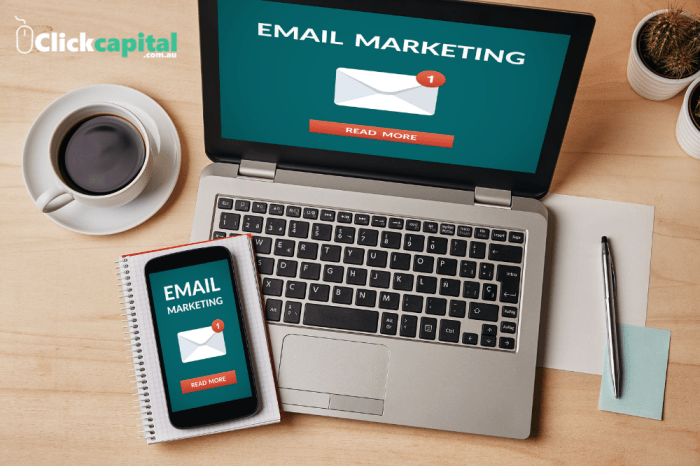
Email marketing tools vary significantly in their user experience, impacting both the initial learning curve and ongoing efficiency. A smooth, intuitive interface can significantly reduce frustration and increase adoption, while a complex or confusing design can deter even the most motivated marketers. The ease of use often hinges on the platform’s features, design, and support resources.
User Interface and Overall Experience
Different email marketing tools employ various design philosophies. Some prioritize a clean, minimalist approach, emphasizing clarity and simplicity. Others opt for a more feature-rich design, offering a wider array of options but potentially making the interface feel cluttered. The overall experience also depends on the tool’s responsiveness, navigation, and overall design aesthetic. Intuitive navigation, clear labeling of features, and visually appealing layouts contribute to a positive user experience.
Conversely, slow loading times, confusing menus, and poorly organized interfaces can lead to user frustration and reduced productivity.
User Reviews and Feedback
User reviews and feedback provide valuable insights into the usability of email marketing tools. Positive reviews often highlight the platform’s ease of use, drag-and-drop functionality, and straightforward design. They frequently mention the intuitive interface, enabling users to quickly create and manage email campaigns with minimal effort. Conversely, negative reviews often cite complexity in navigation, difficulty in understanding specific features, or a steep learning curve.
It is essential to consider these varied perspectives when choosing an email marketing tool.
Support Options
The quality and accessibility of support options play a crucial role in a user’s overall experience. Comprehensive documentation, detailed FAQs, and readily available customer support channels are essential for resolving issues and maximizing the tool’s potential. Platforms with responsive customer support teams can provide rapid assistance when users encounter problems. Similarly, extensive tutorials and video guides can significantly aid users in understanding the platform’s functionality.
Examples of Intuitive Tools and Their Impact, Top 10 email marketing tools
Several email marketing tools excel in user experience due to their intuitive design. For example, platforms with a drag-and-drop interface allow users to easily create email templates without requiring extensive coding knowledge. This ease of use significantly reduces the time and effort needed to design and implement email campaigns. Furthermore, user-friendly email templates and pre-designed layouts can facilitate the creation of visually appealing and effective emails.
Such intuitive features empower marketers of all skill levels to effectively manage and customize their campaigns.
Case Studies and Real-World Applications
Email marketing tools aren’t just software; they’re the engines driving successful campaigns. Understanding how businesses leverage these tools in real-world scenarios provides invaluable insight into their effectiveness. Examining successful campaigns reveals the strategies employed, the metrics achieved, and the impact on businesses.Successful email campaigns aren’t a matter of chance; they’re meticulously crafted strategies tailored to specific goals. From boosting sales to nurturing leads, each campaign uses the chosen tool’s capabilities to maximize results.
Analyzing these campaigns demonstrates the practical application of email marketing strategies and the tangible benefits achievable with the right tool and approach.
Successful Campaign Examples Using Different Tools
Different email marketing tools excel in various aspects of campaign management. This section provides real-world examples of successful campaigns utilizing different tools, showcasing how they helped businesses achieve specific goals.
- Campaign A: Boosting Sales with Mailchimp
-A clothing retailer used Mailchimp to launch a seasonal sale campaign. They segmented their audience based on past purchase history and engagement levels, sending targeted emails with exclusive discounts and product recommendations. The campaign resulted in a 25% increase in sales compared to the previous year’s corresponding period. This success highlights the power of segmentation and targeted offers in driving sales. - Campaign B: Nurturing Leads with Constant Contact
-A software company leveraged Constant Contact to nurture leads through a multi-step email sequence. Each email in the sequence provided valuable content, such as product demos and case studies, progressively educating potential customers about their solutions. This resulted in a 15% increase in qualified leads and a 10% conversion rate from leads to paying customers, demonstrating the value of lead nurturing.Looking for the top 10 email marketing tools? Well, mastering email marketing is crucial for any business, but understanding how search engine optimization (SEO) works can also be a game-changer. Knowing if SEO is hard to learn can influence your approach to online growth. If you’re unsure about tackling SEO, check out this helpful resource to learn more: is seo hard to learn.
Ultimately, choosing the right email marketing tools will significantly boost your reach and engagement, no matter your SEO knowledge level.
- Campaign C: Building Brand Loyalty with Sendinblue
-A cosmetics brand used Sendinblue to create a loyalty program. They rewarded repeat customers with exclusive offers, early access to new products, and personalized recommendations. This fostered a stronger connection with their audience, resulting in a 12% increase in customer lifetime value and a 20% decrease in churn rate. This example underscores the importance of building brand loyalty through tailored experiences.
Strategies Employed in Successful Campaigns
The success of email marketing campaigns hinges on effective strategies. Understanding the tactics employed in various campaigns allows for better replication and adaptation to achieve similar results.
- Segmentation
-Dividing the audience into smaller, more targeted groups allows for personalized content, increasing engagement and conversion rates. Businesses segment based on demographics, purchase history, and engagement behavior. - A/B Testing
-Experimenting with different email variations, such as subject lines, calls to action, and content, helps optimize campaigns for maximum impact. Analyzing results from different versions allows businesses to identify what resonates best with their audience. - Automated Email Sequences
-Automating email delivery based on user actions, such as abandoned carts or sign-ups, nurtures leads and streamlines communication. This increases efficiency and ensures consistent engagement with leads throughout the sales funnel.
Metrics Demonstrating Campaign Effectiveness
Measuring campaign success relies on quantifiable metrics. Understanding the key metrics provides insights into the impact of the campaign and allows for continuous improvement.
| Metric | Description | Importance |
|---|---|---|
| Open Rate | Percentage of recipients who opened the email. | Indicates audience interest and email deliverability. |
| Click-Through Rate (CTR) | Percentage of recipients who clicked on a link in the email. | Measures the effectiveness of calls to action and engagement with content. |
| Conversion Rate | Percentage of recipients who completed a desired action, such as making a purchase. | Directly reflects the campaign’s impact on business goals. |
| Bounce Rate | Percentage of emails that couldn’t be delivered. | Indicates potential issues with email lists or deliverability settings. |
Future Trends and Developments in Email Marketing: Top 10 Email Marketing Tools
Email marketing, while a mature channel, continues to evolve at a rapid pace. The increasing sophistication of email marketing tools mirrors the growing complexity of customer expectations. As technology advances, email marketing must adapt to remain relevant and effective in a digital landscape filled with diverse communication channels. This evolution isn’t just about aesthetics; it’s about functionality, personalization, and integration with other technologies.Tools are no longer just platforms for sending emails; they are becoming hubs for managing customer interactions and nurturing relationships.
The future of email marketing is intertwined with the future of these tools, emphasizing automation, personalization, and the use of data-driven insights to improve campaign performance.
AI-Powered Personalization
Email marketing tools are increasingly leveraging artificial intelligence (AI) to personalize the customer journey. AI algorithms can analyze vast amounts of customer data, including past purchase history, browsing behavior, and engagement metrics, to tailor email content and timing for maximum impact. This allows for dynamic content generation, personalized subject lines, and targeted offers that resonate with individual customer preferences.
For instance, an e-commerce platform can use AI to recommend products based on a customer’s past purchases, creating highly personalized product recommendations in promotional emails.
Interactive Email Experiences
The rise of interactive content is impacting email marketing. Tools are integrating features like interactive forms, polls, quizzes, and embedded videos to engage recipients and gather valuable feedback. This allows for more dynamic and engaging interactions, turning emails into interactive experiences that encourage greater customer participation. This approach enhances customer engagement and can collect valuable data for future personalization efforts.
A travel agency, for example, could embed a map in an email allowing customers to explore different destinations and click on interactive points of interest, directly impacting their travel planning process.
Integration with Other Marketing Channels
The future of email marketing tools emphasizes seamless integration with other marketing channels, such as social media and CRM systems. This allows for a unified view of the customer journey and enables marketers to deliver more holistic and targeted experiences. For instance, a real-estate agency can use email marketing to nurture leads generated from their social media campaigns, and then automatically update their CRM system with relevant data, streamlining the sales process.
Emphasis on Deliverability and Anti-Spam Measures
The need for deliverability and avoidance of spam filters is paramount. Tools will continue to focus on optimizing email delivery rates and complying with stringent anti-spam regulations. This involves using best practices for email list management, ensuring accurate sender information, and implementing robust anti-spam measures within the platform. The focus on deliverability ensures emails reach the intended recipients, maximizing campaign effectiveness and avoiding issues with spam filters.
This is essential for maintaining brand reputation and building trust with subscribers.
Enhanced Analytics and Reporting
Email marketing tools will increasingly offer sophisticated analytics and reporting features to provide marketers with detailed insights into campaign performance. These tools will allow marketers to track key metrics such as open rates, click-through rates, conversion rates, and deliverability. Advanced reporting features will enable marketers to identify trends and optimize campaigns for better results, leading to greater efficiency and effectiveness in marketing campaigns.
Real-time reporting allows for immediate adjustments and course correction, maximizing campaign return on investment.
Closure
In conclusion, navigating the landscape of email marketing tools can be overwhelming. This exploration of the top 10 email marketing tools offers a practical roadmap for choosing the right solution. From crafting engaging templates to automating sequences and tracking results, these tools empower businesses to connect with their audience effectively. By understanding the key features, pricing, and integrations, you can optimize your email campaigns and achieve significant results.