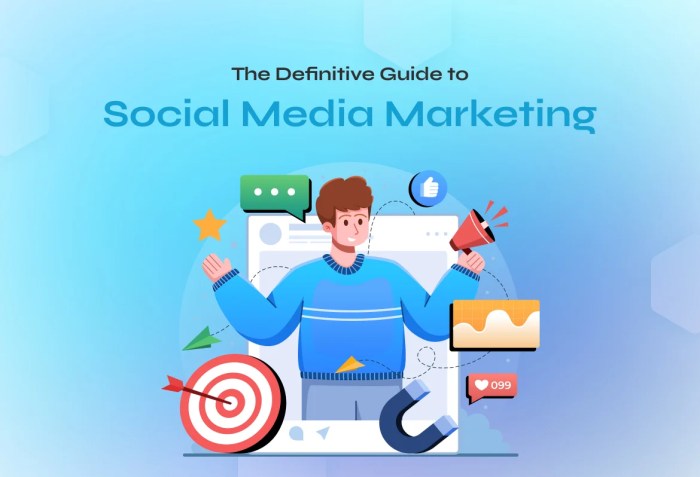
Marketing on social media is more than just posting pretty pictures; it’s a powerful engine for reaching your target audience and driving business growth. This guide delves into everything from defining social media marketing and understanding its evolution, to crafting engaging content, building a loyal following, measuring campaign success, and even utilizing social media for customer service. We’ll explore the nuances of various platforms, analyze their strengths and weaknesses, and provide actionable strategies to make your social media presence truly impactful.
From crafting compelling content calendars to mastering paid advertising, you’ll discover the secrets to navigating the ever-changing landscape of social media marketing. We’ll also uncover emerging trends and technologies shaping the future of this dynamic field.
Introduction to Social Media Marketing
Social media marketing leverages online platforms to connect with target audiences, build brand awareness, and drive business growth. It’s a dynamic and ever-evolving field, demanding constant adaptation to new trends and technologies. This approach is increasingly crucial for businesses to reach consumers directly and engage with them in a personalized way.Traditional marketing often relies on mass media campaigns, while social media marketing fosters two-way communication and personalized engagement.
The key difference lies in the interaction level and the ability to tailor messages to specific audiences.
Evolution of Social Media Marketing Strategies
Social media marketing strategies have undergone significant transformations over time. Early strategies focused primarily on building brand presence and increasing visibility. As social media platforms matured, strategies shifted towards engagement, content creation, and community building. Today, strategies incorporate data analysis, influencer collaborations, and sophisticated targeting methods to achieve precise results. This evolution reflects the changing landscape of online communication and the growing sophistication of businesses.
Key Differences Between Traditional and Social Media Marketing
Traditional marketing often relies on broad, one-way communication, such as television commercials or print advertisements. In contrast, social media marketing facilitates direct engagement and feedback, allowing for real-time interactions with consumers. Traditional methods typically measure results through broad metrics like impressions and reach, whereas social media marketing often uses more granular metrics, like engagement rates, click-through rates, and conversion rates.
Social media provides a more measurable and targeted approach to marketing compared to traditional methods.
Social Media Platforms for Marketing
Various social media platforms offer unique opportunities for marketing. The choice of platform depends heavily on the target audience and marketing objectives. Understanding each platform’s strengths and weaknesses is crucial for successful implementation.
Comparison of Social Media Platforms for Marketing
| Platform | Strengths | Weaknesses | Target Audience |
|---|---|---|---|
| Large user base, diverse targeting options, robust advertising tools. | Can be cluttered, organic reach is limited, algorithm changes can impact visibility. | Broad, diverse range of demographics, particularly those interested in social connection and news. | |
| Visual-centric platform, highly engaging content formats, strong visual appeal. | Limited text-based content, algorithm changes can impact visibility, less emphasis on direct sales. | Visual-oriented audience, particularly younger demographics and those interested in fashion, beauty, and lifestyle. | |
| Real-time updates, quick engagement, excellent for news and trending topics. | Short character limit, potential for negativity and quick-moving conversations, less emphasis on visual appeal. | Individuals interested in news, current events, and discussions, those looking for real-time information. | |
| Professional networking platform, excellent for B2B marketing, targeted lead generation. | Less engaging for casual users, less emphasis on visual content, slower engagement compared to other platforms. | Business professionals, career-oriented individuals, and companies seeking to connect with other businesses. | |
| TikTok | Short-form video platform, highly engaging, viral potential, highly visual. | Difficult to use for direct sales, algorithm changes can impact visibility, strong reliance on trends. | Younger demographics, particularly those interested in entertainment, creativity, and short-form video content. |
Content Strategy for Social Media

A strong content strategy is the bedrock of successful social media marketing. It’s not just about posting pretty pictures; it’s about understanding your audience, knowing what resonates with them, and crafting a plan to connect with them consistently. A well-defined strategy ensures your efforts aren’t random blasts but a focused campaign that achieves specific goals. This approach cultivates a consistent brand voice, builds a loyal following, and ultimately drives tangible results.A robust content strategy goes beyond simply sharing content; it involves a deep understanding of your target audience, their needs, and the platforms they frequent.
This allows you to tailor your messaging to resonate with them, building engagement and fostering a strong connection. By understanding the unique characteristics of each platform, you can leverage the strengths of each to maximize your reach and impact.
Importance of a Content Calendar
A well-structured content calendar is crucial for maintaining a consistent presence and scheduling posts effectively. It ensures that your content aligns with your overall marketing goals and keeps you organized, allowing you to stay on top of your social media strategy. A planned calendar prevents ad-hoc posting and keeps your brand message aligned and consistent.
Developing a Successful Content Calendar
Creating a successful social media content calendar involves several key steps. First, define your objectives and target audience. Next, identify relevant trends and topics, and research your competitors’ strategies to gain insights and understand your audience’s interests. This research is vital to develop engaging content that speaks directly to your target audience’s needs. After defining your content themes and target audience, you need to schedule posts across various platforms.
This systematic approach ensures consistent engagement and builds brand awareness.
Content Formats for Different Platforms
Different social media platforms cater to diverse content formats. Understanding these differences allows you to tailor your content for optimal engagement on each platform. For instance, visually rich platforms like Instagram and Pinterest benefit from high-quality images and videos, while platforms like Twitter thrive on concise text updates. Leveraging these specific formats maximizes the impact of your content and enhances your brand’s visibility.
- Instagram: Visual content reigns supreme on Instagram. High-quality photos, eye-catching videos, and engaging Stories are essential. Think captivating visuals that tell a story, showcase your brand’s personality, and inspire interaction. Examples include product demos, behind-the-scenes glimpses, and visually appealing lifestyle imagery.
- Twitter: Twitter demands concise, impactful messages. Use short, punchy updates, relevant news, and engaging questions to encourage conversation. Short-form video clips and GIFs can also be highly effective.
- Facebook: Facebook allows for a wider variety of content formats. Use a blend of text updates, high-quality images, and videos to cater to a diverse audience. Encourage discussions and foster a sense of community. Consider running contests or polls to increase user engagement.
- TikTok: Short-form videos are the core of TikTok’s appeal. Focus on creative and engaging videos that capture attention within the first few seconds. Trends, challenges, and humor are highly effective strategies.
Engaging Content Formats
Creating engaging content is paramount for driving audience interaction and increasing brand visibility. Several formats can effectively achieve this.
- Videos: Videos are a powerful tool for storytelling and capturing attention. Consider using videos to explain complex concepts, showcase products, or share behind-the-scenes glimpses of your brand. For instance, a product demonstration video can showcase the practical applications of your product and enhance customer understanding.
- Infographics: Infographics effectively present complex data in an easily digestible visual format. They are excellent for highlighting key statistics, explaining trends, or comparing different aspects of your product or industry. A visually appealing infographic can be used to present statistics on your product’s success.
- Stories: Stories offer a dynamic and interactive way to engage your audience. Utilize them to share behind-the-scenes content, conduct polls, or ask questions to foster a sense of community. By sharing updates and providing behind-the-scenes access, you foster trust and build a stronger connection with your audience.
Social Media Content Calendar Template
This template provides a structured approach to planning your social media content. It’s a roadmap to ensuring consistent and effective engagement.
| Date | Platform | Content Type | Target Audience | Call to Action |
|---|---|---|---|---|
| 2024-07-26 | Image Post | Potential Customers | Visit our website | |
| 2024-07-27 | Tweet | Existing Customers | Share your experience | |
| 2024-07-28 | Video Post | General Public | Learn more about our product | |
| 2024-07-29 | TikTok | Short Video | Gen Z | Follow our page |
Building an Audience on Social Media
Attracting and engaging a loyal audience on social media is crucial for any brand’s success. It’s not just about accumulating followers; it’s about fostering a community of engaged individuals who resonate with your brand’s values and offerings. This requires a strategic approach that goes beyond simply posting content. Understanding your target audience, crafting compelling content, and nurturing relationships are key elements in building a thriving online presence.Identifying your target audience is the cornerstone of a successful social media strategy.
Knowing who you’re trying to reach allows you to tailor your messaging and content to resonate with them. This deeper understanding allows you to create engaging experiences that convert followers into loyal customers. It’s not enough to simply know their demographics; understanding their motivations, pain points, and interests is crucial for creating a lasting connection.
Identifying Your Target Audience
Understanding your ideal customer is paramount. Consider factors like demographics (age, location, gender), psychographics (interests, values, lifestyle), and behavioral patterns (online activities, purchasing habits). Social media analytics tools and market research can provide valuable insights into your target audience. By segmenting your audience based on these factors, you can create tailored content that resonates with each group.
Furthermore, analyzing competitors’ audiences can offer valuable insights into effective strategies.
Creating Engaging Content
Content tailored to your audience’s interests is key to driving engagement. Content should address their needs, solve their problems, and offer value. This might involve creating informative blog posts, sharing industry news, or providing helpful tips. Visual content, such as high-quality images and videos, can significantly increase engagement. Remember that the content should align with your brand’s voice and personality, ensuring consistency across all platforms.
Consider incorporating interactive elements like polls, quizzes, and Q&A sessions to encourage audience participation.
Growing Followers Organically
Organic growth strategies focus on building a genuine connection with your audience. This requires consistent posting, high-quality content, and engaging with other users. Collaborating with influencers who align with your brand can expose your content to a wider audience. Participating in relevant conversations and using relevant hashtags are essential for reaching a wider audience. Responding to comments and messages promptly demonstrates that you value your audience.
Social media marketing is a powerful tool, but understanding how to drive traffic to your content is key. Figuring out the best approach, whether it’s focusing on organic reach through search engine optimization or paid advertising like pay-per-click, is crucial. A great resource for diving deeper into this is this comparison of search engine optimization vs pay per click which is better search engine optimization vs pay per click which is better.
Ultimately, the best social media strategy often combines elements of both approaches for maximum impact.
Interacting with Your Audience Effectively
Consistent interaction with your audience is crucial for fostering a sense of community. Responding to comments, messages, and mentions in a timely manner shows that you value their input. Encourage two-way conversations through polls, questions, and surveys. Consider hosting live Q&A sessions or webinars to engage with your audience directly. Building relationships with your followers fosters loyalty and strengthens brand advocacy.
Building a Strong Brand Identity
A strong brand identity is essential for recognition and trust. Define your brand’s personality, values, and mission. This will inform your content strategy and ensure consistency across all platforms. Use a consistent brand voice and visual style in your posts. Visual elements, like logos, color palettes, and fonts, should reinforce your brand identity.
Examples of brands with strong social media identities demonstrate the impact of consistent branding.
Examples of Successful Social Media Campaigns
Successful campaigns often utilize a combination of these strategies. For example, a company focused on sustainable living might create engaging videos showcasing their eco-friendly products and actively participate in discussions about environmental issues. Another example could be a fitness brand running contests and challenges, engaging followers with interactive content, and building a community around health and fitness. These campaigns demonstrate how tailored content and community building can lead to tangible results.
Measuring the Success of Social Media Campaigns
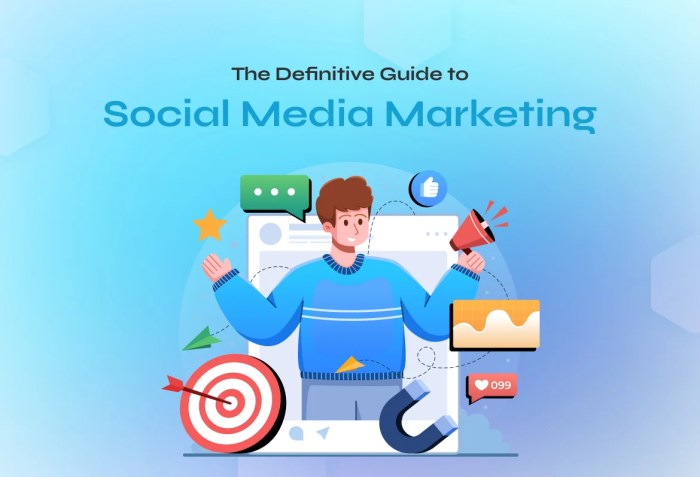
Social media marketing is a dynamic field, constantly evolving with new platforms and trends. To effectively leverage this power, businesses need to accurately assess the impact of their campaigns. Measuring success isn’t just about counting likes; it’s about understanding how social media activity translates into tangible results. This involves a deep dive into key metrics and the tools to track them.Understanding the metrics used to evaluate social media performance allows businesses to refine their strategies, optimize content, and ultimately achieve their marketing objectives.
It’s not just about vanity metrics; it’s about understanding the connection between social media activity and business goals.
Social media marketing is a constantly evolving landscape, and staying ahead of the curve is key. Learning from experts is crucial, and a recent guest post by Gretchen Sword from Bloomberg West, guest post gretchen sword of bloomberg west , offers some insightful strategies for boosting engagement. Understanding these tactics can significantly improve your social media game.
Key Metrics for Evaluating Social Media Performance
To determine the effectiveness of a social media campaign, businesses must understand the key performance indicators (KPIs). These metrics provide insights into various aspects of the campaign’s reach, engagement, and conversion rates. A comprehensive analysis considers both qualitative and quantitative data.
| Metric | Definition | How to Measure | Target Value |
|---|---|---|---|
| Reach | The number of unique users who saw your content. | Track impressions, unique visitors, and follower counts on social media platforms. | High reach signifies wider exposure but requires context in campaign goals. |
| Engagement | Measures user interaction with your content. | Track likes, comments, shares, retweets, and click-through rates (CTRs). | High engagement suggests content resonates with the audience. |
| Website Traffic | The number of users who visited your website from social media. | Use UTM parameters in social media links to track referral traffic. | Higher traffic indicates social media’s effectiveness in driving website visits. |
| Conversion Rate | The percentage of users who completed a desired action (e.g., making a purchase, signing up for a newsletter). | Track conversions using UTM parameters or tracking pixels. | Higher conversion rates indicate the effectiveness of social media in driving desired outcomes. |
| Customer Acquisition Cost (CAC) | The cost incurred to acquire a new customer through social media. | Divide the total social media marketing spend by the number of new customers acquired. | Lower CAC suggests effective social media strategies. |
| Brand Mentions | The number of times your brand is mentioned in social media conversations. | Use social listening tools to monitor brand mentions and track sentiment. | Increased brand mentions signify brand awareness and buzz. |
Tracking and Analyzing Social Media Campaign Data, Marketing on social media
Consistent tracking and analysis of social media campaign data are essential for understanding performance. Tools and techniques are crucial for effectively gathering, organizing, and interpreting this data.Implementing a systematic approach to tracking and analyzing data allows businesses to make informed decisions about future strategies.
Tools and Techniques for Measuring Engagement, Reach, and Conversions
Various tools and techniques aid in measuring key metrics. Social media platforms offer built-in analytics. Third-party tools provide more in-depth insights. Understanding these tools is critical to successful campaign analysis.
- Social media platform analytics: Facebook Insights, Instagram Insights, Twitter Analytics, and others provide valuable data about reach, engagement, and demographics. Understanding the data provided by these platforms is key to analyzing your campaign’s success.
- Third-party analytics tools: Tools like Hootsuite, Sprout Social, and Buffer offer comprehensive dashboards and reporting capabilities, providing insights beyond what’s available through social media platforms.
- Website analytics tools: Google Analytics tracks website traffic, conversions, and user behavior, allowing you to see how social media drives website traffic and conversions.
- Social listening tools: Tools like Brandwatch or Talkwalker monitor social media conversations, track brand mentions, and identify trends. This helps you understand public perception and adjust your strategy.
Creating a Social Media Analytics Dashboard
A social media analytics dashboard provides a centralized view of key metrics, allowing for easy monitoring and analysis. Visualizations and reports are essential for effective data interpretation.A well-designed dashboard should include key metrics, enabling quick analysis of campaign performance. This visualization makes data actionable and facilitates strategic decision-making. Example dashboard components could include graphs and charts showing reach, engagement, conversions, and website traffic over time.
Social Media Advertising and Promotion
Social media advertising has become an indispensable tool for businesses seeking to reach their target audience and drive conversions. It allows for highly targeted campaigns, measurable results, and a dynamic platform to engage with customers in real-time. This approach moves beyond simple broadcasting, enabling businesses to foster meaningful interactions and build brand loyalty.Paid advertising on social media platforms is a powerful lever for amplifying your message and achieving specific business goals.
It enables you to reach a broader audience than organic posting alone and tailor your campaign to precisely match your ideal customer profile.
Role of Paid Advertising
Paid advertising is crucial for maximizing the reach and impact of your social media presence. It allows you to gain exposure to a wider audience that may not be actively following your brand on social media. This is particularly important for new businesses or those looking to expand their market share.
Different Advertising Formats
Various formats are available to cater to different needs and campaign objectives.
- Image Ads: Visual appeal is key to capturing attention in the crowded social media landscape. High-quality images, clear calls to action, and relevant messaging are critical for success.
- Video Ads: Short, engaging video content is highly effective. These ads often incorporate compelling storytelling, dynamic visuals, and concise messaging to resonate with viewers. The format can effectively communicate complex information or demonstrate a product’s functionality in a concise and engaging way.
- Carousel Ads: These ads showcase multiple images or videos in a slideshow format. They offer greater visual storytelling opportunities and are particularly useful for showcasing a range of products or services.
- Stories Ads: Leveraging the ephemeral nature of social media stories, these ads are highly engaging and can promote a sense of urgency or exclusivity.
- Collection Ads: These ads are designed to showcase multiple products within a single ad, making it easy for users to browse and make purchases directly within the platform.
Creating Effective Ad Campaigns
Effective social media ad campaigns require careful planning and execution. The key is to define clear objectives, target the right audience, and create compelling visuals and copy.
- Define Clear Objectives: Whether it’s increasing brand awareness, driving website traffic, or generating leads, having specific goals will help you measure the success of your campaign.
- Know Your Audience: Thoroughly understand your target audience’s demographics, interests, and online behavior. This knowledge will guide your ad targeting strategy and messaging.
- Compelling Visuals and Copy: Create visually appealing and engaging ads that clearly communicate the value proposition of your product or service.
Targeting Strategies
Targeting options on social media platforms allow for highly precise targeting based on demographics, interests, behaviors, and connections. These options allow advertisers to narrow their focus and ensure their ads are seen by the most relevant audience.
- Demographic Targeting: Targeting based on age, gender, location, and other demographic factors.
- Interest Targeting: Targeting based on user interests and hobbies, allowing for more precise matching to potential customers.
- Behavioral Targeting: Targeting based on user online behavior, such as website visits, app usage, and purchase history.
- Custom Audiences: Using existing customer lists to target them on social media platforms, promoting retargeting and re-engagement efforts.
Optimizing for Conversions
Optimizing ad campaigns for conversions requires careful monitoring and adjustments. A/B testing different ad creatives and targeting parameters is key to identifying what resonates best with your target audience.
Social media marketing is all about connection, right? But to truly succeed, you need to understand the deeper value proposition of your company. This involves considering the seven factors of company value, such as brand recognition and customer loyalty, the seven factors of company value which directly impacts how you strategize your social media presence.
Ultimately, strong social media marketing relies on a clear understanding of your company’s core value proposition.

- A/B Testing: Experiment with different ad variations to identify the most effective approach in terms of click-through rates and conversions.
- Tracking and Analytics: Regularly track key metrics like click-through rates, conversion rates, and cost-per-acquisition to assess campaign performance.
- Call to Action (CTA): Clear and compelling CTAs encourage users to take the desired action, such as visiting your website or making a purchase.
Successful Campaign Examples
Numerous successful campaigns have demonstrated the effectiveness of social media advertising. These campaigns often highlight creativity, precise targeting, and compelling storytelling. Nike’s use of athlete testimonials, for example, has consistently driven brand engagement and sales.
Social Media Customer Service: Marketing On Social Media
Social media has revolutionized customer service, transforming how businesses interact with their clientele. Direct communication channels, immediate feedback loops, and the potential for widespread brand impact make social media a crucial tool for modern businesses. Proactive engagement and swift responses can build loyalty, while mishandled interactions can damage reputations. This section explores the significance of social media customer service, outlining strategies for effective responses, relationship building, issue resolution, and a robust policy.
Importance of Social Media for Customer Service
Social media platforms offer businesses unparalleled opportunities to connect directly with customers. Real-time interaction facilitates quick problem resolution, fostering trust and positive brand perception. This direct engagement also allows businesses to gauge public sentiment, identify trends, and address issues promptly, often before they escalate into major crises. A strong social media presence builds a reputation for responsiveness and care, a key factor in customer loyalty.
By actively monitoring social media channels, businesses can identify and resolve issues before they reach critical mass, minimizing potential negative publicity. Furthermore, this accessibility fosters transparency and builds a stronger sense of community around the brand.
Strategies for Responding to Customer Inquiries and Complaints
Responding promptly and professionally to customer inquiries and complaints is paramount. A clear, consistent brand voice is essential for maintaining a positive image. Companies should establish clear guidelines for social media interactions, outlining acceptable responses and expected response times. This includes pre-approved templates for common inquiries and standardized procedures for handling complaints. Crucially, the response should be personalized, addressing the specific concerns of each customer.
Acknowledging a customer’s message, even if a resolution is not immediate, demonstrates care and respect.
Building Relationships with Customers on Social Media
Social media provides an ideal platform for fostering meaningful relationships with customers. Businesses can create engaging content, participate in relevant conversations, and share updates that resonate with their target audience. Creating valuable content that educates, entertains, or inspires fosters customer loyalty. Running contests, polls, and Q&A sessions encourages interaction and builds a sense of community. Active listening and engagement in relevant conversations demonstrate genuine interest in customer feedback and concerns, reinforcing positive relationships.
This two-way communication builds trust and transforms customers into brand advocates.
Resolving Customer Issues on Social Media Effectively
Effective resolution of customer issues on social media requires a multi-faceted approach. It is crucial to actively listen to customer concerns and acknowledge their feelings. Gather all relevant information to understand the issue completely. Provide a timely response, clearly outlining the steps being taken to resolve the problem. Transparency is key; customers appreciate knowing the status of their issue.
Maintain a calm and professional tone, even when dealing with difficult situations. If a problem cannot be resolved immediately, offer a clear timeline for follow-up. Remember that each interaction is an opportunity to build trust and maintain a positive brand image.
Social Media Customer Service Policy
This policy Artikels the guidelines for handling customer inquiries and complaints on social media platforms.
- Prompt Responses: Respond to customer inquiries and complaints within a defined timeframe (e.g., 24 hours for urgent matters, 48 hours for standard issues).
- Professional Tone: Maintain a professional and courteous tone in all interactions, avoiding aggressive or dismissive language.
- Transparency: Provide clear and concise updates on the status of customer issues and the steps taken to resolve them.
- Confidentiality: Protect customer privacy and confidentiality. Avoid sharing personal information without explicit consent.
- Escalation Procedures: Establish clear procedures for escalating issues to internal teams if necessary.
- Problem Resolution: Prioritize finding a satisfactory resolution for each customer issue.
- Monitoring and Evaluation: Regularly review social media interactions to identify areas for improvement and ensure adherence to the policy.
Trends and Emerging Technologies in Social Media Marketing
Social media marketing is a dynamic field, constantly evolving with new technologies and trends. Staying ahead of the curve is crucial for brands to effectively connect with their audiences and achieve their marketing objectives. This section explores the key emerging trends and technologies shaping the future of social media marketing.The rapid advancement of technology is profoundly impacting social media marketing strategies.
Brands need to adapt their approaches to leverage new tools and platforms, ensuring they remain relevant and impactful in the digital landscape. Understanding the evolving user behavior and technological advancements is vital for sustained success.
Emerging Trends in Social Media Marketing
Social media is continuously evolving, with new features and platforms emerging regularly. Keeping up with these trends is vital for businesses to maintain relevance and effectively engage with their target audiences. Key trends include the rise of short-form video content, the increasing use of AI and automation tools, and the growing emphasis on user-generated content.
- Short-Form Video Dominance: Platforms like TikTok and Instagram Reels have cemented short-form video as a dominant force in social media. Brands are increasingly recognizing the importance of creating engaging video content to capture attention in the fast-paced environment of these platforms. This trend emphasizes the need for concise, visually appealing, and easily digestible content.
- AI and Automation Integration: Artificial intelligence is revolutionizing social media marketing. AI tools can automate tasks like scheduling posts, generating content ideas, and analyzing audience engagement. This allows marketers to focus on strategic planning and creative execution. Effective implementation of AI tools can significantly improve efficiency and resource allocation.
- User-Generated Content (UGC) Emphasis: Authenticity and trust are paramount in today’s digital landscape. Brands are increasingly leveraging UGC to build credibility and foster a sense of community among their followers. The power of authentic reviews and recommendations from real users cannot be overstated.
Impact of New Technologies on Social Media Strategies
The integration of new technologies profoundly impacts social media marketing strategies. Businesses need to adapt their strategies to remain relevant and competitive in this ever-changing landscape. The rise of virtual reality (VR), augmented reality (AR), and the metaverse are altering the way brands interact with their audiences.
- Virtual and Augmented Reality (VR/AR) Integration: VR and AR experiences provide immersive ways for brands to engage with their audience. Interactive filters, 3D product visualizations, and virtual try-ons can enhance customer engagement and boost sales conversions. Examples include virtual try-on tools for fashion brands and interactive product demonstrations in the gaming industry.
- Metaverse Exploration: The metaverse presents a new frontier for social media marketing. Brands can create virtual stores, host events, and interact with customers in immersive environments. This emerging technology allows for more engaging and personalized brand experiences. Early examples are brands experimenting with virtual showrooms and interactive digital events.
Future of Social Media Marketing
Predicting the future of social media marketing is complex, but several factors point to a few key directions. The importance of personalization, the role of data-driven insights, and the need for authenticity will likely continue to grow in significance.
- Personalized Experiences: Consumers expect personalized experiences across all channels, including social media. Leveraging data to understand individual user preferences and tailoring content accordingly will be essential for effective engagement. The implementation of targeted advertising based on user behavior will continue to be crucial.
- Data-Driven Decision Making: Social media marketing will become increasingly data-driven. Brands will rely on analytics and insights to optimize campaigns, measure ROI, and adapt strategies in real-time. A deeper understanding of user data allows for more effective allocation of marketing budgets and improved engagement.
Innovative Social Media Marketing Approaches
Brands are continually exploring innovative approaches to social media marketing. This involves utilizing new tools, experimenting with different formats, and staying ahead of emerging trends. Examples include using interactive polls, quizzes, and live streams to foster audience engagement.
- Interactive Content Formats: Employing interactive content like polls, quizzes, and live streams can increase audience engagement and foster a sense of community. These formats encourage interaction and create a more dynamic experience for users.
- Focus on Community Building: Cultivating a strong online community is crucial for long-term success. Brands can foster connections by actively participating in discussions, responding to comments, and creating opportunities for user-generated content.
Potential of New Platforms and Features
New social media platforms and features are constantly emerging, offering exciting opportunities for brands to connect with their target audiences. Understanding the potential of these new platforms and features is essential for adapting to changing trends and maintaining relevance.
- Exploring Emerging Platforms: New social media platforms continue to emerge, each with its unique features and target audience. Brands need to carefully evaluate the potential of these platforms to reach their specific target demographic. Understanding the strengths and weaknesses of each platform is vital for effective engagement.
- Utilizing New Features: Features like Stories, Reels, and live video continue to evolve, offering exciting opportunities for brands to engage with their audience. Utilizing these innovative features is key to capturing attention and building brand awareness.
Ending Remarks
In conclusion, marketing on social media isn’t just about posting; it’s a multifaceted strategy requiring careful planning, consistent effort, and a deep understanding of your audience. By implementing the strategies and insights presented in this guide, you can transform your social media presence from a simple activity into a powerful engine for growth, engagement, and ultimately, success.