Connected Africa 2026 – 7th Edition Telecom Innovation & Excellence Awards – BitcoinWorld

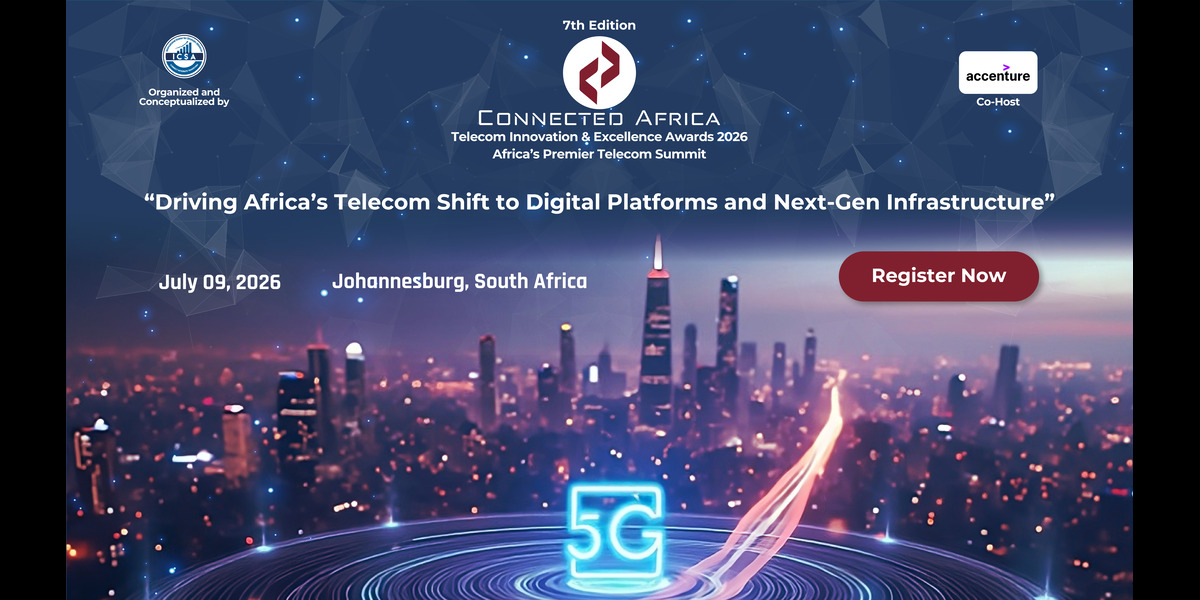
As the continent’s digital landscape continues to evolve, the International Center for Strategic Alliances (ICSA) has confirmed the return of its flagship summit. This seventh iteration of the event arrives at a moment of significant technological acceleration across sub-Saharan Africa. The summit aims to bridge the gap between policy formulation, regulatory requirements, and the practical implementation of high-speed connectivity and security infrastructure.
The Strategic Context of African Digital Infrastructure
South Africa remains a critical hub for continental digital growth, acting as a gateway for international investment and a testing ground for innovative financial technology. The nation’s move toward widespread 5G adoption, combined with an increasing reliance on cloud-native banking solutions, has necessitated a robust conversation regarding national security and data sovereignty.
In recent years, the African telecom sector has faced a dual challenge: the rapid expansion of mobile financial services—which have become the backbone of local economies—and a rising sophistication in cyber threats targeting these nascent infrastructures. The 2026 summit is positioned to address these tensions by bringing together a diverse cohort of stakeholders, including government regulators, telecommunications executives, banking leaders, and cybersecurity experts.
Chronology of the Connected Africa Series
Since its inception, the Connected Africa series has served as a barometer for the continent’s digital maturity. Each iteration has marked a shift in focus, reflecting the changing priorities of the industry:
- Early Editions (2019-2021): The initial summits focused heavily on basic connectivity and the rollout of 4G networks, with a primary objective of expanding internet penetration in underserved rural areas.
- The Pandemic Shift (2022-2023): Mid-series events pivoted sharply toward remote work technologies, digital health, and the sudden, massive surge in mobile money transaction volumes.
- Infrastructure Modernization (2024-2025): Recent editions emphasized the integration of Artificial Intelligence (AI) into customer service, the deployment of undersea cable connectivity, and the foundational requirements for 5G deployment.
- The 2026 Outlook: This upcoming 7th edition marks a maturation phase, shifting the discourse from "connectivity" to "intelligent security and enterprise resilience."
Key Data Points and Industry Trends
The urgency for this year’s summit is supported by several macroeconomic trends. According to recent industry reports, the African e-commerce market is expected to reach an estimated $75 billion by 2025, driven largely by mobile-first platforms. Furthermore, the volume of digital transactions in South Africa alone has seen a compound annual growth rate (CAGR) of over 15% since 2020.
However, this growth comes with significant risk. Cybersecurity reports indicate that African businesses are experiencing an uptick in sophisticated phishing and ransomware attacks, often targeting the financial sector’s interconnected APIs. The cost of cybercrime in South Africa is estimated to be in the billions of Rand annually, making the summit’s focus on "Intelligent Banking and Security" not merely a topic of discussion, but a survival imperative for the financial sector.
The Telecom Innovation and Excellence Awards
A focal point of the event remains the Telecom Innovation and Excellence Awards. These accolades serve to benchmark progress in a rapidly fragmenting market. By recognizing organizations that demonstrate excellence in network uptime, consumer protection, and infrastructure stability, the awards incentivize private entities to align with national development goals.
Categories for the 2026 awards are expected to highlight achievements in:
- Sustainable Network Deployment: Recognizing companies that reduce the carbon footprint of their data centers and tower networks.
- Financial Inclusion via Technology: Honoring banks and telecom operators that have successfully brought the unbanked population into the formal financial ecosystem.
- Cyber-Resilience: Celebrating firms that have implemented advanced encryption and proactive threat-detection protocols.
Implications for the Digital Economy
The implications of the discussions at Connected Africa 2026 extend beyond the venue in Johannesburg. The decisions reached by policymakers and industry leaders during this summit often influence the regulatory frameworks adopted by various SADC (Southern African Development Community) nations.

For instance, standardized protocols regarding data privacy—often debated at such forums—can lead to regional trade agreements that simplify cross-border digital transactions. As South Africa prepares to lead the regional conversation on AI ethics and digital sovereignty, the input from participants at this summit will likely feed into future legislative proposals.
Perspectives from Industry Leadership
While the event is organized as a platform for industry engagement, the consensus among observers is that private-public partnerships are now the only viable path to large-scale infrastructure projects. The ICSA platform is designed to facilitate these partnerships by reducing the "friction of entry" for technology investors who may be wary of the regulatory landscape in emerging markets.
The presence of international technology vendors at the summit indicates that global players continue to see Africa as a growth market. By showcasing enterprise modernization tools, these vendors provide local companies with the means to leapfrog traditional legacy infrastructure, moving directly to cloud-based and decentralized systems.
Future-Proofing the Enterprise
Enterprise digital modernization is a recurring theme for the 2026 edition. This involves more than just upgrading software; it encompasses the wholesale transformation of organizational culture. As corporations in the region move toward hybrid work models and cloud-based operational efficiency, the demand for high-speed, low-latency connectivity has never been higher.
The summit will provide a forum for "CXO roundtables," where high-level executives can share their experiences in navigating the complexities of digital transition. These closed-door sessions are vital for fostering the trust required for long-term strategic alliances.

Participation and Expected Outcomes
The event is structured to encourage active participation from four distinct groups:
- Policy Makers: Who seek to understand the technical requirements of modernizing national infrastructure.
- Telecom Providers: Who are currently managing the transition from legacy telco services to comprehensive digital service providers (DSPs).
- Financial Institutions: Who are focused on integrating mobile payments with global banking standards.
- Technology Innovators: Including cloud providers and cybersecurity firms looking to expand their presence in the African market.
For those interested in the logistical aspects, the summit organizers have provided contact channels for potential delegates and sponsors. The emphasis is on quality engagement, ensuring that attendees walk away with actionable intelligence rather than just theoretical insights.
Concluding Assessment
The 7th Edition of Connected Africa is set to be a definitive event for the 2026 calendar. By focusing on the convergence of banking and telecommunications, the summit addresses the two most critical drivers of modern African economic activity. As South Africa navigates its path toward a more resilient and secure digital future, the dialogue at The Venue in July will likely serve as a blueprint for the next decade of infrastructure investment.
The success of the event will ultimately be measured by the strength of the partnerships formed and the degree to which participants can integrate the presented innovations into their own operational strategies. As the digital divide continues to close, the focus shifts toward the quality, security, and intelligence of the infrastructure that binds the continent together. All participants, from startups to multi-national corporations, are encouraged to engage with the summit’s agenda to better position themselves within the rapidly evolving African technological landscape.