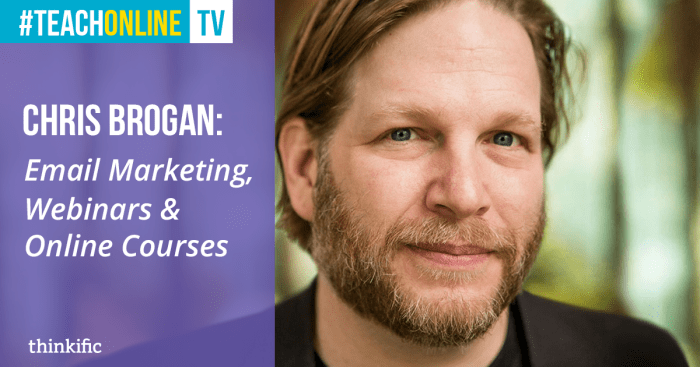
Chris brogan is a genius and you can be one too – Chris Brogan is a genius, and you can be one too. This exploration dives deep into Chris Brogan’s communication strategies, revealing the principles behind his success. We’ll examine how he crafts impactful messages, connects with audiences, and builds influential online presences. More importantly, we’ll unpack how you can adopt these strategies to become a more effective communicator, regardless of your background or current skill level.
We’ll dissect Chris Brogan’s methods for building a powerful online presence, from crafting engaging content to leveraging social media effectively. We’ll explore the importance of genuine connections and influence, along with actionable steps to develop your own communication genius. Finally, we’ll examine how to adapt to changing trends and stay relevant in the ever-evolving digital landscape.
Understanding Chris Brogan’s Approach
Chris Brogan, a renowned social media strategist and communicator, has carved a unique path to success by emphasizing authenticity, engagement, and a genuine desire to connect with others. His approach transcends the typical “sales pitch” model, focusing instead on building relationships and providing value. This philosophy, combined with his sharp wit and insightful observations, has resonated deeply with audiences worldwide.His core principles revolve around the belief that genuine connections are the bedrock of any successful endeavor, whether it’s building a personal brand or fostering a thriving business.
This philosophy manifests in his communication style, which is both engaging and informative. He understands the importance of clear and concise messaging, delivered with a touch of humor and a healthy dose of personality.
Chris Brogan’s Core Principles and Strategies
Chris Brogan’s core principles are rooted in understanding that social media isn’t just about broadcasting messages; it’s about fostering genuine connections. His strategies emphasize proactive engagement, thoughtful responses, and a consistent effort to provide value to his audience. He believes that building a community requires active participation, and he models this behavior through his own social media presence.
Examples of Chris Brogan’s Application
Brogan consistently demonstrates his principles through his blog posts, tweets, and public speaking engagements. He often shares insightful anecdotes and real-world examples to illustrate his points, making his content relatable and memorable. For instance, in his blog posts, he frequently delves into the nuances of social media strategy, offering actionable tips and practical advice for individuals and businesses alike.
His Twitter feed is a constant stream of engaging commentary, insightful observations, and thought-provoking questions, fostering a sense of community and intellectual exchange. His keynote speeches often weave together personal anecdotes with data-driven strategies, creating a powerful and impactful presentation.
Impact of Communication Style on Audience
Brogan’s communication style is characterized by a blend of humor, wit, and genuine enthusiasm. This approach resonates with audiences on a deeper level, fostering a sense of connection and mutual respect. His ability to translate complex concepts into relatable and easily digestible information is a key element of his success. He employs storytelling effectively to illustrate his points, making them more memorable and impactful.
His willingness to be vulnerable and share personal experiences creates a sense of trust and authenticity, further strengthening the bonds he forms with his audience.
Chris Brogan is a marketing mastermind, and honestly, anyone can develop those sharp insights. Want to supercharge your online presence and boost your SEO game? Choosing the right CMS is key, and exploring the best options for SEO, like those detailed in this guide on best cms for seo , can help you do just that. Ultimately, with the right tools and strategies, you can be as brilliant as Brogan in your own field.
Key Takeaways from Public Speaking Engagements
Brogan’s public speaking engagements consistently deliver actionable insights. He often emphasizes the importance of authenticity and the value of community building. His presentations frequently offer practical tips for individuals and businesses looking to improve their online presence and social media engagement. Key takeaways often include the importance of understanding your audience, tailoring your message accordingly, and consistently delivering value.
His speeches highlight the significance of staying true to oneself while connecting with others on a deeper level.
Comparison to Other Successful Communicators
While other successful communicators like Gary Vaynerchuk or Seth Godin focus on similar principles of engagement and value creation, Brogan’s approach leans more heavily on authenticity and a focus on building genuine relationships. He emphasizes the human element in a way that often sets him apart. Brogan’s emphasis on community building and relationship-building resonates across various audiences, from seasoned entrepreneurs to individuals just starting their online journeys.
Common Threads Connecting Brogan’s Successes
The common threads connecting Chris Brogan’s successes revolve around his unwavering commitment to providing value, fostering authentic connections, and leveraging the power of community. He demonstrates that by focusing on building relationships and delivering insightful content, it’s possible to cultivate a loyal and engaged audience. His ability to connect with people on a personal level and provide actionable advice has proven to be a potent combination.
Developing Your Own Genius
Becoming a communication genius, like Chris Brogan, isn’t about some inherent gift; it’s about cultivating specific traits and honing your skills. It’s a journey of consistent learning, adaptation, and a genuine desire to connect with others. This approach, similar to Brogan’s, emphasizes understanding your audience, crafting compelling narratives, and engaging in authentic conversations.This exploration delves into the key characteristics of communicative genius, outlining a framework for developing these abilities, and providing actionable steps to enhance your communication effectiveness across various platforms, mirroring Brogan’s adaptable style.
Defining Communication Genius
A communication genius isn’t just about eloquence or charisma; it’s a blend of several key attributes. These include a deep understanding of your audience, the ability to adapt your message to different contexts, and a proactive approach to building relationships. They are highly effective storytellers, able to connect with people on an emotional level, and consistently learn and evolve.
They are also resilient, embracing feedback, and continually refining their craft.
A Framework for Developing Communication Skills
This framework focuses on building upon existing strengths and actively developing weaknesses. It’s crucial to recognize that communication is a multifaceted skill. It encompasses writing, public speaking, networking, and more. The key is to understand the nuances of each context and adapt your approach accordingly. This is precisely how Chris Brogan has achieved his success.
Actionable Steps for Improvement
To effectively develop your communication skills, consider these practical steps:
- Audience Awareness: Thoroughly research your target audience. Understand their needs, interests, and communication preferences. This allows you to tailor your message to resonate effectively.
- Active Listening: Pay close attention to what others say. Listen not just to understand their words, but also to grasp their underlying emotions and perspectives. This fosters empathy and builds stronger connections.
- Clear and Concise Communication: Focus on delivering your message with clarity and conciseness. Avoid jargon and unnecessary complexity. Simplicity is key to making your message accessible and memorable.
- Storytelling: Learn to weave compelling narratives that engage your audience on an emotional level. Use anecdotes, examples, and relatable experiences to connect with people on a deeper level.
- Adaptability: Recognize that communication styles differ across contexts (e.g., writing an email versus presenting to a large group). Adapt your style to ensure your message is received effectively in each situation.
Adapting Principles to Different Contexts
This adaptable approach is vital for success. Communication in various contexts demands unique strategies.
- Writing: Craft clear, concise, and engaging content that caters to your target audience. Employ storytelling techniques to keep readers interested and encourage interaction.
- Public Speaking: Practice your delivery and adapt your language to the environment. Maintain eye contact and use gestures to connect with your audience. Ensure your message is dynamic and engaging.
- Networking: Focus on building genuine relationships. Ask insightful questions, listen actively, and offer value to the conversation. Be authentic and present yourself with confidence.
Resources for Further Learning
- Books: “Never Split the Difference” by Chris Voss, “Made to Stick” by Chip Heath and Dan Heath, “Influence” by Robert Cialdini
- Online Courses: Numerous platforms offer courses on communication skills, public speaking, and writing.
- Podcasts: Seek out podcasts hosted by communication experts, journalists, and successful business leaders.
- Workshops and Seminars: Consider attending workshops and seminars focusing on communication techniques and best practices.
Building a Strong Online Presence
A strong online presence is no longer a luxury, but a necessity for anyone seeking to establish credibility, build a personal brand, and connect with a wider audience. It’s the digital equivalent of a well-crafted business card, but far more dynamic and capable of fostering genuine relationships. This section delves into a structured approach for building a powerful online persona, drawing inspiration from Chris Brogan’s principles.A compelling online presence isn’t just about having a website or social media accounts.
It’s about consistently delivering valuable content, actively engaging with your audience, and fostering genuine connections. It’s a journey of continuous learning and adaptation. The key is to understand your target audience, tailor your content to their needs, and build a community around your brand.
Crafting a Personal Brand
Establishing a strong personal brand online is a strategic process. It involves defining your unique value proposition, understanding your target audience, and crafting a consistent message across all platforms. Your brand should reflect your expertise, passions, and values, resonating with your ideal audience. This isn’t about creating a persona, but about authentically representing your unique qualities. A well-defined brand will make it easier to attract like-minded individuals and establish trust.
Content Strategy for Attraction and Engagement
A robust content strategy is the backbone of a successful online presence. It’s about creating valuable content that resonates with your target audience, prompting engagement and fostering loyalty. This includes blog posts, articles, videos, podcasts, and social media updates. Each piece of content should add value to the lives of your audience, and demonstrate your expertise. This strategy must be aligned with your overall brand goals.
By focusing on the needs of your target audience, you can attract and engage them more effectively.
Platform Selection for Optimal Reach
Choosing the right online platforms is crucial for maximizing your reach and engagement. Consider your target audience and where they spend their time online. Platforms like LinkedIn are ideal for professionals, while Instagram might be better suited for visually-driven brands. A well-researched strategy identifies which platforms align best with your brand’s message and audience. A well-chosen platform will allow your message to reach the most receptive audience.
Consistent Content Creation and Distribution
Consistency is key to building a strong online presence. Establish a content calendar to schedule posts and ensure regular updates. Tools like Buffer or Hootsuite can help streamline this process. Remember that quality over quantity is paramount. Regular, high-quality content builds trust and authority.
Focus on creating engaging and informative content, tailored to your target audience’s interests and needs.
Effective Social Media Network Building
Social media is a powerful tool for building your network and engaging with your audience. Actively participate in relevant conversations, respond to comments and messages promptly, and share other people’s content. This fosters a sense of community and shows that you value engagement. Building relationships on social media is about more than just broadcasting your own message.
It’s about engaging with others, learning from them, and participating in meaningful conversations.
The Power of Connection and Influence
Connecting with others is fundamental to success in any field, especially in the online world. Building genuine relationships, fostering trust, and understanding diverse perspectives are crucial for effective communication and collaboration. Influence, in its most authentic form, emerges from shared values, mutual respect, and a genuine desire to help others. This section explores the vital role of connection and influence, offering strategies for building a powerful online presence through collaboration and partnership.Understanding that influence isn’t about control but about enabling others to succeed is key to building authentic relationships.
It’s about shared growth and mutual benefit, not about dominating the conversation. This approach, deeply rooted in Chris Brogan’s philosophy, centers on empathy, active listening, and a willingness to learn from others.
Building Genuine Connections
Genuine connections are the bedrock of influence. They are built on trust, respect, and shared interests. Active listening, empathy, and a willingness to understand diverse perspectives are paramount. Engaging in meaningful conversations, providing value without expecting immediate reciprocation, and being genuinely interested in others’ success are critical components of fostering genuine connections. This approach goes beyond surface-level interactions and cultivates deeper, more meaningful relationships.
Cultivating Authentic Influence
Influence isn’t about imposing your views on others but about understanding their needs and helping them achieve their goals. Authentic influence is earned through consistent value creation, reliability, and a genuine commitment to supporting others’ success. It’s about offering insightful perspectives, providing helpful resources, and being a trustworthy source of information. This approach, deeply rooted in Chris Brogan’s principles, recognizes the importance of contributing to the community rather than simply promoting oneself.
Chris Brogan is a marketing mastermind, and honestly, so can you! Want to unlock the secrets to growing your firm online? Check out this insightful infographic, infographic how online marketing techniques grow your firm , for a visual guide on effective online strategies. It’s packed with actionable tips to boost your business. Ultimately, understanding these techniques is key to becoming a marketing genius like Chris Brogan.
Strategies for Collaboration and Partnerships
Collaboration and partnership are vital components of expanding influence and reaching a wider audience. Identifying individuals and organizations with complementary skills and goals is a critical first step. Joint projects, co-hosted events, guest appearances, and shared resources can significantly amplify reach and impact. It’s important to define clear roles, responsibilities, and expectations from the outset. This transparency fosters trust and ensures the collaboration is mutually beneficial.
Examples of successful partnerships often arise from a shared vision and a willingness to learn from each other.
Pitfalls to Avoid When Seeking Influence
Manipulating others, promoting false promises, and engaging in self-serving tactics are detrimental to genuine influence. These practices erode trust and damage reputation. Being overly focused on personal gain at the expense of others’ needs can lead to isolation and alienation. Instead, focus on providing value, building relationships, and collaborating with others on projects that benefit everyone involved.
Avoid seeking influence for personal gain and prioritize genuine contribution to the community.
Examples of Successful Collaborations
Numerous examples demonstrate the power of collaboration. Chris Brogan himself has collaborated with numerous authors, speakers, and organizations on joint ventures, podcasts, and conferences, showcasing how a collaborative approach can expand reach and impact. For instance, partnerships between marketing agencies and educational institutions often create valuable resources and learning opportunities for the wider community. Successful collaborations are often characterized by mutual respect, shared values, and a commitment to shared goals.
These collaborations often lead to mutually beneficial outcomes and increased reach for all involved.
Chris Brogan’s a marketing mastermind, and you can learn to think like one too. Understanding how to effectively track conversions in Google Analytics is key to that, and a great place to start. Learning how to track conversions Google Analytics will help you see what’s working and what’s not, allowing you to fine-tune your strategy and ultimately become more successful in your marketing efforts.
Just like Chris Brogan, you can be a genius in your own right!
Content Creation and Dissemination
Chris Brogan’s success hinges on his ability to connect with audiences through compelling content. His approach is not just about sharing information; it’s about fostering genuine conversations and building relationships. This section dives deeper into the methods Brogan uses to craft and distribute content, highlighting strategies that can be replicated to create a similar impact.Understanding how Brogan disseminates his content is key to developing a similar approach.
It’s not about simply churning out posts; it’s about creating content that resonates, builds relationships, and drives meaningful engagement. This involves a strategic approach to content format, distribution, and storytelling.
Content Formats to Emulate Brogan’s Style
Chris Brogan utilizes a diverse range of content formats. This adaptability allows him to reach a wider audience and engage them in different ways. Employing various formats is crucial for keeping your content fresh and interesting.
- Blog Posts: In-depth articles that explore specific topics in detail. Brogan often weaves in personal anecdotes, industry insights, and thought-provoking questions to keep readers engaged.
- Videos: Short, engaging videos can be incredibly effective for explaining complex ideas or showcasing personal experiences in a visually compelling manner. These can range from quick tips to longer discussions.
- Infographics: Visual representations of data and information can make complex topics easier to understand and share. Brogan often incorporates infographics to illustrate key points.
- Podcasts: Podcasts offer a great platform for in-depth conversations and interviews, allowing for a more personal connection with the audience. They are ideal for exploring complex ideas or providing detailed insights.
- Social Media Posts: Short, engaging updates, and compelling visuals that capture attention and spark conversation are essential for maintaining an active social media presence.
Crafting Engaging and Informative Content
Creating content that resonates with your audience is crucial for success. A structured approach is essential to ensuring that your content is both informative and engaging.
- Define Your Niche: Identify your area of expertise and tailor your content to address the specific needs and interests of your target audience. This helps you create relevant and valuable content.
- Research: Understand the s your target audience is searching for. This enables you to optimize your content for search engines and ensure it’s easily discoverable.
- Provide Value: Focus on providing actionable insights, practical advice, and helpful information. Avoid fluff and ensure that every piece of content contributes something meaningful.
- Tell a Story: Incorporating personal anecdotes, real-life examples, and compelling narratives can make your content more relatable and memorable. Stories can create a stronger emotional connection with the reader.
Methods for Promoting Your Content
Effective promotion is vital for reaching a wider audience. A variety of strategies can be employed to increase visibility and engagement.
- Social Media Marketing: Leverage social media platforms to share your content, engage with your audience, and build relationships. Use relevant hashtags and engage in conversations to boost visibility.
- Email Marketing: Build an email list and nurture relationships with subscribers by sharing valuable content and updates. This helps establish a direct channel for communication.
- Guest Blogging: Contributing articles to other relevant blogs allows you to reach a new audience and establish your expertise in the field. This also provides exposure to a larger audience.
- Paid Advertising: Consider using paid advertising on platforms like Google Ads or social media to promote your content to a targeted audience. This can be highly effective for specific campaigns.
Storytelling to Enhance Engagement
Stories have a powerful ability to captivate audiences. This is especially effective in content creation.

“Stories are powerful tools for conveying complex ideas and building relationships.”
Using storytelling can make your content more memorable and relatable, enhancing engagement. Personal anecdotes, case studies, or narratives related to your topic can create a stronger emotional connection with the audience.
Tools and Techniques for Content Distribution
Various tools and techniques are available to distribute content effectively. This allows for reaching a wider audience and optimizing the impact of your content.
- Content Management Systems (CMS): Tools like WordPress allow for easy creation, organization, and publishing of content. They provide a robust platform for managing your website and content.
- Social Media Scheduling Tools: Tools like Buffer or Hootsuite allow for scheduling posts and managing multiple social media accounts efficiently. This streamlines your social media presence and allows you to plan your content in advance.
- Email Marketing Platforms: Tools like Mailchimp or Constant Contact help you manage email lists, create engaging email campaigns, and track results. These tools are vital for email marketing strategies.
- Analytics Tools: Tools like Google Analytics provide insights into how your audience interacts with your content. This data is invaluable for optimizing your content and improving its effectiveness.
Adapting to Change and Staying Relevant

Staying relevant in today’s rapidly evolving digital landscape requires a proactive and adaptable mindset. The communication channels, platforms, and trends are constantly shifting. Successful individuals understand that embracing change, continuous learning, and a proactive approach to staying current are key to maintaining their influence and value. This section delves into strategies for adapting to these shifts.
Evolving Trends in Communication
The digital world is in constant flux. From the rise of short-form video platforms to the integration of AI tools into content creation, communicators need to be agile and observant. Recognizing these emerging trends and adapting your strategies accordingly is crucial for maintaining engagement and impact. This includes understanding the nuances of different platforms and tailoring your message to resonate with their specific audiences.
Strategies for Staying Relevant
Staying relevant in the digital age involves more than just keeping up; it demands anticipating and incorporating new trends. One effective strategy is to actively participate in online communities and forums related to your field. This allows you to stay abreast of discussions, emerging ideas, and evolving needs. Additionally, experimenting with new technologies and platforms can provide valuable insights into what resonates with audiences.
It’s about not just consuming information, but actively engaging and experimenting.
Importance of Continuous Learning and Skill Development
Continuous learning is essential for staying ahead of the curve. This involves not just absorbing new information but actively applying it to your work. The digital world is a constantly evolving space, so staying informed through workshops, courses, or online resources is crucial. This proactive approach ensures that your skills remain sharp and your knowledge base remains comprehensive.
Continuous learning is a necessity, not a luxury, in today’s dynamic environment.
Staying Current with Industry Trends and Best Practices
Regularly reviewing industry publications, attending webinars, and engaging with thought leaders are effective ways to stay updated on best practices and emerging trends. By actively seeking out and absorbing this knowledge, you can ensure your strategies remain effective and efficient. Following key influencers and industry leaders can offer valuable insights into adapting to changes in the field. The digital landscape is a vibrant ecosystem; staying current is a proactive choice.
Examples of Individuals Who Have Successfully Adapted to Change
Many successful figures in the digital space have demonstrated remarkable adaptability. For instance, Gary Vaynerchuk’s early adoption of social media and subsequent pivots to new platforms showcase a remarkable ability to adapt and evolve. Similarly, individuals like Seth Godin, through consistent innovation and embracing emerging technologies, have consistently maintained their influence. These examples highlight the importance of recognizing and embracing the evolution of communication tools and platforms.
Structuring Content for Understanding
Crafting compelling content isn’t just about the ideas; it’s about how those ideas are presented. Effective structuring makes information digestible, memorable, and impactful, whether it’s a blog post, social media update, email, or presentation. Clear organization helps your audience grasp your message quickly and retain key takeaways.
Blog Post Structure
A well-structured blog post guides readers through a topic logically. Different structures cater to different purposes.
| Structure Type | Description | Example |
|---|---|---|
| Chronological | Events are presented in the order they occurred. | A historical account of a company’s evolution. |
| Problem/Solution | Identifies a problem and proposes a solution. | A blog post explaining how to overcome writer’s block. |
| List-Based | Presents information in a series of numbered or bulleted points. | A “Top 10” list of productivity hacks. |
| Comparative | Compares and contrasts different options or perspectives. | A blog post comparing various social media marketing strategies. |
Social Media Post Structure
Social media demands brevity and engagement. Effective social media posts grab attention quickly and encourage interaction.
| Structure Type | Description | Example |
|---|---|---|
| Question-Answer | Poses a question and provides a concise answer. | “What’s the best way to boost your LinkedIn engagement? Use relevant hashtags!” |
| Headline-Summary | Captures attention with a compelling headline, then summarizes the main point. | “New Study Shows Increased Sales with Interactive Content! Learn how to integrate it.” |
| Announce-Call-to-Action | Announces an event or update, then encourages a specific action. | “Our new webinar is live! Register now for exclusive insights!” |
Email Newsletter Structure
Effective email newsletters maintain reader interest while promoting engagement. A clear structure ensures recipients quickly understand the message.
- Subject Line: A compelling subject line is crucial for opening rates. Use concise, benefit-driven language. For instance, instead of “Marketing Tips,” try “Boost Your Sales with These 3 Simple Marketing Tactics.”
- Greeting: A personalized greeting improves engagement. Use the recipient’s name whenever possible.
- Clear Body: Break down content into digestible sections. Use headings, subheadings, and bullet points to highlight key takeaways. Images and videos enhance readability.
- Call to Action: A clear call to action directs readers to desired actions, whether it’s visiting a website, attending a webinar, or making a purchase.
- Closing: A friendly closing, like “Best regards,” or a signature with your name and contact information adds a personal touch.
Presentation Structure
Presentations should be designed to keep the audience engaged and informed. Effective structuring guides the flow of information.
| Structure Type | Description | Example |
|---|---|---|
| Problem-Solution-Benefit | Introduces a problem, proposes a solution, and emphasizes the benefits. | A presentation on using social media to increase brand awareness. |
| Chronological | Presents information in a sequential order. | A presentation outlining the history of a company’s growth. |
| Cause-and-Effect | Demonstrates the relationship between causes and their effects. | A presentation on the impact of social media on consumer behavior. |
Highlighting Key Takeaways
Summarizing key takeaways reinforces learning and promotes retention. A well-organized presentation of key points enhances the impact of the content.
- Bullet Points: Use bullet points to highlight essential ideas, making them stand out.
- Visual Aids: Incorporate visuals like charts, graphs, and images to visually represent key takeaways.
- Conclusion: A concise conclusion reiterates the main points, leaving a lasting impression.
- Q&A Session: A dedicated Q&A session allows the audience to clarify doubts and reinforces understanding.
Illustrating Concepts and Ideas: Chris Brogan Is A Genius And You Can Be One Too
Visuals are the secret sauce to unlocking understanding and engagement. In today’s information-saturated world, grabbing attention and effectively communicating complex ideas demands more than just words. Images, graphics, and other visual elements can significantly enhance comprehension and leave a lasting impact. This section explores how to use visuals strategically to clarify your message, connect with your audience, and drive home key takeaways.Effective communication often relies on the power of visuals.
Whether it’s a presentation, a blog post, or social media content, visuals can help break down complex ideas into digestible pieces, making them more memorable and relatable for your audience. The key is selecting visuals that complement your message and resonate with your target audience.
Visual Examples for Enhanced Communication
Visual aids can transform abstract concepts into tangible realities. Consider the difference between reading about the rise and fall of a company and seeing a compelling chart illustrating its revenue fluctuations. A simple bar graph or line chart can quickly convey trends and insights, avoiding the need for lengthy paragraphs of text. Similarly, an infographic can break down a complicated process or data set into easily digestible chunks, while an image of a specific product or situation can illustrate the application of a concept in a real-world scenario.
Using Visuals in Presentations
Presentations benefit immensely from strategically placed visuals. Instead of dense text-heavy slides, incorporate compelling images, icons, or diagrams. High-quality images that directly relate to the points you’re making create a more engaging and memorable presentation. Avoid cluttered slides; aim for clear visuals that support your message, not distract from it. Visuals should amplify your points, not replace them.
Visuals for Articles and Blog Posts
In written content, visuals serve as powerful aids to comprehension and engagement. Use high-quality images, screenshots, or illustrations that directly support the points you’re making. A well-chosen image can capture the reader’s attention and make your article more visually appealing. Consider using a variety of visual formats, such as infographics, diagrams, or even simple icons, to break up text blocks and maintain reader interest.
Conveying Complex Ideas Visually
Complex ideas, like the intricate workings of a specific algorithm or the nuances of a particular financial model, can be challenging to convey effectively through text alone. Visual representations can make these concepts accessible and understandable. Diagrams, flowcharts, and illustrations can unpack intricate processes, showing cause and effect relationships in a clear and concise manner. A simple flowchart, for instance, can illustrate a multi-step process, making it easy for the reader to grasp the steps involved.
Selecting Appropriate Visuals for the Intended Audience, Chris brogan is a genius and you can be one too
The effectiveness of visuals depends heavily on the audience you’re targeting. If you’re writing for a technical audience, use precise diagrams and charts that showcase detailed information. For a broader audience, use simpler visuals that communicate the key message clearly and concisely. Consider the audience’s interests, knowledge level, and expectations when selecting visuals. For example, a humorous graphic might resonate well with a younger audience, whereas a data-driven chart might be more effective for a business audience.
Ultimate Conclusion

In conclusion, mastering communication is a journey, not a destination. This exploration of Chris Brogan’s approach empowers you to understand and apply the strategies that drive success in the modern digital world. By incorporating his core principles and adapting them to your own communication style, you can unlock your potential and become a more effective communicator. Embrace the journey, and remember that genius isn’t just about innate talent; it’s about continuous learning and strategic application of knowledge.