
Creating better websites for a e c firms – Creating better websites for e-commerce firms is crucial for success in today’s digital marketplace. This comprehensive guide delves into the essential design elements, product presentation strategies, and user-centric approaches needed to build robust and engaging online stores. From intuitive navigation and high-quality visuals to seamless checkout processes and effective customer support, we’ll explore each vital aspect to optimize your e-commerce platform.
We’ll examine how to showcase products effectively using features like zoom and 360-degree views, compelling descriptions, and user-friendly filters. The guide also covers integrating marketing strategies, optimizing for mobile, and ensuring website security and accessibility to create a truly exceptional online shopping experience. This detailed approach provides actionable insights to help businesses succeed in the competitive online landscape.
Website Design Considerations for E-commerce Firms
Creating a successful online store requires more than just a functional website; it demands a meticulously crafted user experience that encourages browsing, purchasing, and repeat visits. A well-designed e-commerce website can significantly impact sales and brand perception, while a poorly designed one can deter customers and damage profitability. This guide explores crucial design elements that drive user engagement and boost conversions for online businesses.A user-centric approach is fundamental to e-commerce success.
Understanding customer needs, behaviors, and preferences is essential to creating a website that intuitively guides them through the shopping journey, from product discovery to checkout. This approach ensures a positive and seamless experience that fosters trust and encourages repeat business.
Key Design Elements for Enhanced User Experience
Effective e-commerce design prioritizes intuitive navigation, clear product presentation, and a seamless checkout process. Visual appeal, combined with clear and concise information, are key factors in influencing purchase decisions. The overall aesthetic should reflect the brand identity and resonate with the target audience.
Website Layouts for Different Product Categories
The layout of an e-commerce website should adapt to the specific product category. For clothing retailers, a visually appealing presentation with high-quality images and detailed product descriptions is crucial. Electronic stores benefit from detailed specifications, comparison charts, and user reviews. Home goods websites can utilize lifestyle imagery to showcase products in context. A well-organized product catalog, including filters and sorting options, enhances the user’s browsing experience.
Mobile Responsiveness and Conversion Impact
Mobile responsiveness is no longer a desirable feature; it’s a necessity. A significant portion of online shopping occurs on mobile devices. A website that adapts seamlessly to different screen sizes and orientations is critical for capturing mobile users. A responsive design not only improves the user experience but also significantly impacts conversion rates by providing a consistent and convenient shopping experience across all devices.
Mobile-optimized websites improve user engagement and ultimately contribute to a higher conversion rate.
Comparison of Website Navigation Systems
| Navigation System | Pros | Cons |
|---|---|---|
| Hierarchical Navigation | Easy to understand, organized structure, clear categorization. | Can be limiting for complex product categories, potentially less intuitive for users familiar with alternative systems. |
| Flat Navigation | Simple, straightforward, easy to scan. | Less organized, potentially overwhelming for users, may be less effective for extensive product catalogs. |
| Menu-Based Navigation | Allows for multiple categories and subcategories. | Can become cluttered if not managed effectively. |
| Search-Based Navigation | Quick access to specific products, effective for users who know what they want. | May not be effective for users exploring categories or browsing. |
Different navigation systems cater to diverse user needs and preferences. The optimal choice depends on the complexity of the product catalog and the desired user experience.
High-Quality Product Images and Videos
High-quality images and videos are crucial for showcasing products effectively. Clear, well-lit images and videos that highlight product features and details are essential for building trust and encouraging purchases. Images should be large enough to be viewed easily, and videos should provide a more immersive experience. Use professional photography or videography to present products in the best possible light.
Website Loading Speed Optimization
Website loading speed is directly related to user engagement. Slow-loading pages can lead to high bounce rates and reduced conversions. Optimizing images, minifying code, and utilizing caching strategies are essential for improving loading speed. A faster website not only enhances the user experience but also contributes to better search engine rankings.
Security and Trustworthiness in E-commerce
Building a secure and trustworthy online store is paramount. Implementing robust security measures, such as SSL certificates, secure payment gateways, and data encryption, is essential. Transparency in policies, including return policies, privacy statements, and shipping information, fosters customer trust. Positive reviews and testimonials are valuable assets in building credibility and reassurance for prospective customers.
Product Presentation and Information
A crucial aspect of any e-commerce website is how effectively it presents products to potential customers. This involves more than just listing items; it requires a comprehensive approach to visual appeal, detailed information, and persuasive communication. Well-designed product pages significantly impact sales conversions, influencing customer decisions and ultimately driving revenue.Effective product presentation fosters trust and encourages purchase decisions.
Clear, high-quality images, detailed descriptions, and customer reviews all contribute to a positive shopping experience, leading to higher conversion rates.
Product Showcase Methods
Product presentation goes beyond simple images. Employing various methods enhances the customer’s interaction and understanding of the product. Different visual tools offer a richer experience and often lead to more confident purchasing decisions.
| Method | Description | Benefits |
|---|---|---|
| Zoom Features | Allowing users to magnify specific areas of a product image. | Provides detailed views of textures, materials, or intricate design elements. |
| 360-Degree Views | Rotating images allowing a complete view of the product from all angles. | Gives customers a holistic understanding of the product’s shape and form. |
| Multiple Images | Presenting various product angles and perspectives. | Enhances visual appeal and offers multiple ways to consider the product. |
| High-Quality Images | Using professional, well-lit images that showcase the product’s features. | Creates a professional and trustworthy image for the brand. |
Compelling Product Descriptions
A compelling product description is essential for converting visitors into customers. It should go beyond basic features and highlight the product’s benefits and unique selling points.A strong product description should paint a picture for the customer, emphasizing the emotional connection they can have with the product. Use evocative language and highlight the value proposition. Avoid jargon and use clear, concise language that resonates with the target audience.
For example, instead of saying “durable construction,” consider “built to last a lifetime.”
Product Filters and Search
Implementing effective product filters and search functionalities significantly enhances the customer experience. It allows customers to quickly locate the products they’re looking for, streamlining the browsing process.
Creating better websites for e-commerce firms often hinges on user engagement. A key element is responding promptly to user feedback, and that includes notifying users when their comments are approved. This is crucial for building trust and fostering a sense of community, which can significantly impact sales. For example, check out this helpful guide on how to notify users when their comment is approved in WordPress: how to notify users when their comment is approved in wordpress.
Ultimately, these small details contribute significantly to creating a positive user experience, directly impacting the overall success of your e-commerce site.
- Category Filters: Allow customers to narrow down their search by product category, brand, or color. This simplifies the process for finding specific products. For example, a clothing website might offer filters for “T-shirts,” “Jeans,” and “Dresses.”
- Price Filters: Enable users to filter products based on price range, making it easy to find items within a specific budget. This is especially helpful for budget-conscious shoppers. For example, a filter for “under $50” or “between $50-$100”.
- Size/Color Filters: For products like clothing or accessories, filters by size and color are crucial for accurate selection. This prevents order errors and customer dissatisfaction. For example, a shoe store might offer filters for “size 10,” “color black,” and “material leather.”
- Advanced Search: Allow users to search for products using specific s or attributes. This enhances the search experience by allowing customers to find exactly what they are looking for, even if it’s not a specific category. For instance, if someone wants a red laptop with 16GB of RAM, they should be able to find it with an advanced search.
User Reviews and Ratings
User reviews and ratings are vital for building trust and credibility on an e-commerce site. They provide social proof and allow customers to make informed decisions.Customer testimonials are powerful tools. Displaying reviews and ratings prominently on product pages can enhance trust and confidence in the product. Authenticity is key; encourage genuine reviews and moderate them to maintain a positive shopping experience.
Pricing Strategies, Creating better websites for a e c firms
Different pricing strategies can significantly impact sales conversions. A carefully considered pricing strategy is essential to optimizing revenue.
- Competitive Pricing: Setting prices in line with competitors. This is a common strategy, and it can be effective in a saturated market.
- Value-Based Pricing: Highlighting the value proposition of the product and pricing accordingly. This strategy focuses on the perceived value of the product for the customer.
- Dynamic Pricing: Adjusting prices based on demand and other factors. This strategy can be beneficial for items with fluctuating demand.
Calls-to-Action (CTAs)
Clear and concise calls-to-action (CTAs) are essential for guiding customers toward the desired action. They should be strategically placed on product pages.CTAs should be prominent, easy to understand, and visually appealing. Use strong action verbs like “Buy Now,” “Add to Cart,” or “Learn More.”
Shopping Cart and Checkout Processes: Creating Better Websites For A E C Firms
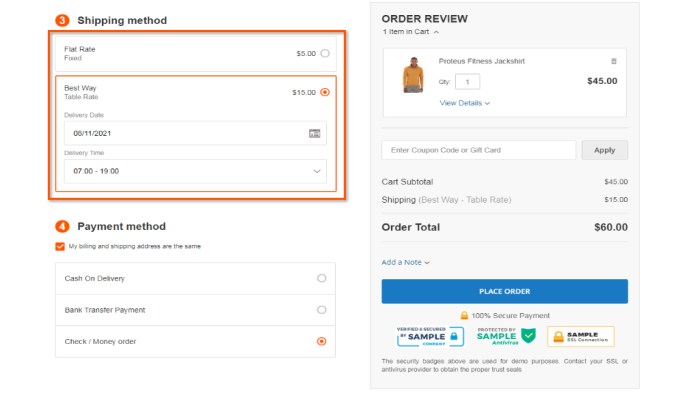
The shopping cart and checkout process are the final steps in the customer journey, directly impacting conversions and customer satisfaction. A seamless and intuitive experience is paramount to driving sales and fostering repeat business. A poorly designed checkout can lead to abandoned carts and lost revenue. This section delves into best practices for creating a smooth, secure, and efficient checkout experience for your e-commerce firm.A well-designed shopping cart and checkout process acts as the bridge between browsing and purchasing.
Creating better websites for e-commerce firms often hinges on engaging content. Knowing how often to publish blog posts is crucial for keeping your site fresh and relevant to your audience. Consider the frequency suggested in this helpful guide on how often you should really write blogs , but ultimately, quality over quantity reigns supreme. Consistent, well-written content will ultimately contribute more to a strong online presence for your e-commerce business.
It must be user-friendly, providing clear and concise information at every stage, from adding items to confirming the order. The checkout process should be straightforward, reducing friction and increasing the likelihood of successful conversions.
Shopping Cart Design Best Practices
A user-friendly shopping cart is crucial for a positive customer experience. It should allow for easy item modification, quantity changes, and removal. Clear visual cues and concise descriptions help customers manage their carts efficiently. A prominent “Update Cart” button and a clear summary of the total cost, including applicable taxes and shipping, are essential elements. Real-time updates as items are added or removed are also crucial.
Order Summary Presentation
The order summary should be presented clearly and concisely, displaying all relevant information in an easily readable format. Use a well-structured table or a visually appealing layout to present the order details, including items, quantities, prices, taxes, shipping costs, and the grand total. Highlighting important information, like discounts or coupons, enhances the user experience. Ensure the summary is accessible and easy to navigate across different screen sizes.
Payment Gateway Integration Options
Integrating secure payment gateways is critical for e-commerce businesses. Different options offer varying benefits and drawbacks. Some common options include PayPal, Stripe, Square, and various bank transfer methods.
| Payment Gateway | Pros | Cons |
|---|---|---|
| PayPal | Widely recognized, secure, and user-friendly for customers. | Potential transaction fees, might not be suitable for all businesses. |
| Stripe | Robust API, flexible payment options, and suitable for businesses of various sizes. | Requires technical expertise for integration. |
| Square | Ease of setup and use, particularly for small businesses. | Might have limitations for complex transactions. |
| Bank Transfer | Cost-effective for some customers. | Slower processing times and potentially more complex for the business to manage. |
Secure Checkout Process Elements
Security is paramount in e-commerce. A secure checkout process must employ encryption to protect sensitive customer data. Verify the use of HTTPS (Hyper Text Transfer Protocol Secure), a standard for secure communication over the internet. Clearly communicate security measures to build trust with customers. Employ strong password policies and regularly update security protocols.
Implement measures to prevent fraud and ensure that customer information is stored and transmitted securely.
Checkout Process Optimization
Optimizing the checkout process for speed and ease of use is crucial for maximizing conversions. Reduce the number of steps required to complete the purchase. Use a progress bar to provide a clear indication of the checkout process’s status. Allow customers to save their shipping and billing addresses for future orders. Ensure that the checkout process is compatible with various devices and browsers.
Order Confirmation and Tracking Systems
Provide clear and concise order confirmation emails containing essential details like order number, items purchased, total cost, and shipping information. A dedicated order tracking system is highly recommended, allowing customers to monitor the status of their deliveries. Real-time tracking updates improve the customer experience.
Shipping Options and Cost Estimations
Offer multiple shipping options with various cost estimations, including standard, expedited, and potentially international shipping. Display shipping costs clearly and provide accurate delivery time estimates. Integrate with shipping carriers to offer real-time tracking and updates. Consider offering different shipping options based on the customer’s location and the order’s size.
Customer Support and Engagement

E-commerce success hinges on more than just a polished website and appealing products. Building strong relationships with customers is crucial for repeat business and positive brand perception. Customer support and engagement strategies are vital for achieving these goals. This section delves into effective methods for providing excellent customer service and fostering a loyal customer base.Customer support is a multifaceted process that extends beyond simply answering questions.
It encompasses proactive communication, addressing concerns promptly, and fostering a sense of community around your brand. A robust support system can transform frustrated customers into loyal advocates.
Customer Support Methods Comparison
Customer support methods should be tailored to specific customer needs and brand identity. Choosing the right channels is paramount to effective communication and resolving issues promptly.
| Method | Pros | Cons | Use Cases |
|---|---|---|---|
| Live Chat | Instantaneous responses, real-time issue resolution, interactive problem-solving | Requires trained agents, potential for technical issues, may not be suitable for complex issues | Urgent queries, order tracking, quick product information |
| Detailed communication, documented history, suitable for complex issues, 24/7 availability | Slower response times, less immediate interaction, potential for missed messages | Detailed inquiries, returns/exchanges, support for specific products | |
| FAQs (Frequently Asked Questions) | Self-service option, readily available information, cost-effective, 24/7 access | Limited scope, may not address all customer needs, can become outdated | Basic product information, order status, common shipping questions |
Building an Effective FAQ Section
A well-structured FAQ section is a powerful tool for providing instant answers to common customer questions. It empowers customers to resolve issues independently, freeing up support agents for more complex problems.A comprehensive FAQ section should include clear, concise, and accurate answers. It should be easily searchable, categorized logically, and regularly updated to reflect current product information. Examples of effective FAQs include:
- Shipping and Returns: Detailed policies, estimated delivery times, return procedures.
- Product Information: Material composition, care instructions, size guides.
- Account Management: Password resets, account updates, order history access.
Encouraging Customer Reviews and Testimonials
Customer reviews and testimonials provide social proof, building trust and credibility. They are valuable tools for attracting new customers and improving your product offerings.Encourage reviews by sending automated emails after purchase, offering incentives for reviews, and prominently displaying review sections on product pages. Positive reviews and testimonials build trust with potential customers, making them more likely to purchase from you.

Reviews also offer insights into areas for improvement in your products and services.
Implementing a Loyalty Program
Loyalty programs reward repeat customers, fostering brand loyalty and encouraging repeat purchases.A well-designed loyalty program can offer tiered rewards, exclusive discounts, and early access to new products. Examples of loyalty program structures include points-based systems, tiered membership levels, or a combination of both. A loyalty program should be designed to retain existing customers and incentivize future purchases.
Creating better websites for e-commerce firms hinges on several key factors, including a strong foundation. Finding the right web host is crucial to ensure smooth performance and reliability. Choosing a host that’s fast, secure, and scalable is essential for a positive user experience. Thankfully, a great resource to help with this is the comprehensive guide on finding a web host to love.
Ultimately, a solid web host forms the bedrock for building a successful e-commerce site.
Personalized Recommendations and Product Suggestions
Personalized recommendations enhance the customer experience and increase sales conversion rates. Use data collected from customer browsing and purchase history to offer tailored product suggestions.Examples of personalized recommendations include suggesting related products based on past purchases, recommending complementary products, or offering products based on browsing history. By offering relevant suggestions, customers are more likely to find products they need and want, enhancing the shopping experience.
Building a Brand Community
Building a brand community creates a sense of belonging and fosters stronger customer relationships. This community can be built through social media groups, forums, or dedicated brand pages.Engaging with customers through social media interactions, answering questions, and fostering a sense of community will build trust and loyalty. A strong brand community can lead to increased brand advocacy, positive word-of-mouth referrals, and increased sales.
Marketing and Promotion Integration
Boosting sales for e-commerce firms hinges on effectively integrating marketing campaigns directly into the website design. A seamless user experience, coupled with strategic promotional elements, can significantly impact conversion rates and customer engagement. A well-planned marketing strategy that resonates with customers can translate into increased revenue and brand loyalty.Integrating marketing into the website design goes beyond just adding a few banners.
It’s about creating a cohesive experience where promotions feel natural and enhance the customer journey, not disrupt it. This approach requires a deep understanding of user behavior and a strategic deployment of various promotional tools.
Social Media Integration Strategies
Social media integration is crucial for e-commerce firms. By incorporating social media feeds, sharing buttons, and live chat options directly into the website, firms can foster a more interactive and engaging experience for visitors. This integration builds trust and strengthens brand presence. For example, displaying recent customer reviews or social media comments on product pages can boost credibility and encourage purchases.
Promotional Banner and Ad Strategies
Promotional banners and ads play a vital role in driving sales. Strategically placed banners highlighting discounts, new arrivals, or limited-time offers can capture attention and incentivize purchases. Effective use of visuals and concise messaging is key to capturing user interest. For instance, a banner showcasing a 20% discount on specific products can significantly boost sales. Banners should be visually appealing, concise, and strategically placed to avoid cluttering the website.
Website Traffic and User Behavior Tracking
Tracking website traffic and user behavior provides valuable insights for optimizing marketing strategies. Tools like Google Analytics allow for detailed analysis of visitor demographics, browsing patterns, and conversion rates. This data enables firms to identify areas of improvement and tailor marketing campaigns accordingly. For example, analyzing which product pages receive the most traffic and why can help prioritize marketing efforts on popular items.
Promotional Offers and Discounts
Offering compelling promotional offers and discounts can significantly impact sales. Examples include seasonal sales, exclusive discounts for newsletter subscribers, free shipping thresholds, and bundled product offers. By implementing these strategies, e-commerce firms can attract customers and increase sales volume. For instance, a “buy one, get one” promotion or a “flash sale” can generate significant interest and drive purchases.
A/B Testing for Conversion Optimization
A/B testing is a powerful tool for optimizing website conversions. By testing different versions of web pages, such as variations in layout, product descriptions, or call-to-action buttons, firms can determine which elements are most effective in driving conversions. This iterative approach enables firms to refine their website design and marketing campaigns for maximum impact. For example, testing different headline options for a product page can reveal which phrasing leads to the highest click-through rates.
Website Security and Accessibility

Building a trustworthy online presence for your e-commerce firm hinges on robust security measures and accessibility features. Ignoring these aspects can lead to significant financial losses, reputational damage, and legal ramifications. A secure and accessible website fosters customer trust, ensures smooth transactions, and demonstrates your commitment to ethical and responsible business practices.
Importance of Website Security Measures
Protecting customer data is paramount. Compromised websites can expose sensitive information like credit card numbers, addresses, and personal details, leading to identity theft and financial fraud. Strong security measures act as a vital shield against cyber threats, protecting both your business and your customers’ interests.
Ensuring Website Accessibility
Designing a website for everyone, including users with disabilities, is crucial for fostering inclusivity and broadening your market reach. Compliance with accessibility guidelines, such as WCAG (Web Content Accessibility Guidelines), guarantees that all users, regardless of their abilities, can navigate and utilize your website effectively. This is not just ethically sound; it’s a practical business strategy that can significantly expand your customer base.
Common Security Vulnerabilities and Mitigation Strategies
Several security vulnerabilities can compromise an e-commerce website. SQL injection attacks, cross-site scripting (XSS), and malware infections are common threats that can lead to data breaches. Implementing robust security measures like input validation, secure coding practices, and regular security audits can significantly mitigate these risks. For example, validating user inputs to prevent malicious code injection is a crucial step in protecting against SQL injection attacks.
Security Certifications and Their Benefits
Various security certifications, like PCI DSS (Payment Card Industry Data Security Standard), demonstrate a commitment to data security and customer protection. PCI DSS, for instance, is a globally recognized standard for handling credit card information, which builds customer confidence and reduces the risk of financial losses. Other certifications, like ISO 27001, further enhance security protocols, ensuring that data protection is a priority throughout the entire business process.
Compliance with Relevant Regulations
Adherence to regulations like GDPR (General Data Protection Regulation) is vital for e-commerce firms operating internationally. GDPR mandates stringent data protection protocols, including obtaining explicit consent for data collection and storage, ensuring transparency about data practices, and providing users with clear rights regarding their data. Non-compliance can lead to substantial fines and reputational damage.
Protecting Customer Payment Information
Protecting customer payment information is critical. Using secure payment gateways, employing encryption protocols (like TLS/SSL), and regularly updating security software are essential for safeguarding sensitive data. Robust encryption is paramount to ensure that credit card details and other financial information are securely transmitted and stored. By implementing these measures, you demonstrate a serious commitment to financial security, boosting customer trust and confidence in your platform.
Closing Summary
In conclusion, building a top-tier e-commerce website requires a multifaceted approach encompassing design, product presentation, checkout efficiency, customer support, marketing integration, and robust security. By addressing each of these critical elements, businesses can cultivate a thriving online presence, driving sales and fostering customer loyalty. We’ve explored the intricacies of crafting a winning e-commerce platform, equipping you with the knowledge and tools to excel in the digital marketplace.