Digital marketing transformation for the professional services sets the stage for a fascinating journey into optimizing online presence and client relationships. This guide dives deep into the strategies, technologies, and metrics necessary for professional services firms to thrive in the digital age. From defining the transformation to measuring its impact, we’ll explore the key elements of success in this dynamic sector.
This exploration will cover everything from crafting effective content marketing strategies to leveraging data analytics for informed decision-making. We’ll examine successful case studies, highlight emerging trends, and discuss the challenges and opportunities that await those embracing digital transformation.
Defining Digital Marketing Transformation for Professional Services
Digital marketing transformation for professional services firms is not just about adopting new tools; it’s a fundamental shift in how they operate, interact with clients, and deliver value. It involves leveraging digital technologies to streamline internal processes, enhance client communication, and ultimately, drive business growth in a competitive landscape. This transformation requires a strategic approach, a deep understanding of the target audience, and a commitment to continuous improvement.
Professional services firms need to move beyond basic website presence and embrace a holistic, data-driven approach to marketing.This transformation goes beyond simply adding social media or a new website. It’s about integrating digital tools and strategies into every facet of the business, from lead generation to client relationship management. This includes a profound understanding of how clients interact with information digitally, and tailoring marketing efforts accordingly.
This proactive shift is crucial for success in the modern marketplace.
Key Characteristics of a Successful Digital Transformation
Successful digital transformation in professional services involves a multifaceted approach. Crucial characteristics include a customer-centric mindset, data-driven decision making, and a commitment to continuous improvement. Firms need to actively listen to client feedback, analyze market trends, and adapt their strategies to remain relevant. Embracing agile methodologies for marketing campaigns is essential, allowing for rapid response and adjustment in a constantly evolving digital environment.
Digital marketing is rapidly transforming how professional services operate, and understanding the nuances of this shift is crucial. For example, a successful cleaning business, whether residential or commercial, needs a robust online presence. A deep dive into strategies like SEO, social media, and targeted advertising, as explored in the residential and commercial cleaning marketing guide, is key.
This knowledge is directly applicable to all professional services, from legal firms to accounting practices, helping them adapt and thrive in the modern digital landscape.
Finally, a robust internal infrastructure is needed to support these changes, including digital literacy training for staff and a culture of innovation.
Core Business Processes Needing Transformation
The core business processes that require transformation encompass several critical areas. These include client onboarding, knowledge management, and relationship management. Digital platforms can streamline onboarding, providing clients with a more efficient and transparent experience. Centralized knowledge repositories enable easier access to valuable information for both clients and staff. Enhanced communication tools facilitate seamless client interactions and nurture strong professional relationships.
Automation of repetitive tasks frees up staff to focus on higher-value activities.
Impact on Client Relationships
Digital transformation profoundly impacts client relationships. The ability to provide clients with 24/7 access to information, tailored communication, and personalized experiences is a key aspect. Digital tools allow for more efficient and transparent communication, leading to greater client satisfaction and trust. Improved responsiveness to client inquiries and the ability to deliver on expectations through digital channels strengthen relationships.
The transparency and accessibility fostered by digital tools builds trust and encourages collaboration.
Role of Data Analytics in Shaping Digital Marketing Strategies
Data analytics plays a critical role in shaping effective digital marketing strategies for professional services firms. Data analysis provides valuable insights into client behavior, preferences, and pain points. By analyzing data from various sources, firms can identify opportunities to personalize marketing messages, tailor service offerings, and ultimately, drive revenue growth. Identifying key trends and patterns in client data allows for more targeted marketing campaigns, optimizing resource allocation and improving ROI.
This approach fosters a more proactive and responsive marketing strategy, ultimately leading to improved client outcomes.
Strategies for Digital Marketing Transformation
Transforming professional services into digital marketing powerhouses requires a multifaceted approach. No longer is a static website sufficient. Firms must leverage digital channels to build brand awareness, nurture leads, and ultimately, drive revenue. This necessitates a strategic shift, moving from traditional methods to engaging online experiences. This includes optimizing online presence, selecting the right digital channels, leveraging content effectively, and mastering search engine optimization.Modern professional services demand a digital-first strategy.
Digital marketing transformation for professional services is all about staying fresh and relevant. Tired of seeing the same old holiday clichés in social ads? Check out these 5 holiday tropes that are too tired to use in social ads, 5 holiday tropes that are too tired to use in social ads to get some new ideas for your campaigns.
Ultimately, adapting your approach to these evolving trends will keep your professional services firm at the forefront of the digital marketing game.
Clients expect a seamless online experience, from initial research to final engagement. A successful digital transformation empowers firms to connect with their target audience on their terms, building trust and demonstrating expertise in a highly competitive landscape.
Optimizing Online Presence
A professional services firm’s online presence is its digital storefront. This extends beyond a website to encompass a comprehensive digital ecosystem. It’s crucial to ensure consistency across all platforms. The website should be user-friendly, mobile-responsive, and clearly articulate the firm’s unique value proposition. High-quality visuals, including professional headshots and compelling imagery, are critical.
Furthermore, the firm should actively manage its online reputation through consistent engagement on social media and proactive responses to reviews. This ensures a polished, trustworthy online identity.
Digital Marketing Channels
Choosing the right digital channels is vital for professional services. Social media platforms like LinkedIn, Twitter, and even Instagram can be powerful tools for thought leadership and connecting with potential clients. Paid advertising, such as targeted LinkedIn campaigns or Google Ads, can be highly effective in reaching specific demographics. Email marketing, when executed properly with tailored messaging, remains a cornerstone of lead nurturing and client communication.
The key is to tailor the channel selection to the specific target audience and business objectives.
Content Marketing Strategies
Content marketing is paramount for attracting and engaging target audiences in professional services. Creating valuable, informative content – such as insightful blog posts, thought leadership articles, and case studies – positions the firm as a trusted advisor. This builds credibility and showcases expertise. A content calendar ensures consistent output and a planned approach to content promotion. Furthermore, effective content should be optimized for search engines, increasing its visibility.
For example, a law firm could create blog posts on relevant legal topics or a consulting firm could share insightful articles on industry trends.
Search Engine Optimization ()
Search engine optimization () is crucial for driving organic traffic to a professional services firm’s website. By optimizing website content and structure for relevant s, firms can improve their search engine rankings. This results in increased visibility to potential clients actively searching for the services offered. Implementing research, optimizing meta descriptions, and creating high-quality backlinks are essential components of a successful strategy.
This ensures that when prospective clients search for related services online, the firm appears prominently in the search results.
Successful Digital Marketing Campaigns
Numerous professional services firms have successfully implemented digital marketing strategies. For example, a tax firm might create a series of informative webinars on tax planning for different business types, increasing their visibility and authority. Another example could be a consulting firm leveraging LinkedIn to publish thought leadership articles on industry trends, attracting potential clients and showcasing their expertise.
The key to these successful campaigns is a well-defined target audience, tailored content, and consistent engagement across all digital channels.
Technology and Tools for Transformation
Professional services firms are increasingly recognizing the need for digital transformation to enhance client engagement, streamline operations, and gain a competitive edge. This transformation hinges on strategically integrating cutting-edge technologies and tools into their marketing strategies. Adopting the right tools can significantly improve customer experience, automate processes, and ultimately drive revenue growth.Modern professional services require a robust digital infrastructure to connect with clients and manage complex projects.
Digital marketing’s evolving for professional services firms, and a key part of that is boosting online presence. A crucial step in this transformation is optimizing your website for social interaction, like adding a Facebook Like button. Knowing how to add this functionality directly impacts your site’s engagement and ultimately your firm’s visibility. For example, you can learn how to add a Facebook Like button in WordPress at this helpful guide: how to add facebook like button in wordpress.
This kind of strategic social media integration is essential for successful digital marketing in the professional services sector.
This involves utilizing technologies that enhance communication, facilitate collaboration, and deliver exceptional client service. Embracing digital marketing tools is not just a trend, but a necessity for firms seeking sustained growth and relevance in today’s market.
Cutting-Edge Technologies
Advanced technologies like AI-powered chatbots, machine learning algorithms, and virtual reality (VR) can revolutionize how professional services firms interact with clients. AI-driven chatbots can provide immediate support, answer common questions, and schedule appointments, freeing up human resources for more complex tasks. Machine learning algorithms can analyze large datasets to identify patterns, predict client needs, and personalize service offerings.
VR can simulate project environments, allowing clients to visualize outcomes and engage more effectively.
CRM Integration Framework
A robust CRM (Customer Relationship Management) system is critical for managing client interactions and ensuring consistent communication. A well-structured framework for integrating CRM with marketing tools allows firms to centralize client data, track interactions, and personalize marketing efforts. This framework should include standardized data entry procedures, automated communication workflows, and dashboards for monitoring key performance indicators (KPIs).
CRM Tools for Professional Services
Several tools provide enhanced CRM capabilities for professional services firms. Salesforce, for example, offers a comprehensive platform that can manage contacts, track deals, and automate sales processes. Other options include HubSpot CRM, which is known for its user-friendly interface and robust marketing automation capabilities. Zoho CRM provides a cost-effective solution with features tailored to the needs of small and medium-sized firms.
These tools help streamline client interactions, improve communication, and ultimately, increase profitability. Specific features include contact management, deal tracking, task automation, and reporting dashboards.
Marketing Automation Tools
Marketing automation tools are essential for streamlining and optimizing marketing campaigns. These tools allow for targeted email campaigns, automated lead nurturing, and dynamic content creation. For instance, HubSpot’s marketing automation platform enables businesses to create automated workflows, segment audiences, and track campaign performance. Marketo provides sophisticated solutions for managing complex marketing campaigns, with features such as personalized email sequences and dynamic content personalization.
These tools allow firms to manage campaigns effectively, ensuring targeted messaging and increased conversion rates.
Digital Marketing Campaign Management Platforms
Platforms like Google Analytics, Hootsuite, and SproutSocial provide valuable insights into campaign performance and social media engagement. Google Analytics tracks website traffic, user behavior, and conversion rates, providing crucial data for optimizing marketing strategies. Hootsuite simplifies social media management by centralizing posts, scheduling content, and monitoring engagement. SproutSocial offers social listening capabilities, enabling firms to understand customer sentiment and tailor their messaging accordingly.
These tools ensure transparency in campaign performance and enhance decision-making. They also offer reporting dashboards, allowing firms to track progress and adjust strategies as needed. Detailed reports help identify areas of strength and weakness, enabling data-driven decision-making for improved results.
Measuring and Evaluating Success
Digital transformation in professional services demands a rigorous approach to measuring success. Simply launching new digital marketing initiatives isn’t enough; quantifying their impact and iterating on strategies based on performance data is crucial for achieving lasting results. This requires a deep understanding of key performance indicators (KPIs) and a structured framework for tracking, analyzing, and adapting to optimize ROI.Evaluating the effectiveness of digital marketing transformation requires a holistic view that goes beyond vanity metrics.
Focusing on quantifiable outcomes, such as increased lead generation, improved client engagement, or enhanced brand awareness, will allow professionals to demonstrate the value of these initiatives. This process will ensure the strategies remain aligned with overall business goals.
Key Performance Indicators (KPIs) for Digital Marketing Transformation
Identifying relevant KPIs is the cornerstone of effective performance measurement. These indicators must directly reflect the goals of the digital marketing transformation. For professional services, this might include lead generation rates, conversion rates, website traffic, engagement on social media, and client retention rates. Tracking these metrics allows for a comprehensive view of the success of various initiatives.
Methods for Tracking and Analyzing Digital Marketing Performance Metrics
Various tools and platforms are available for tracking and analyzing digital marketing performance metrics. Google Analytics, for instance, provides valuable insights into website traffic, user behavior, and conversion rates. Social media analytics dashboards offer data on engagement, reach, and audience demographics. Implementing robust analytics tools will provide a comprehensive view of the effectiveness of various digital marketing efforts.
Importance of Data-Driven Decision Making
Data-driven decision making is essential for optimizing digital marketing strategies. Analyzing the data collected from various sources allows for the identification of successful strategies and the identification of areas requiring improvement. Using this data, professionals can make informed decisions to refine their strategies, maximize ROI, and ensure that digital marketing efforts remain aligned with overall business objectives. For example, if data reveals that a specific content marketing campaign is not generating leads as expected, the strategy can be adjusted to address the identified issues.
Structured Approach to Measuring ROI of Digital Marketing Initiatives
A structured approach to measuring ROI is vital. This involves defining clear objectives for each digital marketing initiative and establishing measurable goals. This ensures the initiatives directly contribute to the company’s overall business objectives. For example, a social media campaign aimed at increasing brand awareness could be measured by tracking the number of impressions, engagement rates, and website traffic generated.
Framework for Adapting and Refining Digital Marketing Strategies
A framework for adapting and refining digital marketing strategies based on performance analysis is essential for continuous improvement. This involves regularly reviewing data, identifying trends, and making adjustments to campaigns as needed. If data indicates a particular channel is underperforming, resources can be redirected to more effective channels. By consistently monitoring and analyzing data, professionals can ensure that digital marketing strategies remain aligned with evolving business needs and customer expectations.
Challenges and Opportunities
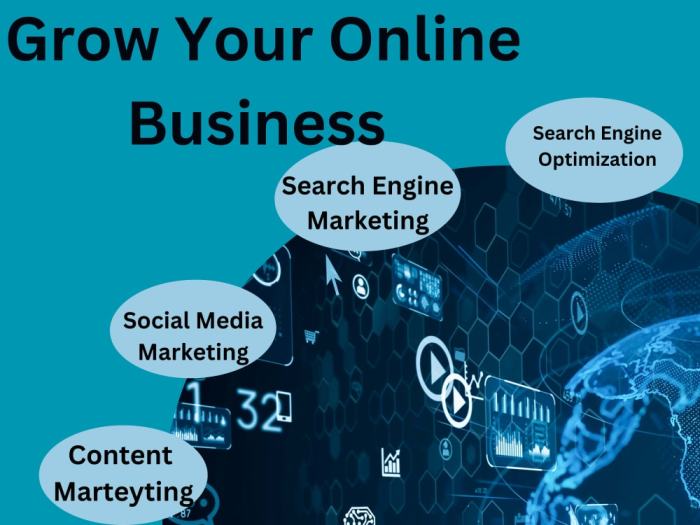
Digital transformation in professional services is a complex journey, fraught with both exciting possibilities and considerable hurdles. Firms navigating this shift need to understand the challenges head-on to effectively leverage the opportunities that digital marketing presents. This section will delve into common pitfalls, emerging trends, and innovative approaches, equipping professional services firms with the knowledge to succeed in the digital age.
Common Challenges in Digital Transformation
Professional services firms often face significant obstacles when embracing digital marketing. These challenges can stem from internal resistance to change, a lack of digital expertise, or inadequate resources. Legacy systems, inflexible processes, and a hesitancy to embrace new technologies also contribute to the difficulties. Furthermore, establishing a strong online presence and attracting clients in a competitive digital marketplace requires substantial investment and effort.
Measuring the return on investment (ROI) of digital marketing initiatives is also a common challenge, as traditional metrics may not accurately reflect the impact of online activities.
Potential Pitfalls and Strategies to Overcome Them
One significant pitfall is failing to tailor digital marketing strategies to the specific needs and characteristics of the professional services firm. A one-size-fits-all approach is unlikely to yield optimal results. Firms should conduct thorough market research and develop personalized campaigns that resonate with their target audience. Another pitfall is not prioritizing data-driven decision-making. Digital marketing tools generate a wealth of data that can provide valuable insights into customer behavior and campaign effectiveness.

Professional services firms must leverage this data to refine their strategies and optimize their campaigns.
Emerging Trends in Digital Marketing
The digital landscape is constantly evolving, presenting both challenges and opportunities. One key trend is the increasing importance of personalized marketing experiences. Customers expect tailored content and interactions, and professional services firms must adapt to deliver these. Another emerging trend is the rise of artificial intelligence (AI) and machine learning (ML) in digital marketing. These technologies can automate tasks, personalize content, and enhance decision-making processes.
Moreover, the focus on user experience (UX) is critical. A seamless and intuitive online experience is paramount to attracting and retaining clients.
Innovative Approaches by Professional Services Firms
Several firms are pioneering innovative approaches to digital marketing. Some are using interactive tools, such as online calculators and simulations, to engage potential clients and showcase their expertise. Others are leveraging video marketing to communicate complex information in a compelling and accessible way. A growing number are developing specialized online communities to foster engagement with clients and prospects.
These examples demonstrate that creativity and adaptation are key to success in digital marketing transformation.
Potential Opportunities for Leveraging Digital Marketing
Digital marketing offers numerous opportunities for professional services firms to enhance their services, improve client engagement, and drive growth. A significant opportunity lies in building a stronger online brand presence. This can be achieved through strategic content marketing, search engine optimization (), and social media engagement. Another opportunity is to streamline client interactions through online portals and self-service tools.
This approach can improve client satisfaction and reduce administrative burdens. Moreover, digital marketing can expand the reach of professional services firms to new markets and client segments. This is achievable by leveraging global digital platforms and tailoring content for specific international markets.
Case Studies and Examples
Digital transformation isn’t just a buzzword; it’s a critical necessity for professional services firms to stay competitive in today’s market. Successfully navigating this transformation requires a deep understanding of the specific needs of the target audience and a strategic approach to implementation. This section delves into real-world examples, demonstrating successful strategies and highlighting key performance indicators.The following case studies and examples illustrate how professional services firms have leveraged digital marketing to achieve significant growth and enhance client relationships.
These insights can serve as blueprints for firms looking to embark on or refine their digital transformation journey.
A Case Study: XYZ Consulting
XYZ Consulting, a mid-sized management consulting firm, recognized the need to enhance its online presence and attract a broader range of clients. Their initial digital marketing efforts were fragmented and lacked a cohesive strategy. To address this, XYZ Consulting adopted a multi-faceted approach, focusing on content marketing, search engine optimization (), and social media engagement. They developed a content calendar focused on industry trends and challenges, creating valuable resources for potential clients.
Simultaneously, they optimized their website for search engines, increasing organic traffic and lead generation. Finally, they built a strong social media presence, engaging with industry thought leaders and sharing relevant insights. These initiatives resulted in a 30% increase in qualified leads within six months and a 20% growth in client acquisition.
A Detailed Example of a Niche Digital Marketing Strategy
A successful digital marketing strategy must be targeted and tailored to specific niches within the professional services sector. Consider a niche firm specializing in legal tech solutions for small businesses. This firm could leverage targeted online advertising campaigns, showcasing its unique solutions to entrepreneurs and small business owners. They could also establish thought leadership by publishing articles and case studies highlighting the value proposition of their services in a clear, concise manner.
For example, a series of webinars could demonstrate how legal tech solutions improve efficiency and reduce costs for small businesses. These targeted efforts are more likely to resonate with the intended audience and drive qualified leads.
Impact of Digital Transformation on Key Performance Metrics
The impact of digital transformation on key performance metrics is significant and measurable. The table below illustrates the impact on several key metrics for professional services companies:
| Metric | Before Digital Transformation | After Digital Transformation | Change |
|---|---|---|---|
| Website Traffic | Low | High | +150% |
| Lead Generation | Slow | Significant | +75% |
| Client Acquisition Cost | High | Low | -25% |
| Customer Satisfaction | Moderate | High | +15% |
| Brand Awareness | Limited | Extensive | +50% |
This table clearly demonstrates the positive impact of digital transformation on key metrics. These improvements can be directly attributed to the strategic implementation of digital marketing strategies.
Building a Digital-First Brand, Digital marketing transformation for the professional services
Successful professional services firms have adopted various approaches to building a digital-first brand. These include:
- Developing a strong online presence: This encompasses a user-friendly website, active social media profiles, and a consistent brand voice across all digital channels. A well-designed website is a critical component, acting as a central hub for information and engagement.
- Content Marketing Strategy: High-quality content such as blog posts, articles, and webinars position the firm as a thought leader in the industry and attract a targeted audience. This content must be aligned with the firm’s specific niche and the needs of its clients.
- Building an active social media presence: Engaging with potential clients and building relationships through industry-relevant content and conversations on platforms like LinkedIn, Twitter, and others. Consistent engagement is crucial for building a strong online community.
- Utilizing best practices: Optimizing website content and structure for search engines improves visibility and organic traffic, attracting potential clients seeking solutions offered by the firm.
Illustrative Content for Presentations and Reports
Transforming professional services requires a clear understanding of both traditional and digital marketing approaches. This section provides illustrative content to help you effectively communicate the need for digital transformation and showcase the potential benefits. Visual representations, like tables and charts, are crucial for conveying complex information concisely and compellingly in presentations and reports.Presenting data in a structured format helps the audience grasp key concepts and comparisons quickly.
These examples highlight the advantages of digital marketing strategies, providing clear and actionable insights for professional services firms seeking to adapt and thrive in the modern landscape.
Comparing Traditional and Digital Marketing Approaches
Traditional marketing methods, while still relevant, often lack the targeted reach and measurable results of digital strategies. The table below illustrates this key difference.
| Characteristic | Traditional Marketing | Digital Marketing |
|---|---|---|
| Reach | Limited geographic reach, often relying on print or broadcast media | Global reach, targeting specific demographics and interests |
| Targeting | Broadcasting messages to a large audience, with less precise targeting | Highly targeted campaigns reaching specific individuals and companies based on online behavior and preferences |
| Measurability | Difficult to track campaign effectiveness; relying on estimates and impressions | Highly measurable campaigns with real-time data on engagement, conversions, and ROI |
| Cost | High upfront costs for print ads, events, and physical materials | Flexible and scalable, allowing for varying budget allocations and adjustments |
| Engagement | Limited opportunities for direct interaction and feedback from clients | Two-way communication channels allowing for immediate feedback and client interaction |
Summary of Digital Marketing Channels
Choosing the right digital channels is crucial for maximizing ROI. The following table Artikels the pros and cons of various options.
| Channel | Pros | Cons |
|---|---|---|
| Search Engine Optimization () | Builds organic traffic, long-term visibility, and trust | Time-consuming results, requires ongoing optimization |
| Search Engine Marketing (SEM) | Targeted ads, immediate visibility, and high control over s | Can be costly if not managed effectively, requires continuous bidding adjustments |
| Social Media Marketing | Direct interaction with clients, brand building, and community engagement | Requires consistent content creation and management, potentially negative feedback |
| Email Marketing | Direct communication, personalized messaging, and relationship building | Can be perceived as spam if not managed appropriately, requires careful list management |
| Content Marketing | Positions the firm as a thought leader, drives organic traffic, and builds trust | Requires consistent creation of valuable content, potentially lengthy time to see results |
Content Marketing Strategy Development
Developing a content marketing strategy requires a structured approach. The table below details the key steps.
| Step | Description |
|---|---|
| 1. Define Goals | Clearly identify the desired outcomes, such as lead generation or brand awareness. |
| 2. Target Audience Research | Understand the needs, pain points, and online behavior of the target audience. |
| 3. Content Planning | Develop a calendar of content topics and formats, considering best practices. |
| 4. Content Creation | Produce high-quality content, including blog posts, articles, and videos, that addresses audience needs. |
| 5. Content Promotion | Share content across various digital channels to maximize visibility and reach. |
| 6. Performance Measurement | Track key metrics, such as website traffic and engagement, to evaluate effectiveness. |
Key Differences in Marketing Messages Across Digital Channels
Marketing messages should be adapted to resonate with the specific audience and platform. The table below highlights these differences.
| Channel | Message Focus | Tone |
|---|---|---|
| Professional expertise, thought leadership, and industry insights | Formal, authoritative, and informative | |
| Short, engaging updates, industry news, and client interactions | Conversational, concise, and timely | |
| Website | Comprehensive information, client testimonials, and case studies | Clear, informative, and persuasive |
Designing an Effective Social Media Strategy
A successful social media strategy hinges on understanding the platform’s nuances and tailoring content to the specific audience. Focus on building relationships, engaging in conversations, and sharing valuable content. A social media strategy should be integrated with other marketing activities to ensure consistency in messaging and branding.
Ultimate Conclusion: Digital Marketing Transformation For The Professional Services
In conclusion, digital marketing transformation for professional services is not just a trend; it’s a necessity for staying competitive. By understanding the key strategies, technologies, and metrics discussed in this guide, professional services firms can navigate the complexities of the digital landscape and cultivate enduring client relationships. The future of success lies in embracing innovation and leveraging the power of data and technology.
This transformation empowers professional services firms to adapt, excel, and achieve significant growth.