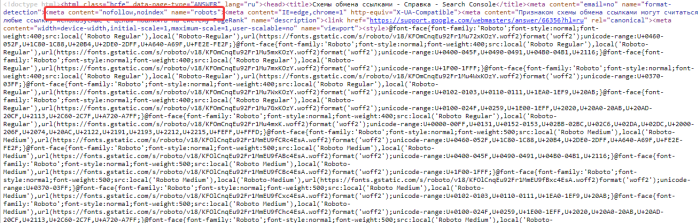
Google nofollow now treated as hint sets the stage for a fascinating discussion about how search engines interpret links. This shift in policy has significant implications for strategies, potentially changing how website owners build links and how search results are displayed. We’ll explore the historical context of nofollow, Google’s rationale, and the practical implications for webmasters and link builders.
The previous treatment of nofollow as a complete disregard for link equity has now evolved. Google’s announcement signals a change in how search engines will view these links. This shift from a strict ‘nofollow’ command to a more flexible ‘hint’ approach suggests a more nuanced understanding of how links contribute to site relevance and user experience.
Historical Context of nofollow
The nofollow attribute, a seemingly simple addition to HTML, has played a crucial role in search engine optimization () and the evolution of the internet’s link ecosystem. Its journey reflects the ongoing struggle to maintain the integrity and value of online content, particularly as link spamming became more prevalent. From its initial implementation to its current role as a hint, the nofollow attribute has undergone significant transformations in how search engines interpret and react to it.The attribute’s initial implementation aimed to combat manipulative link practices and maintain the quality of search results.
Early search engines, relying heavily on link analysis, were vulnerable to artificial inflation of website rankings through spammy links. This led to the need for a mechanism to signal to search engines which links should not contribute to a website’s perceived authority. The historical context of nofollow reveals a dynamic interplay between practices, search engine algorithms, and the evolving nature of the web itself.
Early Interpretations and Link Equity
The original intent behind the nofollow attribute was to prevent search engines from considering links as endorsements of the linked page’s content. Search engines initially treated nofollow links as having zero impact on the link equity of the target page. This meant that the inclusion of a nofollow attribute on a link essentially prevented the passage of any authority or “link juice” to the destination site.
The absence of nofollow, conversely, meant that the link was considered a vote of confidence, contributing to the target’s ranking.
Evolution of Search Engine Interpretation
The way search engines interpreted the nofollow attribute has changed over time. Initially, it was a clear directive, a complete exclusion of link equity. As search engines became more sophisticated, they began to acknowledge the nuances of web interactions. This led to variations in how search engines treated nofollow attributes across different platforms and over time.
Rationale Behind Initial Implementation
The nofollow attribute was implemented primarily to mitigate link spam. Early search engines, lacking the sophistication of today’s algorithms, were susceptible to manipulation by unscrupulous webmasters who created artificial link networks to artificially inflate a site’s ranking. By enabling webmasters to mark links as non-transferring value, nofollow aimed to restore the integrity of search results.
Table: Interpretations of nofollow by Major Search Engines
| Search Engine | Early Interpretation (Pre-2010s) | Current Interpretation (Post-2010s) |
|---|---|---|
| Notably treated nofollow as a directive, with links carrying no link equity. | Now treated as a hint, potentially influencing ranking factors but not as strictly as in earlier days. | |
| Bing | Similar to Google, nofollow links were not considered in link equity calculations. | Similar to Google, now more akin to a hint, affecting ranking less rigidly. |
| Yahoo! (prior to merger) | Interpretation likely aligned with Google and Bing in the early days. | Information on the exact current interpretation is limited. |
Google’s Announcement and Rationale
Google’s recent announcement regarding the treatment of nofollow links marks a significant shift in how search engines interpret these crucial signals. Previously, nofollow attributes were strictly interpreted, but now, Google recognizes that the nuances of nofollow usage can vary considerably, and that a more contextual approach is necessary. This change signals a move towards a more nuanced understanding of website relationships and a potential broadening of link-building strategies.
Official Google Announcement
Google’s official announcement regarding the updated treatment of nofollow attributes doesn’t provide a specific date or a direct link to a formal press release. However, various news sources and industry blogs report that Google’s algorithm update, implemented over time, recognizes that nofollow attributes are not always an absolute signal to ignore links. This new approach acknowledges the varied use cases of nofollow.
Instead of viewing nofollow as a rigid instruction to ignore a link, Google now considers the context in which it’s used.
Google’s Reasoning Behind the Change
Google’s reasoning for this shift emphasizes the need for a more sophisticated understanding of link relationships. They acknowledge that nofollow was often applied in diverse situations, some of which didn’t accurately reflect the intent of the linking page. This broader interpretation allows the algorithm to more effectively identify the quality and relevance of web pages, thereby improving search results.
Essentially, the new approach allows Google to more accurately determine the level of influence a link has on a page’s ranking. This allows for more natural and less manipulated link structures.
Potential Motivations for the Shift
Several potential motivations drive Google’s change in interpretation. One possibility is a desire to combat more sophisticated forms of manipulation. By viewing nofollow more contextually, Google can identify and filter out attempts to artificially inflate a page’s authority or manipulate search results. Another motivation is to refine the understanding of user intent and the quality of content.
By evaluating links in their context, Google’s algorithm can better understand the relationship between web pages and provide more relevant results to users.
Specific Impacts Intended to be Addressed
This change is intended to address several key issues in the link ecosystem. First, it aims to mitigate the impact of spam and manipulative link schemes. By recognizing the nuanced use of nofollow, Google can better filter out attempts to artificially improve a page’s ranking. Second, it’s designed to improve the relevance of search results. By understanding the true relationship between pages, Google can provide more relevant and helpful results to users.
Google’s recent update on nofollow links now treats them more as a suggestion rather than a strict directive. This change impacts SEO strategies, particularly when considering how to best drive website traffic through paid and organic methods like SEO PPC website traffic. Ultimately, the shift to a hint rather than a hard rule means SEOs need to adapt their approaches to link building and website promotion.
Finally, it promotes a more natural and organic link-building environment, which is beneficial for both users and website owners.
Summary of Google’s Announcement
| Aspect | Details |
|---|---|
| Official Announcement | No formal press release date provided, but various sources report an algorithm update recognizing nuanced nofollow usage. |
| Rationale | Acknowledges varied nofollow applications, emphasizing a more sophisticated understanding of link relationships to improve search results and user experience. |
| Potential Motivations | Combatting manipulation, refining user intent understanding, and promoting natural link building. |
| Specific Impacts | Mitigating spam, improving search result relevance, and encouraging natural link building. |
Impact on Practices
Google’s reclassification of nofollow attributes from a strict directive to a “hint” has significant implications for strategies. This change necessitates a reevaluation of link-building practices and how website owners approach link acquisition. The shift in interpretation demands adaptation, prompting a reconsideration of the role of links in search visibility.The previous strict interpretation of nofollow meant that search engines completely disregarded links with this attribute.
Now, the “hint” treatment acknowledges that links marked as nofollow still carry some signal, albeit reduced. This alteration influences how search engines process and use link data, ultimately impacting how websites are ranked.
Potential Changes in Strategies
Website owners must adjust their link-building approaches to account for the altered role of nofollow links. Strategies previously reliant on sheer volume of nofollow links may require recalibration. Instead of focusing solely on quantity, a more nuanced approach focusing on the quality and context of links becomes crucial. The emphasis shifts towards securing high-quality backlinks from authoritative websites that are not necessarily marked with a nofollow attribute.
Adaptations in Link-Building Practices
Website owners should re-evaluate their current link-building strategies. They might prioritize building relationships with high-quality websites that offer natural, contextual links rather than seeking a large volume of links from questionable sources. Quality over quantity becomes the new mantra. Instead of solely targeting nofollow links, website owners should focus on acquiring links from reputable sources. This will help establish trust and authority within the search engine ecosystem.
Implications for Website Ranking and Search Visibility
The shift in nofollow handling could lead to adjustments in website ranking. The reduced significance of nofollow links might lessen the impact of spammy practices relying on large numbers of nofollow links. Websites that have been building their links on dubious strategies might see their search visibility affected. The shift towards a “hint” treatment encourages a more organic and authentic link profile.
Comparison of Previous and New Nofollow Handling
Previously, search engines strictly ignored nofollow links. Now, they interpret these links as having a reduced signal. The previous approach allowed spammers to manipulate links, but this new “hint” approach curbs the effectiveness of such schemes. This change is a move towards a more accurate reflection of link quality.
Effect on Link Schemes and Spammy Practices
Link schemes and spammy practices relying heavily on nofollow links are likely to become less effective. The reduced weight given to these links makes it harder to manipulate search rankings through artificial link building. Websites that rely on these tactics might experience a decline in search visibility as the search engine algorithms become more discerning about link quality.
This is a positive development for the search engine ecosystem as a whole.
Practical Implications for Webmasters
The shift in Google’s interpretation of nofollow from a strict directive to a more contextual hint has significant implications for webmasters. This change necessitates a reassessment of linking strategies, requiring a more nuanced approach to link building and website structure. Understanding the potential advantages and disadvantages of using nofollow in various scenarios is crucial for effective adaptation.This new interpretation acknowledges the subtle nuances of link intent and allows for greater flexibility in how webmasters structure their websites.
However, it also demands a more thoughtful and strategic approach to link building, emphasizing the quality and context of the link itself rather than solely relying on the nofollow tag. It’s no longer enough to simply slap a nofollow on a link; webmasters must carefully consider the purpose and impact of each link.
Adapting to the New Nofollow Interpretation
To effectively adapt, webmasters need to move beyond a simple “nofollow” or “follow” dichotomy. The new interpretation highlights the importance of understanding the underlying intent and context of each link. A link from a low-quality website, even with a follow attribute, may have little impact compared to a link from a reputable source with a nofollow attribute.
Structuring Website Links Effectively
Effective link structuring involves more than just the use of the nofollow attribute. Consider the overall context of your website and the relationship between different pages. Internal links, for example, should reflect the natural flow of information and support user navigation. External links should be evaluated for their relevance and potential impact on user experience.
Advantages and Disadvantages of Using Nofollow
The nofollow attribute, while now more flexible, still carries both advantages and disadvantages. One key advantage is the ability to mitigate potential risks associated with linking to questionable or spammy sites. A strategic use of nofollow can help maintain a positive reputation and avoid penalties. However, overuse of nofollow can potentially hinder the flow of link equity within your site, potentially affecting the ranking of your content.
Examples of When Nofollow Might Be Beneficial
A prime example of where nofollow might be beneficial is linking to competitor websites in an educational or comparative context. Another example is when linking to a site with potentially questionable content, but where the link serves a specific informational purpose. Linking to affiliate sites in a way that doesn’t compromise the user experience is another scenario.
Table: Scenarios and Recommended Link Approaches
| Scenario | Description | Recommended Link Approach |
|---|---|---|
| Linking to a competitor for comparison | Providing a comparative analysis | Follow |
| Linking to a potentially spammy site | Providing context or information | Nofollow |
| Linking to an affiliate site | Promoting a product or service | Follow, but be transparent about the affiliate relationship. |
| Linking to a news article or blog post | Providing information or context | Follow (unless a specific reason to use nofollow). |
| Linking to a low-quality website | Avoid if possible, but if necessary, link with caution | Nofollow |
Implications for Link Building Strategies
The shift from “nofollow” being a directive to a “hint” significantly alters the landscape of link building. This change demands a re-evaluation of existing strategies and a focus on building high-quality, relevant links rather than simply accumulating a high volume of them. It signals a move towards a more nuanced understanding of link signals and a focus on genuine value exchange.The “hint” treatment of nofollow links means search engines now place less emphasis on the explicit “nofollow” tag.
This suggests a greater focus on the context and quality of the link itself, as opposed to the tag’s inherent meaning. Webmasters need to adapt their strategies to reflect this more subtle understanding of link signals, moving away from purely quantitative link building and towards qualitative strategies.
Google’s recent update on nofollow links treating them as hints is a game-changer. Understanding this shift is crucial for any website owner looking to optimize their SEO strategy. This means implementing expert backed strategies for maximizing website revenue expert backed strategies for maximizing website revenue becomes even more important. Now, links that were previously disregarded by search engines are potentially more influential.
This change warrants a deeper dive into the new guidelines, especially when building your backlink profile.
Evaluating Different Link Building Methods
Link building strategies can be broadly categorized into several approaches. Understanding how each is impacted by the new “hint” interpretation is crucial for effective adaptation. Focusing on building quality over quantity is paramount.
Natural Link Building
Natural link building, which focuses on earning links organically through providing valuable content and building relationships, remains a highly effective strategy. This approach emphasizes creating high-quality, informative content that naturally attracts relevant links. Examples include guest posting on authoritative websites, producing insightful blog posts, and participating in relevant online communities. The new “hint” policy only reinforces the importance of providing genuine value to the audience.
Building Relationships
Building strong relationships with influencers and other website owners remains a cornerstone of successful link building. This involves establishing genuine connections based on shared interests and mutual respect, not just transactional link exchanges. The new policy encourages a shift towards building long-term relationships.

Content Marketing
Content marketing, centered on creating valuable and engaging content, is a key component of any successful link building strategy. Creating shareable content and fostering discussions within the industry naturally leads to links from reputable sources. The “hint” treatment highlights the importance of high-quality content in attracting natural links.
Google’s recent update on nofollow links treating them as hints is interesting, especially when considering how social media can be used to build an online presence. For instance, building the arch utilizing social media platforms like Twitter, Facebook, and Instagram can be a powerful tool for establishing your brand and driving traffic. building the arch utilizing social media is a great example of how to effectively engage an audience.
Ultimately, understanding these subtle changes to search engine signals like nofollow is key to effective SEO strategies.
Comparative Analysis of Link Building Strategies
| Link Building Strategy | Potential Impact of “Hint” Interpretation | Example |
|---|---|---|
| Natural Link Building | Increased importance, as quality content and relevance are key | Creating a comprehensive guide on a specific topic that earns backlinks from industry blogs and publications |
| Relationship Building | Continued importance, as trust and genuine connections are valued | Collaborating with influencers to co-create content or share each other’s work |
| Content Marketing | High value, as valuable content naturally attracts relevant links | Creating an engaging infographic on a specific topic that gets shared across various platforms |
| Guest Blogging | Needs to focus on quality over quantity. Focus on authority sites. | Guest blogging on a highly reputable publication in the same industry, focusing on providing value to their audience |
Evolving Link Building Practices
Link building practices should evolve to reflect the new “hint” treatment. Focus should be on creating high-quality content and building relationships with authoritative websites. A shift towards quality over quantity is necessary. This approach is more sustainable and less prone to algorithmic penalties. Webmasters need to prioritize creating content that is valuable to their target audience.
By focusing on genuine value exchange, they can earn natural backlinks from relevant sources.
Potential for Misinterpretation and Abuse
The shift from “nofollow” as a directive to a “hint” in Google’s algorithm opens doors for both legitimate and potentially problematic link building strategies. Understanding the nuances of this change is crucial to navigating the evolving landscape ethically and effectively. The ambiguity inherent in the “hint” status can lead to misinterpretations and, if not carefully managed, could create avenues for abuse.This new interpretation necessitates a proactive approach to link building.
Webmasters must be vigilant in ensuring their link profiles are not only compliant with Google’s evolving guidelines but also transparent and aligned with ethical practices. This requires a deeper understanding of the potential pitfalls and how to avoid them.
Potential for Misinterpretation
The “hint” status introduces a degree of flexibility, which some may misinterpret as an invitation to manipulate search rankings. This potential for misinterpretation arises from the lessened clarity of the directive. Previously, a nofollow attribute was a clear signal of non-recommendation. Now, it’s less of a strict instruction and more of a suggestion, leaving room for subjective interpretation.
Webmasters must approach link building with the understanding that Google is not explicitly stating the weight or impact of the “hint.”
Potential for Abuse
Several avenues for abuse are apparent. One is the creation of artificial link networks, where seemingly natural links are generated in an organized way, aiming to increase page rank by bypassing the nofollow attribute. Another possibility is the mass purchase of links from low-quality sites. While the nofollow attribute may have reduced the impact of these links in the past, the “hint” status could embolden unethical practices.
Preventing Manipulation
Maintaining ethical link building practices is paramount. Focus on building genuine relationships with other sites. Prioritize high-quality content that naturally attracts relevant backlinks. Avoid participating in link schemes or exchanges that manipulate the system. Quality over quantity should remain the guiding principle.
Regularly audit your backlink profile, identifying and removing any links that appear unnatural or violate ethical guidelines.
Maintaining Ethical Link Building
A crucial aspect of ethical link building is transparency. Maintain a clear and understandable link profile. If links are for promotional purposes, ensure transparency by disclosing the nature of the relationship between sites. Don’t disguise paid promotions as natural links.
Comparison of Ethical and Unethical Link Building
| Characteristic | Ethical Link Building | Unethical Link Building |
|---|---|---|
| Source of Links | High-quality, relevant websites with valuable content. | Low-quality, irrelevant websites, or those involved in link schemes. |
| Relationship with Other Sites | Genuine partnerships, collaborative content creation, mutual benefit. | Artificial links, paid exchanges, or attempts to manipulate search rankings. |
| Transparency | Open and clear disclosure of any promotional links. | Disguised promotional links, hiding the nature of the relationship. |
| Focus | Building genuine relationships and providing value to users. | Manipulating search engine algorithms to increase rankings. |
Impact on Search Results and User Experience: Google Nofollow Now Treated As Hint
The shift from “nofollow” to a “hint” interpretation by Google has profound implications for how search results are shaped and how users interact with them. This change signals a subtle but potentially significant alteration in how search algorithms process links, impacting not only website rankings but also the overall user experience within search results. The “hint” treatment opens a new avenue for influencing the algorithm, potentially affecting the quality and relevance of search results.This “hint” approach introduces an element of flexibility and nuance into how search engines treat links.
It’s a departure from a rigid “nofollow” designation, acknowledging the varying degrees of influence links can hold, and recognizing the context of those links within the broader web. This flexibility could potentially lead to more refined search results and a better user experience. However, the impact remains uncertain and requires careful consideration of its potential consequences.
Influence on Search Results
Google’s shift to treating “nofollow” as a “hint” will subtly influence the ranking of websites. The algorithm, previously disregarding “nofollow” links, will now consider them, though not as strongly as “follow” links. This introduces a new layer of complexity into link analysis. Websites that previously relied heavily on “nofollow” links to build their network might see slight adjustments in their search rankings, possibly leading to subtle changes in search result order.
Potential Impacts on User Experience, Google nofollow now treated as hint
The “hint” approach to “nofollow” could potentially improve user experience in search results by enabling a more nuanced understanding of the relationships between web pages. The algorithm might now be able to better distinguish between links that are genuinely promotional and those that genuinely provide value to the user. This could lead to a more curated and relevant search result page, offering users a better chance of finding the information they need quickly and effectively.
Impact on Search Engine Rankings and Diversity
The change in how “nofollow” links are treated could affect the diversity of search results. Sites that strategically utilize “nofollow” links to support their content might see changes in their ranking. This could potentially lead to a rebalancing of the search result ecosystem, though the extent of the change remains to be seen. The potential for more websites to rank higher or lower depending on their link profile will also likely influence the overall diversity of search results.
Consequences on Search Result Accuracy and Quality
This change could influence the accuracy and quality of search results. With the algorithm now considering “nofollow” links, the potential exists for more relevant results to be displayed, though there is also a risk of less reputable or less valuable content being promoted. The quality and accuracy of the search results will depend on how well the algorithm adapts to this new “hint” interpretation of “nofollow” links.
Comparison of Potential Effects
| Aspect | Potential Positive Effects | Potential Negative Effects |
|---|---|---|
| Search Results | Improved accuracy and relevance, better identification of valuable content. | Potential for less reputable or lower-quality content to be promoted, subtle shifts in website rankings. |
| User Experience | More curated and relevant search results, improved ability to find desired information. | Potential for confusion or frustration if search results do not accurately reflect user needs. |
| Ranking Dynamics | More nuanced understanding of website relationships. | Uncertainty regarding how websites will adapt to the new algorithm, potentially impacting the search result ecosystem. |
Conclusion
In conclusion, Google’s updated interpretation of nofollow as a “hint” rather than a strict directive has profound implications for . Website owners need to adapt their link-building strategies to leverage this new understanding. While the shift might seem subtle, it could significantly affect search engine rankings and how search results are presented. Understanding the nuances of this change is crucial for maintaining a healthy and ethical online presence.