How to craft a powerful subject line and boost your open rate is crucial for email marketing success. A compelling subject line is the first impression your email makes, and it directly impacts whether recipients open it. This guide dives deep into understanding email open rates, crafting compelling subject lines, optimizing for specific audiences, and techniques for increasing open rates, ultimately culminating in a comprehensive strategy to maximize your email engagement.
This comprehensive guide will equip you with actionable strategies and real-world examples to significantly improve your email open rates. We’ll cover everything from understanding the factors that influence open rates to analyzing results and refining your approach. Learn how to craft subject lines that grab attention, resonate with your audience, and avoid common pitfalls. You’ll gain practical insights and actionable steps to optimize your email campaigns and boost your bottom line.
Understanding Email Open Rates
Email open rates are a crucial metric for evaluating the effectiveness of your email marketing campaigns. They indicate how many recipients actually view the emails you send. Understanding the factors influencing open rates, and the strategies to improve them, is key to optimizing your campaign performance and achieving your marketing goals.Email open rates are directly linked to the subject line.
Crafting compelling subject lines is key to boosting your open rates. Think about what grabs your attention in emails – a clear, concise message is crucial. Learning to create magnetic client presentations is also essential, and exploring tools tips to create your magnetic client presentation package can help you master that. Ultimately, a well-structured presentation with a powerful subject line is a winning combination for client engagement.
A compelling subject line is paramount in enticing recipients to open your email. If the subject line is weak or irrelevant, it can lead to a significant drop in open rates. Beyond the subject line, factors like sender reputation, recipient engagement history, and even the time of day of delivery play a crucial role.
Factors Influencing Email Open Rates
Email open rates are a multifaceted metric, affected by several interacting factors. Understanding these elements allows for more strategic email campaigns. A strong subject line is critical, but other aspects matter just as much.
- Sender Reputation: A reputable sender address, built over time through consistent, relevant communication and low complaint rates, often results in higher open rates. Recipients are more likely to open emails from senders they trust.
- Subject Line Effectiveness: A compelling subject line, tailored to the recipient’s interests and needs, is crucial. Clear and concise subject lines are essential to grabbing attention in the inbox.
- Recipient Engagement History: Recipients who have interacted positively with past emails (e.g., opened, clicked, or replied) are more likely to open future emails from the same sender. Email campaigns can be customized to cater to the specific needs of different recipient groups.
- Time of Day and Frequency of Emails: Sending emails during peak recipient activity times can increase open rates. Too many emails, however, can lead to recipients unsubscribing or marking emails as spam.
- Segmentation and Personalization: Targeted emails to specific segments of the audience, and personalization based on individual recipient preferences, are more likely to be opened.
Relationship Between Subject Lines and Open Rates
A strong correlation exists between the quality of your subject lines and the open rate of your emails. Engaging subject lines are crucial to drawing recipients’ attention and encouraging them to open the email.
- Subject lines that are intriguing, relevant, and concise are more likely to be opened.
- A clear and concise subject line, conveying the email’s purpose effectively, is a key element in email open rates.
- The subject line acts as a powerful magnet, attracting recipients to open the email.
Types of Email Campaigns and Typical Open Rates
Email campaigns can be categorized into various types, each with different typical open rates. Understanding these differences helps tailor email campaigns to maximize engagement.
- Promotional Emails: Emails promoting new products or services often have lower open rates than transactional emails, but well-designed promotional emails can still achieve a good open rate, potentially reaching 15-20%.
- Transactional Emails: Emails related to account updates, order confirmations, or password resets typically have very high open rates, often exceeding 70% or more, because these emails are relevant and often necessary for the user.
- Newsletter Emails: Newsletters, providing ongoing information and value to subscribers, usually achieve open rates ranging from 15% to 30%, depending on the quality of content and audience engagement.
Tracking Email Open Rates Effectively
Tracking email open rates is essential for measuring campaign performance and making necessary adjustments. Accurate tracking is key to understanding how well your emails are performing.
Crafting a compelling subject line is key to boosting your open rates. Think about your audience and what would pique their interest. Knowing your audience is crucial. For example, the recent partnership between growth natives and brandworks, announced in their joint venture growth natives and brandworks join hands , highlights the importance of strategic collaborations.
Ultimately, understanding your audience and creating relevant, enticing subject lines will significantly impact your open rates and email marketing success.
- Email marketing platforms typically provide tools for tracking open rates.
- Monitoring open rates allows for the identification of trends and patterns.
- Use the data to improve future email campaigns.
Open Rate Comparison Across Industries
Different industries often exhibit varying open rates, which can be attributed to several factors. Understanding these variations helps to contextualize your own email marketing efforts.
| Industry | Typical Open Rate Range |
|---|---|
| E-commerce | 15-25% |
| Finance | 10-20% |
| Software | 12-22% |
| Travel | 18-28% |
| Healthcare | 10-18% |
Crafting Compelling Subject Lines
Subject lines are the first impression your email makes. A captivating subject line can significantly impact your open rate, driving more engagement and ultimately, better results. Crafting compelling subject lines requires understanding your audience and employing techniques that grab attention. This section dives into the art of designing effective subject lines.Effective subject lines are crucial for email marketing success.
They act as the gateway to your message, determining whether recipients will open your email or delete it. A compelling subject line can increase engagement and ultimately boost your conversion rates.
Crafting compelling subject lines is key to boosting open rates. Think about what will grab attention and pique curiosity. For example, incorporating the latest AI-driven strategies in your meta ads, like those outlined in meta ads ai best practices better results , can significantly impact your campaigns. Ultimately, using these refined approaches will greatly improve your email marketing and ultimately, your open rates.
Subject Line Variations for a Product Launch
Crafting subject lines for product launches demands a strategic approach. Here are five variations targeting different aspects of a new product launch:
- Introducing the Revolution: [Product Name]
-This option uses strong language to create a sense of excitement and anticipation. The phrase “revolution” implies a significant advancement, attracting curiosity. - [Product Name]
-Your [Problem Solved] Solution!
-This subject line focuses on the value proposition, directly addressing the customer’s need and highlighting the product’s ability to solve a problem. - Limited Time Offer: [Product Name]
-Get [Discount/Bonus]
-This approach incorporates urgency and exclusivity, appealing to customers’ desire for a limited-time benefit. - Sneak Peek: [Product Name]
-See What’s Next
-This subject line leverages curiosity and intrigue, prompting recipients to open the email and discover the new product. - [Product Name]
-Exclusive First Look
-This emphasizes exclusivity, appealing to customers who value being among the first to experience new products.
Personalization in Subject Lines
Personalization in subject lines is paramount. Tailoring subject lines to individual recipients increases relevance and engagement. A personalized subject line demonstrates you understand your audience, enhancing the perception of the message’s value.
Examples of Subject Lines Using Different Approaches
Subject lines can be crafted using various approaches, each with its own impact. These approaches include humor, urgency, and curiosity.
- Humor: “We’ve got a [product name] deal that’s gonna make your day. LOL”
– Humor can be effective if it aligns with your brand image and target audience. - Urgency: “Last Chance! [Product Name] Sale Ends Tonight!”
– Urgency creates a sense of immediacy, prompting quick action. - Curiosity: “You Won’t Believe What We’ve Created. [Product Name]”
– Curiosity piques interest, encouraging recipients to discover the content.
Comparison of Subject Line Types
Subject lines employing different elements can have varying effects. This section compares subject lines using numbers, questions, and emojis.
- Numbers: Subject lines like “5 Ways to Improve Your [Product]” utilize numbers to provide a clear benefit and structure. They often convey value and can be highly effective in capturing attention.
- Questions: Subject lines like “Ready to Revolutionize Your Workflow?” use questions to engage recipients and create intrigue. However, it is crucial to craft questions that are genuine and avoid overly pushy or demanding tones.
- Emojis: While emojis can enhance a subject line, overuse or inappropriate use can negatively affect deliverability. Emojis should be used strategically, aligning with your brand and audience.
Best Practices for Crafting Subject Lines
Effective subject lines follow key principles.
| Aspect | Best Practice |
|---|---|
| Length | Keep it concise, ideally under 50 characters. |
| Clarity | Clearly communicate the email’s content. |
| Relevance | Tailor to the recipient’s interests. |
| Brand Consistency | Maintain brand voice and style. |
A/B Testing Subject Lines
A/B testing subject lines is crucial for optimization. This involves creating variations of subject lines and comparing their performance to determine which performs best. Tracking open rates and click-through rates allows you to make data-driven decisions and improve your email marketing strategy.
Optimizing Subject Lines for Specific Audiences
Crafting compelling subject lines isn’t a one-size-fits-all endeavor. Effective subject lines must resonate with the recipient’s specific needs and interests. Understanding your audience is paramount to achieving high open rates and driving engagement. This requires a nuanced approach, tailoring your messaging to different demographics, pain points, and preferences.Successfully reaching diverse audiences requires a deep understanding of their motivations and concerns.
By recognizing the unique characteristics of different customer segments, you can craft subject lines that capture attention and encourage engagement. This strategy is crucial for maximizing the impact of your email marketing campaigns.
Identifying Target Audience Pain Points and Interests
Understanding your target audience’s pain points and interests is fundamental to crafting relevant and engaging subject lines. Thorough market research and data analysis are key to pinpointing these crucial elements. This involves analyzing existing customer data, conducting surveys, and engaging in direct conversations with potential customers.
Tailoring Subject Lines for Different Demographics
Different age groups, professions, and interests respond to different subject line styles. For example, a subject line that resonates with a young professional might not be effective with a senior citizen. Careful consideration of these differences is crucial for achieving optimal results. Analyzing purchasing behavior and online activity provides insights into the specific interests and needs of each segment.
- Millennials often respond well to subject lines that are concise, humorous, or use a casual tone. Examples include “Quick Tip: Boost Your Productivity” or “Weekend Getaway Ideas.”
- Gen Z might appreciate subject lines that are trendy, using slang or emojis, or that highlight social impact. Examples could be “Sustainable Style Guide” or “New Music Release.”
- Baby Boomers may prefer more formal and direct subject lines. Examples include “Important Update: Account Details” or “New Product Launch.”
Employing Different Tones in Subject Lines
The tone you adopt in your subject lines should align with your brand identity and the specific message you’re conveying. A formal tone might be suitable for announcements or critical information, while an informal tone could work better for promotional emails or newsletters. Consistency in tone across all communications strengthens brand recognition and builds trust.
- Formal: “Important Notice Regarding Your Account”
- Informal: “Hey [Name], Check Out This Awesome New Product!”
- Friendly: “Happy Monday! Here’s Your Weekly Update.”
Examples of Subject Lines for Different Industries
The most effective subject lines are highly specific and tailored to the target audience’s interests within a particular industry.
| Industry | Example Subject Lines |
|---|---|
| E-commerce | “Limited-Time Offer: [Product Name] Sale,” “New Arrivals: Shop the Collection,” “Your Order is Ready to Ship” |
| Financial Services | “Important Security Update,” “Manage Your Account Online,” “New Investment Opportunities” |
| Healthcare | “Schedule Your Appointment Today,” “Important Health Information,” “New Treatment Options” |
Strategies for Segmenting Your Email List
Segmenting your email list allows for more targeted communication. This involves categorizing subscribers based on factors such as demographics, purchase history, engagement levels, and interests. This refined approach yields significantly higher open and click-through rates.
- Demographic Segmentation: Categorizing subscribers based on age, location, gender, or profession.
- Behavioral Segmentation: Segmenting based on past purchases, website interactions, or email engagement.
- Interest-Based Segmentation: Grouping subscribers based on their expressed interests or preferences.
Techniques for Increasing Open Rates
Crafting compelling subject lines is crucial for boosting email open rates. A captivating subject line can entice recipients to open your message, increasing the likelihood of engagement and conversions. However, simply crafting a good subject line is only part of the battle; understanding the nuances of email marketing strategies and recipient behavior is equally important.Effective email marketing campaigns consider a range of factors beyond the subject line itself.
Preheader text, emojis, and spam filter avoidance are all critical components of a successful email strategy. By optimizing your email strategy across all these areas, you can significantly increase your open rates and achieve better results from your email campaigns.
Email Marketing Strategies for Increased Open Rates
Email marketing strategies play a vital role in driving open rates. A well-structured campaign tailored to your audience and their preferences is crucial. These strategies encompass the overall approach to email communication, including frequency, timing, and content relevance. By focusing on these factors, you can create a more engaging and effective email marketing strategy.
- Segmentation: Dividing your email list into segments based on demographics, purchase history, or engagement levels allows for targeted messaging. Tailoring your subject lines and content to specific segments ensures relevance and increases the likelihood of opening emails. For example, a company selling clothing could segment its list by gender, age, or previous purchases to deliver tailored recommendations.
- Personalization: Addressing recipients by name and incorporating their preferences into the email content makes the communication feel more personal and relevant. This personalization strategy enhances engagement and increases open rates.
- Testing and Optimization: Experimenting with different subject lines, preheader texts, and email content can reveal what resonates best with your audience. Regular A/B testing allows for continuous improvement and optimization of your email marketing strategy.
- Clear Call to Action (CTA): Incorporate a clear and concise call to action within your email content. This guides recipients on the desired next steps, improving the chances of engagement and conversions.
The Role of Preheader Text
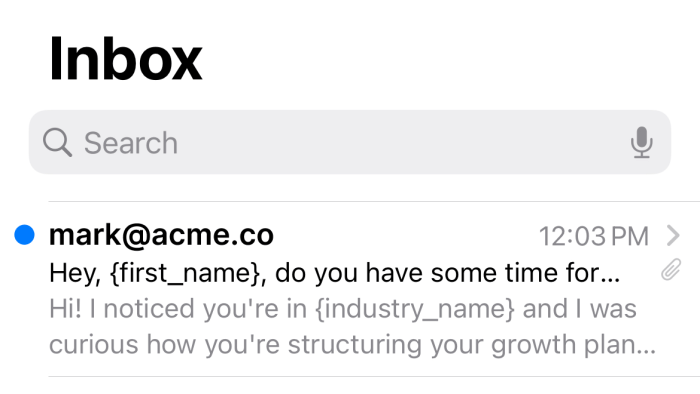
The preheader text, the text that appears below the subject line in many email clients, significantly influences open rates. It acts as a preview of the email content, providing additional context and enticing recipients to open the email.
A well-written preheader text should complement the subject line, summarizing the email’s key points or highlighting the most valuable information. It should be concise and compelling, generating curiosity and prompting recipients to open the message.
Using Emojis in Subject Lines
Emojis can enhance the readability and emotional appeal of subject lines, potentially increasing open rates. However, their effectiveness depends on the specific audience and the type of email being sent.
Using emojis strategically in subject lines can add a touch of personality and visual appeal. But overuse or inappropriate use can negatively impact email deliverability.
Avoiding Spam Filters
Spam filters are designed to prevent unwanted messages from reaching recipients’ inboxes. Following best practices for email deliverability is crucial for avoiding these filters. Maintaining a clean email list and using a reputable email marketing platform are important steps to take.
- Avoid spam trigger words: Using words or phrases frequently associated with spam can trigger filters and prevent your emails from reaching recipients’ inboxes. Be mindful of these terms and choose alternative phrasing.
- Maintain a clean email list: Removing inactive or invalid email addresses from your list improves deliverability and reduces the risk of being flagged as spam.
- Use a reputable email marketing platform: Employing a reputable email service provider (ESP) can help ensure your emails are delivered effectively and avoid being flagged as spam.
Common Mistakes to Avoid
Several common mistakes can negatively impact email open rates. Understanding these pitfalls can help you craft more effective subject lines and email campaigns.
- Generic or vague subject lines: Avoid subject lines that are generic or don’t provide any context. They often get overlooked in crowded inboxes.
- Subject lines that are too long: Email clients often truncate subject lines, making them difficult to read and understand. Keep subject lines concise and impactful.
- Subject lines that are misleading or deceptive: Avoid subject lines that mislead recipients about the email’s content. This can lead to lower engagement and damage your sender reputation.
- Ignoring the recipient’s preferences: Tailoring subject lines and content to the recipient’s interests and preferences can significantly impact open rates.
Creating Standout Subject Lines
Crafting subject lines that stand out in crowded inboxes requires a strategic approach. It’s crucial to understand what makes a subject line compelling and relevant to the recipient. Highlighting the value proposition and addressing the recipient’s needs are essential components of crafting standout subject lines.
- Highlighting value proposition: Clearly communicate the value your email offers to the recipient. This will make your email more appealing and increase the chances of it being opened.
- Addressing recipient’s needs: Tailor the subject line to the recipient’s specific needs and interests. This personalization strategy enhances engagement and increases open rates.
- Creating a sense of urgency: Subject lines that create a sense of urgency, such as deadlines or limited-time offers, can encourage recipients to open the email immediately.
Analyzing Results and Refining Strategies
Tracking email performance is crucial for improving engagement and achieving better results. Knowing what resonates with your audience and what doesn’t allows you to adapt your strategies, ultimately leading to higher open rates and conversions. Understanding the results of your email campaigns is the first step in optimizing your marketing efforts.Analyzing open rates, alongside other metrics like click-through rates and conversions, provides valuable insights into what works and what needs improvement.
This data-driven approach allows for iterative adjustments to subject lines and email content, resulting in increased effectiveness over time.
Email Campaign Performance Tracking Table
Understanding your email campaign’s performance is essential for optimizing future strategies. This table provides a template for tracking open rates and other relevant metrics:
| Campaign Name | Subject Line | Date Sent | Total Emails Sent | Opens | Open Rate (%) | Click-Through Rate (%) | Conversion Rate (%) | Notes |
|---|---|---|---|---|---|---|---|---|
| Holiday Sale | Limited-Time Holiday Deals | 2023-12-15 | 10,000 | 2,500 | 25 | 10 | 5 | High open rate, low click-through rate, further investigation needed. |
| New Product Launch | Introducing the [Product Name] | 2023-11-20 | 5,000 | 1,200 | 24 | 15 | 3 | Good open and click-through rates, conversion rate could be improved. |
| Newsletter | Weekly Digest of [Topic] | 2023-12-05 | 12,000 | 3,000 | 25 | 8 | 2 | Consistent open rate, focus on increasing click-throughs. |
Importance of Email Performance Data
Analyzing email performance data is critical for understanding what works and what doesn’t. Data reveals patterns and trends in your audience’s behavior, which allows you to tailor future campaigns to increase engagement. It provides actionable insights for improvement and allows for informed decisions about future email marketing strategies. Understanding your audience’s preferences and responses allows for more effective communication.
Email Campaign Reports
Email campaign reports are summaries of email campaign performance. They provide valuable insights into open rates, click-through rates, conversion rates, and other key metrics. A typical report might include charts and graphs showcasing trends and patterns in these metrics.
Example: A bar graph showing the open rate for different subject lines across various campaigns, allowing you to identify high-performing subject lines.
Refining Subject Line Strategies Using Data
Data analysis is essential for refining subject line strategies. By examining the performance of different subject lines, you can identify trends and patterns that lead to higher open rates. This analysis allows for informed decisions about subject line creation and content optimization.
Adapting Subject Lines Based on Analytics
Based on the data collected, subject lines can be adjusted for future campaigns. This includes experimenting with different tones, styles, and s. Adjustments should be based on the observed patterns in open rates. Understanding audience preferences and responses to subject lines is crucial for creating effective email marketing strategies.
Creating a Comprehensive Report Summarizing Open Rate Trends
A comprehensive report should present open rate trends over a period. This report can include graphs, charts, and tables visualizing the data. It should also highlight high-performing subject lines and patterns in open rates. This summary provides a clear picture of campaign performance and enables informed decisions for future email marketing efforts.
Examples of Powerful Subject Lines
Crafting compelling subject lines is more than just grabbing attention; it’s about sparking curiosity and driving engagement. A well-crafted subject line acts as a mini-sales pitch, enticing recipients to open your email and discover the value within. It’s the first impression, and a strong first impression can make all the difference in converting potential customers into loyal advocates.Effective subject lines often tap into human psychology, playing on our natural desires for information, connection, and solutions.
They leverage curiosity, urgency, and exclusivity to create a sense of anticipation and encourage immediate action. This section delves into specific examples of high-performing subject lines, analyzing the elements that make them successful, and highlighting the psychology behind their impact.
High-Performing Subject Line Examples
These examples demonstrate subject lines that have proven effective in driving high open rates across various industries. They represent different approaches, demonstrating how understanding your audience and employing the right techniques can significantly boost engagement.
- Subject Line: Exclusive Early Access to [Product Name]
Industry: Technology, SaaS
Explanation: This subject line leverages exclusivity and a sense of urgency. The word “exclusive” suggests special access, and “early access” implies a limited-time opportunity. This creates a desire to claim the offer before it’s gone. - Subject Line: [Company Name] Secret Weapon for [Customer Problem]
Industry: Consulting, Marketing
Explanation: This subject line employs curiosity and intrigue. The word “secret” sparks interest and makes recipients curious about the “weapon.” The clear problem-solution framing also increases relevance and engagement. - Subject Line: [Product Name]
-Your Personalized Solution
Industry: Software, Fintech
Explanation: This subject line focuses on personalization and addresses a specific need. It resonates with recipients by making them feel understood and valued, leading to higher open rates. - Subject Line: Urgent: Your [Account Name] is at Risk!
Industry: Finance, Banking
Explanation: This subject line uses urgency and a sense of risk to encourage immediate action. The word “urgent” creates a sense of importance, while the mention of an account being at risk creates anxiety and motivates opening. - Subject Line: Stop Losing Money on [Product/Service]
Industry: E-commerce, Retail
Explanation: This subject line is direct, actionable, and problem-oriented. It directly addresses a common concern (money loss) and offers a solution, promoting engagement. - Subject Line: [Company Name] – Free Webinar: [Webinar Topic]
Industry: Educational, Training
Explanation: This subject line leverages the value proposition of free content (a webinar) and addresses a specific interest (the webinar topic). This subject line combines value, convenience, and a clear call to action, resulting in higher engagement. - Subject Line: Limited Spots Available: [Event Name]
Industry: Events, Conferences
Explanation: This subject line utilizes scarcity to create a sense of urgency. The limited spots available create a sense of exclusivity and encourage immediate action to reserve a place. - Subject Line: New Feature Released! [Product Name]
Industry: Technology, Software
Explanation: This subject line leverages the novelty of a new feature and creates anticipation. The new feature signals an improvement or enhancement, leading to engagement. - Subject Line: [Problem] Solved: [Solution Name]
Industry: SaaS, Consulting
Explanation: This subject line is clear and direct, highlighting the problem and the solution. It directly addresses the pain points of the target audience, making it highly relevant. - Subject Line: [Company Name] Customer Success Story: [Customer Name]
Industry: SaaS, Business Services
Explanation: This subject line uses social proof and builds trust. Sharing a customer success story demonstrates value and generates curiosity.
Subject Line Categorization
Understanding how subject lines are categorized helps in tailoring approaches for different industries and target audiences.
| Category | Industry | Example |
|---|---|---|
| Scarcity | E-commerce, Events | Limited Spots Available: [Event Name] |
| Exclusivity | Technology, SaaS | Exclusive Early Access to [Product Name] |
| Urgency | Finance, Banking | Urgent: Your [Account Name] is at Risk! |
| Curiosity | Consulting, Marketing | [Company Name] Secret Weapon for [Customer Problem] |
| Value Proposition | Software, Fintech | [Product Name]
|
Psychology Behind Effective Subject Lines, How to craft a powerful subject line and boost your open rate
Effective subject lines leverage psychological principles to pique interest and drive engagement. This involves understanding how to tap into human desires for information, connection, and solutions. The psychological principles employed are based on the findings from behavioral science studies.
Avoiding Common Mistakes in Subject Lines: How To Craft A Powerful Subject Line And Boost Your Open Rate
Crafting compelling subject lines is crucial for boosting email open rates. However, common pitfalls can significantly hinder your efforts. Understanding these mistakes and how to avoid them is key to maximizing your email marketing effectiveness. This section dives into the frequent errors and how to correct them for better results.
Common Pitfalls to Avoid
Subject lines are the first impression your email makes. A poorly crafted subject line can lead to your email being ignored or even marked as spam. This section highlights the most frequent mistakes and how to remedy them.
- Generic and Vague Subject Lines: Generic subject lines fail to communicate the value or relevance of the email. They don’t pique the recipient’s interest and often get lost in the inbox clutter. Examples include “Newsletter,” “Important Update,” or “Email from [Your Company].” These lack specificity and fail to convey the message’s value to the recipient. Instead, craft subject lines that clearly state the email’s purpose.
For instance, “New Product Launch: [Product Name]” or “Webinar Registration Link” are more engaging and informative.
- Excessively Long Subject Lines: Email clients often truncate subject lines, making them difficult to read. Keeping subject lines concise and impactful is vital. Recipients are likely to skim subject lines, and overly long ones can be overwhelming. Avoid subject lines that exceed the character limits of various email platforms, which often vary. A concise subject line that highlights the key message is much more effective.
For instance, instead of “Important Announcement Regarding Your Account Status and Recent Activity Leading to Possible Account Suspension Due to Suspicious Activity,” try “Account Status Update.”
- Misleading Subject Lines: Deceptive subject lines, which promise something different than what the email contains, harm your credibility and damage your sender reputation. This can lead to recipients marking your emails as spam, reducing your deliverability. For example, a subject line like “Free Gift!” that links to a product page or a purchase opportunity instead of a free gift is misleading.
Honest and transparent subject lines build trust. Avoid clickbait tactics.
- Spam Trigger Words: Certain words and phrases are commonly associated with spam emails. Using them in your subject lines can cause your emails to be flagged and end up in spam folders. Words like “free,” “urgent,” “prize,” “guaranteed,” or “limited time offer” can be triggers. Use these words judiciously or avoid them altogether if possible. Instead of using “Free Money,” try “Exclusive Offer.” Avoid words that may trigger spam filters.
Impact of Subject Line Length
The length of your subject line directly impacts its effectiveness. Email clients often truncate subject lines, making it difficult for recipients to see the full message. A short, concise subject line is much more likely to capture attention.
| Subject Line Length | Impact on Open Rates |
|---|---|
| Short (under 50 characters) | Generally higher open rates if the subject line clearly conveys the email’s value. |
| Long (over 60 characters) | Lower open rates as the subject line may be truncated, reducing clarity and potential engagement. |
Clarity and Conciseness
Crafting a clear and concise subject line is crucial. A well-written subject line clearly communicates the email’s content, making it more likely to be opened. Vague or ambiguous subject lines are often ignored, as recipients may not understand the email’s purpose. Focus on conveying the core message with as few words as possible.
End of Discussion
In conclusion, crafting compelling subject lines is a critical element of effective email marketing. By understanding open rates, tailoring subject lines to specific audiences, and employing effective techniques, you can significantly increase your email engagement and achieve remarkable results. Remember to track, analyze, and refine your strategies based on the data you collect. This guide provides a robust framework to optimize your subject lines and ultimately boost your open rates.