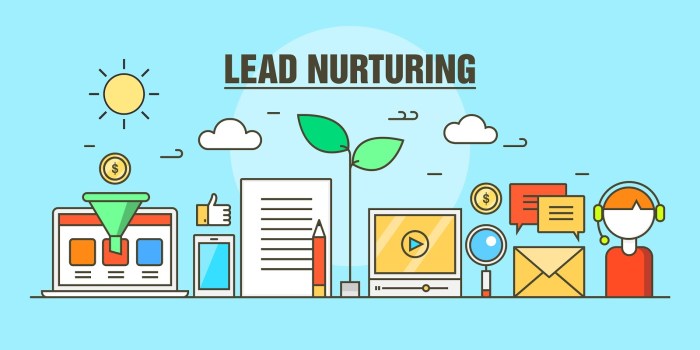
Lead nurturing for B2B marketing success is crucial for building long-term relationships and driving revenue. It’s not just about collecting leads; it’s about carefully guiding potential customers through the sales funnel, providing valuable information at each stage, and ultimately converting them into loyal clients. This involves understanding the nuances of B2B sales, crafting compelling content, selecting the right tools, and meticulously measuring campaign performance.
Let’s explore the strategies and tactics needed to maximize your lead nurturing efforts.
This comprehensive guide dives deep into the world of lead nurturing for B2B success. We’ll cover defining lead nurturing, designing effective content strategies, leveraging the right technology, and optimizing campaigns for maximum impact. The guide also features practical examples, tables outlining key stages and metrics, and real-world case studies to illustrate the principles in action.
Defining Lead Nurturing for B2B Success
Lead nurturing is a cornerstone of successful B2B marketing. It’s a strategic approach that focuses on cultivating relationships with potential customers (leads) over time, moving them through the sales funnel and ultimately converting them into paying clients. This differs significantly from other B2B marketing strategies, offering a more personalized and gradual approach to engagement.Lead nurturing goes beyond simple outbound sales pitches or generic content marketing efforts.
It’s about understanding each lead’s specific needs and pain points, providing tailored content that educates and builds trust. This personalized approach results in higher conversion rates and stronger customer relationships, crucial for long-term B2B success. Its importance stems from the often lengthy and complex nature of B2B sales cycles. Nurturing leads allows businesses to stay top-of-mind, address objections proactively, and ultimately close more deals.
Key Differences from Other B2B Strategies
Lead nurturing differs from outbound sales by focusing on relationship building rather than immediate transactions. Outbound sales often employs a “push” strategy, trying to force a sale. In contrast, lead nurturing uses a “pull” approach, attracting leads with valuable information and building trust over time. It also differs from content marketing in that it’s not just about creating valuable content; it’s about strategically using that content to move leads through the sales funnel.
Content marketing may focus on broad topics, while lead nurturing focuses on individual lead needs.
Importance of Lead Nurturing in B2B Objectives
Lead nurturing plays a pivotal role in achieving B2B marketing objectives. By focusing on lead qualification and engagement, businesses can generate more qualified leads, which are more likely to convert into paying customers. This, in turn, reduces marketing costs and increases the ROI of marketing efforts. This approach improves brand perception and establishes thought leadership in the industry, enhancing long-term business growth and brand reputation.
Stages of the B2B Sales Funnel and Lead Nurturing
Understanding the stages of the B2B sales funnel is crucial for effective lead nurturing. The table below Artikels how lead nurturing supports each stage.
| Stage | Lead Nurturing Activities | Example Content | Metrics |
|---|---|---|---|
| Awareness | Free resources, webinars, blog posts, social media engagement | Blog post on industry trends, case studies on similar solutions, valuable ebooks. | Website traffic, social media engagement, downloads of resources. |
| Consideration | Case studies, product demos, personalized emails, targeted ads | Case study showcasing successful client implementations, tailored product demos, targeted emails based on lead interests. | Lead engagement, demo requests, email open rates, click-through rates. |
| Decision | Personalized proposals, testimonials, final product demos, tailored presentations | Personalized email outlining benefits of the solution, tailored presentations addressing specific needs, testimonials from satisfied clients. | Conversion rate, contract negotiations, sales cycle length. |
Content Strategies for Effective Lead Nurturing
Lead nurturing is a crucial aspect of B2B marketing success. It’s about building relationships with potential customers over time, guiding them through the sales funnel, and ultimately converting them into loyal clients. A well-defined content strategy is the backbone of any successful lead nurturing campaign. It’s not just about creating content; it’s about strategically crafting pieces that resonate with different stages of the buyer journey.
This strategy goes beyond simply publishing blog posts. It involves understanding the specific needs and pain points of your target audience at each stage of the buyer’s journey. By creating content that directly addresses these needs, you can establish trust, build credibility, and ultimately drive conversions.
Content Calendar Template for a Lead Nurturing Campaign
A content calendar is an essential tool for organizing and scheduling your lead nurturing efforts. It helps maintain consistency and ensures your content aligns with your overall marketing goals. A well-structured calendar maps out the types of content you’ll create, when they’ll be published, and the specific target audience each piece will address.
The calendar should include details about the content type, target audience segment, publishing date, promotion channels, and expected engagement metrics. This allows for tracking progress and making necessary adjustments.
Lead nurturing is key for B2B marketing success, building strong relationships with potential clients over time. It’s all about providing valuable content and engaging with leads at each stage of the buyer’s journey. A great example of someone mastering this is visible expert profile Sarah Susanka, who consistently delivers insightful content on the subject visible expert profile sarah susanka.
Her approach clearly demonstrates how lead nurturing can transform prospects into loyal customers, ultimately driving business growth.
Various Content Formats for Lead Nurturing
Effective lead nurturing leverages diverse content formats to cater to various learning styles and preferences. From engaging blog posts to informative webinars, the variety keeps the leads engaged and informed. Different formats allow you to target specific stages of the sales funnel with tailored messages.
- Blog Posts: These are excellent for establishing thought leadership and addressing industry trends. Blog posts should offer actionable insights and value to your target audience, fostering trust and encouraging them to explore your offerings further.
- Ebooks and White Papers: In-depth resources offer valuable information in exchange for contact information. They demonstrate expertise and position your company as a leader in the industry.
- Webinars: Live presentations provide an interactive platform for engaging with leads. This format is particularly effective for educating prospects on specific topics and showcasing expertise.
- Email Sequences: Targeted email campaigns are crucial for nurturing leads. These sequences can include welcome emails, follow-up messages, and automated reminders, keeping leads engaged and informed about your offerings.
Examples of Effective B2B Lead Nurturing Content
Effective lead nurturing content addresses specific needs and pain points of the target audience. It is not just about promoting products or services, but about building relationships and establishing trust. A case study, for instance, demonstrates the value proposition of your product through a real-world application. A webinar showcases your expertise and addresses common questions and concerns.
The goal is to guide prospects through the sales funnel and help them see the value of your offering.
- A software company offering a project management tool might create a series of blog posts addressing common project management challenges. These posts could be accompanied by downloadable checklists or templates.
- A marketing agency might offer an ebook on content marketing strategies, showcasing their expertise and offering a valuable resource to potential clients.
Content Placement in the Sales Funnel
| Content Type | Sales Funnel Stage | Example | Call to Action |
|---|---|---|---|
| Blog Post | Awareness | Industry insights on the benefits of cloud-based solutions | Download a free checklist for cloud migration |
| Case Study | Consideration | Detailed case study showcasing the success of a specific client using your CRM | Request a personalized demo of the CRM |
| Webinar | Decision | Live presentation on advanced data analytics strategies and their application | Schedule a consultation with a data analytics expert |
Technology & Tools for Lead Nurturing
Lead nurturing in B2B marketing is crucial for converting prospects into loyal customers. Effective lead nurturing relies heavily on the right technology and tools. These tools automate and streamline the process, allowing marketers to personalize interactions and nurture leads at each stage of their journey. The right software can significantly improve campaign performance and ROI.The selection of lead nurturing software is critical to a successful B2B strategy.
The right tool can automate repetitive tasks, personalize communications, and track the progress of leads, ultimately leading to more qualified opportunities. By understanding the features and capabilities of various platforms, businesses can choose the best fit for their specific needs and scale their efforts effectively.
Software Solutions for Lead Nurturing
Various software solutions are available to support lead nurturing efforts. These platforms offer diverse features to help automate and personalize interactions with leads. Key platforms include HubSpot, Marketo, Pardot, and others. Each platform offers a range of features, making it essential to evaluate their specific capabilities.
Key Features and Advantages
Lead nurturing platforms often include features like automated email sequences, personalized content recommendations, and lead scoring. These features allow for streamlined lead management, enabling marketers to efficiently engage leads at different stages of the buyer’s journey. For example, an automated email sequence can welcome new leads, provide valuable content, and ultimately guide them towards a purchase.
Comparing Lead Nurturing Platforms
Different platforms offer varying strengths and weaknesses. HubSpot, a comprehensive platform, is known for its ease of use and versatility, suitable for managing multiple leads and automating workflows. However, it may lack the advanced segmentation capabilities of platforms like Marketo, which are often better suited for complex B2B campaigns and sophisticated marketing automation strategies. Pardot, for example, often boasts advanced personalization capabilities, while ActiveCampaign provides a robust platform for small to medium-sized businesses (SMBs).
Effective Lead Nurturing Workflows
Effective lead nurturing workflows typically involve a series of automated emails, personalized content, and targeted interactions. These interactions guide leads through the buyer’s journey, from initial awareness to final purchase. A typical workflow might include a welcome email, followed by educational content, and finally a call to action for a product demonstration. For example, a company selling software could send a series of emails showcasing the software’s benefits and functionalities, culminating in a webinar or a personalized demo.
Pros and Cons of Lead Nurturing Software
The table below Artikels the advantages and disadvantages of different lead nurturing platforms. This information can assist in the selection process based on specific needs and resources.
| Tool | Pros | Cons | Use Cases |
|---|---|---|---|
| HubSpot | Comprehensive platform, user-friendly interface, affordable pricing for smaller businesses, integrated CRM functionalities | Steep learning curve for advanced features, limited customization options compared to more advanced platforms | Managing multiple leads, automating basic workflows, small to medium-sized businesses |
| Marketo | Advanced segmentation, complex automation, detailed reporting and analytics | Expensive, challenging implementation, requires skilled personnel | Complex B2B campaigns, large organizations with high lead volume |
| Pardot (Salesforce) | Excellent integration with Salesforce, advanced personalization options, powerful reporting and analytics | Higher price point, steep learning curve for new users | Large organizations with existing Salesforce implementations, complex B2B sales cycles |
| ActiveCampaign | User-friendly interface, affordable pricing, excellent support for email marketing and automation, flexible customization | Limited features for very complex B2B marketing needs, less robust reporting features compared to other enterprise solutions | Small to medium-sized businesses, businesses with specific email marketing needs |
Measuring & Optimizing Lead Nurturing Campaigns
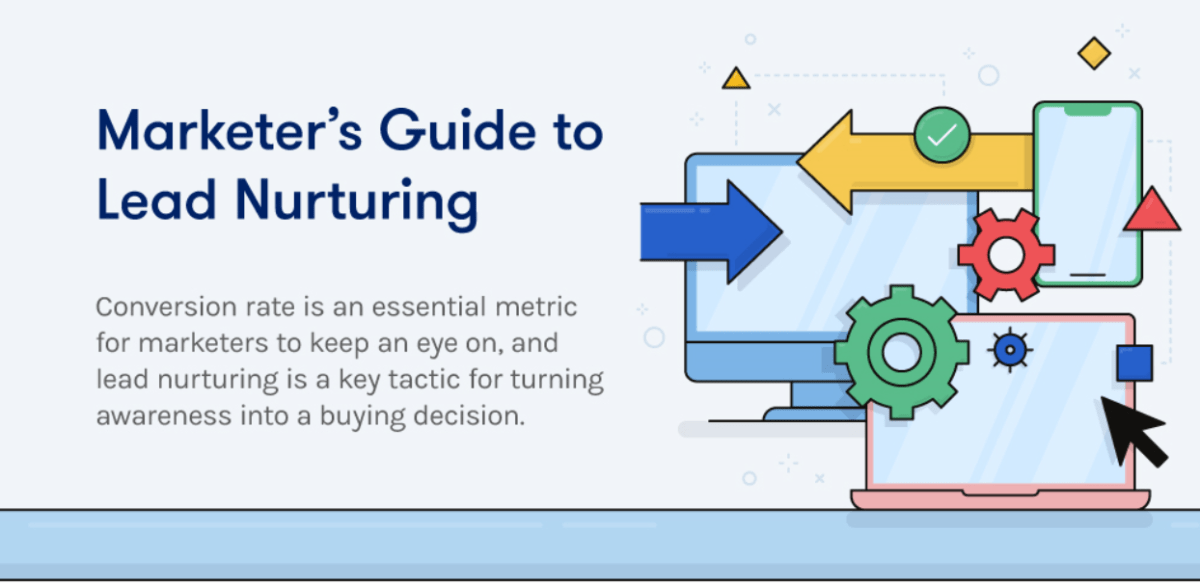
Lead nurturing isn’t just about sending emails; it’s a sophisticated process demanding meticulous tracking and analysis to ensure maximum impact. Effective lead nurturing campaigns are built on a foundation of data-driven insights. By meticulously measuring key metrics and identifying areas for improvement, marketers can fine-tune their strategies to convert leads into paying customers.Understanding the performance of your lead nurturing campaigns is paramount to achieving B2B marketing success.
This involves more than just observing open and click-through rates. A comprehensive approach to analysis allows you to pinpoint what resonates with your target audience, optimize content relevance, and ultimately boost conversion rates.
Lead nurturing is key for B2B marketing success, but knowing where to focus your efforts is crucial. Understanding your SaaS goals and how they relate to different customer segments is essential for maximizing ROI. This is precisely where the ultimate guide to harnessing SaaS goals vs segments for optimal success comes in handy. By aligning your lead nurturing strategies with a clear understanding of your target audience, you’ll see significant improvements in your overall B2B marketing performance.
Crucial Metrics for Evaluating Lead Nurturing Success
Understanding which metrics to track is critical for evaluating the success of lead nurturing campaigns. A range of key performance indicators (KPIs) can provide valuable insights into campaign effectiveness. These metrics help you gauge engagement, conversion potential, and overall ROI.
Tracking and Analyzing Lead Nurturing Campaign Performance, Lead nurturing for b2b marketing success
Effective tracking and analysis are essential for identifying areas needing improvement. Utilize analytics dashboards and reporting tools to monitor key metrics. This allows for the creation of detailed reports that highlight campaign performance over time, enabling you to observe trends and make informed decisions.
Identifying Areas for Improvement and Optimizing Campaigns
Regularly reviewing lead nurturing campaign performance is crucial for identifying areas for optimization. A detailed analysis allows for the identification of content gaps, ineffective messaging, or problematic workflows. This leads to strategic adjustments in content, messaging, and automation sequences. A critical part of this process is understanding the reasons behind low conversion rates. Is the content not engaging enough?

Are the calls to action unclear? Are the follow-up emails not personalized enough? Addressing these questions helps optimize the entire nurturing process.
Analyzing Data to Improve Nurturing Strategies
Data analysis is the cornerstone of successful lead nurturing. By examining conversion rates, engagement metrics, and other relevant data points, you can identify trends and patterns. This data-driven approach reveals opportunities to enhance content, tailor messaging, and streamline the overall lead nurturing process. For example, if a specific segment of leads shows little engagement with a particular nurturing sequence, you can re-evaluate the content, modify the delivery method, or target the message more effectively.
Lead nurturing is key for B2B marketing success, building strong relationships with potential clients. One crucial aspect of optimizing your website for lead generation is ensuring your sitemap is efficient and doesn’t bloat your SEO efforts. To avoid that, learning how to easily disable the default WordPress sitemap can be a game-changer. This guide provides a simple solution for a more streamlined approach.
This refined approach helps your lead nurturing campaigns to perform better by focusing on what matters most: connecting with potential customers.
Key Metrics and Interpretation
The table below presents key metrics and their interpretations to provide actionable insights for optimizing your lead nurturing strategies.
| Metric | Description | Interpretation | Actionable Insights |
|---|---|---|---|
| Conversion Rate | Percentage of leads converted into customers. | High conversion rate indicates an effective nurturing strategy. Low conversion rate signals potential issues with content, messaging, or the overall customer journey. | Refine the messaging to address objections and concerns. Ensure the content is valuable and persuasive. |
| Lead Engagement | Interaction with nurturing materials, such as email open rates, click-through rates, and time spent on landing pages. | Low engagement indicates a need to adjust the content’s relevance, tone, and format. | Personalize the content based on the individual lead’s characteristics and needs. Use more interactive content formats, such as videos or quizzes. |
| Average Time to Conversion | The average duration it takes for a lead to convert into a customer after engaging with the nurturing program. | A long time to conversion may suggest that the nurturing process is too slow or not effectively addressing the lead’s needs. | Refine the nurturing sequence by focusing on quicker resolution of the lead’s concerns and needs. |
| Bounce Rate | Percentage of emails that are not delivered to the recipient’s inbox. | High bounce rate indicates potential issues with email list hygiene, spam filters, or incorrect email addresses. | Cleanse the email list to remove invalid or inactive addresses. Ensure the content is not flagged as spam. |
Illustrative Examples of Successful Lead Nurturing: Lead Nurturing For B2b Marketing Success
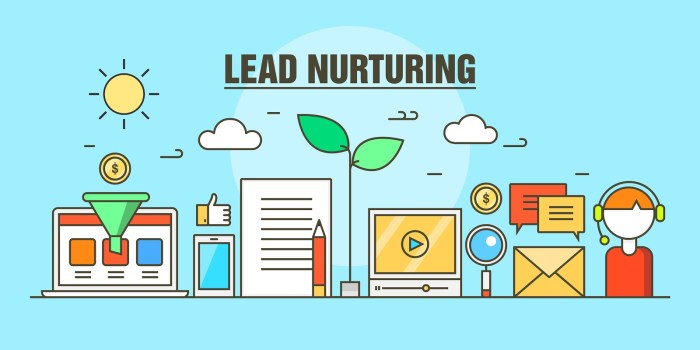
Lead nurturing isn’t just a buzzword; it’s a powerful strategy for driving B2B sales. Effective lead nurturing campaigns build relationships, educate prospects, and position businesses as trusted advisors, ultimately leading to higher conversion rates and increased revenue. This section delves into real-world examples of successful lead nurturing campaigns, examining the strategies, tactics, and results achieved.Successful lead nurturing campaigns often demonstrate a deep understanding of the target audience’s needs and pain points.
By addressing these concerns through valuable content, businesses cultivate trust and position themselves as problem-solvers, rather than just product sellers. This section will show how these strategies play out in practice, with a focus on measurable results.
Real-World B2B Lead Nurturing Campaign Examples
Understanding successful lead nurturing campaigns requires looking beyond generic strategies and focusing on the specific approaches employed. The examples highlighted below showcase a range of successful implementations across various industries.
Case Study: Software Company A
Software Company A, a provider of project management software, focused its lead nurturing efforts on potential enterprise clients. Their target audience consisted of business leaders responsible for IT strategy and project management within organizations with 500+ employees. They identified that these prospects needed convincing on the software’s scalability and efficiency improvements.
- Content Strategy: The company created a series of downloadable guides and webinars focused on specific pain points like project bottlenecks, resource allocation challenges, and project cost overruns. These resources were tailored to the specific concerns of enterprise clients, demonstrating how the software could directly address these issues.
- Technology and Tools: They leveraged a marketing automation platform to segment their leads based on engagement with different content pieces. Automated email sequences were triggered based on lead behavior, providing tailored information and nurturing the leads through the sales funnel.
- Measuring and Optimizing: Key metrics tracked included download rates, webinar attendance, and lead conversion rates. Regular analysis of these metrics allowed the company to identify areas for improvement in their content and automation sequences, ensuring they were consistently addressing the needs of their target audience. The platform also provided insights into the most effective engagement points, allowing the team to further refine their strategy.
The results of this campaign were impressive. A notable increase in qualified leads and a significant boost in sales were observed within the first quarter of implementation. The campaign demonstrated the value of aligning lead nurturing content with specific audience pain points and leveraging technology to personalize the experience.
Key Strategies for Success
Effective lead nurturing strategies require a multi-faceted approach, combining engaging content with personalized communication. This section highlights crucial strategies used in successful campaigns.
- Segmentation and Personalization: Categorizing leads based on their characteristics and engagement allows for personalized content delivery. This tailored approach increases engagement and strengthens the relationship between the business and the prospect.
- Consistent Content Delivery: Regular, valuable content, such as blog posts, webinars, and case studies, establishes the company as a thought leader and keeps the leads engaged.
- Clear Call-to-Actions (CTAs): Each piece of content should clearly guide the prospect to the next step, whether it’s downloading a resource, attending a webinar, or requesting a demo.
Challenges and Solutions
While lead nurturing campaigns often yield significant returns, they can present challenges. Addressing these challenges head-on is critical for success.
- Maintaining Engagement: Keeping prospects engaged over time requires consistent and valuable content. This involves understanding their needs and tailoring the content accordingly.
- Tracking and Measurement: Robust tracking mechanisms are essential to measure the effectiveness of different strategies and optimize the campaign over time. Key metrics should be clearly defined and monitored.
Wrap-Up
In conclusion, successful B2B lead nurturing requires a strategic approach that aligns with your specific business goals and target audience. By meticulously crafting valuable content, leveraging the right tools, and measuring campaign performance, you can effectively guide potential customers through the sales funnel, fostering lasting relationships and driving remarkable results. The key takeaway? Lead nurturing is not a one-size-fits-all solution; it demands personalization, consistency, and a willingness to adapt and refine your strategies over time.