Marketing planning process for professional services is a crucial aspect of success in today’s competitive landscape. It’s not just about advertising; it’s about understanding your unique value proposition, targeting the right clients, and crafting a compelling narrative that showcases your expertise. This guide dives deep into the essential steps, from defining your scope to implementing and monitoring your plan, offering actionable insights and practical strategies for professional service firms.
This comprehensive guide covers defining the scope of your professional services marketing, crucial market research and analysis, setting strategic goals and objectives, developing effective marketing strategies, implementing and monitoring the plan, and finally, analyzing case studies and best practices. We’ll explore how to differentiate your firm, understand your target audience, and leverage various marketing channels to achieve optimal results.
Defining the Scope of Professional Services Marketing
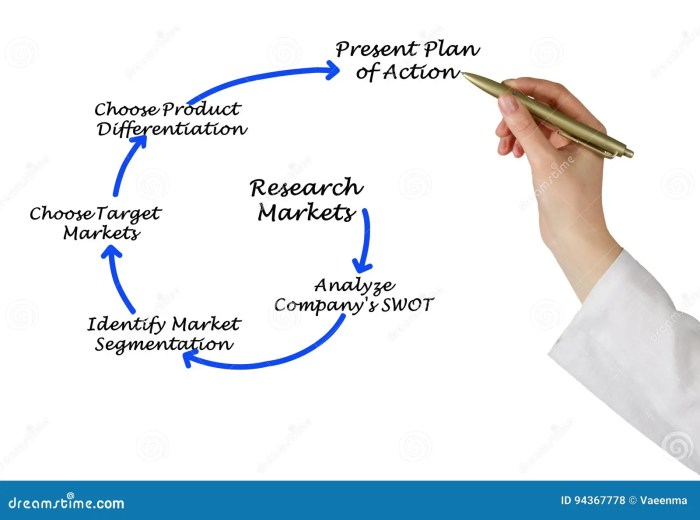
Professional services marketing differs significantly from marketing in other industries. It’s not about selling a tangible product; instead, it’s about showcasing expertise, building trust, and establishing credibility. This unique approach requires a deep understanding of the target audience’s needs and a clear articulation of the value proposition offered by the professional service. A strong marketing plan for professional services focuses on relationship building, thought leadership, and demonstrating expertise.This marketing approach centers around highlighting the value of the service provider’s knowledge and experience.
It’s about demonstrating competence and trustworthiness, which are crucial for building long-term client relationships. A professional service firm’s marketing efforts need to resonate with the sophisticated and often discerning needs of their target clients, emphasizing the unique skills and expertise that set them apart.
Target Audience Considerations
The target audience for professional services is not just any customer; it’s a specific group with distinct characteristics. Understanding these characteristics is crucial to crafting effective marketing strategies. These clients are often high-net-worth individuals, corporations, or other organizations seeking specific expertise. They require a personalized approach that demonstrates an understanding of their particular needs and challenges. They are looking for more than just a solution; they want a partner who understands their business and can provide tailored advice.
Understanding Professional Service Offerings and Expertise
A strong marketing strategy hinges on a thorough understanding of the professional service offerings and the unique expertise of the firm. This understanding allows the firm to tailor its messaging to resonate with the specific needs and challenges of its target audience. A robust strategy will highlight the specific skills and experience of the team members. This is particularly important when marketing to businesses or individuals seeking advice and solutions to complex problems.
Crafting a robust marketing plan for professional services often hinges on understanding your target audience and their needs. For instance, a company like Growth Natives, demonstrating commitment to HIPAA compliance, as detailed in their recent announcement growth natives announces hipaa compliance , clearly shows the importance of data security in today’s market. This ultimately impacts the overall marketing strategy by allowing for a more focused approach towards building trust and credibility with clients.
Branding and Positioning for Professional Services Firms
Branding and positioning are critical for professional services firms. A well-defined brand communicates the firm’s values, mission, and expertise. Positioning, on the other hand, defines the firm’s unique place in the market and differentiates it from competitors. It emphasizes the specific expertise and value proposition offered. This clarity is essential in a market where clients are often evaluating several firms.
Examples of Successful Branding Strategies
Numerous professional services firms have implemented successful branding strategies. McKinsey & Company, for instance, is known for its sophisticated branding, projecting an image of strategic thinking and problem-solving. Similarly, Deloitte and PwC have built strong brands around their deep industry knowledge and extensive experience. These firms’ brand recognition and strong reputations are directly tied to consistent marketing strategies emphasizing expertise and building trust.
Their positioning as thought leaders in their respective fields has significantly contributed to their success.
Market Research and Analysis
Understanding your target market is crucial for crafting a successful professional services marketing plan. A deep dive into market dynamics allows you to tailor your messaging and strategies to resonate with your ideal clients, leading to increased engagement and ultimately, more business. This stage involves a thorough examination of current market trends, client needs, and competitive landscapes.Thorough market research isn’t just about gathering data; it’s about transforming that data into actionable insights.
This translates to developing strategies that attract the right clients and position your firm as a leader in the professional services arena. It’s about more than just numbers; it’s about understanding the nuances of your target audience and their motivations.
Importance of Thorough Market Research
Market research forms the bedrock of any effective professional services marketing strategy. By meticulously analyzing market trends, client preferences, and competitor activities, you gain invaluable insights that drive informed decision-making. This allows you to tailor your marketing efforts to meet the specific needs and expectations of your target audience.
Identifying Target Audiences
Identifying your target audience is a critical step in the marketing process. It involves segmenting the market based on shared characteristics, needs, and motivations. In the professional services sector, this could include lawyers targeting corporate clients, or financial advisors focusing on high-net-worth individuals.
Market Research Methods
Several methods can be employed to gather comprehensive market intelligence. Surveys, for example, can help gauge client preferences and identify pain points. Analyzing competitor strategies reveals opportunities for differentiation and market positioning. Both surveys and competitor analysis provide crucial data for developing a strategic marketing plan.
Data Analytics for Client Needs and Trends
Data analytics plays a pivotal role in understanding client needs and market trends. Analyzing client feedback, website traffic, and social media engagement allows for a comprehensive understanding of client preferences and emerging market trends. This data-driven approach allows for continuous improvement and adaptation of your marketing strategies to maintain a competitive edge. For example, analyzing website traffic patterns can reveal which services are most in-demand, helping prioritize marketing efforts.
Key Market Segments for Professional Services
Understanding the different market segments is crucial for tailoring your marketing efforts. Different segments have different needs and expectations. A well-defined segmentation strategy allows for targeted messaging and optimized resource allocation.
| Market Segment | Description | Examples |
|---|---|---|
| Corporate Clients | Large organizations seeking specialized expertise. | Law firms specializing in mergers and acquisitions, management consulting firms advising on strategic planning. |
| Small and Medium-Sized Businesses (SMBs) | Businesses requiring cost-effective solutions and tailored support. | Accountants offering bookkeeping and tax preparation, marketing agencies specializing in small business growth. |
| High-Net-Worth Individuals (HNWIs) | Wealthy individuals seeking sophisticated financial and legal counsel. | Financial advisors managing complex investment portfolios, estate planning lawyers. |
| Non-Profit Organizations | Organizations requiring specialized expertise in areas like fundraising, legal compliance. | Nonprofit fundraising consultants, legal firms specializing in charitable trusts. |
Setting Strategic Goals and Objectives
Defining the scope of your professional services marketing efforts is only half the battle. The next crucial step is establishing clear, measurable goals and objectives that will guide your entire campaign. These objectives will dictate the strategies you employ, the tactics you execute, and ultimately, the success you achieve. Without well-defined goals, your marketing efforts risk becoming aimless and ineffective.Effective professional services marketing hinges on a laser focus.
SMART goals, measurable key performance indicators (KPIs), and a deep understanding of the factors driving success are essential for achieving tangible results. Aligning these marketing objectives with your overall business objectives ensures that your marketing efforts are contributing directly to the growth and profitability of your organization.
Establishing SMART Goals for Professional Services Marketing
SMART goals are the cornerstone of effective marketing strategies. They provide a structured framework for defining specific, measurable, achievable, relevant, and time-bound objectives. This structure ensures your marketing efforts are focused and produce tangible results. A poorly defined goal can lead to wasted resources and diminished ROI.
- Specific: Instead of a general goal like “increase brand awareness,” aim for “increase brand awareness among CFOs in the tech sector by 15% within the next quarter.” This level of specificity allows for better tracking and adjustments.
- Measurable: Define metrics that allow you to track progress toward your goal. Examples include website traffic, lead generation, conversion rates, and social media engagement. Quantitative measures provide a clear picture of performance.
- Achievable: Set realistic goals that are challenging but attainable within the given timeframe. Unrealistic goals can lead to discouragement and reduced motivation.
- Relevant: Ensure that your goals align with your overall business objectives and target audience. A goal that doesn’t contribute to your overall business strategy is irrelevant.
- Time-bound: Establish deadlines for achieving your goals. This creates a sense of urgency and keeps your team focused on achieving results within a specific timeframe. Without a timeframe, goals often become abstract and forgotten.
Measurable KPIs for Professional Services Marketing
Key performance indicators (KPIs) provide a quantifiable way to track the effectiveness of your professional services marketing campaigns. Choosing the right KPIs is crucial for measuring progress and demonstrating ROI.
- Lead Generation: Track the number of qualified leads generated through various marketing channels. This could be measured through forms filled out on a website, calls made to a service line, or inquiries submitted via email. Conversion rates are another important metric to track.
- Website Traffic and Engagement: Monitor website traffic, bounce rates, time spent on pages, and other engagement metrics to assess the effectiveness of your website and online presence. High bounce rates may signal that website content or user experience needs improvement.
- Social Media Engagement: Track social media engagement metrics such as likes, shares, comments, and follower growth. These metrics provide insights into audience interest and interaction with your brand.
- Conversion Rates: Measure the percentage of leads who convert into paying clients. A high conversion rate suggests effective marketing strategies that resonate with your target audience.
Factors Contributing to Marketing Strategy Success
Several key factors contribute to the success of a professional services marketing strategy.
Crafting a solid marketing plan for professional services requires careful strategy. Understanding your target audience is key, but incorporating innovative tools like artificial intelligence in marketing can significantly boost your reach and efficiency. Ultimately, a well-defined marketing plan, informed by the latest advancements, is crucial for professional service firms to thrive in today’s competitive landscape.
- Understanding the Target Audience: Thorough market research and analysis are vital to understand the needs, pain points, and preferences of your ideal clients. This allows you to tailor your message and marketing efforts accordingly.
- Building Thought Leadership: Positioning yourself as an expert in your field through thought leadership content (blog posts, articles, webinars) enhances your credibility and attracts potential clients.
- Consistent Branding: Maintaining a consistent brand image across all marketing channels strengthens brand recognition and trust among potential clients.
- Excellent Client Relationships: Building strong relationships with clients is critical to repeat business and positive word-of-mouth referrals. Client satisfaction directly impacts the success of your marketing efforts.
Potential Goals and Metrics
| Potential Goal | Corresponding Metrics |
|---|---|
| Increase website traffic by 20% | Website visits, unique visitors, average session duration |
| Generate 10 qualified leads per month | Number of leads, lead source, lead qualification rate |
| Increase brand awareness among target audience by 15% | Social media engagement, brand mentions, online search volume |
| Achieve a 10% conversion rate from leads to clients | Number of leads, number of clients acquired, lead conversion rate |
Aligning Marketing Objectives with Business Objectives
“Marketing should be a direct reflection of the overall business objectives.”
Integrating marketing objectives with overall business goals ensures that marketing efforts directly contribute to profitability and growth. It’s not just about attracting clients; it’s about attracting the right clients who align with your business strategy and can drive long-term value.
Developing Marketing Strategies
Crafting a winning marketing strategy for professional services requires a deep understanding of your target audience, your unique value proposition, and the specific channels that resonate most effectively. It’s not a one-size-fits-all approach; success hinges on tailoring your strategies to the nuances of your industry and client base. This phase focuses on developing a comprehensive plan that Artikels how to effectively communicate your services and establish your firm as a trusted advisor.Effective marketing strategies for professional services firms involve meticulous planning, clear communication of expertise, and a consistent brand presence across various channels.
This necessitates a deep understanding of the target market’s needs, challenges, and preferred methods of communication. By strategically leveraging various channels, professional services firms can establish credibility, generate leads, and ultimately drive revenue growth.
Creating a Comprehensive Framework for Marketing Strategies
A robust framework for professional services marketing strategies should encompass a detailed understanding of your target market, your competitive landscape, and your unique value proposition. This framework should guide your decisions across all marketing channels, ensuring consistency and alignment with your overall business goals. Crucially, it should allow for continuous monitoring and adaptation based on performance data. This dynamic approach ensures that your marketing efforts remain relevant and effective in an ever-evolving market.
Comparing and Contrasting Marketing Channels
Different marketing channels cater to specific needs and target audiences within the professional services sector. For example, networking events provide valuable opportunities for face-to-face interaction and relationship building, ideal for cultivating long-term client partnerships. Conversely, online marketing channels like and social media offer broader reach and scalability, particularly beneficial for attracting potential clients who are actively searching for relevant services.
Each channel’s effectiveness depends on the specific goals and target audience of the professional services firm.
- Networking Events and Industry Partnerships: Networking events, industry conferences, and partnerships with complementary firms offer opportunities for direct interaction and lead generation. Building strong relationships with potential clients and industry leaders through these channels can lead to valuable referrals and long-term business partnerships.
- Content Marketing: Content marketing, including thought leadership articles, blog posts, webinars, and case studies, establishes your firm as a trusted advisor in the industry. Providing valuable, informative content positions your firm as a resource for clients, thereby building credibility and driving organic traffic to your website. This attracts potential clients actively seeking solutions in your area of expertise.
- Online Marketing Tactics ( and Social Media): Search Engine Optimization () enhances your online visibility, attracting potential clients actively searching for relevant services. Social media platforms allow for targeted advertising, engaging content sharing, and direct communication with potential clients, creating a strong online presence.
The Role of Content Marketing
Content marketing plays a pivotal role in establishing thought leadership and brand authority in professional services. High-quality content, such as insightful articles, thought-provoking blog posts, and informative webinars, positions your firm as an expert in your field. This content demonstrates your deep understanding of industry trends and challenges, attracting potential clients who value your expertise. It establishes your firm as a trusted resource, building long-term relationships and driving referrals.
Leveraging Networking Events and Industry Partnerships, Marketing planning process for professional services
Networking events and strategic partnerships are crucial for generating leads and establishing credibility within the professional services industry. These events offer opportunities for direct interaction with potential clients and industry leaders. Developing strategic alliances with complementary firms can extend your reach and create synergistic opportunities for growth. For instance, a law firm collaborating with a financial advisor can offer a comprehensive suite of services to clients.
Utilizing Online Marketing Tactics
Online marketing tactics, such as and social media, are essential for expanding the reach of professional services firms. optimization ensures that your website ranks highly in search engine results, driving organic traffic to your site. Social media platforms allow for targeted advertising, engagement with potential clients, and building brand awareness. The combination of and social media can significantly increase your online presence, attracting a wider pool of potential clients.
Successful online marketing requires a well-defined strategy and consistent execution to maximize its impact.
Implementing and Monitoring the Plan: Marketing Planning Process For Professional Services
Putting your professional services marketing plan into action is crucial for achieving your goals. A well-executed plan, meticulously monitored and adjusted, will maximize your return on investment and ensure your marketing efforts contribute significantly to your bottom line. This stage isn’t just about launching campaigns; it’s about actively managing them for optimal results.Implementing a marketing plan requires a structured approach, ensuring each element is executed effectively and efficiently.
This includes careful budgeting, consistent tracking of key metrics, and a willingness to adapt to changing market conditions. This proactive management approach allows you to continuously improve your strategy and maximize your ROI.

Implementing the Marketing Plan
A comprehensive implementation strategy involves breaking down the marketing plan into manageable tasks and assigning responsibilities. This ensures accountability and clarity throughout the process. Clear communication channels are vital to keep everyone informed about progress, roadblocks, and necessary adjustments.
Crafting a solid marketing plan for professional services firms often involves understanding the crucial element of lead generation. Knowing how much lead generation services cost is key to budgeting effectively. For instance, checking out a pricing guide like this one can help you understand the various pricing models and factors influencing costs lead generation services pricing guide how much does it cost.
Ultimately, incorporating a realistic understanding of these costs into your marketing plan ensures your strategy aligns with your financial resources, which is essential for sustainable growth.
- Task Assignment: Assign specific tasks to team members, outlining their responsibilities and deadlines. This ensures accountability and avoids bottlenecks.
- Timeline Management: Establish realistic timelines for each task and campaign phase. Track progress against these timelines to identify and address potential delays.
- Communication Protocols: Establish clear communication channels to keep all stakeholders informed about progress, issues, and decisions. Regular meetings and updates are crucial.
- Resource Allocation: Ensure adequate resources (personnel, budget, tools) are available for each task to avoid delays or insufficient support.
Budgeting and Resource Allocation
Effective budgeting is the bedrock of a successful marketing campaign. It ensures that resources are allocated appropriately to maximize their impact. A detailed budget helps track spending and maintain control over the campaign’s financial performance.
- Detailed Budget Breakdown: Create a comprehensive budget that Artikels the cost of each marketing activity (e.g., advertising, content creation, events). This allows for transparent tracking and identification of areas where adjustments might be necessary.
- Allocation of Funds: Allocate funds based on the strategic importance of each activity. High-impact activities should receive a larger portion of the budget.
- Contingency Planning: Include a contingency fund in the budget to address unexpected costs or changes in the market landscape. This ensures flexibility and avoids major disruptions.
Tracking KPIs and Making Adjustments
Monitoring key performance indicators (KPIs) is essential to assess the effectiveness of your marketing efforts and identify areas needing improvement. Regular review of KPIs allows for timely adjustments to optimize results.
- Key Performance Indicator (KPI) Selection: Choose KPIs relevant to your specific marketing goals (e.g., website traffic, lead generation, conversion rates). This ensures you’re tracking metrics that directly impact your business objectives.
- Regular Monitoring: Regularly review KPI data to identify trends and patterns. This allows for proactive adjustments to your strategy.
- Data-Driven Decisions: Use data analysis to inform decisions about campaign adjustments. This ensures that marketing efforts are aligned with the latest performance insights.
Monitoring Campaign Effectiveness and ROI
Analyzing the return on investment (ROI) for each marketing campaign is crucial for measuring success and optimizing future strategies. Understanding which campaigns are performing well and which need adjustments allows you to refine your approach.
- ROI Calculation: Calculate the ROI for each campaign by comparing the cost of the campaign to the revenue generated. This provides a clear understanding of the effectiveness of your marketing efforts.
- Campaign Performance Analysis: Analyze campaign performance across various channels (e.g., social media, email marketing, website). This allows for targeted improvements and optimization of channels that deliver the best results.
- Reporting and Analysis: Create regular reports to summarize campaign performance, highlighting key metrics and trends. This facilitates ongoing analysis and strategic adjustments.
Example Marketing Budget Breakdown
| Category | Description | Estimated Cost |
|---|---|---|
| Advertising | Social media ads, print ads, radio spots | $5,000 |
| Content Marketing | Blog posts, articles, white papers | $2,500 |
| Events | Industry conferences, webinars | $3,000 |
| Website Optimization | , website improvements | $1,500 |
| Marketing Tools | CRM software, marketing automation | $1,000 |
| Contingency | Unexpected expenses | $1,000 |
| Total | $15,000 |
Case Studies and Best Practices
Learning from the successes and failures of others is crucial in professional services marketing. Analyzing proven strategies and identifying common challenges allows firms to refine their approaches and achieve greater impact. Case studies offer invaluable insights, revealing the factors that contribute to successful campaigns and highlighting the importance of adapting strategies to specific niches and evolving market dynamics.This section delves into real-world examples of successful marketing campaigns, dissecting the strategies, tactics, and results.
It also addresses the common challenges professional services firms face in marketing and proposes practical solutions. Furthermore, it explores how technological advancements are shaping the landscape of professional services marketing.
Successful Marketing Campaigns for Professional Services Firms
Many successful professional services marketing campaigns emphasize building trust and credibility. For example, a firm specializing in tax law might host webinars on current tax legislation, showcasing their expertise and providing value to potential clients. Another approach involves creating thought leadership content, such as articles or white papers, demonstrating in-depth knowledge and positioning the firm as a go-to resource in its field.
Results often include increased brand awareness, lead generation, and client acquisition.
Strategies, Tactics, and Results of Successful Campaigns
A key strategy in many successful campaigns is content marketing. This often involves creating high-quality, informative content such as blog posts, articles, and videos that address the pain points and needs of target audiences. Tactics can include optimization to ensure the content reaches the intended audience, social media marketing to build relationships and engagement, and email marketing to nurture leads and maintain communication.
Results frequently manifest as improved website traffic, higher lead conversion rates, and enhanced brand reputation. A crucial aspect is the use of measurable metrics to track the effectiveness of campaigns and make data-driven adjustments.
Common Challenges in Professional Services Marketing and Solutions
Professional services firms often face challenges in differentiating themselves from competitors in a crowded market. One common issue is the difficulty in conveying intangible value. Solutions involve highlighting successful client outcomes and quantifying the benefits of the firm’s services. Another challenge is establishing thought leadership. A solution is to actively participate in industry events, publish thought pieces, and engage in online discussions.
Adapting Marketing Strategies to Specific Professional Service Niches
The marketing approach should be tailored to the specific niche. For instance, a firm specializing in corporate law would likely target different audiences and utilize different communication channels than a firm focused on family law. Understanding the unique needs and preferences of each niche is essential for crafting effective marketing strategies. Market research is vital for identifying the most effective communication channels and crafting messaging that resonates with each target audience.
Impact of Technological Advancements on Marketing Plans
Technological advancements, such as AI and automation, are significantly impacting professional services marketing. AI-powered tools can streamline tasks such as lead generation, email marketing, and content creation. These tools can help firms scale their marketing efforts and improve efficiency. This requires firms to adapt their marketing strategies by incorporating these tools and techniques to stay competitive.
Wrap-Up
In conclusion, a successful marketing plan for professional services requires a deep understanding of your target audience, a robust market analysis, and a well-defined strategy. This comprehensive approach, Artikeld in this guide, will equip you with the knowledge and tools to effectively market your services, build brand authority, and ultimately drive business growth. By combining strategic planning with meticulous execution, you can position your firm for continued success in the competitive professional services market.