
Messaging architecture for the professional services is crucial for efficient communication and collaboration. This framework facilitates seamless information exchange between teams, clients, and internal systems. It enables real-time updates, automated workflows, and robust feedback loops, ultimately improving overall operational efficiency.
This in-depth exploration will delve into the intricacies of messaging architectures, examining their benefits, challenges, and design considerations specific to professional services. We’ll cover everything from foundational concepts to advanced implementation strategies, including case studies and future predictions.
Introduction to Messaging Architecture
Professional services often involve complex interactions between various teams, departments, and external stakeholders. Efficient communication and data flow are critical for successful project execution, client satisfaction, and overall business performance. A robust messaging architecture is essential for enabling these interactions in a structured and scalable manner.A well-designed messaging architecture provides a standardized framework for exchanging information between different systems and applications within a professional services firm.
This framework allows for decoupling of components, enabling flexibility and adaptability in response to changing business needs. This architecture is not just about sending messages; it’s about defining how those messages are structured, routed, and processed to ensure reliable and timely communication across the entire organization.
Crafting a strong messaging architecture for professional services firms is crucial. It’s not just about fancy jargon; it’s about clearly articulating your unique value proposition. Understanding what every managing partner needs to know about marketing professional services, like what every managing partner needs to know about marketing professional serv , is vital. This, in turn, directly informs the messaging strategy, ensuring your services are effectively communicated to the right clients.
A well-defined messaging architecture helps professional services firms stand out in a competitive market.
Key Components of a Messaging Architecture
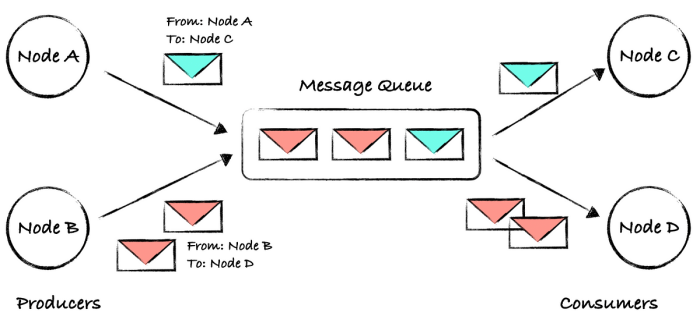
A professional services messaging architecture typically comprises several key components, each playing a crucial role in information exchange. These components include message producers, message brokers, and message consumers. Message producers generate the messages, brokers facilitate routing and queuing, and consumers receive and process the messages. The interactions between these components are critical for efficient information flow.
Messaging Patterns
Several messaging patterns are commonly used in professional services to handle various communication needs. The request-reply pattern is suitable for scenarios where a specific response is required for a given request, such as a client inquiry or a task assignment. The publish-subscribe pattern, on the other hand, is effective for scenarios where multiple consumers need to receive updates or notifications about events, like project milestones or changes in client requirements.
These patterns ensure messages are delivered efficiently and reliably to the intended recipients.
Visual Representation of a Messaging Architecture
Imagine a flowchart where a “Client Request” (message producer) triggers an interaction with a “Project Management System” (message broker). This broker then routes the request to the relevant “Project Team” (message consumer). The team processes the request, generates a “Task Assignment” (message), and sends it back through the broker. This “Task Assignment” is then received by the “Developer Team” (another consumer).
This cyclical process illustrates the core interactions in a messaging architecture.[Insert a simple flowchart here. It would show a Client Request originating from a box labeled “Client,” going to a box labeled “Project Management System.” From the Project Management System, arrows would branch to boxes labeled “Project Team” and “Developer Team.” The arrows would indicate the flow of messages.]
Messaging Protocols Comparison
Different messaging protocols offer varying strengths and weaknesses for professional services applications. The choice depends on factors such as message volume, complexity, and required features.
| Protocol | Description | Strengths | Weaknesses |
|---|---|---|---|
| AMQP (Advanced Message Queuing Protocol) | Robust, widely adopted, supports complex message routing. | High reliability, support for transactions, message persistence | Can be complex to implement for simple use cases. |
| MQTT (Message Queuing Telemetry Transport) | Lightweight, designed for low-bandwidth environments. | Efficient for devices with limited resources, low overhead. | Limited features compared to AMQP, not suitable for high-volume transactions. |
| Kafka | Highly scalable, designed for handling massive volumes of data streams. | Scalability, fault tolerance, high throughput. | More complex setup compared to other protocols. |
Benefits and Challenges of Messaging Architecture
Implementing a messaging architecture for professional services offers significant advantages, streamlining communication and collaboration while improving client interactions. However, adopting such a system also presents unique challenges that need careful consideration. This section delves into the key benefits, potential hurdles, and the critical role of messaging in enhancing teamwork and client relationships.Messaging architecture enables a more agile and responsive approach to service delivery.
Real-time communication fosters quicker problem-solving and improved client satisfaction by facilitating immediate feedback loops and prompt resolution of issues.
Key Advantages of Messaging Architecture
A well-designed messaging architecture enhances communication efficiency, leading to faster resolution of client queries and internal team issues. This efficiency translates to improved project timelines and reduced costs. By providing a central hub for communication, it fosters seamless collaboration among diverse teams and departments.
- Enhanced Collaboration: A unified platform for communication fosters better coordination and knowledge sharing among teams, promoting a sense of collective ownership. This shared understanding streamlines workflows and eliminates communication silos.
- Improved Client Communication: Real-time updates and proactive communication channels improve client satisfaction and trust. Clients appreciate knowing the progress of their projects and receive timely feedback, which fosters stronger relationships.
- Increased Efficiency: Centralized messaging reduces the time spent on email threads and fragmented communication channels. This frees up resources for more value-added tasks, contributing to higher productivity.
- Data-Driven Insights: Messaging platforms can track communication patterns and client interactions, providing valuable insights into service delivery and areas for improvement. This data-driven approach allows for continuous optimization of processes.
Potential Challenges of Adopting Messaging Architecture
While the benefits are significant, implementing a messaging architecture comes with its share of hurdles. Careful planning and consideration of potential issues are crucial for successful adoption.
- Security Concerns: Protecting sensitive client data and internal communications is paramount. Robust security measures and protocols are vital to safeguard against unauthorized access and breaches.
- Integration Complexity: Integrating the messaging platform with existing systems and workflows can be complex and time-consuming. Careful planning and a phased approach are often necessary to ensure a smooth transition.
- Training and Adoption: Employees need proper training to effectively utilize the new messaging platform. Failure to provide adequate training can lead to resistance and reduced adoption rates.
- Cost and Maintenance: Implementing and maintaining a messaging platform incurs costs for software licenses, infrastructure, and ongoing support. Budgeting and resource allocation are crucial for long-term sustainability.
Role of Messaging in Enhancing Collaboration
A well-implemented messaging architecture serves as a central nervous system for professional service teams. It facilitates seamless information flow, enabling teams to collaborate effectively on projects and tasks. Real-time communication fosters quicker problem-solving and improved client satisfaction.
- Facilitating Cross-Functional Communication: Messaging architecture allows teams across different departments to interact and share information easily. This improves communication and streamlines workflows.
- Promoting Knowledge Sharing: A centralized platform enables the easy sharing of documents, best practices, and project-related information. This promotes knowledge sharing and reduces redundancy.
- Streamlining Decision-Making: Instantaneous communication enables quicker decision-making processes, improving responsiveness and reducing delays.
Impact on Client Communication and Feedback Loops, Messaging architecture for the professional services
Messaging architecture significantly affects how professional services firms interact with clients. Real-time communication enables proactive updates, immediate feedback collection, and swift resolution of issues.
- Proactive Communication: Regular updates and progress reports enhance client transparency and trust.
- Improved Feedback Mechanisms: Direct communication channels allow for quicker and more effective collection of client feedback, enabling rapid adaptation to client needs.
- Enhanced Client Experience: Real-time support and responsive communication create a positive and engaging client experience.
Security Concerns in Messaging Architecture
Security is a critical consideration when implementing a messaging architecture. Protecting sensitive data and preventing unauthorized access are paramount.
- Data Encryption: Protecting data at rest and in transit is essential to prevent unauthorized access. End-to-end encryption ensures confidentiality.
- Access Controls: Implementing strict access controls limits access to sensitive information only to authorized personnel.
- Regular Security Audits: Periodic security audits identify vulnerabilities and ensure the platform remains secure against evolving threats.
Messaging Architecture Design Considerations
Designing a robust messaging architecture for professional services requires careful consideration of several crucial factors. A well-designed system ensures efficient communication, reliable data exchange, and ultimately, enhanced service delivery. This architecture must accommodate the specific needs of the professional services industry, which often involves complex workflows, sensitive data, and demanding performance requirements.The key to a successful messaging architecture is understanding the specific demands of the professional services landscape.
This includes recognizing the need for scalability and performance to handle fluctuating workloads, and the crucial requirement for message durability and reliability to maintain data integrity. Effective message routing and queuing strategies are also essential to ensure timely and accurate message delivery.
Scalability and Performance
Scalability and performance are paramount in a professional services messaging system. The ability to handle increasing volumes of messages and concurrent requests is critical for maintaining service responsiveness and preventing bottlenecks. This necessitates a system that can adapt to fluctuations in demand. For example, during peak seasons or major projects, the system should not experience performance degradation.
Employing message queuing systems with horizontal scaling capabilities can ensure the system can grow and adapt as needed. Consider using cloud-based message brokers with automated scaling features to achieve this flexibility.
Message Durability and Reliability
Ensuring message durability and reliability is critical in professional services. Data loss or message corruption can have significant implications, particularly in legal, financial, or healthcare contexts. Implementing message persistence mechanisms, such as durable message stores, ensures messages are not lost due to system failures. Choosing message brokers that offer guaranteed delivery and message acknowledgment mechanisms will significantly enhance reliability.
Redundancy in storage and backup systems is also important for disaster recovery scenarios.
Message Routing and Queuing Strategies
Efficient message routing and queuing strategies are essential for managing the flow of messages within a professional services messaging system. These strategies determine how messages are directed to the appropriate recipients and how they are processed. This involves deciding which queue types best fit the specific message characteristics and processing requirements. A well-defined routing strategy minimizes delays and ensures messages are delivered to the right destinations.
Different queuing strategies offer varying trade-offs in terms of performance, reliability, and cost.
Message Queuing Strategies
Different message queuing strategies cater to diverse needs and priorities. Choosing the appropriate strategy depends on the specific requirements of the professional services application. These choices often involve trade-offs between performance, reliability, and cost.
| Strategy | Description | Trade-offs |
|---|---|---|
| FIFO (First-In, First-Out) | Messages are processed in the order they are received. | Simple implementation, but can lead to delays if some messages require more processing time. |
| Priority Queuing | Messages are prioritized based on their importance. | More complex implementation, but ensures critical messages are processed quickly. |
| Round-Robin | Messages are distributed evenly across multiple consumers. | Good for load balancing, but may not be optimal for all message types. |
| Publish-Subscribe | Messages are published to a topic, and subscribers interested in the topic receive them. | Efficient for broadcasting information, but requires careful topic management. |
Implementing Messaging Architecture in Professional Services
Bringing a messaging architecture into your professional services firm is more than just choosing a technology stack; it’s about fundamentally shifting how your teams communicate and collaborate. This involves careful planning, meticulous implementation, and ongoing monitoring to ensure the system aligns with your business needs and provides long-term value. This approach guarantees that your messaging architecture is not just a technical solution, but a strategic asset for enhanced productivity and efficiency.A well-implemented messaging architecture in professional services allows for seamless communication between different teams, departments, and even external clients.
This facilitates real-time updates, automated workflows, and streamlined processes. The benefits extend to improved responsiveness, reduced errors, and increased client satisfaction, as all parties involved can access and react to critical information quickly and efficiently.
Step-by-Step Implementation Approach
Implementing a messaging architecture is a phased process. Start by meticulously defining your requirements, including the types of messages, their frequency, and the recipients. This detailed blueprint forms the foundation for subsequent stages. Next, choose appropriate technologies, taking into account factors such as scalability, reliability, and integration with existing systems. Thorough testing and validation are crucial before deploying the system in a live environment.
Finally, establish robust monitoring and management procedures to ensure ongoing system performance and responsiveness.
Crafting a robust messaging architecture for professional services firms is crucial. It’s about ensuring clear communication channels, streamlined workflows, and ultimately, client satisfaction. A key element in this is optimizing your online presence for search engines, like understanding what an SEO audit is. what is an seo audit This involves analyzing website performance and content to ensure your firm is easily discoverable by potential clients.
Effective messaging architecture, then, needs to consider this SEO strategy for optimal visibility and success.
Common Technologies
Several technologies are commonly used for implementing messaging architectures in professional services. These choices often depend on the specific needs of the organization.
- Message Queues: Popular options include RabbitMQ, Kafka, and ActiveMQ. Each provides unique features tailored to various use cases. RabbitMQ, for instance, is a powerful open-source message broker well-suited for smaller to medium-sized deployments. Kafka, on the other hand, is designed for high-volume, real-time data pipelines, ideal for organizations handling large amounts of data.
- Message Brokers: These act as intermediaries, routing messages between different applications and ensuring reliable delivery. Key considerations include scalability, fault tolerance, and ease of integration with existing systems.
- Programming Languages: Java, Python, and Node.js are frequently used for developing applications that interact with message queues and brokers. The choice depends on the existing skillset within the organization and the specific requirements of the applications.
- Cloud Platforms: Services like AWS SQS, Azure Service Bus, and Google Cloud Pub/Sub provide managed message queues and brokers, simplifying deployment and management. This can be particularly beneficial for organizations that lack in-house expertise in managing these services.
Setting Up Message Queues and Brokers
Setting up message queues and brokers involves configuring the software, defining message formats, and establishing connections between applications. Careful consideration should be given to security, scalability, and performance. The configuration process usually includes defining message types, setting up routing rules, and establishing appropriate connection parameters.
- Configuration: Properly configure the queue and broker settings for message routing, security, and performance. This includes defining message types, setting up routing rules, and configuring appropriate connection parameters.
- Message Formats: Establish standardized message formats to ensure interoperability between different applications. JSON or XML are common choices.
- Application Connections: Ensure applications can connect to the queue and broker. This usually involves establishing appropriate client libraries and configuring connection strings.
Monitoring and Managing the Messaging System
Ongoing monitoring and management of the messaging system is essential for maintaining its performance and stability. Tools for monitoring include dedicated dashboards, log analysis, and real-time metrics.
- Monitoring Tools: Utilize tools for tracking message delivery, queue sizes, and broker performance. These tools can provide critical insights into the system’s health and identify potential bottlenecks.
- Alerting Systems: Implement systems to alert administrators of critical issues, such as queue overflow or message delivery failures. This proactive approach ensures timely intervention and prevents significant disruptions.
- Performance Tuning: Regularly assess system performance and make adjustments as needed. Optimizing message handling and routing can dramatically improve efficiency.

Troubleshooting Messaging Issues
Troubleshooting messaging issues often involves analyzing logs, reviewing configurations, and testing connections. Effective troubleshooting requires a structured approach.
- Log Analysis: Review logs to identify error messages, queue sizes, and delivery failures. This provides valuable insights into the source of the issue.
- Configuration Checks: Verify that all configurations are accurate and consistent across all applications and systems. Inconsistencies are common sources of messaging errors.
- Connection Testing: Test connections between applications and the message broker to ensure they are functioning correctly. Network issues can often disrupt messaging flow.
Case Studies and Examples
Successfully implementing a messaging architecture in a professional services firm isn’t just about choosing the right software; it’s about understanding how it fits into the existing workflows and communication patterns. A well-designed system streamlines interactions, improves client communication, and ultimately boosts overall efficiency. Let’s delve into practical examples and scenarios to illustrate the power of messaging architecture.A key benefit of a robust messaging architecture is its ability to streamline complex interactions, particularly in professional services.
It allows for clear communication channels between different teams, clients, and internal stakeholders, eliminating the confusion and delays that often plague traditional methods.
Successful Implementation in a Consulting Firm
A large consulting firm, “Apex Solutions,” experienced significant communication challenges before implementing a dedicated messaging platform. Teams were using disparate tools, email overload was rampant, and critical information often got lost in the shuffle. Apex Solutions adopted a platform that integrated various communication channels, including project-specific chat rooms, email, and instant messaging. This allowed project managers to keep clients updated on progress, track tasks, and share relevant documents.
The result was a significant reduction in project delays and a marked improvement in client satisfaction. Project updates and client communication were more efficient and transparent.
Addressing Messaging Issues
A professional services firm, “Synergy Group,” noticed a rise in client complaints about delayed responses and inconsistent communication during a major project. The firm’s messaging architecture wasn’t tailored to the specific project’s complexity, leading to communication breakdowns. Synergy Group implemented a dedicated project messaging platform with clear roles and responsibilities for each team member. This allowed for real-time updates and reduced the risk of miscommunication, leading to a swift resolution of the issue and a significant improvement in client satisfaction.
Crafting a compelling messaging architecture for professional services firms is crucial for attracting clients. But how do you translate that into tangible results? One key aspect is understanding if content marketing is a genuinely effective lead generation tactic. Exploring strategies like this, as detailed in is content marketing a viable lead generation tactic , helps refine the messaging to resonate with the target audience and ultimately drive more qualified leads.
Ultimately, a robust messaging architecture, built on a strong understanding of the target market’s needs and the value proposition of your services, will significantly impact business success.
Client Feedback Gathering System
A well-structured system for collecting client feedback is crucial for continuous improvement in professional services. This system leverages the messaging architecture to create a feedback channel directly integrated with the project management system. Clients can submit feedback through the platform at any point during the project, and the system automatically logs the feedback, categorizes it, and routes it to the relevant team members.
This allows for timely responses and immediate action on feedback, enhancing client satisfaction and fostering a culture of continuous improvement. Regular feedback analysis can pinpoint areas needing improvement and allows for proactive solutions.
Real-World Examples
- Many law firms use messaging platforms for client communication, document sharing, and internal collaboration on cases. Platforms like Slack or Microsoft Teams are frequently used to streamline legal workflows and enhance efficiency.
- Financial advisory firms often utilize messaging architectures to manage client portfolios, track transactions, and provide personalized financial advice. Sophisticated platforms integrate with existing CRM systems to deliver tailored client interactions.
- Management consulting firms frequently use project-specific communication tools to ensure seamless collaboration and transparent project progress updates to clients. This enhances client trust and fosters a sense of partnership.
Future Trends and Predictions

The future of messaging architecture in professional services is poised for significant transformation, driven by emerging technologies and the increasing need for seamless, efficient communication. This evolution will be characterized by a shift towards more intelligent, automated, and adaptable systems, particularly in cloud-based environments. The key to success will be anticipating and addressing the evolving needs of users and businesses.Messaging architectures are not static; they adapt to the changing landscape of communication preferences and technological advancements.
This adaptation is crucial for maintaining efficiency and relevance within the professional services sector.
AI and Machine Learning Integration
AI and machine learning are poised to revolutionize messaging architectures. Sophisticated algorithms can analyze communication patterns, identify key information, and automate tasks like routing messages, summarizing conversations, and flagging critical issues. This automation can significantly reduce manual effort, improve response times, and enhance the overall efficiency of communication processes. For example, AI-powered chatbots can handle routine inquiries, freeing up human agents to focus on more complex issues.
This improved efficiency translates to better client service and increased productivity for the professional services firm.
Cloud-Based Solutions and Scalability
Cloud-based solutions are becoming increasingly important for messaging architectures. Their scalability and flexibility allow for easy adaptation to changing demands. Cloud platforms offer various messaging services, such as message queues, event streaming, and real-time communication, which can be integrated into existing systems. Furthermore, cloud solutions facilitate collaboration across different teams and locations, enabling real-time information sharing and efficient project management.
Examples of cloud-based messaging solutions include Amazon SQS, Azure Service Bus, and Google Cloud Pub/Sub, which provide reliable and scalable messaging capabilities.
Evolution of Messaging Protocols and Standards
The evolution of messaging protocols and standards will likely see a greater emphasis on real-time communication and interoperability. New protocols will emerge that can support more complex data types and ensure seamless integration across various platforms. Furthermore, the focus on security and data privacy will continue to be paramount, driving the development of more robust and secure messaging standards.
This evolution will enable seamless data exchange and improve the efficiency of communication processes.
Predicting the Next Few Years
Over the next few years, messaging architectures in professional services will likely become more decentralized, adopting a microservices approach. This approach will allow for greater agility and flexibility in adapting to changing business needs. Furthermore, the integration of AI and machine learning will continue to improve efficiency, enabling faster response times and better decision-making. The rise of cloud-based solutions will also continue, facilitating greater scalability and interoperability.
Closing Notes: Messaging Architecture For The Professional Services
In conclusion, implementing a robust messaging architecture for professional services can significantly improve communication, collaboration, and client interactions. By addressing potential challenges and leveraging best practices, firms can unlock the full potential of these architectures. The future of professional services messaging is bright, with ongoing innovation and technological advancements poised to transform how these systems operate.