
New email privacy changes how to fight back. This in-depth guide explores the evolving landscape of email privacy regulations, examining the significant shifts in user rights, business implications, and available solutions. We’ll delve into the specifics of new regulations, empowering you to understand your rights and responsibilities in the face of these changes. From practical steps to safeguard your email accounts to exploring legal recourse, this comprehensive resource provides a clear path for navigating this complex issue.
We’ll unpack the key elements of new email privacy regulations, examining the diverse impacts on individuals, businesses, and governments. This includes a detailed breakdown of specific changes across different jurisdictions, helping you understand the nuances of evolving legislation. The guide also examines user rights and responsibilities, highlighting the importance of proactive measures to protect your digital footprint. We’ll delve into practical strategies for securing your email accounts, from strong passwords and two-factor authentication to configuring email security settings.
Understanding the Changes
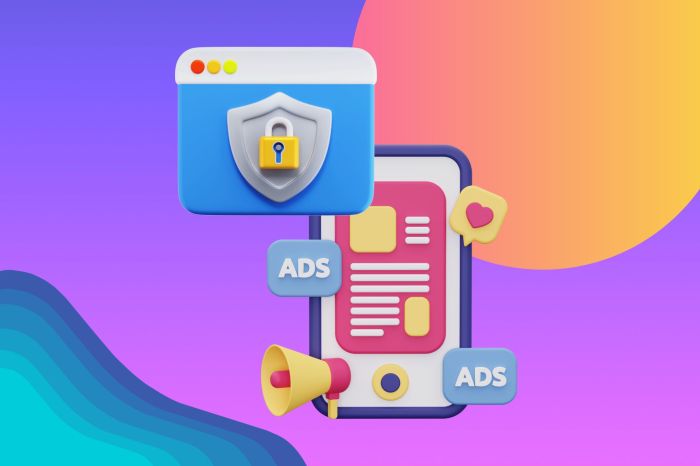
The digital landscape is constantly evolving, and with it, regulations surrounding data privacy are becoming more stringent. New email privacy regulations are sweeping across jurisdictions, impacting how businesses and individuals handle email communication. Understanding these changes is crucial for staying compliant and protecting sensitive information.These regulations aim to enhance user control over their personal data, bolster transparency in data practices, and establish clear accountability for businesses handling email.
The potential impacts are far-reaching, affecting not only user privacy but also business operations and governmental oversight. Navigating these new rules requires a deep understanding of the specific changes in each jurisdiction.
Key Aspects of Email Privacy Regulations
Email privacy regulations often address data collection practices, storage duration, user consent, and data transfer. These regulations aim to ensure that individuals have control over their personal information. For instance, businesses may need to obtain explicit consent before collecting email addresses for marketing purposes. Additionally, regulations often mandate clear and concise privacy policies to inform users of data handling practices.
Potential Impacts on Users, Businesses, and Governments, New email privacy changes how to fight back
The impact of these regulations on users, businesses, and governments is multifaceted. Users gain greater control over their data and increased transparency regarding how their information is handled. Businesses face the challenge of adapting to new requirements, potentially increasing compliance costs and operational complexity. Governments assume a greater role in enforcing these regulations and monitoring compliance. Examples of these impacts include increased scrutiny of marketing emails and the need for more robust data security protocols.
Specific Changes in Different Jurisdictions
Different jurisdictions have adopted various approaches to regulating email privacy. For instance, the European Union’s General Data Protection Regulation (GDPR) is highly influential and sets a stringent standard for data protection. Other jurisdictions have adopted their own laws, reflecting differing priorities and cultural contexts.
Examples of Email Privacy Regulations
| Jurisdiction | Key Changes | Impact on Users |
|---|---|---|
| European Union (GDPR) | Requires explicit consent for data collection, provides users with rights to access, rectify, and erase their data, mandates transparency in data processing. | Users have greater control over their data, businesses must be more transparent in their data handling practices. |
| California (California Consumer Privacy Act – CCPA) | Grants consumers the right to know what personal information a business collects about them, the right to delete personal information, and the right to opt out of the sale of their personal information. | Users have more control over their personal data and can opt out of data sales. Businesses must comply with these rights. |
| United States (various state laws) | Some states have enacted specific laws regarding data privacy, often impacting businesses operating in multiple jurisdictions. | Users in these states gain more rights and protection, requiring businesses to be mindful of the regulations across different states. |
User Rights and Responsibilities
Understanding the new email privacy regulations requires a clear grasp of user rights and responsibilities. These regulations aim to empower users while establishing a framework for responsible email handling. Knowing your rights and fulfilling your responsibilities is crucial for safeguarding your email data and upholding the integrity of the system.
Figuring out how to fight back against new email privacy changes can feel overwhelming, but it’s important to stay informed. Fortunately, Google’s recent update to news results, like this one , might offer some surprising parallels in terms of navigating the evolving digital landscape. Ultimately, the key to fighting back against these email privacy changes lies in understanding the new rules and taking proactive steps to protect your data.
User Rights Related to Email Data
Users have a variety of rights regarding their email data under the new regulations. These rights are designed to ensure transparency and control over personal information. Crucially, users have the right to access, correct, and erase their email data. They also have the right to object to the processing of their data in certain circumstances.
User Responsibilities in Maintaining Email Privacy
Users play a critical role in maintaining their email privacy. This includes being mindful of the information they share and the recipients they engage with. Users must also actively manage their email settings to control who has access to their data and how it’s used. Properly securing accounts and using strong passwords are fundamental to email privacy.
Potential Consequences of Violating Privacy Rules
Failure to adhere to the new email privacy regulations can result in various consequences. These consequences can range from minor penalties to more severe sanctions, depending on the nature and severity of the violation. Examples include account suspension, data breaches, and legal repercussions. Maintaining compliance with privacy rules is essential for safeguarding personal information and avoiding potential issues.
User Rights and Responsibilities Summary
This table Artikels the key user rights and responsibilities related to email data under the new regulations. It also highlights potential consequences for non-compliance.
| Right | Responsibility | Consequences |
|---|---|---|
| Access to personal email data | Regularly review email settings and privacy policies. | Potential for data breaches if security measures are not followed. |
| Data correction and erasure | Report errors promptly to the service provider. | Account suspension or restrictions if errors are not reported in a timely manner. |
| Object to data processing | Understand the data processing practices of the email service. | Account suspension if data processing practices are violated. |
| Data portability | Actively manage email settings for data access. | Difficulty in accessing or transferring data if the email service is compromised. |
| Notification of data breaches | Be vigilant about suspicious activity. | Financial losses or reputational damage if data is compromised. |
Protecting Email Privacy
Email privacy is paramount in today’s digital landscape. With increasing reliance on email for both personal and professional communication, safeguarding our inboxes from prying eyes and unauthorized access is more critical than ever. This section will delve into practical methods for protecting email privacy, from everyday use to account security.Protecting your email privacy isn’t just about avoiding spam; it’s about ensuring your sensitive information remains confidential and your communications are secure from malicious actors.
A comprehensive approach involves understanding your email provider’s security measures, using strong passwords and authentication, and maintaining vigilance in your online habits.
New email privacy changes are a real pain, but don’t despair! To effectively combat these changes, you need a strong online presence. Think about how you can leverage high-converting landing pages, like those created with the help of 12 tools that can help you build high converting landing pages. These will help you collect email addresses and build your audience in a way that respects the new privacy regulations.
Ultimately, a well-designed landing page strategy can make all the difference in your email marketing efforts.
Email Security Best Practices in Everyday Use
Maintaining email security requires consistent vigilance in everyday use. This involves recognizing and avoiding phishing attempts, which often employ deceptive tactics to trick users into revealing sensitive information.
- Be cautious of unsolicited emails, especially those asking for personal details or login credentials. Verify the sender’s identity and never click on suspicious links or attachments.
- Avoid using public Wi-Fi networks for sensitive email transactions. Public networks are often less secure and susceptible to eavesdropping.
- Use a dedicated email client or web browser for your email account that has robust security features.
Securing Email Accounts Against Unauthorized Access
Robust security measures are crucial to protect email accounts from unauthorized access. Implementing strong passwords and enabling two-factor authentication significantly reduces the risk of compromise.
- Create strong passwords using a combination of uppercase and lowercase letters, numbers, and symbols. Avoid easily guessable passwords based on personal information or commonly used phrases.
- Enable two-factor authentication (2FA) for your email account. This adds an extra layer of security by requiring a second verification step, typically via a code sent to your mobile phone, in addition to your password.
- Regularly update your email security settings. Check for any available security updates or new features that can strengthen your email account protection.
Choosing Strong Passwords and Using Two-Factor Authentication
Password security is a fundamental aspect of email protection. Employing strong passwords and implementing two-factor authentication significantly increases the resilience of your email account.
- Use a password manager to generate and store strong, unique passwords for each of your online accounts. This helps avoid reusing passwords and keeps them secure.
- A strong password should be at least 12 characters long, combining uppercase and lowercase letters, numbers, and symbols. Avoid easily guessable passwords, such as your birthdate or pet’s name.
- Two-factor authentication adds an extra layer of security. It requires a second verification step, typically a code sent to your mobile device, in addition to your password. This significantly reduces the risk of unauthorized access.
Configuring Email Security Settings
A comprehensive approach to email security involves meticulously configuring your email client’s security settings. This often involves enabling encryption and configuring spam filters.
- Enable encryption for your email communications. This ensures that sensitive data is transmitted securely, protecting it from interception.
- Configure spam filters to minimize the risk of phishing attempts and unwanted emails entering your inbox.
- Regularly review and update your email security settings to ensure they align with the latest security best practices.
Business Implications
The recent email privacy changes present significant implications for businesses across various sectors. These changes necessitate a proactive approach to data management, impacting everything from marketing strategies to customer service protocols. Failure to adapt to these new regulations can lead to substantial financial and reputational damage.Businesses must now prioritize the protection of user data, ensuring compliance with the new requirements while maintaining operational efficiency.
This involves understanding the evolving landscape of email privacy, implementing robust security measures, and educating employees on best practices.
Adapting to New Requirements
Businesses must re-evaluate their email marketing strategies to ensure compliance with the new regulations. This includes obtaining explicit consent for email communications, providing clear opt-out mechanisms, and being transparent about data usage. The focus should shift from simply sending emails to building trust and demonstrating a commitment to user privacy.
Best Practices for Compliance
Implementing robust security measures is paramount. This includes encrypting email communications, using strong passwords, and regularly updating security protocols. Regular audits and penetration testing are crucial to identify vulnerabilities and mitigate potential risks. Transparent communication with users about data handling practices is essential for building trust and maintaining compliance.
Financial and Operational Impacts of Non-Compliance
Non-compliance with the new email privacy regulations can lead to significant financial penalties and reputational damage. Fines can be substantial, potentially impacting a company’s bottom line. Reputational harm can result in loss of customer trust and decreased sales. Furthermore, legal battles and investigations can divert resources and disrupt business operations.
Examples of Implementing Privacy Measures
Businesses can implement various measures to enhance email privacy. For instance, using two-factor authentication for email accounts adds an extra layer of security. Employing email encryption protocols, such as Transport Layer Security (TLS), safeguards sensitive information during transmission. Implementing a robust data deletion policy ensures compliance with data retention requirements. Furthermore, educating employees on privacy best practices, through regular training programs, is vital.
This includes training on data handling procedures, consent protocols, and responsible email communication practices.
Data Minimization Strategies
Businesses should adopt data minimization strategies. Collecting only the necessary data, storing it securely, and promptly deleting unnecessary information are crucial steps. This approach reduces the potential for data breaches and simplifies compliance efforts. Examples include limiting the collection of personal data to only what is required for the specific purpose. Additionally, implementing data retention policies that align with legal requirements is important.
Fighting Back Against Privacy Violations

Email privacy violations can range from minor annoyances to serious breaches, impacting individuals and organizations alike. Understanding your rights and the methods available to address these violations is crucial. Knowing how to respond effectively can help prevent further harm and ensure your privacy is respected.Addressing privacy violations requires a proactive approach. It’s not just about reacting when a problem arises, but also about understanding the potential vulnerabilities and implementing safeguards to prevent future issues.
This includes staying informed about new regulations, policies, and best practices for email security.
Methods for Addressing Privacy Violations
Understanding the various methods for addressing privacy violations empowers users to take control of their email security. This includes both informal and formal avenues. Informal methods may involve direct communication with the offending party, while formal methods might necessitate legal action or reporting to regulatory bodies.
- Direct Communication and Negotiation: A simple, initial step often involves contacting the party responsible for the violation directly. This allows for a discussion of the issue and potentially a resolution through mutual agreement. A clear and concise explanation of the violation and the desired outcome is essential.
- Internal Complaint Mechanisms: Many organizations have internal policies and procedures for handling complaints about privacy violations. These mechanisms may involve filing a formal complaint with a designated department or individual within the organization. Knowing these processes can be crucial for navigating the internal resolution pathway.
- Third-Party Mediation: In cases where direct communication or internal channels prove unsuccessful, third-party mediation can provide an objective platform for resolving the dispute. A neutral mediator can facilitate a discussion and help find common ground between the parties involved.
- Reporting to Regulatory Bodies: If the violation involves a breach of specific regulations, such as data protection laws, reporting the violation to the relevant regulatory body is an important step. This can trigger investigations and enforce compliance with the regulations. Familiarizing yourself with the reporting procedures and the specific laws relevant to your situation is essential.
Avenues for Recourse
When email privacy is compromised, understanding the available avenues for recourse is critical. These options vary depending on the severity and nature of the violation.
- Legal Action: In severe cases of privacy infringement, legal action may be necessary. This might involve filing a lawsuit to seek compensation for damages or to enforce legal rights. Consulting with a legal professional is crucial in such situations.
- Civil Litigation: Civil litigation is a formal legal process where a plaintiff seeks a remedy from a court for a violation of their rights. This can be a complex process requiring legal expertise and can vary based on the jurisdiction and specific circumstances.
- Alternative Dispute Resolution: Alternative dispute resolution (ADR) methods, such as arbitration or mediation, offer less formal ways to resolve disputes. These methods can be quicker and less costly than traditional litigation. They are often used in situations where a formal court case is not necessary or preferred.
Steps to Take if You Suspect a Violation
Taking proactive steps to safeguard your email privacy is essential. Documentation is critical in cases of suspected violations.
- Document Everything: Maintain detailed records of all communications, emails, and any other relevant information related to the suspected violation. This documentation can be crucial evidence in any subsequent investigation or legal proceedings.
- Identify the Source: Determine the source of the privacy violation. Identifying the party responsible is essential for taking appropriate action.
- Gather Evidence: Collect all available evidence related to the violation, including screenshots, timestamps, and any other supporting documents. This helps build a stronger case.
- Consider Your Options: Evaluate the various methods for addressing the violation, considering their potential effectiveness and implications.
Technical Solutions and Tools: New Email Privacy Changes How To Fight Back
Protecting your email privacy in today’s digital landscape requires a multifaceted approach. Beyond understanding your rights and responsibilities, and employing strategies to fight back against violations, you need technical tools and solutions to bolster your defenses. This section dives into the practical applications of encryption, secure email providers, and other technological safeguards.Email privacy is no longer just a matter of personal preference; it’s a crucial element of security in both personal and professional contexts.
Effective technical solutions empower users to control their data and maintain confidentiality, minimizing the risk of breaches and unauthorized access.
Email Encryption Methods
Various encryption methods secure email communication. Understanding their differences is vital for choosing the right approach.
- Symmetric-key encryption uses the same key for encryption and decryption. This method is faster but requires a secure method for sharing the key. Examples include AES (Advanced Encryption Standard) and DES (Data Encryption Standard).
- Asymmetric-key encryption employs two separate keys: a public key for encryption and a private key for decryption. Public keys can be freely distributed, while private keys are kept secret. RSA (Rivest-Shamir-Adleman) and ECC (Elliptic Curve Cryptography) are prominent examples. This method is more complex but offers enhanced security, particularly when distributing keys over insecure channels.
- End-to-end encryption (E2EE) ensures that only the sender and recipient can access the content of the message. The email provider itself cannot read the message. This is a strong form of protection against unauthorized access, but not all email providers offer it.
Secure Email Providers and Services
Choosing a secure email provider is crucial. Features like end-to-end encryption, robust security protocols, and multi-factor authentication contribute significantly to privacy.
- ProtonMail is a well-regarded provider known for its strong encryption and focus on user privacy. It utilizes end-to-end encryption by default, safeguarding your communications.
- Tutanota is another popular option with a similar emphasis on privacy and security. It also prioritizes end-to-end encryption and provides user control over their data.
- Mailfence is a secure email service designed for individuals and businesses seeking enhanced security. It offers various features, including encryption, to protect sensitive information.

Comparison of Encryption Methods
Different encryption methods have varying levels of complexity and security.
| Encryption Method | Complexity | Security | Speed |
|---|---|---|---|
| Symmetric-key | Low | Good | High |
| Asymmetric-key | High | Excellent | Low |
| End-to-end | Variable | Excellent (when implemented correctly) | Variable |
Symmetric-key encryption is faster than asymmetric-key encryption, making it suitable for bulk communication. However, the key management aspect can be a security risk if not handled properly.
Using Secure Email Providers
Properly utilizing secure email providers involves understanding their features and configuring settings appropriately.
- Enable two-factor authentication (2FA) for added security. This requires an extra step to verify your identity, making it more challenging for unauthorized access.
- Familiarize yourself with the provider’s privacy policy and security measures. Understanding how your data is handled is critical.
- Consider using the provider’s desktop or mobile apps for enhanced security and control over your email.
Legal Options and Resources
Navigating the complexities of email privacy violations can feel daunting. Knowing your legal rights and the available resources is crucial for taking appropriate action. This section Artikels potential legal avenues and provides valuable support for users facing these issues.Understanding the specific laws governing email privacy and the potential ramifications of violations is essential. This involves a deep dive into applicable regulations, statutes, and case precedents.
The outcome of a legal battle hinges on demonstrating a clear violation and the resulting harm.
Dealing with new email privacy changes can feel overwhelming, but it’s crucial to fight back. Understanding your rights and proactively managing your data is key. Fortunately, strong employer brands, like the ones discussed in this insightful article on attracting talented millennials in professional services, strong employer brands attract talented millennials in professional services , demonstrate the importance of clear communication and respect for employee needs.
This translates directly to how we should approach the new email privacy changes; understanding our data is our power. We need to demand transparency and control over our information.
Legal Options for Users
Users affected by email privacy violations have several legal options. These may include filing a complaint with relevant regulatory bodies, initiating a civil lawsuit, or pursuing other legal remedies. The best course of action depends on the nature and severity of the violation, along with the potential damages.
Filing Complaints and Legal Action
Filing a complaint is often the first step in addressing a privacy violation. The process typically involves documenting the violation thoroughly, identifying the responsible party, and outlining the specific harm caused. Thorough documentation includes timestamps, evidence of the violation, and the legal basis for the claim. This detailed record is crucial in a legal proceeding. If the complaint process doesn’t resolve the issue, pursuing legal action through the courts might be necessary.
This usually requires legal counsel to guide you through the process. This includes understanding applicable laws and regulations, the evidence needed, and the potential outcomes.
Legal Resources for Users
Seeking legal advice is vital when facing email privacy issues. Several resources can provide guidance and support. These resources offer information on relevant laws, regulations, and procedures.
- Consumer Protection Agencies: These agencies often have dedicated departments or resources to address consumer rights violations, including privacy breaches. They can provide guidance on filing complaints and understanding the relevant regulations. Many jurisdictions have agencies focused on consumer protection.
- Non-profit Organizations: Numerous non-profit organizations are dedicated to digital rights and privacy. They can offer support, resources, and legal guidance to individuals facing email privacy violations. These organizations can offer valuable advice and support to those navigating the legal process.
- Law Firms Specializing in Privacy Law: Specialized law firms specializing in privacy law often have expertise in dealing with email privacy violations. They can provide legal counsel and representation in cases involving privacy issues. These firms often have dedicated teams with in-depth knowledge of related laws and regulations.
Table of Legal Resources
| Organization | Contact Information | Services |
|---|---|---|
| Federal Trade Commission (FTC) | (877) 382-4357 | Consumer protection, privacy, and enforcement of consumer rights |
| National Consumer Law Center | (617) 542-8100 | Legal assistance, advocacy, and educational resources for consumer issues |
| Electronic Frontier Foundation (EFF) | (202) 547-5777 | Digital rights advocacy, legal support, and public policy advocacy |
| Privacy Rights Clearinghouse | (310) 625-7800 | Legal information and advocacy for consumers’ privacy rights |
Staying Informed
Email privacy is a constantly evolving landscape. Keeping up with changes is crucial for protecting your personal and professional information. Failing to adapt to new regulations and industry best practices can leave you vulnerable to data breaches and privacy violations. This section details how to stay informed about email privacy updates.Staying informed about email privacy changes is not just about knowing what the rules are, but also understandinghow* those rules impact you.
This knowledge empowers you to make informed decisions about your email practices, ensuring you are compliant and protecting your data effectively.
Importance of Ongoing Updates
Understanding email privacy changes is essential for safeguarding your data. New regulations and industry best practices constantly emerge, and your knowledge should adapt accordingly. This proactive approach allows you to adapt your email use and procedures to comply with the latest requirements.
Resources for Staying Informed
Staying current with email privacy news and developments requires access to reliable resources. Numerous organizations and publications dedicate themselves to providing updates on data protection and privacy regulations.
- Government agencies: National data protection authorities and similar bodies are critical sources of information. These entities frequently publish guidelines, updates, and enforcement actions regarding email privacy.
- Industry associations: Organizations representing email service providers and technology companies often publish white papers, articles, and other resources that detail new regulations and their implications.
- Privacy news websites: Specialized websites and blogs dedicated to data privacy and security provide timely information about email privacy changes and developments.
- Legal publications: Law journals and legal publications often discuss new case law and legal interpretations that impact email privacy.
Monitoring and Tracking Privacy Regulations
Effectively monitoring and tracking privacy regulations involves a structured approach. This ensures you are aware of updates as they occur, rather than relying on sporadic news alerts.
- Set up email alerts: Subscribe to email newsletters and alerts from relevant government agencies, industry associations, and privacy news websites to receive notifications of important updates.
- Create a dedicated folder: Designate a folder or file for storing all privacy-related documents, articles, and updates, making them easily accessible.
- Regularly review relevant websites: Establish a schedule for checking official websites of regulatory bodies, industry associations, and news sources to stay current with the latest information.
Reputable Sources for Email Privacy News
Numerous sources provide valuable insights into email privacy news and updates. Selecting reputable sources ensures you receive accurate and trustworthy information.
- The Electronic Frontier Foundation (EFF): A non-profit organization dedicated to digital rights and civil liberties, the EFF frequently publishes articles and analysis on email privacy issues.
- Privacy Rights Clearinghouse: This organization provides comprehensive resources on privacy rights and issues, including email privacy regulations and legal precedents.
- Data Protection News: Numerous online publications focus on data privacy and security news, including email privacy updates.
- Relevant government agencies: The sites of national data protection authorities often feature the latest news and updates, including official notices and enforcement actions.
Wrap-Up
In conclusion, navigating the new email privacy changes requires a multifaceted approach. Understanding your rights, adopting robust security measures, and being aware of legal recourse are crucial steps. This guide equips you with the knowledge and tools to protect your email privacy effectively. Stay informed, stay secure, and confidently navigate the evolving digital landscape. Remember to always prioritize security and remain vigilant in the face of potential privacy infringements.