Problems with diy website builders for pest control comapnies – Problems with DIY website builders for pest control companies are surprisingly common. Many pest control businesses, eager to save money, turn to DIY website builders, only to find themselves facing limitations that hinder their services and damage their reputation. This exploration delves into the common pitfalls of using these tools for a pest control business, from functionality limitations to technical hurdles and the impact on customer trust.
From the initial setup to ongoing maintenance, a poorly designed DIY website can create a frustrating experience for both the business and its clients. This detailed analysis will help you navigate the complexities and understand the critical differences between DIY solutions and professional website development for pest control companies. We will explore how the lack of specialized features and support can severely impact a pest control company’s success.
Introduction to DIY Website Builders for Pest Control Companies
DIY website builders have exploded in popularity, offering a streamlined and often affordable way to create a professional online presence. This accessibility has made it attractive for a wide range of businesses, including pest control companies, seeking a cost-effective solution to establish a digital footprint. However, the ease of use often comes with limitations.This exploration examines the potential advantages and disadvantages of employing DIY website builders for pest control businesses, considering their specific needs and expectations for their online presence.
Understanding the trade-offs is crucial for companies seeking to leverage the internet’s potential without sacrificing essential functionality.
Typical Needs and Expectations of Pest Control Companies
Pest control companies have unique website requirements. They need to effectively communicate their services, showcase their expertise, and build trust with potential clients. This necessitates a site that highlights their experience, certifications, and testimonials. Moreover, they require clear contact information, appointment scheduling options, and often a system for online inquiries.
Common Features Offered by DIY Website Builders
DIY website builders typically offer a range of features that address basic business needs. These include customizable templates, drag-and-drop interfaces, and intuitive design tools. Many provide options for incorporating images, videos, and basic contact forms. However, advanced features like integrated scheduling systems, online payment gateways, and robust customer relationship management (CRM) tools are often absent or require significant third-party integrations.
A common limitation is the lack of control over the site’s underlying code, hindering customization for unique needs.
Potential Benefits of Using DIY Website Builders
The primary benefit of using a DIY website builder for a pest control company is its cost-effectiveness. These platforms often offer affordable monthly plans, potentially saving on the expense of hiring a web designer or developer. The ease of use also allows companies to manage their website content independently, reducing reliance on external help for minor updates. Another advantage is the speed of deployment.
Sites can be launched quickly, allowing companies to capitalize on opportunities faster.
Typical Challenges and Drawbacks of Using DIY Website Builders
While cost-effective and user-friendly, DIY website builders have limitations. One major concern is the lack of flexibility. Customization options may not be extensive enough to perfectly mirror a pest control company’s branding or meet specific technical requirements. Furthermore, advanced features crucial for online booking and client management might be missing or require complex integrations. The security of client data also needs careful consideration, as DIY builders may not offer the same level of robust security protocols as professionally designed websites.
DIY website builders can be a headache for pest control companies. They often lack the customization needed to effectively showcase the specialized services and expertise that set a pest control business apart. Developing a strong brand voice is crucial to standing out in the crowded market, and this is something that many DIY website builders don’t allow you to easily implement.
For example, consider how to create a brand voice that speaks to the trust and reliability your business offers, or how to communicate the technical aspects of pest control in a clear and concise way. how to create a brand voice is key to this. Ultimately, these limitations with DIY builders can hinder the overall professionalism and credibility of your pest control company’s online presence.
Technical issues or support limitations can also be a concern.
Functionality Limitations for Pest Control Businesses
DIY website builders, while attractive for their ease of use and affordability, often fall short when it comes to the specific needs of pest control companies. These limitations can significantly impact a company’s ability to effectively reach potential customers, manage bookings, and maintain professional communication. The inherent limitations of these platforms hinder their ability to accommodate the complex service offerings and pricing structures common in the pest control industry.The fundamental problem lies in the rigid structure of templates and limited functionality offered by most DIY website builders.
This constraint translates to difficulties in adapting to the unique needs of pest control operations, resulting in a less-than-ideal online presence.
Key Functionalities Lacking in DIY Builders
DIY website builders often lack crucial features essential for pest control companies to thrive online. These limitations can range from basic service descriptions to advanced booking and communication tools. For instance, a lack of tailored service packages and transparent pricing models can deter potential clients.
- Limited Service Descriptions: Many DIY builders offer basic text boxes for describing services. However, pest control services often involve intricate details about treatment types, areas covered, and guarantee periods. These platforms struggle to accommodate this complexity, leading to an inability to effectively showcase the nuances of each service.
- Inability to Offer Flexible Pricing Models: Pest control companies frequently offer different pricing structures based on service areas, property size, or the complexity of infestations. DIY website builders typically lack the tools to display and manage these complex pricing structures, potentially impacting the ability to attract and retain clients.
- Poorly Integrated Booking Systems: Online booking systems are crucial for pest control companies to manage appointments effectively. DIY builders frequently lack integrated booking tools or require extensive third-party integrations, leading to complicated and potentially unreliable booking processes. This can impact efficiency and client satisfaction.
- Lack of Client Communication Tools: Effective communication is critical for building trust and maintaining relationships with clients. DIY website builders often lack dedicated tools for email marketing, scheduling reminders, and receiving feedback. This results in a less professional and less responsive customer experience.
Impact on Service Offerings, Pricing, and Communication
The limitations in functionality directly affect how pest control companies can present their services and communicate with clients. For example, difficulty showcasing detailed service descriptions and transparent pricing models can lead to potential clients feeling unsure about the company’s capabilities or pricing.
- Reduced Service Transparency: The inability to thoroughly describe various pest control solutions can leave potential clients feeling unsure about the scope of work, leading to missed opportunities and client dissatisfaction.
- Complex Pricing Structure Issues: Difficulties in displaying multiple pricing options for different services, areas, or infestation levels can discourage potential customers, as they are unable to easily grasp the cost associated with the service.
- Poor Client Experience: A lack of user-friendly booking systems can lead to client frustration and potentially result in missed appointments, impacting overall client satisfaction and brand perception.
- Ineffective Communication: The absence of dedicated client communication tools can result in poor client service, hindering the building of trust and loyalty with customers.
Comparison with Specialized Platforms
Specialized website platforms for pest control companies often address the specific needs of the industry. These platforms usually offer more comprehensive functionality, including integrated booking systems, detailed service descriptions, and sophisticated pricing tools.
- Enhanced Functionality: Specialized platforms usually offer greater control over service descriptions, pricing models, and client communication, which can improve the client experience.
- Improved Booking Systems: Specialized platforms frequently have more user-friendly and intuitive booking systems tailored for pest control operations, enabling more efficient appointment management.
- Customizable Branding: Specialized platforms usually allow for more comprehensive branding options, which can better reflect the company’s unique identity and values.
Impact on Branding and Marketing Efforts
The lack of customization options in DIY website builders can significantly hinder a pest control company’s branding and marketing efforts. A generic website design may not reflect the company’s unique identity, making it less appealing to potential customers.
- Limited Branding Opportunities: DIY builders often offer limited customization options, preventing the company from effectively conveying its brand identity and values through website design.
- Negative Impression on Customers: A poorly designed website can create a negative first impression on potential clients, impacting the company’s credibility and reputation.
- Reduced Marketing Effectiveness: The inability to effectively showcase unique services or pricing structures through limited functionality can hinder marketing efforts, leading to lower conversion rates and client acquisition.
Technical Aspects and Support Issues
DIY website builders, while offering an accessible entry point for creating online presences, often fall short when it comes to the specific needs of businesses like pest control companies. These businesses frequently require robust functionality and intricate data handling, which simple templates can’t always accommodate. Understanding the technical limitations and support available is crucial for making an informed decision.Beyond the visual appeal and ease of use, the technical underpinnings of a website builder significantly impact its suitability for pest control companies.
Issues range from handling large datasets representing diverse service areas to integrating with critical business tools. This section will delve into these technical aspects and the implications for pest control businesses.
Technical Limitations in Handling Complex Data
DIY website builders are generally designed for simpler websites. They often have limitations in handling complex data structures, which are essential for pest control companies operating across extensive service areas. For example, maintaining detailed service areas, pricing structures, and appointment scheduling within a constrained platform can prove challenging. The ability to effectively display and manage large volumes of information about service locations and technicians is a crucial element often absent in simpler platforms.
Common Technical Problems
Many pest control companies using DIY website builders face issues with website performance, especially when managing substantial amounts of data. Poorly optimized code can lead to slow loading times, negatively impacting user experience and search engine rankings. Furthermore, some builders have limited options for integrating with essential third-party tools. This can lead to a fragmented workflow and increased manual effort in managing crucial data points, such as customer information or service history.
Integration challenges with mapping services are common, potentially making it difficult to clearly display service areas to potential customers.
Customer Support Availability and Quality
The quality and responsiveness of customer support are critical when technical problems arise. DIY website builders often offer varying levels of support, ranging from basic FAQs to dedicated customer service channels. Some provide extensive documentation, while others might offer limited or inconsistent support, especially during peak hours or for complex issues. The level of technical expertise and responsiveness of support staff directly influences the ability to troubleshoot problems quickly and efficiently.
Comparison of Support Options
A direct comparison of support options across different DIY website builders is challenging due to the constant evolution of these platforms. However, evaluating factors like response times, available channels (email, live chat, phone), and the depth of knowledge demonstrated by support staff can provide insights. Some builders might have dedicated support teams, while others rely on community forums or automated help systems.
Checking for success stories or testimonials from other businesses in similar industries can offer insights into real-world experiences.
DIY website builders can be tempting for pest control companies, but often fall short. They lack the customization needed to showcase your expertise and the specific services you offer. This often translates to a generic-looking homepage that won’t attract customers. Instead of relying on a poorly designed DIY site, consider how to optimise your homepage how to optimise your homepage for maximum impact.
This involves highlighting your unique selling points and clearly communicating your services, ultimately leading to a more effective online presence, something a DIY tool often struggles to achieve.
Integration Challenges with Third-Party Services
Pest control companies often rely on third-party services such as CRM systems, scheduling software, and payment gateways. Integrating these tools with a DIY website builder can be problematic. Limited API access, complex integration procedures, and compatibility issues can create significant challenges. For instance, a website builder might lack the necessary APIs to directly sync with a company’s CRM system, requiring manual data entry or less effective workarounds.
This manual data entry can introduce errors and decrease efficiency, ultimately impacting the overall success of the business.
Impact on Customer Experience and Credibility
DIY website builders, while offering a seemingly accessible route to online presence, can significantly impact the customer experience and credibility of pest control companies. A poorly designed site, often a result of limited functionality, can create a negative impression, potentially driving customers away. Understanding this impact is crucial for businesses looking to establish a strong online presence and maintain trust in the market.A poorly designed website built with a DIY builder can lead to a frustrating customer experience.
Limited customization options can result in a site that doesn’t effectively communicate the company’s expertise or professionalism. This lack of visual appeal and functional elements can erode customer confidence and prompt them to seek services from competitors with more polished online presences.
Negative Perceptions from a Poorly Designed Website
A pest control company website, poorly designed using a DIY builder, can project an unprofessional image. This can lead to potential customers questioning the company’s competence and reliability. The lack of a visually appealing and user-friendly design can suggest a lack of attention to detail, potentially making clients believe the company’s service quality is equally subpar. In turn, customers might be hesitant to entrust their homes or businesses to a company perceived as less professional.
Inconsistencies in branding and layout further compound this negative perception. For instance, a company using a template that clashes with their brand colors or fonts can create a confusing and unprofessional experience.
Impact on Client Trust and Credibility
A professional website built by a web design professional, or using a sophisticated website builder with a wide range of customization options, significantly enhances client trust and credibility. The professionalism inherent in such a website design conveys expertise and reliability. This often translates to greater customer confidence in the company’s services and commitment to quality. Conversely, a DIY website can lack the necessary visual elements to convey this same level of trust and professionalism.
This contrast directly impacts the perceived trustworthiness of the pest control company.
Professional Website Design Examples
Effective website designs for pest control companies prioritize professionalism and credibility. A well-structured website clearly Artikels services offered, showcases case studies or testimonials, and includes contact information in a prominent location. High-quality images and videos of pest control procedures, highlighting the company’s expertise, are essential. These elements create a trustworthy and professional image. For example, a company website should feature before-and-after photos of pest control treatments, demonstrating the effectiveness of their services.
Clear calls to action, such as a prominent “contact us” button or online booking form, streamline the customer journey and enhance the user experience. Professional color schemes, typography, and layout that align with the company’s brand identity also play a vital role in establishing credibility. A company using a color scheme and font that aligns with their overall brand identity projects a more cohesive and professional image.
In essence, these details contribute to a polished and trustworthy online presence.
Pricing and Cost-Effectiveness
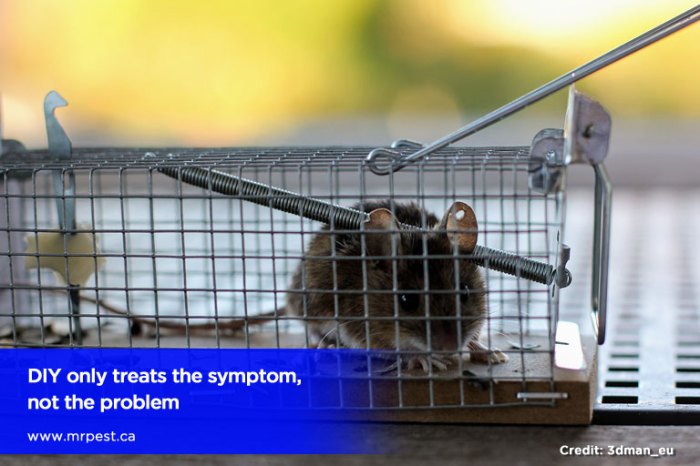
DIY website builders often appear attractive initially due to their low upfront costs. However, the long-term cost-effectiveness can be significantly impacted by hidden fees, limited functionality, and potential negative impacts on a pest control company’s brand image and customer experience. Understanding these factors is crucial for making an informed decision.The pricing models for DIY website builders vary considerably.
Some offer basic plans with limited features at a low monthly cost, while others provide more extensive options with advanced tools and customization capabilities at a higher price point. However, this perceived lower cost often masks potential long-term expenses.
Pricing Models Comparison
Various DIY website builders employ different pricing models, ranging from flat monthly fees to tiered packages with varying features. These plans can include basic templates, customizability options, storage limits, and bandwidth allocations. A comprehensive comparison of these models is crucial to assess the suitability for a pest control company’s needs.
DIY website builders can be tricky for pest control companies. They often lack the robust features needed for detailed service descriptions, important certifications, and client testimonials. Plus, managing large amounts of data, like customer information or service history, can be a real headache. Fortunately, if you’re dealing with huge XML files for your WordPress site, you can learn how to split large XML files in WordPress to make things easier here.
However, these solutions don’t always solve the core problem of the limited customization options inherent in many DIY platforms, potentially leaving your company’s online presence less professional and effective.
- Basic Plans: Often come with limited customization options and may not offer the essential features needed for a professional pest control website. This results in a need for frequent upgrades or additional services.
- Premium Plans: Offer more features and flexibility but may involve higher monthly fees. These plans can provide necessary functionalities like online booking, secure payment gateways, and more sophisticated design elements.
- Custom Development: While not a DIY website builder, it represents the alternative. Custom development offers full control and tailor-made solutions, but the initial cost can be substantial and ongoing maintenance might be necessary.
Hidden Costs
DIY website builders might appear cost-effective initially, but hidden costs can quickly accumulate. These can include additional costs for domain registration, hosting, premium themes, plugins, or professional assistance for troubleshooting and support.
- Domain Registration: While often bundled with some plans, you may need to pay extra if it isn’t included in your chosen plan. This fee is generally minimal but should be factored in.
- Hosting: Basic hosting might be included, but more robust and scalable hosting required for high traffic and larger volumes of data can be significantly more expensive, especially for pest control companies that might receive a high volume of online inquiries.
- Premium Themes/Plugins: While DIY builders often offer templates, premium themes and plugins for advanced features might come at a premium cost. These add-ons can significantly enhance the website’s functionality and design, but their costs can easily exceed expectations.
- Support and Troubleshooting: DIY website builders often have limited support options. Addressing issues or implementing specific customizations might require external assistance, leading to unexpected expenses.
Long-Term Cost-Effectiveness Analysis
The long-term cost-effectiveness of DIY website builders depends on factors such as the company’s growth plans, ongoing maintenance needs, and the potential for attracting customers.
- Scalability: If the business anticipates significant growth in the future, a DIY website builder might become limiting as it may not be able to handle increasing traffic and customer demand.
- Maintenance: Keeping a DIY website updated and secure requires ongoing effort. This might involve regular software updates, security patches, and addressing potential technical issues.
- Customer Experience: A poorly designed or poorly maintained website can negatively impact the customer experience and damage the company’s reputation. This, in turn, can lead to lost opportunities and decreased profitability.
Overcoming Limitations
Some pest control companies have effectively used DIY website builders to create professional-looking websites. They have done so by carefully selecting the right builder, investing in premium themes and plugins, and prioritizing clear communication with customers. Examples include companies that focus on a streamlined design, concise content, and clear call-to-actions.
- Focus on Core Functionality: Pest control companies can prioritize essential features like online booking, contact forms, and testimonials. This approach can minimize the need for additional plugins or expensive customization.
- Leveraging Templates: Companies can use templates that are visually appealing and offer a professional look without substantial customization needs.
- Quality Content: High-quality content, including informative blog posts, FAQs, and customer testimonials, can improve user experience and boost search engine optimization.
Potential Pricing Risks
Using a DIY website builder can expose pest control companies to several pricing risks. These include hidden costs, scalability limitations, and the potential for technical issues that can lead to increased expenses.
- Unforeseen Costs: Hidden fees and unexpected expenses related to hosting, domain registration, plugins, and support can quickly erode the perceived cost savings of DIY builders.
- Limited Scalability: As the company grows, the DIY website builder might not be able to handle the increasing volume of traffic and customer demand, potentially requiring a costly upgrade or complete redesign.
- Technical Issues: A poorly maintained or improperly configured DIY website can lead to technical issues, security vulnerabilities, and lost business opportunities.
Alternative Solutions for Pest Control Companies: Problems With Diy Website Builders For Pest Control Comapnies
Tired of DIY website builders’ limitations? Pest control businesses deserve a professional online presence that reflects their expertise and builds trust with potential clients. DIY tools often fall short in terms of customization, security, and the specific features needed to showcase pest control services effectively. Fortunately, several alternatives offer robust solutions tailored to the unique needs of the industry.Seeking a professional website for your pest control business?
This section explores alternative solutions beyond DIY platforms, highlighting advantages and disadvantages, and essential features to consider. Understanding these options will empower you to choose a website that enhances your brand, drives more leads, and ultimately, boosts your bottom line.
Specialized Pest Control Website Platforms, Problems with diy website builders for pest control comapnies
Dedicated pest control website platforms are designed to meet the specific needs of this industry. These platforms typically offer pre-built templates, features for managing service areas, and tools for showcasing testimonials and certifications. This tailored approach simplifies website creation and maintenance, allowing you to focus on your core business operations. However, they often come with a higher price tag compared to general-purpose website builders.
- Advantages: Ease of use, pre-built templates relevant to pest control, often include integrated booking/scheduling systems, frequently have mobile-responsive designs, and sometimes include marketing tools.
- Disadvantages: Can be more expensive than general website builders, customization options may be limited, and some platforms might not offer all the features required for complex pest control businesses.
Professional Website Development Services
For businesses seeking maximum control and customization, professional website development services offer a highly personalized approach. A dedicated team of developers creates a website tailored to your specific brand, needs, and target audience. This level of customization allows for sophisticated features and advanced functionality, but the cost can be significantly higher.
- Advantages: Complete control over design and functionality, highly customizable website tailored to your business, potential for integrating complex systems (e.g., CRM, scheduling software), and advanced optimization.
- Disadvantages: The most expensive option, potentially lengthy development time, requires a higher level of technical knowledge to manage, and ongoing maintenance costs might be involved.
Comparison Chart of Website Development Options
| Feature | Specialized Pest Control Platforms | Professional Website Development |
|---|---|---|
| Design Customization | Limited, pre-built templates | High, fully customizable |
| Functionality | Basic, integrated scheduling, service area tools | Advanced, integrates with various systems |
| Pricing | Medium | High |
| Technical Support | Often included | Often included, potentially more intensive |
| Development Time | Faster | Slower |
Essential Features for Pest Control Websites
A professional pest control website needs to showcase expertise, build trust, and facilitate client communication. Critical features include a clear and concise “About Us” page, detailed service descriptions, client testimonials, contact information, and secure online booking/scheduling.
- Service Area Maps: Essential for local businesses to demonstrate service coverage and make it easy for customers to find local professionals.
- High-Quality Images/Videos: Visually appealing content showcasing the services, company, and team members.
- Secure Online Booking: Streamlines the process for clients and enhances the overall customer experience.
Case Studies of Successful and Unsuccessful Implementations
DIY website builders offer a tempting path to online presence for pest control companies, but the results can vary dramatically. Success depends not just on the platform, but also on the company’s approach, goals, and understanding of its target audience. A successful implementation often hinges on a strategic plan, tailored content, and a focus on user experience.The varying levels of success highlight the need for a critical evaluation of DIY website builders in the context of pest control businesses.
Some companies find them a cost-effective way to establish a basic online presence, while others struggle to achieve their desired outcomes, encountering limitations in functionality and technical support. Understanding the nuances of successful and unsuccessful implementations can guide pest control companies in making informed decisions about their online strategies.
Successful Implementations
A key to successful DIY website builder implementations is a clear understanding of target customer needs and tailoring the site to address those needs. Companies that successfully utilize these platforms often focus on providing clear, concise information about services, pricing, and contact details. Strong visual elements, including high-quality images and videos showcasing pest control services, are crucial. For example, a company showcasing their expertise in termite control might include a video demonstrating the inspection process.
A well-structured website with easy navigation significantly improves the user experience, leading to higher conversion rates.
Unsuccessful Implementations
Common mistakes in DIY website development often stem from a lack of understanding of best practices and the importance of consistent updates. A website that isn’t optimized for search engines will struggle to rank well in search results, making it difficult for potential customers to find the company. Ignoring the importance of consistent updates, including fresh content, blog posts, and timely service announcements, can also negatively impact the site’s effectiveness.
Failing to tailor the website to the specific needs of the pest control industry, and not adequately addressing the specialized language and terminology used in the field, can also lead to a negative user experience.
Common Mistakes and Challenges
Pest control companies often face several challenges when using DIY website builders. Poorly designed navigation, a lack of mobile optimization, and slow loading speeds can lead to a negative user experience. Companies also struggle with the limitations of certain platforms, such as the inability to integrate sophisticated pest control software or the lack of advanced marketing tools. Inaccurate or incomplete information on the website, including pricing, service areas, or contact details, can also negatively impact customer trust.
Platform Comparison
| Website Builder Platform | Positive Aspects | Negative Aspects |
|---|---|---|
| Platform A | Intuitive interface, affordable pricing, good basic functionality. | Limited customization options, poor mobile responsiveness, lack of advanced features. |
| Platform B | Strong tools, excellent mobile compatibility, good customer support. | More expensive than Platform A, steep learning curve, limited integration options. |
| Platform C | Advanced features, customizable templates, strong support. | High price point, requires technical expertise, potentially complex interface. |
A Successful Implementation Case Study: “Exterminator Express”
Exterminator Express, a mid-sized pest control company, successfully leveraged a DIY website builder (Platform B) to enhance its online presence. Their strategy involved a meticulous process of website optimization, ensuring their target audience found the relevant information quickly. They used high-quality images and videos showcasing their services, including before-and-after examples of successful pest control treatments. Furthermore, they actively used best practices to improve search engine rankings and drive organic traffic to their website.
They also included clear pricing information and a readily available contact form, significantly improving their customer interaction.
Summary
In conclusion, while DIY website builders offer a tempting path to a cheaper online presence, pest control companies should carefully consider the potential downsides. The limitations in functionality, technical support, and the ultimate impact on client experience can lead to significant problems. Ultimately, investing in a professional website, tailored to the unique needs of a pest control business, is often the most effective and cost-efficient long-term strategy.