Real cost DIY vs expert pest control marketing explores the often-overlooked financial, effectiveness, and time commitment differences between tackling pests yourself and hiring professionals. This deep dive considers the initial and ongoing expenses, effectiveness of treatments, and the time investment required for both approaches. Ultimately, understanding these factors helps homeowners make informed decisions, whether DIY or expert pest control aligns with their needs and budget.
From the initial cost of supplies to the potential for hidden damage from DIY attempts, this analysis reveals the full picture. We’ll examine the effectiveness of different methods, the potential risks involved, and how both approaches address long-term pest prevention strategies. The comparison also includes a critical look at marketing strategies employed by both DIY suppliers and professional pest control services.
Introduction to DIY vs. Expert Pest Control
Choosing between tackling pests yourself or hiring a professional pest control service is a common dilemma. Both options have their merits and drawbacks, impacting the effectiveness, safety, and cost of pest management. Understanding these factors is crucial for making an informed decision tailored to your specific needs and resources.
Potential Benefits and Drawbacks of DIY Pest Control
DIY pest control methods often appeal to those seeking cost savings and a sense of control over their environment. However, they can also present significant challenges. The benefits often lie in the direct interaction and perceived control. A significant drawback is the potential for ineffective treatment, leading to recurring infestations. Furthermore, improper application of pesticides can pose health risks to humans and pets, as well as damage the environment.
Potential Benefits and Drawbacks of Expert Pest Control
Professional pest control services provide a structured approach, leveraging expertise and specialized equipment to effectively eliminate pest infestations. The advantages often involve comprehensive assessments, tailored solutions, and potentially quicker results. However, the cost of professional services can be a significant deterrent for many homeowners. Another consideration is the potential for environmental impact from the pesticides used.
Factors Influencing the Decision
Several factors influence the choice between DIY and expert pest control. Budget constraints, the severity of the infestation, personal knowledge and skills, and the type of pests involved are all important considerations. A thorough assessment of these factors can help determine the most suitable approach. Furthermore, the potential for property damage or health risks from improper pest control methods must be considered.
Figuring out the real cost of DIY pest control versus hiring an expert is tricky. Sometimes, a quick fix seems appealing, but understanding the long-term implications is crucial. To truly make the best decision, your firm needs to use research as a catalyst for change, evaluating the actual expenses and effectiveness of each approach. Ultimately, knowing the true financial and practical impact will help you make a more informed choice about whether to tackle pest control yourself or call in the professionals.
Comparison of DIY and Expert Pest Control Methods, Real cost diy vs expert pest control marketing
| Characteristic | DIY Pest Control | Expert Pest Control |
|---|---|---|
| Cost | Potentially lower initial cost, but repeated attempts and ineffective treatments can lead to higher overall costs. | Higher upfront cost but potentially lower overall costs if the infestation is effectively and permanently eliminated. |
| Time | Can take significant time, especially if the infestation is widespread or the DIY methods are not effective. | Often quicker, as experts have specialized equipment and experience. |
| Effectiveness | Effectiveness varies greatly depending on the pest type, the severity of the infestation, and the accuracy of DIY methods. Recurring infestations are common. | Generally more effective due to expertise, specialized techniques, and a comprehensive approach to pest identification and treatment. |
| Safety | Potential for human and pet exposure to harmful chemicals if DIY methods are not followed correctly. | Experts use specialized techniques and equipment to minimize potential risks to people, pets, and the environment. |
| Expertise | Relies on self-education and research, which may not be sufficient for complex infestations. | Leverages expert knowledge and experience to identify the root cause of the infestation and select the most effective treatment. |
Financial Implications of DIY Pest Control
Taking on pest control yourself might seem appealing at first, promising cost savings. However, the financial implications of DIY pest control can quickly become more complex than initially anticipated, often leading to unexpected expenses and potential property damage. Understanding these implications is crucial for making an informed decision about the best approach for your situation.
Figuring out the real cost of DIY pest control versus hiring a pro is tricky. Understanding consumer search habits, like those detailed in google trends search habits nz , reveals that Kiwis are actively researching DIY solutions. However, the long-term costs of DIY solutions, from wasted materials to potential property damage, often outweigh the initial appeal. Ultimately, the real cost of DIY pest control might surprise you when compared to the guaranteed results and peace of mind professional pest control offers.
Initial Costs of DIY Pest Control
DIY pest control often involves upfront expenses for various supplies. These include purchasing traps, insecticides, cleaning solutions, and protective gear like gloves and respirators. The price of these materials can vary widely depending on the type of pest, the severity of the infestation, and the quality of the products. Some DIY solutions, like DIY traps, might seem inexpensive initially, but the need for frequent replacements and multiple attempts at effective control can quickly increase costs.
Ongoing Costs of DIY Pest Control
The ongoing costs of DIY pest control can be substantial. Regular monitoring, re-treatment, and replacement of traps or chemicals are necessary for maintaining control. The frequency of these treatments depends on the type of pest, the severity of the infestation, and the effectiveness of the chosen methods. In some cases, if the DIY approach proves ineffective, you might need to invest in more expensive solutions, or worse, end up with a larger, more problematic infestation.
Comparison to Professional Pest Control Services
Professional pest control services often involve a flat fee or a service plan, which might appear more expensive initially. However, these services include the expertise of trained professionals, specialized equipment, and a warranty or guarantee for effectiveness. Consider the value of time saved, and potential property damage avoided, when evaluating the cost of a professional service.
Figuring out the real cost of DIY pest control versus hiring pros can be tricky. It’s not just about the upfront price; consider the time investment and potential for further damage if DIY goes wrong. This ties directly into optimizing B2B content marketing strategies, like exploring b2b content marketing efficiencies to reach your target audience effectively.
Ultimately, understanding these factors helps you make the smartest decision when deciding if DIY is truly the most economical solution for pest control.
Potential Hidden Costs of DIY Pest Control
Ineffective treatments can lead to a worsening infestation, requiring more extensive and costly measures. Incorrect application of chemicals can cause property damage, such as discoloration of surfaces or harm to pets and family members. Health risks from handling pesticides without proper precautions can lead to medical expenses and lost productivity. The cost of dealing with these issues far exceeds the initial cost savings from choosing a DIY approach.
Long-Term Financial Impact
The long-term financial impact of each approach significantly influences the decision. DIY pest control might seem cheaper initially, but repeated failures can result in larger infestations requiring costly, intensive professional treatment later. The long-term costs of ineffective DIY treatments, property damage, and health risks outweigh the short-term savings. A professional service often prevents these future problems, protecting your investment and providing peace of mind.
Cost Comparison Table
| Feature | DIY Pest Control | Professional Pest Control |
|---|---|---|
| Initial Cost | Potentially lower, depending on severity and supplies | Potentially higher, but often includes guarantee |
| Ongoing Costs | Higher due to repeated treatments, potential failures, and replacements | Generally lower, depending on service plan, and professional expertise |
| Hidden Costs | Ineffective treatments, property damage, health risks, time investment | Expert advice, guaranteed results, minimized risks |
| Long-Term Impact | Increased future pest problems, higher overall cost | Prevention of future problems, lower overall cost |
| Time Commitment | Significant time spent on monitoring, treatments, and research | Minimal time commitment, allowing you to focus on other priorities |
Effectiveness and Safety of DIY vs. Expert Pest Control

DIY pest control can seem appealing, offering a potentially cheaper solution. However, the effectiveness and safety of these methods often fall short compared to professional pest control services. Understanding the potential pitfalls and the expertise of professionals is crucial for making an informed decision.A balanced approach, considering both cost and potential risks, is key to choosing the best method for your specific situation.
This section delves into the effectiveness and safety considerations of both DIY and professional pest control, providing a clear comparison.
DIY Pest Control Effectiveness
DIY methods, while seemingly cost-effective, can vary greatly in their effectiveness. Many readily available solutions are often insufficient to eradicate a significant pest infestation. Improper application or lack of understanding of pest behavior can lead to limited results and potential resurgence. Furthermore, some DIY methods, especially those using harsh chemicals, might not target the specific pest effectively, leading to environmental contamination and potential harm to beneficial insects.
DIY Pest Control Safety Risks
DIY pest control methods can pose significant safety risks. Misapplication of chemicals can lead to poisoning, both for humans and pets. Incorrect identification of the pest can result in using ineffective or inappropriate treatments, prolonging the infestation and increasing the risk of harm. Children and pets are particularly vulnerable to exposure to pesticides, necessitating extra caution and preventive measures.
Improper disposal of chemicals can also contribute to environmental pollution.
Professional Pest Control Expertise
Professional pest control companies employ highly trained technicians with specialized knowledge of pest behavior, life cycles, and effective control methods. Their expertise allows for targeted treatment strategies that minimize the risk of harm to humans, pets, and the environment. They use a variety of tools and techniques, from bait stations to advanced traps, tailored to the specific pest species and the characteristics of the affected area.
They possess detailed knowledge of local pest populations, allowing them to adapt their strategies to specific needs.
Professional Pest Control Safety Protocols
Professional pest control companies prioritize safety and adhere to strict protocols. They use appropriate protective equipment, such as gloves, masks, and eyewear, to safeguard their technicians from chemical exposure. They are well-versed in safe handling and disposal procedures for pesticides, minimizing environmental impact. They understand the potential risks to pets and children, taking precautions to protect these vulnerable populations.
Professional Pest Control Treatment Steps
A professional pest control treatment typically involves several key steps. Initial inspection identifies the specific pest type and the extent of the infestation. This assessment guides the selection of appropriate treatment methods. Treatment plans are meticulously developed, considering the location, potential for harm, and the nature of the infestation. Application of chosen treatments is carried out according to established safety procedures, with meticulous attention to detail.
Post-treatment monitoring ensures the effectiveness of the treatment and helps prevent future infestations. Thorough documentation of the entire process is also a critical aspect of professional pest control.
Effectiveness and Safety Comparison Table
| DIY Method | Effectiveness Rating (1-5, 5 being highest) | Safety Rating (1-5, 5 being highest) | Comments |
|---|---|---|---|
| Borax | 2 | 3 | Effective for some insects, but requires careful handling. |
| Diatomaceous Earth | 3 | 4 | Generally safe, but effectiveness varies depending on the pest. |
| Essential Oils | 1 | 4 | Limited effectiveness, often used as a deterrent. |
| Professional Pest Control | 5 | 5 | Highly effective and safe, utilizing specialized techniques and trained personnel. |
Professional pest control offers a significantly higher level of effectiveness and safety compared to DIY methods.
Time Commitment and Convenience
DIY pest control can seem appealing due to its potential cost savings, but it often comes with a significant time investment. Understanding the time commitment required, alongside the convenience of professional pest control, is crucial in making an informed decision. Weighing the pros and cons of each approach helps homeowners assess the best course of action for their specific needs and circumstances.Time spent on DIY pest control often involves extensive research to identify the pest type, understanding their behavior, and choosing the right treatment method.
This research phase can be quite extensive, consuming considerable time and effort. Furthermore, purchasing the necessary supplies and equipment can add to the overall time commitment. The actual application of the treatment also demands attention and careful execution. Crucially, monitoring the effectiveness of the treatment and adjusting strategies as needed adds further to the overall time commitment.
These factors frequently lead to unforeseen delays and disruptions in daily routines.
DIY Pest Control Time Investment
The time commitment for DIY pest control can vary greatly depending on the severity of the infestation, the type of pest, and the chosen treatment method. A simple ant infestation might require a few hours, while a more extensive infestation could consume several days or even weeks. Homeowners must be prepared for the potential for delays if the pest problem persists or if the initial treatment proves ineffective.
The need for repeat treatments and adjustments to the treatment strategy can further extend the time commitment. For example, a persistent cockroach problem might necessitate multiple applications, each requiring time for research, purchasing supplies, application, and monitoring.
Professional Pest Control Convenience
Hiring a professional pest control service offers a considerable advantage in terms of time management and convenience. Professionals possess the expertise and experience to identify the pest, select the most effective treatment, and apply it safely and efficiently. Homeowners gain back precious time that can be used for other activities. This is particularly important for busy individuals and families who value their time and want to avoid the potential delays or disruptions associated with DIY pest control.
For instance, a professional service can typically schedule a visit at a time convenient for the homeowner, eliminating the need for them to dedicate significant time to the task.
Time Comparison: DIY vs. Professional Pest Control
| Pest Issue | DIY Time Commitment (Estimate) | Professional Service Time Commitment (Estimate) |
|---|---|---|
| Minor ant infestation | 2-4 hours (research, purchase, application, monitoring) | 1-2 hours (inspection, treatment application) |
| Moderate cockroach infestation | 5-10 hours (multiple applications, monitoring) | 2-4 hours (inspection, treatment application, follow-up) |
| Severe rodent infestation | 10+ hours (multiple applications, traps, monitoring) | 2-6 hours (inspection, treatment application, follow-up) |
| Recurring spider infestation | 2-4 hours per application, with ongoing monitoring | 1-2 hours per application, with follow-up inspection |
This table provides a general comparison, but the actual time commitment can vary significantly based on the specific circumstances of each infestation. Professional pest control services typically offer convenient scheduling options, which can minimize disruptions to the homeowner’s daily life.
Understanding Different Pest Types: Real Cost Diy Vs Expert Pest Control Marketing
Identifying the specific pest is crucial for effective control, whether you choose DIY methods or professional help. Different pests have varying life cycles, behaviors, and vulnerabilities, impacting the best course of action. A precise identification allows for targeted treatment, maximizing efficiency and minimizing harm to your home and family.Understanding the nuances of various pest types is key to successful management.
Different pests require different approaches, and DIY methods might be sufficient for some, while others necessitate professional expertise. A detailed understanding of pest biology and behavior is essential to tailor your response and avoid potential problems.
Identifying Pest Types for Effective Treatment
Accurate identification of the pest is paramount. Different pest types exhibit distinct characteristics, behaviors, and vulnerabilities. A thorough inspection, noting physical attributes, feeding habits, and activity patterns, can lead to a precise identification. This information is critical for choosing the most appropriate control method. If unsure, consulting a professional is recommended.
Specific Requirements and Methods for Different Pests
Different pests require different strategies for effective control. Let’s examine some common pest types and their specific needs.
- Ants: Ants often infest homes in search of food. Identifying the type of ant is essential, as different species have different foraging behaviors. Ant trails can be a good starting point for understanding the entry point. Bait traps placed strategically along the trails can disrupt the colony’s food supply. Eliminating food sources around the house is also important.
Regular sanitation and proper food storage are crucial preventive measures.
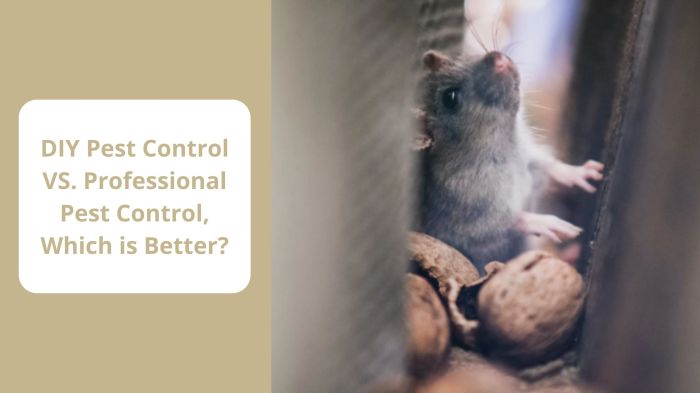
- Rodents (Mice and Rats): Rodents, particularly mice and rats, can pose significant health risks and damage property. Their entry points can be tiny gaps or openings in walls or foundations. Rodent-proof measures such as sealing cracks and gaps, and using traps or repellents, are essential. Understanding rodent behavior, such as their nesting preferences, can help target control efforts. Professional extermination may be necessary for larger infestations.
- Termites: Termites are destructive pests that can cause significant structural damage to wooden homes. They often work beneath the surface, making detection challenging. Professional inspections and treatments are highly recommended due to the complexity of termite colonies and their potential for extensive damage. Monitoring for signs like mud tubes or damaged wood is crucial.
Pest Control Professional Expertise
Professional pest control companies possess specialized knowledge and equipment for managing various pest types. They have experience dealing with a wide range of infestations, including complex scenarios involving multiple pest species. Their expertise extends to understanding the biology, behavior, and life cycles of different pests, enabling them to implement targeted control strategies.
| Pest Type | Recommended Approaches |
|---|---|
| Ants | Bait traps, eliminating food sources, sanitation |
| Rodents | Exclusion measures, traps, repellents, professional help (if needed) |
| Termites | Professional inspection and treatment (essential) |
| Cockroaches | Professional inspection and treatment (highly recommended) |
| Mosquitoes | Source reduction, preventative measures, professional help (for large infestations) |
Illustrative Examples and Case Studies
Pest control, whether DIY or professional, requires careful consideration of the specific situation. Real-world examples can illuminate the potential benefits and drawbacks of each approach, helping homeowners make informed decisions. Understanding successful outcomes in both DIY and professional interventions provides a valuable benchmark for assessing effectiveness.
A Successful DIY Pest Control Scenario
A homeowner noticed a few ants entering their kitchen. Armed with baking soda and borax, they created a simple bait station. The bait station was strategically placed near the entry points, attracting the ants. The homeowner meticulously monitored the situation, ensuring the ants were consistently drawn to the bait and not other areas. Over several days, the ant activity significantly decreased, and within a week, the ants were gone.
This demonstrates a successful DIY approach for a relatively small-scale infestation.
A Successful Professional Pest Control Intervention
A homeowner experienced a severe infestation of cockroaches. Despite numerous attempts with DIY methods, the problem persisted and even worsened. A professional pest control company assessed the situation, identifying the cockroach entry points and infestation levels. They employed a multi-pronged approach including targeted insecticide application, sealing entry points, and sanitation procedures. Regular follow-up visits and preventative measures ensured the infestation did not recur.
The intervention involved expertise and a systematic strategy that effectively eradicated the problem.
Comparison of Outcomes
| Characteristic | DIY Approach (Ants) | Professional Approach (Cockroaches) |
|---|---|---|
| Pest Type | Small-scale ant infestation | Severe cockroach infestation |
| Initial Effort | Low, using readily available materials | Higher, involving assessment and planning |
| Time to Resolution | Relatively quick (within a week) | Longer (multiple visits and follow-up) |
| Cost | Low (cost of baking soda and borax) | Higher (professional fees) |
| Effectiveness | Highly effective in this specific case | Highly effective in resolving the infestation |
| Safety | Potentially safe if used correctly, but risks of incorrect application | Professionals trained in safe handling of pesticides |
| Sustainability | Potential for recurrence if entry points are not addressed | Longer-lasting solution with preventative measures |
Case Study Analysis
The table highlights the contrasting outcomes of DIY and professional pest control. The successful DIY scenario demonstrates the effectiveness of simple, targeted interventions for limited infestations. The professional intervention, however, showcases the necessity of specialized expertise and strategic planning for complex or widespread infestations. Both scenarios underscore the importance of understanding the specific pest type and the scale of the infestation before deciding on a course of action.
Marketing Strategies for DIY vs. Expert Pest Control
Attracting the right customers is crucial for both DIY pest control suppliers and professional services. Understanding the needs and motivations of each target demographic allows for effective marketing strategies tailored to specific desires and concerns. This section explores the distinct marketing approaches for each.
Target Audience for DIY and Expert Pest Control
DIY pest control enthusiasts often prioritize cost-effectiveness and a sense of control. They are generally comfortable with self-reliance and tackling projects themselves. On the other hand, concerned homeowners frequently seek expert solutions, valuing safety, efficiency, and guaranteed results. The urgency and potential damage caused by pests further influence their choice.
Marketing Strategies for DIY Pest Control Suppliers
DIY pest control suppliers often leverage online platforms and social media to reach potential customers. Their marketing focuses on providing comprehensive information, product demonstrations, and detailed instructions for use.
- Emphasis on affordability and ease of use: DIY pest control kits and products are often presented as budget-friendly alternatives to professional services, highlighting their cost-effectiveness. Marketing materials frequently showcase the simplicity of application and the minimal time commitment required.
- Product demonstrations and tutorials: Videos and online tutorials are crucial for demonstrating the proper use of DIY products and techniques. This builds trust and shows customers how easily the products can be integrated into their daily lives.
- Customer reviews and testimonials: Positive feedback from satisfied customers enhances credibility and builds trust. Showcase real-life examples of how the products have effectively solved pest problems for homeowners.
- Focus on specific pest problems: Targeting specific pest types and providing tailored solutions for those problems can attract a niche market. For instance, a company might specialize in ant control or rodent extermination, catering to specific customer needs.
Marketing Strategies for Professional Pest Control Services
Professional pest control services prioritize reliability, safety, and guaranteed results. Their marketing emphasizes expertise, experience, and comprehensive solutions.
- Highlighting expertise and experience: Professional pest control companies emphasize their years of experience and the certifications of their technicians. This assures clients of their ability to effectively address a wide range of pest issues.
- Emphasis on safety and environmental responsibility: Professional services often stress the use of safe and environmentally friendly products and techniques. This assures clients that the solutions are not harmful to pets, children, or the environment.
- Guarantee and warranty: Professional pest control companies frequently offer guarantees and warranties to reassure clients of their commitment to effective solutions. This assures clients that the services will resolve pest issues for a set period.
- Local focus and community involvement: Building a local reputation through community involvement and advertisements can foster trust and loyalty. This emphasizes their commitment to the specific area they serve.
Comparison of Marketing Approaches
| Feature | DIY Pest Control | Professional Pest Control |
|---|---|---|
| Target Audience | DIY enthusiasts, budget-conscious homeowners | Concerned homeowners, those seeking guaranteed results |
| Marketing Focus | Affordability, ease of use, self-reliance | Expertise, safety, guaranteed results |
| Marketing Channels | Online platforms, social media, product demonstrations | Local advertising, online reviews, testimonials |
| Key Messaging | “Easy solution, cost-effective” | “Expert solution, guaranteed results” |
Concluding Remarks
In conclusion, the decision between DIY and professional pest control hinges on a nuanced understanding of costs, effectiveness, safety, and time commitment. While DIY can be appealing for budget-conscious individuals, the potential for hidden costs and risks associated with DIY methods shouldn’t be overlooked. Expert pest control services, while often more expensive, offer proven effectiveness, safety protocols, and a comprehensive approach to long-term pest prevention.
Ultimately, this comparison empowers homeowners to choose the most suitable option for their specific needs and circumstances.