Top 5 types of email offers for professional services lead nurturing is crucial for businesses to effectively engage potential clients. This guide delves into five distinct email offer types, providing actionable strategies to cultivate leads and build lasting relationships.
From valuable content to personalized recommendations, we’ll explore how these offers can be crafted to resonate with specific audience segments. Discover effective email strategies, learn how to track success, and optimize your email campaigns for maximum impact.
Defining Professional Services Lead Nurturing
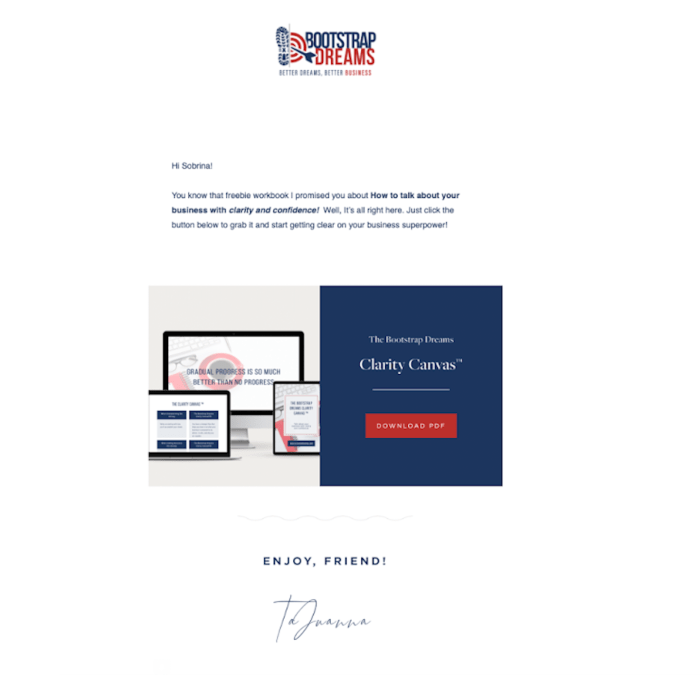
Professional services lead nurturing is a strategic approach to cultivate relationships with potential clients. It’s not a one-time interaction but a series of carefully planned communications designed to move prospects through the sales funnel, fostering trust and demonstrating expertise. This personalized engagement aims to educate, answer questions, and position the service provider as a valuable partner.Lead nurturing in professional services is crucial for building long-term client relationships and driving revenue growth.
By providing consistent value and addressing specific needs, businesses can convert prospects into loyal customers. This process requires a deep understanding of the target audience and a tailored communication strategy.
Key Objectives of Lead Nurturing
Lead nurturing for professional services businesses aims to achieve several key objectives. These include increasing conversion rates, shortening sales cycles, and strengthening customer loyalty. By nurturing leads effectively, companies can build a stronger pipeline of qualified prospects, ultimately leading to higher profitability.
- Increased Conversion Rates: Lead nurturing helps identify and qualify leads who are more likely to convert into paying clients, leading to a higher return on investment.
- Shortened Sales Cycles: Nurturing leads through education and valuable content reduces the time needed to close deals, as prospects are already pre-qualified and knowledgeable about the services offered.
- Stronger Customer Loyalty: Building trust and rapport through consistent communication fosters loyalty and encourages repeat business, creating a strong foundation for long-term relationships.
Stages of the Lead Nurturing Process
The lead nurturing process typically involves several stages, each with specific goals and messaging. Understanding these stages allows businesses to tailor their communication strategies to move prospects towards conversion.
- Awareness: This initial stage focuses on introducing the service provider and its offerings to potential clients. Content at this stage aims to establish expertise and address general industry challenges, helping prospects understand the problem they face.
- Interest: Once a prospect shows interest, the nurturing process moves towards demonstrating how the professional services can solve their specific needs. This stage includes case studies, testimonials, and targeted content.
- Decision: In this critical stage, prospects are actively evaluating options. Content emphasizes the value proposition, highlighting competitive advantages and providing clear calls to action.
- Action: The final stage involves converting the lead into a client. This could include scheduling a consultation, signing a contract, or engaging in ongoing service. Content at this stage is focused on facilitating the next steps and building a strong client relationship.
Importance of Email in Lead Nurturing for Professional Services
Email marketing plays a pivotal role in lead nurturing for professional services. It provides a direct channel to communicate with potential clients, deliver personalized content, and track engagement. The ability to segment audiences and tailor messages to specific needs makes email a powerful tool.
- Direct Communication: Email provides a direct channel to communicate with prospects, ensuring your message reaches the intended audience without the intermediaries of social media or other platforms.
- Personalized Content: Email allows for targeted messages based on lead behavior and preferences, resulting in more relevant and engaging communications. Personalized content demonstrates a deeper understanding of the prospect’s needs.
- Engagement Tracking: Email platforms provide detailed analytics to track open rates, click-through rates, and other metrics, enabling businesses to measure the effectiveness of their campaigns and adjust strategies accordingly.
Identifying Top 5 Email Offer Types
Crafting compelling email offers is crucial for nurturing leads in professional services. These offers should move prospects from initial contact to engaged clients, demonstrating value and building trust. The key is to understand the different stages of the sales funnel and tailor your offers to address specific needs at each point. This section Artikels five distinct types of email offers designed to resonate with potential clients and drive engagement.
Framework for Classifying Email Offers
Email offers are not one-size-fits-all. A successful lead nurturing strategy requires diverse offerings to cater to different needs and interests. This framework categorizes five key offer types, each designed to provide unique value to potential clients at various stages of their journey. These offers range from introductory insights to in-depth resources, reflecting a progressive approach to building relationships.
Top 5 Email Offer Types
This section presents five distinct types of email offers tailored for professional services lead nurturing. Each offer type is designed to address a specific need or interest within the sales funnel, thereby creating a more engaging and effective nurturing strategy.
- Introductory Insights: These offers provide a glimpse into the value proposition of your professional services. They aim to demonstrate expertise and address common client pain points without a hard sell. These offers often come in the form of brief articles, thought leadership pieces, or short videos showcasing your unique approach. Target audience for this type of offer is prospective clients at the very beginning of the sales funnel, still exploring their options and gathering information.
Thinking about top 5 email offers for nurturing professional service leads? Building trust is key, and customer stories are powerful tools for that. For instance, showcasing successful pest control solutions through customer stories key to pest control marketing can really resonate with potential clients. Ultimately, highlighting positive experiences is crucial for convincing prospects of your expertise, just like compelling email offers for professional services will help close the deal.
A compelling subject line might be “Unlocking Efficiency: 3 Simple Steps for [Client’s Industry]”.
- Case Study Deep Dives: Case studies showcase successful client projects, providing tangible evidence of your expertise and the positive impact you can have on similar businesses. They offer a deeper dive into specific solutions and demonstrate your ability to address real-world challenges. Target audience for this offer type is those prospects who are further down the funnel, actively researching solutions and wanting to see concrete results.
A sample subject line could be “Client Success Story: How [Company Name] Achieved [Specific Result] in [Timeframe]”.
- Free Consultation Resources: Offering a free consultation, whether it’s a brief introductory call or a more comprehensive session, positions you as a valuable resource and builds rapport. These consultations are focused on understanding client needs, exploring their goals, and offering initial guidance without pressure to commit. The target audience for these offers includes potential clients who are ready to explore a more detailed discussion and who need personalized advice.
An enticing subject line could be “Free 30-Minute Consultation: Discover How [Your Services] Can Benefit Your Business”.
- Exclusive Content Downloads: This type of offer provides valuable, downloadable resources like white papers, checklists, templates, or e-books. These resources are designed to educate prospects about industry trends, best practices, or specific challenges, further positioning you as an expert. Target audience is likely to be prospects who want to learn more and take action based on the knowledge provided.
An effective subject line would be “Download Now: The Ultimate Guide to [Industry Trend]”.
- Premium Webinars & Workshops: Webinars and workshops provide opportunities for live interaction, enabling you to demonstrate your expertise and address specific questions. These offers often focus on a specific problem or opportunity, offering valuable insights and networking opportunities. Target audience is usually those who are ready to make a decision or need to discuss the topic with someone directly. A suitable subject line could be “Webinar: Mastering [Specific Skill/Topic] in [Industry]”.
Email Offer Type 1: Value-Added Content
Value-added content is a cornerstone of effective lead nurturing. It positions your professional services firm as a trusted advisor, demonstrating expertise and providing tangible benefits to potential clients. This type of content goes beyond generic promotional material, offering practical insights and solutions directly addressing their pain points.This approach builds rapport and establishes credibility, increasing the likelihood of converting leads into paying clients.
By offering valuable resources, you cultivate a positive perception of your brand, fostering trust and encouraging engagement.
Sample High-Value Content Piece
A compelling example of value-added content is a whitepaper titled “Streamlining Project Management for Maximum ROI in Construction Projects.” This whitepaper would delve into the intricacies of project management, specifically addressing challenges faced by construction firms. It would detail proven strategies for optimizing resource allocation, mitigating delays, and enhancing profitability. Data-driven insights, case studies, and actionable recommendations would be woven throughout.
Addressing Pain Points
The whitepaper directly tackles common pain points within the construction industry, such as project overruns, budget constraints, and inefficient resource management. It offers tangible solutions, including:
- Detailed frameworks for effective project planning.
- Practical checklists for mitigating potential risks.
- Case studies showcasing successful implementations of these strategies.
Content Structure in Email
The email promoting the whitepaper should be concise and engaging. A compelling subject line is crucial. The email body should include:
- A brief introduction highlighting the problem the whitepaper addresses.
- A clear and concise description of the whitepaper’s content, emphasizing its value proposition.
- A compelling call to action (CTA) button directing readers to the download page.
- A brief description of the author’s expertise and background to enhance credibility.
- Social proof through testimonials or endorsements from satisfied clients (optional).
Encouraging Engagement
To maximize engagement with this offer, include a clear and compelling CTA. For example, “Download Your Free Whitepaper Now!” The email should also subtly suggest next steps. For instance, you might mention a webinar or upcoming event related to the whitepaper’s topics. This encourages further engagement and positions your firm as a resource beyond the initial download.
Email Offer Type 2: Exclusive Resources
Exclusive resources are powerful lead nurturing tools. They go beyond generic content by providing unique value propositions that position your professional services firm as a trusted advisor. These resources are designed to demonstrate your expertise and establish a connection with potential clients, fostering trust and encouraging further engagement.Exclusive resources aren’t just about offering more content; they’re about offeringbetter* content.
They’re carefully curated and presented in a way that highlights their specific value to the recipient. This targeted approach helps differentiate your firm and encourages prospects to see you as a valuable resource, rather than just another vendor.
Want to supercharge your professional services lead nurturing? Crafting the top 5 email offers is key. Think exclusive webinars, free downloadable guides, or personalized consultations. To make your website even more appealing to your visitors, consider adding a dark mode option, which can significantly enhance the user experience. For a simple guide on how to add dark mode to your WordPress website, check out this helpful resource: how to add dark mode to your WordPress website.
Ultimately, these engaging email offers will help you connect with potential clients and nurture them toward becoming loyal customers.
Exclusive Resource Examples
This section details examples of exclusive resources that professional services businesses can offer. These resources demonstrate in-depth knowledge and offer tangible value to recipients.
- Customizable Templates: Instead of generic templates, offer templates tailored to specific industry challenges or service offerings. For instance, a legal firm could offer a customizable contract template for startups in the tech industry. These templates save recipients time and resources, showing you understand their specific needs.
- Exclusive Webinars: Host webinars with industry experts or senior staff sharing insights and best practices, focusing on your unique service areas. These webinars are more valuable than generic industry updates because they delve deeper into specialized topics.
- Case Studies: Present case studies that highlight successful projects and client outcomes. These are particularly impactful when they showcase specific solutions and results tailored to the recipient’s potential situation.
- Early Access to Reports/White Papers: Release new research or reports before they’re publicly available. Offering early access positions you as an industry thought leader and shows you’re willing to share valuable insights ahead of the curve.
- Access to a Private Community Forum: Create a private forum where subscribers can connect with each other and with your team, offering support and discussion about specific industry challenges.
Value Proposition of Exclusive Resources
Exclusive resources are more valuable than generic ones because they represent a tailored approach. Generic resources can be found anywhere, while exclusive resources offer a unique advantage.
| Generic Resource | Exclusive Resource |
|---|---|
| Widely available, often free, content | Curated content focused on specific client needs |
| Less engaging due to mass distribution | More engaging due to exclusive access and personalized value |
| Limited potential for deeper engagement | Stronger potential for building rapport and trust |
Creating Exclusive and Valuable Resources
Making resources exclusive involves several key strategies:
- Targeted Content: Focus on addressing the specific needs and challenges of your ideal client persona. This personalization elevates the resource’s perceived value.
- Limited Availability: Limiting access to a certain number of recipients or a set period increases perceived value. This scarcity principle is a powerful motivator.
- High Quality: Invest in creating high-quality resources, whether it’s well-researched webinars, in-depth case studies, or meticulously designed templates. This demonstrates your commitment to providing exceptional value.
- Clear Value Proposition: Clearly communicate the specific benefits and how the resource will help the recipient. This ensures recipients understand the value proposition and are motivated to engage.
Strategies for Enticing Subscribers
These strategies help entice subscribers to access exclusive resources:
- Exclusive Early Access: Offer exclusive early access to webinars, reports, or other content to incentivize participation.
- Limited-Time Offers: Create a sense of urgency by offering exclusive resources for a limited time only.
- Exclusive Membership Programs: Offer exclusive resources as part of a premium membership program, creating a sense of community and added value.
- High-Value Incentives: Use incentives like discounts, early access to future resources, or invitations to exclusive events to encourage participation.
Email Offer Type 3: Personalized Recommendations
Tailoring email offers to individual leads is crucial for effective lead nurturing. Generic emails often fall flat, failing to resonate with the specific needs and interests of your audience. Personalized recommendations, however, create a stronger connection, fostering trust and increasing engagement. This approach recognizes that each lead is unique, and by understanding their individual requirements, you can deliver more relevant and valuable content.Understanding your leads’ needs and preferences allows for more targeted communication.
This personalization builds trust, which is essential for moving leads through the sales funnel. By recognizing their specific pain points and desires, you can present solutions that address those concerns directly, ultimately strengthening the relationship and increasing the likelihood of conversion.
Segmenting Leads for Personalized Recommendations
Effective personalization begins with segmenting your leads. This involves categorizing them based on shared characteristics, such as their industry, job title, company size, engagement history, and expressed interests. By identifying these commonalities, you can create more relevant and targeted communication for each segment. Robust lead segmentation allows for more effective allocation of resources, ensuring that each lead receives the most pertinent information.
For instance, a lead from a rapidly growing startup in the tech sector will have different needs than a lead from a large, established corporation in the financial industry.
Personalizing Email Content Based on Lead Segmentation
Once you’ve segmented your leads, you can tailor your email content to address the specific needs and interests of each group. This includes adjusting the subject lines, body content, and calls to action to reflect their unique circumstances. Remember, a personalized email is more than just a name drop. It’s about presenting relevant information, offering solutions to their problems, and demonstrating your understanding of their challenges.
Crafting compelling email offers is key for nurturing leads in professional services. Top 5 types often include exclusive resources like checklists, templates, or free consultations. Knowing how to troubleshoot WordPress image processing errors can be a real headache, though. For example, if you’re experiencing a “post-processing of image failed” error, check out this helpful guide on fixing it how to fix post processing of image failed error in wordpress.
Once you’ve got your WordPress images sorted, you can focus on your email offers and build stronger client relationships.
Using dynamic content allows for automated adjustments in the email’s content, depending on the lead’s segment.
Examples of Personalized Email Subject Lines
| Lead Segment | Subject Line Example |
|---|---|
| Marketing Managers at SaaS Companies | “Boost Your SaaS Marketing ROI with [Your Company]’s Proven Strategies” |
| Project Managers in Construction | “Streamline Your Construction Projects with [Your Company]’s Solutions” |
| Sales Directors in Retail | “Drive Retail Sales Growth with [Your Company]’s Data-Driven Insights” |
| Leads Interested in Customer Success Platforms | “Case Studies: How [Your Company] Increased Customer Retention for [Similar Company]” |
By incorporating these strategies into your lead nurturing workflow, you can cultivate stronger relationships, improve engagement, and ultimately increase conversions. Remember, the goal is to provide value, address specific needs, and showcase your expertise in a way that resonates with each individual lead.
Email Offer Type 4: Limited-Time Incentives: Top 5 Types Of Email Offers For Professional Services Lead Nurturing
Limited-time incentives are powerful tools for professional services lead nurturing. They leverage the human tendency to act quickly when faced with scarcity and urgency. This approach can significantly increase conversion rates by creating a sense of immediacy and prompting quicker decisions.Limited-time offers, such as discounts, early bird pricing, or special bundles, can be highly effective in attracting potential clients and driving conversions.

By strategically structuring emails to highlight the time-sensitive nature of the offer, you can encourage prospects to take action before the opportunity expires.
Effectiveness of Limited-Time Incentives
Limited-time incentives work because they tap into psychological principles of scarcity and urgency. People are often more motivated to act when they perceive that a valuable resource is in short supply. This creates a sense of urgency, prompting quicker decision-making. For example, a 15% discount on a professional consultation offered only for the next 72 hours is more likely to attract a response than a similar offer without a time constraint.
Data consistently demonstrates that time-sensitive offers generate higher conversion rates.
Structuring Emails for Urgency, Top 5 types of email offers for professional services lead nurturing
To effectively convey urgency, use clear and concise language in your email subject line. Avoid vague or generic subject lines; instead, directly communicate the limited-time nature of the offer. In the body of the email, highlight the time limit prominently. Use a bold font or a dedicated call-to-action button to emphasize the expiration date. A visual cue, such as a countdown timer, can further reinforce the sense of urgency.
Email Design Template
The email design should clearly communicate the limited-time nature of the offer. Use a visually appealing layout that draws attention to the key elements. A prominent banner or graphic can highlight the limited-time offer. The email should include a clear and concise description of the offer, including details of the discount or special pricing. A concise and action-oriented call-to-action button with a clear deadline is essential.
Tracking Offer Success
Tracking the success of limited-time offers is crucial for optimizing future campaigns. Monitor key metrics like open rates, click-through rates, and conversion rates. Use analytics tools to identify which aspects of the offer are most effective. A dedicated landing page for the offer can provide specific data on the number of visits, sign-ups, and conversions. This data will allow for ongoing refinement of your limited-time offer strategies.
Example Tracking Table
| Metric | Week 1 | Week 2 | Week 3 |
|---|---|---|---|
| Open Rate (%) | 18 | 22 | 25 |
| Click-Through Rate (%) | 8 | 10 | 12 |
| Conversion Rate (%) | 3 | 4 | 5 |
This table demonstrates a sample tracking structure for a limited-time offer campaign. The data is presented in a clear and concise format.
Email Offer Type 5: Expert Insights & Q&A Sessions
Building trust and credibility with potential clients is crucial in professional services. A key component of this is demonstrating expertise and providing valuable insights. Expert insights emails, particularly Q&A sessions, offer a powerful opportunity to position yourself as a thought leader and answer common client concerns, fostering trust and engagement.Providing expert insights and Q&A sessions demonstrates your understanding of your clients’ needs and positions you as a trusted advisor.
This proactive approach not only educates potential clients but also helps you stand out from the competition.
Expert Insights Email Series Design
A well-structured series of expert insights emails is essential for effective lead nurturing. These emails should address common client questions and concerns in a clear and concise manner.
- Short Articles: These articles can cover specific industry trends, challenges, or solutions. For example, a short article on “Overcoming Project Delays in the Construction Industry” directly addresses a pain point for potential clients.
- Q&A Sessions: Hosting Q&A sessions provides a dynamic and interactive element. These sessions can be recorded and shared as valuable content, increasing your visibility and credibility.
- Thought Leadership Content: Share insightful articles or blog posts on industry best practices, new technologies, or successful case studies. This establishes you as an authority and offers potential clients actionable advice.
Value of Expert Insights
Expert insights emails offer substantial value for lead nurturing. They establish credibility and trust by showcasing your knowledge and understanding of your clients’ needs. This, in turn, positions you as a reliable resource and a trusted advisor. By addressing potential client concerns, you proactively nurture the relationship and increase the likelihood of conversion.
Engaging Subject Lines & Email Content
Crafting compelling subject lines and email content is key to driving engagement. Here are some examples:
- Subject Lines: “Unlocking Project Success: Q&A with [Your Name]”, “Top 3 Strategies to [Client Pain Point]”, “Expert Insights: [Relevant Industry Trend]”
- Email Content: Use clear, concise language. Include relevant visuals (graphs, charts, or images) to enhance understanding. Offer actionable advice and provide clear next steps for the recipient.
Scheduling & Promoting Q&A Sessions
Effective scheduling and promotion of Q&A sessions are crucial for maximizing their impact.
- Scheduling: Choose a time that is convenient for your target audience. Consider offering multiple session options to accommodate different time zones or preferences. Promote the session on your website and social media platforms.
- Promotion: Highlight the value proposition of the session in your subject lines and email content. Use clear calls to action to encourage participation. Promote the session through social media, email newsletters, and other relevant channels.
Measuring the Success of Email Offers
Tracking the effectiveness of your email lead nurturing campaigns is crucial for optimizing your strategies and achieving better results. Understanding which offers resonate most with your audience allows you to refine your approach, ensuring your efforts yield a positive return on investment. By diligently measuring and analyzing key metrics, you can identify trends, pinpoint areas for improvement, and ultimately, strengthen your relationships with potential clients.Knowing what works and what doesn’t allows you to make data-driven decisions.
For example, if you see a high open rate for one type of offer but low click-through rates, you might need to re-evaluate the content or subject line. Similarly, if a specific offer consistently generates qualified leads, you can replicate its success across other campaigns.
Key Metrics for Email Campaign Performance
Understanding the different metrics is essential to gauge the performance of each email offer type. Tracking these metrics allows for a thorough evaluation of the campaign’s effectiveness and provides insights into what resonates best with your audience.
| Metric | Description | How to Track |
|---|---|---|
| Open Rate | Percentage of recipients who opened the email. | Email marketing platforms typically provide open rates for each campaign. |
| Click-Through Rate (CTR) | Percentage of recipients who clicked on a link within the email. | Email marketing platforms track click-through rates for each link. |
| Conversion Rate | Percentage of recipients who completed a desired action (e.g., downloading a resource, scheduling a consultation). | Track the number of conversions against the number of recipients. |
| Lead Generation Rate | Number of qualified leads generated from the email offer. | Identify and track leads who express interest, ask questions, or indicate a willingness to proceed with a next step in the sales process. |
| Bounce Rate | Percentage of emails that were not delivered to the recipient’s inbox. | Email marketing platforms provide bounce rates for each campaign. |
| Unsubscribe Rate | Percentage of recipients who unsubscribed from your email list after receiving a specific offer. | Email marketing platforms track unsubscribe rates. |
A/B Testing for Optimization
A/B testing is a powerful tool for optimizing email offers and improving their effectiveness. By systematically comparing different versions of an email, you can identify which elements resonate most with your audience.For example, you might A/B test different subject lines, email body content, call-to-actions, or even offer types to see which performs better. This iterative process allows for continuous improvement and ensures that your email campaigns are as effective as possible.
A/B testing allows for the identification of variations that produce the best results.
Data Analysis for Refinement
Analyzing email campaign data is crucial for refining your lead nurturing strategy. By reviewing the key metrics, you can identify patterns and trends to make informed decisions. For instance, if a particular offer type consistently generates high conversion rates, you can replicate that success across other campaigns.Regularly reviewing the data allows you to spot areas for improvement and refine your strategies.
Analyzing bounce rates, open rates, and click-through rates provides insights into what’s working and what isn’t. This allows for informed decisions on subject lines, content, and call to actions.
Closing Notes
In conclusion, strategically crafted email offers are key to nurturing professional services leads. By understanding and implementing these five types of offers – value-added content, exclusive resources, personalized recommendations, limited-time incentives, and expert insights – businesses can significantly improve their lead nurturing strategies. Tailor your approach, track results, and continuously refine your campaigns for optimal lead conversion.