U.S. Regulators Expand Federal Banking Access for Crypto Firms Amid Intense Congressional and Legal Backlash

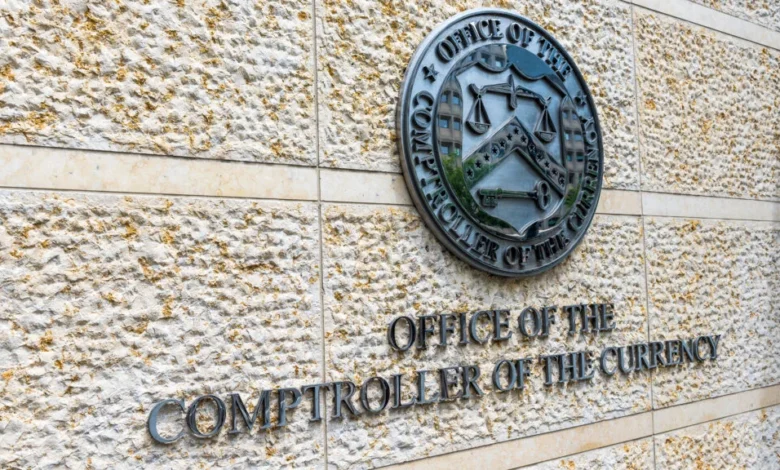
The landscape of American financial regulation is undergoing a profound and contentious shift as federal authorities increasingly integrate cryptocurrency enterprises into traditional banking frameworks. This strategic alignment, spearheaded by institutions like the Office of the Comptroller of the Currency (OCC), is designed to bring digital asset custodians under established regulatory perimeters. However, this policy direction has triggered an extraordinary storm of political resistance, judicial challenges from community banking associations, and aggressive legislative investigations. As major digital asset platforms secure coveted federal charters, the friction between financial innovation, regulatory oversight, and political accountability has reached an unprecedented boiling point in Washington.
Coinbase Secures Landmark National Trust Charter
The tension surrounding digital asset regulation crystallized on November 9, 2026, when cryptocurrency exchange Coinbase announced that its national trust company had received final regulatory approval to commence full operations. This milestone followed an initial conditional approval granted by the Office of the Comptroller of the Currency (OCC) in April 2026.
For Coinbase, achieving a national trust bank charter represents a monumental step toward institutional legitimacy. The federal framework provides its core custody business with a unified, federally sanctioned operational environment, insulating it from the fragmented patchwork of state-by-state money transmitter regulations. By integrating directly into the federal banking architecture, Coinbase can offer enhanced institutional-grade custody solutions backed by the regulatory certainty historically reserved for legacy financial institutions.
Yet, this integration is precisely what has galvanized opposition from traditional banking sectors and progressive lawmakers alike. The granting of federal trust charters to crypto-native firms has transformed what was once a technical regulatory process into a high-stakes political battleground.
Chronology of Regulatory Expansion and Political Retaliation
The friction between the executive agencies driving financial modernization and the legislative branch demanding accountability follows a distinct timeline of escalation throughout 2026:
- April 2026: The Office of the Comptroller of the Currency grants conditional approval for a national trust bank charter to Coinbase, signaling a willingness to integrate major crypto custodians into the federal banking system.
- May 18, 2026: Senator Elizabeth Warren dispatches a formal, highly critical inquiry letter to the OCC. The correspondence challenges at least nine distinct crypto trust-charter approvals, demanding exhaustive application records, detailed legal justifications, and all communications between financial regulators, the White House, and specific political figures, including Trump family members.
- March through October 2026: Broader resistance emerges from the traditional banking sector. U.S. banking lobbies and community bank coalitions actively weigh and eventually file lawsuits against the OCC, arguing that the rapid onboarding of crypto trusts threatens the stability and competitive fairness of the traditional banking system.
- November 9, 2026: Coinbase officially receives final regulatory clearance from the OCC to begin operations as a national trust company.
- Late 2026 / January 4, 2027 Deadline: Senator Richard Blumenthal intensifies legislative oversight by issuing sweeping demands for records from prominent international crypto entities, including Binance and Tether, as well as two Trump-linked cryptocurrency ventures, setting a strict voluntary compliance deadline of January 4, 2027.
Congressional Scrutiny and Accusations of Conflicts of Interest
The political backlash against the OCC’s chartering decisions is driven largely by concerns over transparency, systemic risk, and potential conflicts of interest. Lawmakers argue that federal regulators are rushing to accommodate high-risk financial entities without adequate public transparency or risk mitigation strategies.
Senator Elizabeth Warren’s May 2026 intervention served as a legislative warning shot. By questioning the internal mechanics of at least nine trust-charter approvals, Warren’s inquiry sought to uncover whether political influence played a role in fast-tracking digital asset firms through the federal banking door. The demand for communications involving the White House and Trump-related ventures highlights a growing anxiety among lawmakers regarding the intersection of political power and the rapidly expanding digital asset economy.

Simultaneously, Senator Richard Blumenthal has broadened the congressional inquiry net. By targeting major industry heavyweights such as Binance and Tether—alongside politically sensitive domestic crypto enterprises—lawmakers are signaling that the era of light-touch regulatory engagement for digital assets is over. These demands for voluntary document disclosures underscore a bipartisan legislative appetite to probe the financial health, ownership structures, and compliance protocols of the firms seeking mainstream American financial legitimacy.
Judicial Pushback from the Traditional Banking Sector
The resistance to crypto trust charters is not confined to Capitol Hill. Mainstream financial institutions, particularly community banks, view the OCC’s actions as an existential threat to the traditional banking model.
Represented by various trade associations and lobbying groups, community banks argue that granting national trust charters to cryptocurrency companies allows them to enjoy the benefits of federal oversight without bearing the traditional consumer-lending and community reinvestment burdens mandated for legacy institutions. This discontent culminated in direct legal action, with community banking groups suing the U.S. regulator over its crypto trust charter policies.
The core of the legal argument centers on whether crypto custodians fundamentally qualify as "banks" under existing federal statutes. Traditional bankers contend that by stretching statutory definitions to accommodate digital asset firms, the OCC is exceeding its congressional mandate and introducing unnecessary volatility into the regulated financial ecosystem.
Implications for the Future of U.S. Financial Regulation
The ongoing confrontation between federal regulators, crypto enterprises, traditional banks, and the U.S. Congress carries profound implications for the future of global finance.
On one hand, the successful operationalization of Coinbase’s national trust company demonstrates that institutional pathways for digital assets are becoming a reality. Proponents argue that integrating crypto firms into federal regulatory frameworks enhances consumer protection, anti-money laundering (AML) compliance, and financial transparency by bringing decentralized or lightly regulated activities under the direct supervision of agencies like the OCC.
On the other hand, the intense pushback from lawmakers and traditional financial institutions reveals deep structural divisions. The aggressive congressional oversight, ongoing lawsuits, and demands for transparency suggest that any future regulatory expansion will face grueling legal and political hurdles. Regulators must now navigate a treacherous path: fostering financial innovation and maintaining global competitiveness while satisfying rigorous legislative demands for accountability and protecting the stability of the traditional banking system.
As the industry moves forward, the outcome of these congressional inquiries and courtroom battles will likely set a definitive precedent for how digital assets interact with the apparatus of the United States government for decades to come.