Understanding the hierarchy of web design 2 delves into the crucial elements that guide user experience on websites. This exploration uncovers the fundamental principles behind visual weight, layout, and interactive elements, showcasing how they contribute to user engagement and comprehension. From typography and color choices to layout strategies and accessibility considerations, this comprehensive guide provides a practical framework for creating effective and user-friendly web designs.
The guide will cover various aspects of web design hierarchy, including introduction, visual hierarchy elements, typography and hierarchy, layout and structure, interactive elements, accessibility, case studies, and future trends. It will use examples and practical exercises to illustrate the concepts.
Introduction to Web Design Hierarchy
Web design hierarchy is the structured arrangement of elements on a webpage, guiding users’ eyes and understanding. It’s not just about aesthetics; it’s a crucial element for creating a positive user experience. A well-defined hierarchy ensures that users can easily scan the page, find what they need, and complete their intended actions.Visual hierarchy is a fundamental principle that determines how users perceive and interact with content on a website.
Elements with greater visual weight, like larger fonts or brighter colors, naturally draw the eye first. This intentional design prioritization creates a clear path for users to follow, leading them through the site effectively. This systematic arrangement of elements makes information accessible and enhances the user’s overall experience.
Importance of Visual Hierarchy in User Experience
Effective visual hierarchy guides the user’s journey through a website. It helps them quickly understand the site’s structure and locate important information. Users naturally scan pages for key details, and a strong hierarchy makes this process intuitive. When visual elements are appropriately prioritized, users can efficiently navigate the site, discover key content, and complete tasks with minimal effort.
Relationship between Hierarchy and User Engagement
A clear visual hierarchy directly influences user engagement. When users can easily find what they’re looking for, they’re more likely to interact with the content and stay on the site longer. Conversely, a poorly designed hierarchy can lead to frustration and a higher bounce rate. A well-structured hierarchy enhances user satisfaction and increases the likelihood of conversion.
Users are more likely to engage with a site that makes information easily accessible.
Elements of Visual Hierarchy and Their Weight
Visual hierarchy relies on various design elements to create a clear structure. These elements are organized according to their perceived importance and visual weight. This table illustrates how different elements contribute to the overall hierarchy on a webpage:
| Element | Visual Weight | Description |
|---|---|---|
| Large Headline (H1) | High | Captures immediate attention with a large font size and bold formatting. |
| Subheadline (H2, H3) | Medium | Provides further structure and context beneath the main headline, utilizing a slightly smaller font size. |
| Body Text | Low | Contains the main content, presented in a standard font size. |
| Images | Medium to High (depending on size and placement) | Images, especially large ones, can draw significant attention, while smaller ones serve as supporting elements. |
| Buttons | Medium | Buttons, often with contrasting colors and shapes, guide users towards specific actions. |
| Navigation Menu | Medium | The navigation menu, crucial for site structure, uses distinct font styles and placement to guide users through different sections. |
Visual Hierarchy Elements
Visual hierarchy is crucial in web design, guiding users’ attention and understanding of a webpage’s content. It’s not just about aesthetics; it’s about ensuring that the most important information is easily noticeable and accessible. A well-structured hierarchy makes the site intuitive and enjoyable to navigate, leading to a positive user experience.Effective visual hierarchy hinges on the strategic use of various design elements.
By thoughtfully manipulating these elements, designers can prioritize content and create a clear path for users to absorb information. This approach significantly impacts the perceived importance and order of elements on a webpage, making it easier for users to find what they need.
Size and Scale
Visual size is a fundamental aspect of establishing hierarchy. Larger elements naturally attract more attention. Using varying font sizes, image dimensions, and overall element sizes can effectively emphasize certain pieces of information over others. For instance, a headline will often be larger than a paragraph of text, visually signaling its importance. Headline elements and critical calls to action should stand out.
Color and Contrast
Color plays a vital role in drawing attention and establishing hierarchy. High contrast between foreground and background elements ensures readability and visibility. Dark text on a light background is a classic example of effective contrast, while using complementary colors can also draw attention to specific elements. Using a limited color palette can enhance the visual unity and focus of a page, but the choice of colors should be carefully considered, as colors can evoke different emotions and perceptions in users.
Different color palettes create varying levels of contrast, impacting readability and overall visual appeal. A vibrant, bold color palette can draw attention but may be overwhelming, while a muted, subtle palette can create a more calm and serene experience.
Spacing and Proximity
Strategic use of whitespace and proximity can significantly impact visual hierarchy. Adequate spacing around elements can create visual separation, allowing individual elements to stand out and preventing the page from appearing cluttered. Grouping related elements together through proximity can visually indicate their connection and importance. Close proximity often signifies a stronger relationship between elements, whereas spacing between elements can convey a different meaning.
Typography
Typography is a critical aspect of visual hierarchy. Different fonts, sizes, and weights can emphasize different parts of the content. For example, bold headlines can be used to highlight key information, while thinner fonts can be used for secondary text. Careful selection of typography ensures that the chosen font style is appropriate for the overall design and conveys the intended message.
A strong typography choice will not only make content readable but also make the design feel complete and polished.
Impact on User Experience
| Visual Element | Impact on User Experience | Example | Explanation |
|---|---|---|---|
| Size | Highlights importance, draws attention | Large headline, prominent button | Larger elements command more attention, guiding users to crucial areas. |
| Color | Creates emphasis, evokes emotion | Red call-to-action button, contrasting text | Strong colors like red can create a sense of urgency, while contrasting colors ensure readability. |
| Spacing | Improves readability, reduces clutter | Whitespace around images, paragraphs | Proper spacing enhances the clarity of content and prevents visual overload. |
| Typography | Enhances readability, conveys tone | Bold headings, italicized quotes | Appropriate font choices can establish a tone and improve comprehension of different content types. |
Typography and Hierarchy
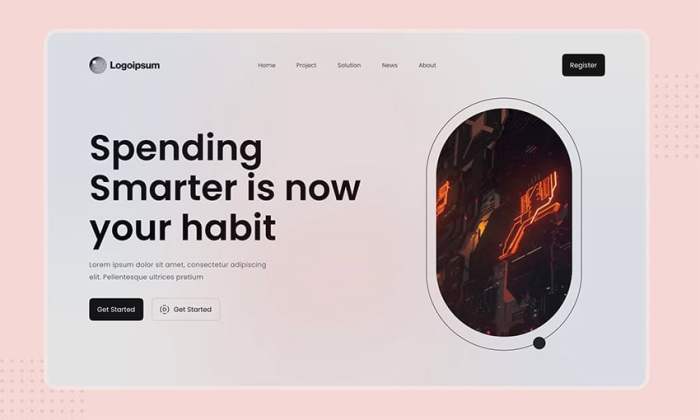
Typography plays a crucial role in establishing visual hierarchy on a webpage. It’s more than just choosing fonts; it’s about strategically using font size, weight, and style to guide the user’s eye and communicate importance. A well-structured typographic hierarchy makes the content scannable and easily digestible, leading to a more positive user experience.Effective typography prioritizes readability and clarity, while simultaneously reflecting the overall brand identity and design aesthetic.
This involves thoughtful consideration of the interplay between different typefaces, sizes, and weights.
Font Size, Weight, and Style
Font size is a primary tool for establishing hierarchy. Larger fonts naturally draw the eye, making them ideal for headings and important information. Font weight (bold, regular, light) also contributes to visual hierarchy. Bold fonts can emphasize key words or phrases, while lighter weights can be used for less crucial text. Font styles, such as italics, can set apart specific text or add an aesthetic element.
These stylistic choices, when used strategically, help users understand the relationship between different pieces of content.
Typefaces and Readability
Choosing the right typeface is crucial for readability and hierarchy. A typeface’s characteristics, including its x-height, ascenders, and descenders, directly impact how easily the text is perceived. Serif fonts, with their small decorative strokes (serifs), are often used for body text, while sans-serif fonts, without serifs, are more commonly employed for headings due to their cleaner appearance. The choice of typeface significantly affects the overall aesthetic and readability of the page.
Effective Typography Choices for Web Design Elements, Understanding the hierarchy of web design 2
For headings, using a larger, bolder typeface with a sans-serif style is often effective. This creates a clear visual separation from body text. Body text should use a readable serif typeface in a size that allows for comfortable reading over extended periods. For call-to-action buttons, a bolder typeface, often with a contrasting color, can draw attention and encourage user interaction.
Use of different typefaces and styles can create visual interest and guide the user’s eye across the page, but it’s important to maintain a consistent style throughout the design.
Example Typography Table
| Web Element | Font Style | Effectiveness |
|---|---|---|
| Headings (H1-H6) | Bold, Sans-serif, Larger size | Creates a clear visual hierarchy, making headings easily distinguishable. |
| Body Text | Serif, Readable size, Regular weight | Promotes comfortable reading and enhances readability over extended periods. |
| Call-to-Action Buttons | Bold, Sans-serif, Contrasting color | Draws attention to crucial elements and encourages user engagement. |
| Subheadings | Slightly larger, bolder than body text, potentially different typeface | Creates a clear hierarchy between headings and body text. |
Layout and Structure
Layout is the visual framework that organizes content on a webpage, directly influencing how users perceive and interact with the information. A well-structured layout guides the eye, prioritizing important elements and creating a clear path for users to navigate. This, in turn, significantly impacts the overall user experience and effectiveness of the design.A thoughtfully designed layout is not merely aesthetic; it’s a crucial component in establishing visual hierarchy.
By strategically placing elements and using visual cues, designers can emphasize key information and create a more engaging and intuitive experience for visitors.
Understanding the hierarchy of web design 2 is crucial, but choosing the right SEO strategy is equally important. Ultimately, deciding whether to use an SEO agency or build an in-house team for your SEO program depends heavily on your specific needs and resources. Check out this helpful guide to weigh the pros and cons of each approach: seo agencies vs in house teams who should run my seo program.
This will ultimately help you determine the most effective path for optimizing your website’s design hierarchy for search engines.
Influence of Layout on Web Design Hierarchy
Layout significantly impacts the hierarchy by controlling the visual weight and prominence of different content elements. Positioning, size, and spacing of elements all contribute to how users perceive the importance of various parts of the page. A well-organized layout helps users understand the structure of the page, leading them through the content in a logical manner.
Use of Grids, Columns, and White Space
Grids provide a structured framework for arranging elements, creating visual order and consistency. They define columns, rows, and areas for content, allowing for a balanced and predictable layout. This structure is crucial for establishing a clear hierarchy. Columns, in particular, divide the screen into distinct sections, enabling designers to separate and prioritize different content types. White space, or negative space, is just as important as content itself.
It creates breathing room around elements, reducing visual clutter and allowing users to focus on key information.
Layout Strategies for Improved User Navigation
Effective layout strategies enhance user navigation by creating a clear visual flow. A well-designed layout directs the user’s eye through the page, emphasizing important sections and providing visual cues to aid in comprehension. Various techniques can be implemented, such as strategically placing calls to action, using different font sizes and colors, and carefully positioning images. By utilizing these methods, the design directs the user’s attention to crucial areas of the website, ultimately improving the user experience.
- Progressive Disclosure: Gradually revealing content as users interact with the page, focusing on the most important information first. This method prevents overwhelming users with an abundance of information at once.
- Visual Cues: Utilizing visual cues like color, size, and spacing to highlight important information, guiding the user’s eye to key areas.
- Clear Navigation Structure: Creating a logical navigation system that mirrors the website’s structure, enabling users to easily find the information they need.
Example Web Page Layout
This example demonstrates a basic web page layout using HTML tables to structure content and CSS to style the elements. The use of different font sizes, colors, and spacing highlights the hierarchy of information.
Navigation |
This is a sample web page demonstrating layout principles. Our ServicesWe offer a range of services to meet your needs. |

This table structure, combined with CSS styling, creates a clear visual hierarchy. The navigation on the left has a smaller font size and a different background color, visually separating it from the main content area. The main heading is larger and bolder than the subheading, reinforcing the hierarchical structure. The image is centered, and the paragraph text is smaller, ensuring a clear visual flow from the main heading to the supporting text.
Interactive Elements and Hierarchy: Understanding The Hierarchy Of Web Design 2
Interactive elements are crucial for guiding users through a website and influencing their actions. They transform static design into dynamic experiences, enhancing engagement and driving desired outcomes. A thoughtfully implemented interactive hierarchy not only improves the aesthetic appeal but also significantly impacts how users perceive and interact with the content.Interactive elements, such as buttons and links, are more than just visual cues; they are the conduits for user engagement.
By strategically positioning and designing these elements, web designers can direct users’ attention to critical information and encourage specific actions.
Understanding the hierarchy of web design 2 is crucial for a well-structured site. Knowing how to effectively manage your WordPress widgets is a key part of that. For instance, learning how to show or hide widgets on specific WordPress pages, like how to show or hide widgets on specific WordPress pages , directly impacts the visual hierarchy and user experience.
Ultimately, a strong understanding of these elements contributes significantly to the overall design effectiveness.
Impact on Visual Hierarchy
Interactive elements, like buttons and links, can dramatically affect visual hierarchy by drawing the user’s attention. Their prominence within the design can be manipulated to highlight important calls to action. For example, a button with a contrasting color and a clear shape will naturally stand out against a background. This visual contrast creates a hierarchy, placing the button at a higher level of importance.
Interactive elements often have an inherent visual weight, pulling the user’s focus toward them. The size, color, and shape of these elements are key to their hierarchical positioning.
Button Design and Hierarchy
Buttons, as primary interactive elements, play a crucial role in directing user flow. Their design significantly impacts the user experience. High-priority actions, such as “Submit” or “Buy Now,” often benefit from larger sizes, bold fonts, and contrasting colors. Subtle or less critical buttons might use smaller sizes, less saturated colors, and a different font weight. This visual differentiation effectively communicates the relative importance of each action.
A well-designed button hierarchy will lead the user through the website’s structure intuitively.
Link Hierarchy and User Guidance
Links are another vital interactive element, guiding users to different parts of the website. A clear hierarchy of links is essential to avoid overwhelming users. Important links might be bolded, larger, or have a contrasting color to direct attention. Sub-links or secondary navigation elements are often displayed in a smaller size or a different color to communicate their lower priority.
The way links are styled and structured contributes to the overall visual hierarchy, guiding the user’s journey across the website.
Examples of Emphasis with Interactive Elements
Interactive elements can be used to highlight crucial information and drive user engagement. For instance, a call-to-action button, prominently displayed on a product page, directs users towards purchasing. Within a form, crucial fields might be highlighted with interactive elements like a subtle border or a hover effect. This visual distinction emphasizes their importance. A visually appealing interactive element surrounding a particular section of content can focus the user’s attention on it.
By using contrasting colors and different shapes, the interactive elements effectively highlight important information, enhancing the visual hierarchy.
Interactive Elements for User Flow
Interactive elements can be employed to direct the user’s navigation across the web page. Progressive disclosure, a technique that reveals content gradually, is a prime example. A “Learn More” button, when clicked, reveals additional information in a structured and organized manner. This method ensures that users only see the content relevant to their current stage of interaction, improving the overall user experience.
Interactive menus, drop-down navigation, and tabs, when implemented thoughtfully, act as guides to move users to the desired section of the site.
Accessibility and Hierarchy
Designing for inclusivity is not just a good practice, it’s essential. A website’s hierarchy should be carefully crafted to ensure equal access and usability for all users, including those with disabilities. This includes considering diverse needs in terms of visual impairments, cognitive differences, and motor skills. A well-structured hierarchy is a key element in creating a truly accessible experience.Accessibility isn’t an afterthought; it’s a fundamental principle that should guide every design decision.
A properly designed hierarchy that considers accessibility allows everyone to navigate, understand, and interact with the content effectively. This directly impacts user experience and overall website performance.
Importance of Accessible Hierarchy
Accessible design prioritizes clear visual cues, intuitive navigation, and understandable content for all users. A well-defined hierarchy ensures that users with disabilities can easily discern the importance and relationships between different elements on a page. This allows for independent navigation and comprehension, regardless of individual needs.
So, you’ve grasped the basics of web design hierarchy 2? Great! Now, to truly optimize your site, understanding key metrics like those outlined in metrics you should be using is crucial. Tracking user engagement, bounce rates, and conversion rates, for example, provides invaluable data to refine your hierarchy and ensure it’s truly user-friendly, ultimately driving better results.
Knowing how users interact with your design is fundamental to a well-structured hierarchy.
Creating an Accessible Hierarchical Structure
A hierarchical structure that caters to accessibility requires a thoughtful approach to color, typography, and layout. The goal is to create a visual language that is easily interpreted by all users.
Contrasting Colors
Clear and high contrast color palettes are crucial for users with visual impairments. Using colors that have a sufficient luminance difference makes text and other elements more distinguishable. For instance, dark text on a light background, or vice versa, is a common and effective approach. The contrast ratio between foreground and background colors should meet WCAG (Web Content Accessibility Guidelines) standards.
Sufficient Font Sizes
Legibility is paramount. Providing ample font sizes ensures that text is easily readable for all users, including those with visual impairments or those with a need for larger text. Font size should be adjustable, allowing users to customize the experience to their needs.
Clear Structure and Layout
A well-organized layout with clear visual cues is essential for users with cognitive differences or those using assistive technologies. Logical grouping of content, use of headings, and consistent formatting patterns all contribute to a more accessible experience. Employing semantic HTML tags (like