What is a Google Manufacturer Center? It’s a powerful tool for manufacturers to connect with potential customers directly on Google. This comprehensive guide delves into the specifics of how this platform works, exploring its features, functionalities, and the benefits it offers to manufacturers of all sizes. From optimizing product listings to managing customer interactions, we’ll cover the entire process of leveraging Google Manufacturer Center to enhance your online presence and boost sales.
Imagine having a dedicated storefront within Google Search results, a place where your products shine and customers can find exactly what they need. That’s the essence of a Google Manufacturer Center. This platform empowers manufacturers to manage their product information, connect with Google search, and ultimately, drive sales through improved visibility and customer engagement.
Defining a Google Manufacturer Center
A Google Manufacturer Center is a crucial online platform designed specifically for manufacturers to connect with Google’s vast search ecosystem. It’s a comprehensive solution to manage product information, optimize visibility in Google Search, and interact with Google Shopping. This platform empowers manufacturers to effectively showcase their products and reach potential customers globally.This platform provides a centralized hub for managing product data, enabling manufacturers to control how their products appear in Google Search results, particularly in the shopping vertical.
This control over product data translates to a more impactful online presence and a streamlined approach to managing product information across various platforms.
Core Functionalities and Purposes
The Manufacturer Center’s primary purpose is to streamline product information management and improve discoverability within Google’s ecosystem. Manufacturers can upload detailed product information, including images, specifications, and pricing, which are then used to populate Google Search results, Google Shopping, and other relevant Google services. This data synchronization ensures consistent and accurate product information across Google’s platforms. Furthermore, the platform facilitates interaction with Google’s algorithms, enabling better product ranking and enhanced visibility for manufacturers.
Benefits for Manufacturers
Manufacturers benefit significantly from a Google Manufacturer Center account. Improved product visibility is a key advantage, leading to increased brand awareness and higher conversion rates. Efficient management of product information is another crucial benefit, reducing the administrative burden associated with maintaining product details across various online channels. Enhanced search visibility ensures that products are prominently featured in relevant search results, boosting discoverability and potential sales.
Types of Manufacturers Using the Platform
A diverse range of manufacturers can leverage the Google Manufacturer Center. From small businesses to large corporations, those producing consumer goods, industrial equipment, or specialized products can all utilize this platform. The platform is equally valuable for those selling directly to consumers as well as through intermediaries. The streamlined process of product data management makes it accessible and beneficial to businesses of all sizes and industries.
Features and Tools, What is a google manufacturer center
| Feature | Description | Use Case | Example |
|---|---|---|---|
| Product Data Upload | Manufacturers can upload detailed product information, including images, descriptions, specifications, and pricing. | Managing product listings across various Google platforms. | Uploading images, descriptions, and pricing for a new product line. |
| Inventory Management | Allows manufacturers to update product availability in real-time. | Ensuring accurate product availability data. | Updating stock levels of products to reflect real-time inventory. |
| Product Catalog Management | Organize and manage product information in a structured catalog format. | Centralized management of all product details. | Grouping products by category, brand, or other relevant criteria. |
| Product Feed Management | Generate and manage product feeds for use with other Google services. | Ensuring consistent product information across various platforms. | Creating a product feed for Google Shopping. |
| Performance Tracking | Monitor product performance metrics within Google Search and Google Shopping. | Analyzing sales data and identifying areas for improvement. | Tracking click-through rates and conversion rates for products. |
Connecting with Google Search
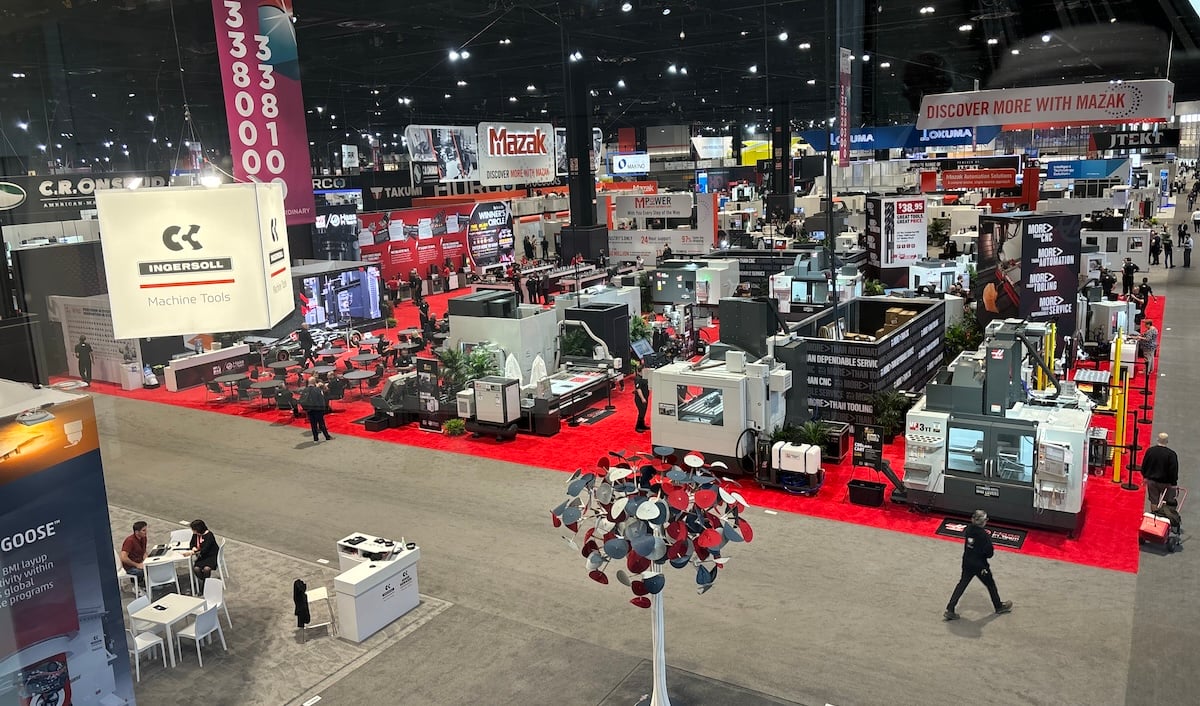
The Google Manufacturer Center is more than just a platform; it’s a crucial bridge connecting manufacturers with consumers actively searching on Google. By optimizing product listings and managing information effectively, manufacturers can significantly increase their online visibility and drive sales. This direct connection empowers businesses to reach a vast audience and establish a strong online presence.Product listings are the cornerstone of visibility and discoverability in the digital marketplace.
High-quality listings, meticulously crafted and consistently updated, attract potential customers seeking specific products. These listings aren’t just passive displays; they are dynamic tools that actively participate in driving consumer traffic to a manufacturer’s website. By including comprehensive details, manufacturers can entice potential buyers and position their products favorably in search results.
Managing Product Information
Accurate and consistent product information is paramount for a positive consumer experience and for a manufacturer’s success on Google. Inconsistent or outdated information can confuse potential customers, potentially leading them to competitors’ listings. Manufacturers using the Google Manufacturer Center have the tools to manage and update their product information in a central location, ensuring accuracy across all relevant Google platforms.
This centralized approach fosters a seamless and reliable user experience. Accurate and up-to-date information is crucial for search visibility, especially when Google’s algorithms prioritize reliability.
So, what exactly is a Google Manufacturer Center? Essentially, it’s a hub for manufacturers to showcase their products and connect with potential customers. Understanding how to use these centers effectively, however, often means crafting a strong content marketing strategy. A great place to learn more about this is content marketing strategy for small businesses the ultimate guide.
This will help you understand how to create compelling content that will drive traffic to your Google Manufacturer Center page and ultimately convert those visitors into paying customers. After all, a well-optimized Google Manufacturer Center is a powerful tool for reaching a broader audience and boosting your brand.
Product Information Table
This table highlights the crucial information manufacturers should include in their Google Manufacturer Center listings to maximize visibility and consumer engagement. Comprehensive and accurate product information is vital for establishing credibility and attracting customers.
| Information Type | Description | Example | Importance |
|---|---|---|---|
| Product Name | The precise and descriptive name of the product. | “High-Performance Running Shoes, Size 10” | Critical for search relevance and user understanding. |
| Product Description | A detailed explanation of the product’s features, benefits, and specifications. | “Lightweight breathable mesh upper for superior comfort. Durable rubber outsole for exceptional traction. Machine washable.” | Provides valuable context for consumers and aids in decision-making. |
| Product Images | High-quality images showcasing the product from various angles. | Images of the shoe from the side, front, and top views, showing key features like the sole or laces. | Visually appealing images enhance product appeal and provide a clear representation. |
| Technical Specifications | Detailed technical information about the product, including dimensions, materials, and other relevant specifics. | “Weight: 10.5 oz. Upper material: breathable mesh. Sole material: durable rubber.” | Allows consumers to compare products and make informed choices. |
| Pricing and Availability | Accurate and updated pricing and availability information. | “$120.00. In stock. Free shipping on orders over $150.” | Provides essential information for potential purchases. |
| Variations (e.g., Sizes, Colors) | Details on available variations of the product, including sizes, colors, and other options. | “Available in sizes 7-
12. Colors Google Manufacturer Centers are essentially hubs for Google’s partners to showcase and sell their products. They’re a great way to connect with potential customers, and let’s face it, a well-produced TikTok video can significantly boost that process. Learning more about effective strategies in tiktok videos and marketing can help manufacturers maximize their online presence and drive sales through the center. Ultimately, these centers are vital for Google’s ecosystem, helping to connect manufacturers with consumers in a tangible way. Black, Red, Blue.” |
Ensures consumers can find the exact product they need. |
| Product Category | Correct classification of the product within Google’s product categories. | “Footwear > Running Shoes” | Facilitates accurate search results and improved product visibility. |
Managing Product Information
Mastering product information management in Google Manufacturer Center is crucial for showcasing your products effectively and maintaining a positive search presence. Accurate and up-to-date listings are vital for driving sales and building brand trust. This section dives into the specifics of managing product information within the Google Manufacturer Center platform, from initial upload to ongoing updates.
Adding Product Listings
Thorough product information is the foundation of a successful listing. To maximize visibility and user engagement, providing detailed, accurate, and compelling information is essential. This encompasses a range of attributes, from product specifications to high-quality images. By presenting comprehensive product details, you enhance user understanding and encourage conversions.
Updating Product Information
Keeping your product listings current is vital for avoiding errors and maintaining a positive user experience. Outdated information can lead to discrepancies, negatively impacting your brand reputation and potentially causing sales losses.
Removing Product Information
Occasionally, product listings may need removal due to discontinuation, errors, or other reasons. Efficiently handling these situations is important to maintain a clean and accurate inventory within the Google Manufacturer Center.
Google Manufacturer Centers are essentially hubs for Google’s manufacturing processes. Knowing how they operate is important, but understanding the key Instagram statistics every marketer should know, like engagement rates and audience demographics, is equally vital for success in today’s digital landscape. These insights can be incredibly valuable for optimizing strategies, particularly if you’re a manufacturer looking to leverage social media.
Ultimately, Google Manufacturer Centers are about streamlining production and distribution, with a keen eye on the consumer behaviors reflected in metrics like those found in instagram statistics every marketer should know. This knowledge then informs better decisions about how to reach the target audience.
Maintaining Accurate Product Information
Maintaining accurate product information is critical to avoid inconsistencies and errors in Google search results. Inaccurate or outdated product details can lead to confusion among customers and potentially damage your brand reputation. Consistent updates are crucial for maintaining credibility and ensuring a smooth user experience.
Step-by-Step Guide to Uploading Product Data
This structured approach to uploading product data using the Google Manufacturer Center ensures efficiency and minimizes errors. Follow these steps to ensure smooth integration:
- Preparation: Thoroughly gather all necessary product details, including specifications, images, and SKUs. Verify the accuracy of each data point to avoid discrepancies.
- Data Entry: Carefully enter product data into the designated fields within the Google Manufacturer Center. Ensure that all information conforms to Google’s guidelines and best practices.
- Image Upload: Upload high-quality images that accurately represent the product. Consider using multiple angles and variations to provide a comprehensive view.
- Review and Validation: Thoroughly review all entered information for accuracy and completeness. Check for any potential errors or inconsistencies. Verify that all fields are correctly populated.
- Submission: Submit the product listing for review by Google. Be patient during the review process, and address any feedback promptly.
Updating Product Information Flow Chart
The following flowchart illustrates the process of updating product information in the Google Manufacturer Center:
| Step | Action |
|---|---|
| 1 | Identify product requiring update. |
| 2 | Gather updated product information. |
| 3 | Access Google Manufacturer Center. |
| 4 | Locate the product listing. |
| 5 | Update relevant fields. |
| 6 | Review updated information. |
| 7 | Submit for review (if necessary). |
| 8 | Monitor Google review and make necessary corrections. |
Handling Customer Interactions
Connecting with customers is crucial for any manufacturer, and Google Manufacturer Center provides valuable tools to facilitate these interactions. By effectively managing product information and fostering communication channels, manufacturers can build stronger relationships with their customers, leading to increased sales and brand loyalty. This section delves into how to use the Manufacturer Center to streamline customer interactions.Product reviews and ratings are powerful tools for customer engagement, providing valuable insights into customer experiences.
A manufacturer can leverage this data to improve their products and services. A positive feedback loop can be created by using this information for product improvements, enhancing customer service, and providing a more transparent and trustworthy image.
Product Reviews and Ratings
Customer reviews and ratings act as crucial feedback mechanisms, providing valuable insights into product performance and user experiences. Positive reviews build trust and credibility, while negative reviews highlight areas for improvement. Analyzing this data can lead to enhanced product development, improved customer service, and a stronger brand reputation. Manufacturers should actively monitor these reviews, respond to customer feedback, and utilize the data to refine their products and services.
For example, manufacturers can address specific concerns raised in reviews, offering solutions or explanations, thus demonstrating a commitment to customer satisfaction.
Managing Customer Feedback Effectively
Managing customer feedback effectively is essential for building positive relationships and addressing potential issues. A proactive approach to handling feedback is important for fostering trust and improving product quality. Manufacturers should implement a system for collecting and responding to feedback promptly and professionally. This system can include designated personnel or automated responses to common inquiries. Addressing concerns promptly, offering solutions, and expressing gratitude for feedback can demonstrate a commitment to customer satisfaction.
Examples include publicly acknowledging and addressing negative reviews, offering discounts or replacements for problematic products, or creating a dedicated feedback form.
Handling Customer Inquiries Efficiently
Efficient handling of customer inquiries is critical for maintaining a positive customer experience. Manufacturers must establish clear communication channels and procedures for responding to customer questions. Manufacturers should ensure their responses are timely, accurate, and helpful. This includes providing clear and concise information, addressing the customer’s concerns directly, and following up to ensure satisfaction. For example, implementing a ticketing system for inquiries allows for organized tracking and timely responses, ensuring no questions are overlooked.
This can also involve setting up an FAQ section on the manufacturer’s website to address frequently asked questions.
Engaging with Customers Through Google Manufacturer Center
The Google Manufacturer Center provides various tools to facilitate customer interaction. Leveraging these tools can create a more comprehensive and efficient customer engagement strategy. This table Artikels different ways manufacturers can engage with customers.
| Interaction Method | Description | Example | Benefits |
|---|---|---|---|
| Product Listings | Detailed product information on Google Search and Shopping | High-quality product images, detailed descriptions, and accurate specifications | Improved visibility, enhanced customer understanding of products |
| Reviews & Ratings | Display and management of customer feedback | Responding to reviews, addressing concerns, and encouraging positive feedback | Improved product development, enhanced customer trust, and higher conversion rates |
| Customer Support Channels | Setting up a support email address or a phone number | Responding to customer inquiries promptly and professionally | Enhanced customer experience, increased brand loyalty, and better understanding of customer needs |
| Google My Business | Connecting with local customers | Listing products available at local retailers | Increased local sales and customer engagement |
Analyzing Performance
Understanding your product’s performance on Google Search is crucial for optimizing your marketing efforts and boosting sales. Google Manufacturer Center provides powerful tools to track key metrics and identify areas for improvement. This detailed analysis allows you to understand what’s working, what’s not, and how to adjust your strategies for maximum impact.
Tracking Product Listing Performance
Google Manufacturer Center offers comprehensive dashboards and reports that provide insights into the performance of your product listings. These tools allow you to monitor crucial data points, such as impressions, clicks, and conversions, helping you understand how your listings are performing in search results. Regularly reviewing this data is essential for staying ahead of the curve and making data-driven decisions.
Key Performance Indicators (KPIs)
A multitude of metrics can be tracked within Google Manufacturer Center to assess the performance of your products. Understanding these KPIs is vital for gauging the success of your product listings and identifying areas for improvement. These metrics are not just numbers; they represent the real-world impact of your efforts on visibility and sales.
Metrics for Tracking Performance
Monitoring various metrics allows manufacturers to pinpoint areas of strength and weakness in their product listings. A clear understanding of these metrics is essential for effective product management and optimization. The table below Artikels key metrics and their importance.
| Metric | Description | Importance | Example |
|---|---|---|---|
| Impressions | The number of times your product listing appeared in search results. | Shows how often your products are visible to potential customers. | A product listing with 10,000 impressions means it was shown to 10,000 users. |
| Clicks | The number of times users clicked on your product listing from search results. | Indicates user engagement and interest in your products. | If a product listing received 100 clicks, it was selected by 100 users. |
| Click-Through Rate (CTR) | The percentage of users who clicked on your product listing after seeing it in search results. | Measures the effectiveness of your product listing’s title, description, and images in attracting clicks. | A CTR of 5% means 5 out of every 100 impressions resulted in a click. |
| Conversion Rate | The percentage of users who clicked on your product listing and subsequently completed a purchase. | Measures the effectiveness of your listing in driving sales. | A conversion rate of 2% indicates that 2 out of every 100 clicks resulted in a sale. |
| Average Order Value (AOV) | The average amount spent per order for products in your listing. | Provides insights into the profitability of your products and listings. | An AOV of $100 suggests the average order value is $100. |
| Return Rate | The percentage of products returned compared to the total number of products sold. | Indicates product quality, customer satisfaction, and fulfillment efficiency. | A return rate of 5% suggests that 5 out of every 100 products sold were returned. |
| Search Visibility | Your product’s ranking in Google Search results for specific s. | Determines how easily customers can find your products when searching. | A high search visibility ranking indicates your product appears higher in search results. |
Understanding Trends in Sales and Search Visibility
Analyzing trends in sales and search visibility over time provides valuable insights into the effectiveness of your product listings and marketing strategies. Identifying patterns in these trends helps you understand seasonal fluctuations, competitive pressures, and the impact of promotional activities. By understanding these trends, you can proactively adapt your strategies to maximize results.
Final Conclusion: What Is A Google Manufacturer Center
In conclusion, the Google Manufacturer Center is a multifaceted platform that significantly impacts a manufacturer’s online presence and sales. By providing a structured approach to managing product listings, optimizing for search visibility, and facilitating customer interactions, manufacturers can maximize their potential reach and establish a robust online presence. Understanding how to leverage its features effectively is crucial for success in today’s digital marketplace.