Send now or schedule for later campaign monitor – With Campaign Monitor’s “send now or schedule for later” feature, marketers face a crucial decision. This blog post dives deep into the world of immediate email delivery versus scheduled campaigns, exploring the nuances of each approach. We’ll uncover the optimal strategies for maximizing open and click-through rates, considering the impact on recipient engagement and deliverability.
From understanding the technical aspects of immediate sends to crafting compelling email content for both strategies, we’ll analyze Campaign Monitor’s features and best practices to help you make the best choice for your email marketing campaigns. We’ll cover trigger events, user interface elements, and different campaign types to provide a comprehensive guide.
Campaign Monitor Features for Time-Sensitive Emails
Campaign Monitor provides robust tools for managing email campaigns, allowing users to send emails immediately or schedule them for later delivery. This flexibility empowers marketers to tailor their approach to specific campaign objectives and audience engagement strategies. Understanding the nuances of sending now versus scheduling is crucial for optimizing email performance.Campaign Monitor’s platform facilitates both immediate and scheduled email delivery, offering distinct workflows for each.
The choice between these options significantly impacts campaign effectiveness, requiring careful consideration of factors like urgency, timing, and anticipated audience response.
Campaign Monitor’s Email Sending Options
Campaign Monitor offers a streamlined interface for managing email delivery. Users can choose to send emails immediately or schedule them for future delivery, catering to various campaign needs. The platform’s intuitive design simplifies this process, making it easy to adapt to changing circumstances and optimize campaign timing.
Workflow Differences: Sending Now vs. Scheduling
Sending emails immediately often involves a quicker turnaround, ideal for time-sensitive announcements or urgent notifications. Scheduling emails for later provides greater control over campaign timing, enabling marketers to align email delivery with specific events or audience engagement patterns. Campaign Monitor’s workflow differentiates these two options with clear instructions and dedicated scheduling tools.
Advantages and Disadvantages of Sending Now
Sending emails immediately offers rapid dissemination of critical information. This is advantageous for time-sensitive announcements, promotions, or urgent updates. However, it may not be suitable for campaigns requiring careful timing or targeted delivery to specific audience segments. Furthermore, immediate sends can potentially lead to a high volume of emails being sent at once.
Advantages and Disadvantages of Scheduling Emails
Scheduling emails for later offers precise control over delivery timing, enabling marketers to target specific audience segments with appropriate content. This approach can be crucial for campaigns designed to coincide with particular events, promotions, or customer behavior patterns. However, scheduling may not be suitable for urgent announcements requiring immediate response.
Using Campaign Monitor’s “send now” or “schedule for later” feature is a game-changer for email marketing. But to truly maximize your reach, consider focusing on social media too. For example, implementing 4 easy steps for growing your Twitter presence, like creating engaging content and interacting with your audience, can significantly boost your overall brand visibility. 4 easy steps for growing your twitter presence can help you understand this.
This knowledge, combined with the flexibility of Campaign Monitor’s scheduling tools, gives you the power to tailor your communication perfectly.
Campaign Monitor’s Scheduling Interface
Campaign Monitor’s interface allows users to schedule emails with precision. Features such as date and time selection, along with options for recurring schedules, facilitate detailed planning. The user-friendly interface minimizes potential errors in scheduling, ensuring emails are delivered when intended. Visual aids and clear instructions within the platform further support efficient scheduling.
Examples of Email Campaigns
Immediate email delivery is often preferred for promotional codes or limited-time offers. These time-sensitive campaigns benefit from immediate outreach to maximize customer engagement. Conversely, scheduling is well-suited for newsletters, seasonal greetings, or automated follow-up emails. These campaigns often benefit from precise timing to resonate with the audience.
Deliverability Rates Comparison
Campaign Monitor does not publicly disclose specific deliverability rate comparisons between immediate and scheduled emails. However, factors like sender reputation, email list quality, and subject line optimization influence deliverability for both types of emails. The overall health of a user’s email reputation has a substantial impact on deliverability rates, regardless of whether the email is sent immediately or scheduled.
Trigger Events Influencing Delivery Choice
Events such as product launches, promotional periods, or specific customer actions can trigger the need for immediate email delivery. Scheduled emails often coincide with events like holidays, promotions, or periodic customer interactions. Understanding these triggers can inform a marketer’s strategy for optimizing email campaign delivery timing.
Best Practices for Sending Emails Immediately: Send Now Or Schedule For Later Campaign Monitor
Sending emails immediately can be a powerful tool for driving engagement and maximizing response rates. However, a poorly executed immediate send can quickly lead to frustration for recipients and damage your sender reputation. This guide Artikels optimal strategies for sending emails immediately using Campaign Monitor, focusing on maximizing impact and minimizing negative consequences.
Key Considerations for Immediate Sends
Choosing to send emails immediately requires careful consideration. Different types of emails and recipient segments may respond better to immediate communication. This section provides a framework for evaluating the appropriateness of immediate sends.
| Criteria | Explanation | Example |
|---|---|---|
| Recipient Expectations | Understanding recipient expectations regarding response time is crucial. Consider the context of your email and the urgency it conveys. | A time-sensitive promotional offer will likely benefit from an immediate send, while a more general update may not. |
| Email Content | The content of your email should justify the immediacy of the send. Is it a critical update, a time-sensitive offer, or a breaking news announcement? | A reminder about a booked appointment or an urgent security alert would benefit from an immediate send. |
| Sender Reputation | Maintaining a good sender reputation is paramount. Avoid overwhelming recipients with too many immediate sends, or your emails might end up in spam folders. | A balance between immediate sends and scheduled sends is important to maintain a positive sender reputation. |
| Delivery Rate | Campaign Monitor’s delivery mechanisms can affect immediate send times. | Ensure your email list is healthy and has minimal bounce rates to optimize delivery speed. |
Technical Aspects of Immediate Email Delivery in Campaign Monitor
Campaign Monitor provides various tools for immediate email delivery. Understanding these features is essential for optimizing your strategy. Campaign Monitor’s platform allows you to send emails immediately using features like “send now” options directly within the email creation process or through automation workflows.
Maximizing Open and Click-Through Rates for Immediate Sends, Send now or schedule for later campaign monitor
Crafting compelling subject lines and pre-header text is critical for maximizing immediate engagement. A well-written subject line will encourage recipients to open your message, while a compelling pre-header text can drive clicks.
- Compelling Subject Lines: Craft subject lines that highlight the urgency and value proposition of your message. Use strong action verbs and relevant s to capture attention.
- Clear Pre-header Text: Provide a concise preview of the email’s content in the pre-header. This further reinforces the value proposition and encourages recipients to open.
- Mobile Optimization: Ensure your emails are optimized for mobile devices, as most recipients will open them on their phones. Mobile-friendly design improves the user experience and increases click-through rates.
Impact of Immediate Email Sends on Recipient Engagement
Immediate email sends can significantly impact recipient engagement. By delivering timely and relevant information, you can cultivate a sense of urgency and increase response rates.
Industries Benefitting from Immediate Email Sends
Industries that deal with time-sensitive information or transactions are likely to find immediate email sends particularly effective.
- E-commerce: Time-sensitive promotional offers, flash sales, and order confirmations benefit from immediate delivery.
- Travel and Hospitality: Flight updates, hotel confirmations, and last-minute deals are examples of content that can benefit from immediate communication.
- Financial Services: Account alerts, transaction confirmations, and important security updates can significantly benefit from prompt delivery.
Types of Emails Suitable for Immediate Sends
Specific email types can leverage the benefits of immediate sends. Identifying these will help to refine your campaign strategy.
- Order confirmations and updates: Confirming an order or providing shipment updates immediately builds trust and provides the customer with valuable information.
- Breaking news or urgent announcements: Delivering important information as soon as it is available can be crucial in some cases.
- Time-sensitive promotional offers: Flash sales, limited-time offers, and exclusive deals can be highly effective when delivered immediately.
Strategies for Scheduling Emails
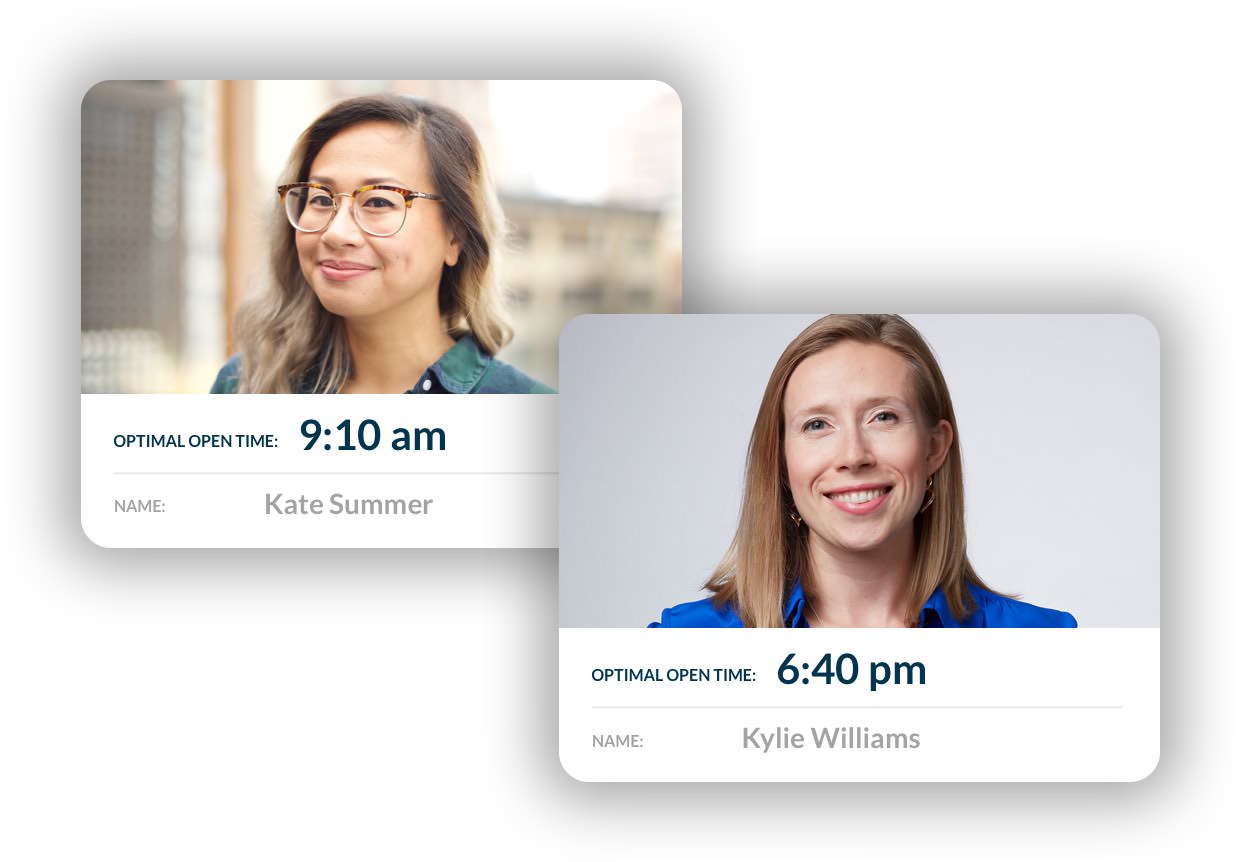
Planning email sends strategically is crucial for maximizing engagement and achieving campaign goals. Effective scheduling goes beyond simply hitting the “send” button; it’s about understanding your audience and aligning your communication with their habits. This approach ensures your messages aren’t lost in the inbox clutter but instead are noticed and acted upon.By utilizing Campaign Monitor’s scheduling tools, you can fine-tune your email campaigns to resonate with recipients, leading to increased open rates, click-throughs, and ultimately, conversions.
This involves understanding different scheduling options and tailoring them to specific campaign objectives.
Scheduling Options in Campaign Monitor
Campaign Monitor provides a range of scheduling options, enabling you to tailor your email sends to specific times and days. This flexibility allows for optimization based on audience behavior and campaign goals.
| Scheduling Option | Description | Best Use Cases |
|---|---|---|
| Specific Date and Time | Allows for precise control over when emails are sent. | Time-sensitive announcements, product launches, or promotional offers. |
| Daily/Weekly Recurring | Schedules emails to be sent automatically at set intervals. | Newsletters, promotional campaigns, or automated follow-ups. |
| Custom Time Zones | Enables scheduling based on recipient time zones. | Global campaigns where recipient time zones vary significantly. |
| A/B Testing Schedule Variations | Enables sending identical emails at different times to measure impact. | Determining optimal send times for maximizing engagement. |
Email Campaigns Benefiting from Scheduling
Various types of email campaigns can benefit from scheduling. The key is understanding the optimal time for your audience to engage.
- Promotional Campaigns: Scheduling promotional emails around peak engagement times can significantly increase the likelihood of customers taking action. For example, a retailer might schedule emails offering discounts during the evening hours, when consumers are more likely to browse and shop online.
- Product Launches: Timing is critical for product announcements. Scheduling the launch email at the precise moment the product becomes available can generate significant interest and sales.
- Newsletters: Scheduling newsletters for specific days and times ensures recipients receive them consistently and when they’re most likely to read them. Consider sending them on a weekday morning or evening, when recipients have a moment to digest the information.
- Automated Follow-Ups: Scheduling automated follow-up emails after a purchase or registration can nurture leads and increase conversion rates. For example, a company could schedule a follow-up email within 24 hours of a purchase, reminding the customer of their order.
Utilizing Campaign Monitor’s Automation Tools for Scheduled Sends
Campaign Monitor’s automation features seamlessly integrate with scheduled sends. This combination allows for highly targeted and personalized communication.
- Automated Workflows: Trigger automated emails based on specific user actions, such as signing up for a newsletter or completing a purchase. These workflows can be scheduled to run on specific days and times, ensuring timely follow-ups.
- Personalized Journeys: Segment your audience and tailor email sequences to their specific needs. These journeys can include scheduled emails at various points in the customer journey, such as welcome messages, abandoned cart reminders, or product recommendations.
Impact of Send Time on Engagement
The time you choose to send an email can significantly impact recipient engagement. Factors like recipient location and typical work or leisure patterns should be considered.
- Open Rates: A/B testing different send times can reveal when your audience is most receptive, leading to higher open rates.
- Click-Through Rates: Emails sent at optimal times tend to yield higher click-through rates, indicating increased user engagement and interest.
A/B Testing Different Schedule Times
A/B testing different schedule times is a powerful technique for optimizing email send times. This process involves sending identical emails at different times and analyzing the results to identify the most effective schedule.
- Create Variations: Prepare identical email content and schedule identical emails at various times. For example, create one email and schedule it for 9:00 AM, 12:00 PM, and 5:00 PM.
- Analyze Results: Monitor key metrics like open rates and click-through rates to assess the effectiveness of each send time.
Effective Examples of Scheduled Email Campaigns
Several successful email campaigns leverage scheduled sends to connect with their audience.
- E-commerce: Retailers often schedule promotional emails for specific days of the week or times of the day, such as during peak shopping hours.
- Educational Institutions: Universities schedule important announcements, such as deadlines for applications or important updates, at times when students are most active.
Optimizing Email Content for Different Delivery Methods
Crafting effective email campaigns hinges on understanding your audience and adapting your content to suit different delivery schedules. Whether you’re sending an urgent update or a carefully timed promotional offer, tailoring your email content is crucial for maximizing engagement and achieving your marketing goals. This involves more than just subject lines; it encompasses the entire email structure, from pre-header text to call-to-actions.The key difference between immediate and scheduled emails lies in the urgency and context they convey.
Immediate emails are designed to capture attention and drive immediate action, while scheduled emails often aim to nurture relationships and drive long-term engagement. This necessitates adjusting the content to align with the desired recipient response.
Optimal Email Content Strategies for Immediate and Scheduled Emails
Immediate emails demand a concise and action-oriented approach. They should prioritize clarity and urgency, often relying on a sense of immediacy to compel recipients to act quickly. Scheduled emails, on the other hand, have more flexibility. They can leverage longer content formats, focusing on building relationships and fostering brand loyalty over time.
Key Differences in Email Content
| Characteristic | Immediate Emails | Scheduled Emails |
|---|---|---|
| Subject Line | Short, impactful, and action-oriented, emphasizing urgency. | Clear, informative, and intriguing, highlighting value and relevance. |
| Content Length | Short and to-the-point, focusing on the core message. | More comprehensive, allowing for detailed explanations and promotional materials. |
| Call-to-Action (CTA) | Direct and prominent, encouraging immediate action. | Clear and prominent, encouraging engagement and future action. |
| Tone | Concise and urgent, often emphasizing benefits and solutions. | Engaging and conversational, building rapport and trust. |
| Focus | Driving immediate conversions and sales. | Building relationships, providing value, and nurturing leads. |
Examples of Effective Subject Lines
Effective subject lines for immediate emails often use urgency-inducing words like “Now,” “Urgent,” or “Limited Time Offer.” For scheduled emails, subject lines might focus on providing value, such as “Unlock Exclusive Insights” or “Learn the Secrets to [Topic]”.
- Immediate Email Subject Lines: “Exclusive Offer: 20% Off,” “Urgent: Your Order is Ready,” “Important Update: Account Details.”
- Scheduled Email Subject Lines: “Unlock Exclusive Insights into Our New Product,” “5 Tips to Increase Your Productivity,” “How to Achieve Your Fitness Goals.”
Tailoring Content for Recipient Segments
Understanding your recipient segments is paramount for successful email marketing. Different segments may have varying needs and preferences. For immediate emails, segmenting based on recent purchases or website activity can improve response rates. Scheduled emails can target specific segments with tailored content based on their past engagement or purchase history. This personalized approach leads to more relevant messages.
Importance of Clear Call-to-Actions
Clear call-to-actions (CTAs) are crucial in both immediate and scheduled emails. For immediate emails, the CTA should be highly visible and encourage immediate action, such as “Shop Now,” “Learn More,” or “Claim Your Discount.” Scheduled emails can use CTAs to encourage engagement, such as “Visit Our Blog,” “Download the Guide,” or “Connect with Us on Social Media.”
Optimal Length for Immediate and Scheduled Emails
Immediate emails should be concise, ideally under 100 words. Scheduled emails can be longer, around 150-300 words, providing comprehensive information without overwhelming the recipient. The length should be tailored to the specific message and recipient segment.
Use of Pre-header Text
Pre-header text is valuable for both email types. For immediate emails, the pre-header should summarize the subject line and provide a quick overview of the core message. In scheduled emails, the pre-header can elaborate on the email topic, adding context and intrigue.
Impact of Time Sensitivity on Email Performance
Time-sensitive emails, whether sent immediately or scheduled, can significantly impact email marketing campaign performance. Understanding how urgency affects recipient behavior and optimizing your strategy is key to maximizing engagement and achieving desired outcomes. This analysis delves into the specific ways time sensitivity influences key metrics like open and click-through rates, campaign deliverability, customer experience, and measurement best practices.The immediacy of a message often triggers a stronger response, but scheduled emails can also be highly effective when strategically timed.
Understanding the nuances of both approaches is crucial for crafting impactful email campaigns.
Impact on Open and Click-Through Rates
Time-sensitive emails often experience higher open and click-through rates than their scheduled counterparts. Recipients are more likely to prioritize messages that require immediate action, leading to higher engagement. For instance, an urgent promotion for a limited-time sale will likely generate a greater response than a similar offer with a longer timeframe. However, this effect is not universal.
The subject line and the content of the email also play a significant role. A poorly crafted time-sensitive email can still perform poorly, even if the subject line evokes a sense of urgency.
Impact on Campaign Deliverability
Time sensitivity itself doesn’t directly impact deliverability rates in Campaign Monitor. However, factors like sender reputation, email list hygiene, and the content of the email itself are critical. A time-sensitive email campaign, if not managed well, could face challenges if it triggers spam filters. A poor sender reputation, or an email list with a high percentage of inactive or invalid addresses, could negatively affect deliverability.
Ever wrestled with the “send now or schedule for later” dilemma in Campaign Monitor? Understanding your audience’s online behavior, like when they’re most active, is key to maximizing email engagement. This directly ties into the fundamentals of user analysis, a crucial component in effective web design. Knowing your audience, as explored in the basics of user analysis and why it matters in web design , helps you tailor your campaigns to reach the right people at the right time, which is ultimately why choosing the right send time is so critical for your Campaign Monitor strategy.
So, consider your audience and schedule accordingly.
Impact on Customer Experience
The impact of time-sensitivity on customer experience is multifaceted. Immediate emails can feel intrusive or disruptive if not carefully crafted. They may lead to negative customer sentiment if they don’t offer value or provide clear next steps. On the other hand, a well-timed and relevant scheduled email can enhance customer experience by offering targeted information when it is most needed or appreciated.
The key is to provide clear and concise communication.
Impact on Measurement Best Practices
Measuring the effectiveness of time-sensitive emails requires a granular approach. A/B testing different subject lines, and send times (immediate vs. scheduled) is essential to determine which performs better. Track key metrics such as open rates, click-through rates, conversions, and unsubscribe rates to assess the campaign’s effectiveness. Analyzing the data across different segments of your audience can reveal insights about their preferences and responses to urgency.
Want to optimize your email campaigns? Campaign Monitor’s “send now or schedule for later” feature is a game-changer. It lets you fine-tune your timing for maximum impact, but reimagining E-E-A-T to drive higher sales and search visibility is crucial for ensuring your message resonates with your audience. Ultimately, choosing the right send time, whether immediate or scheduled, is key to maximizing your email marketing ROI.
Strategies for Different Email Content Types
Different email content types react differently to timing strategies. Promotional emails for limited-time offers benefit greatly from immediate delivery, while informative or educational content might be better served by scheduling. For example, a notification about a product launch could benefit from an immediate email, while a newsletter could be scheduled for a specific day and time to ensure optimal engagement.
Technical Considerations for Send Now vs. Schedule
Choosing between sending an email immediately or scheduling it for later involves more than just convenience. Understanding the technical underpinnings of each approach is crucial for optimal performance and avoiding potential issues. Campaign Monitor’s infrastructure and security protocols are affected by the volume and timing of email delivery requests.Sending emails immediately, while seemingly straightforward, can create significant technical challenges.
Scheduling, on the other hand, allows for better resource management and optimized delivery. Understanding these nuances is key to ensuring a high deliverability rate and a positive user experience.
Impact of Email Volume on Campaign Monitor’s Infrastructure
Email volume significantly impacts Campaign Monitor’s infrastructure. High volumes of immediate sends can overwhelm servers, leading to delays in delivery or even temporary service disruptions. Campaign Monitor’s infrastructure is designed to handle a substantial volume of emails, but the peak demands of simultaneous immediate sends can impact performance. Strategies for scheduling emails spread out the load, preventing such issues.
This is particularly important during peak hours or when sending to a large segment of your email list.
Technical Limitations of Sending Emails Immediately
Sending emails immediately might encounter limitations depending on factors such as server load and network congestion. Immediate sends lack the ability to optimize for recipient server availability, leading to potential delivery issues. Email providers might block or filter emails deemed suspicious or originating from servers with high bounce rates, particularly in cases of large immediate sends.
Security Protocols for Immediate and Scheduled Sends
Campaign Monitor employs robust security protocols for both immediate and scheduled email sends. These protocols safeguard user data and ensure the integrity of the email delivery process. These protocols are the same regardless of the send method, ensuring that your emails are handled securely. For example, authentication methods like DKIM, SPF, and DMARC are employed to verify the sender’s identity and prevent email spoofing.
These protocols protect your sender reputation and ensure your emails reach the intended recipients.
Email List Hygiene for Both Send Now and Schedule
Maintaining a healthy email list is crucial for successful email campaigns, regardless of the sending method. A clean email list helps reduce bounce rates and improve deliverability. A high percentage of hard bounces (permanent delivery failures) from a list can negatively impact your sender reputation and lead to reduced email delivery rates. Cleaning your email list periodically is essential.
Server Configurations for Immediate and Scheduled Sends
Campaign Monitor’s platform automatically adjusts server configurations to optimize delivery for both immediate and scheduled sends. Users don’t need to manually adjust these settings. Campaign Monitor’s servers are optimized for handling various volumes of emails, and the system adjusts to accommodate immediate or scheduled sends without requiring intervention from users.
Troubleshooting Email Delivery Issues
Troubleshooting email delivery issues related to immediate or scheduled sends requires a systematic approach. Understanding the steps to diagnose the issue is key.
- Check the email deliverability report: Campaign Monitor provides detailed reports that identify potential delivery problems. These reports pinpoint issues such as bounce rates, spam complaints, and filtering problems.
- Verify sender reputation: A poor sender reputation can hinder email delivery. Campaign Monitor provides tools to monitor and improve sender reputation.
- Analyze email content: Ensure the email content adheres to Campaign Monitor’s guidelines. This includes checking for spam triggers, excessive use of certain words, and formatting issues.
- Review email list hygiene: Identify and remove invalid email addresses from your list to improve deliverability.
- Contact Campaign Monitor support: If the issue persists, contacting Campaign Monitor support provides expert assistance in resolving delivery problems.
Final Conclusion
Ultimately, the decision of whether to send now or schedule later depends on your specific email marketing goals. This guide provides a comprehensive framework for analyzing your campaigns, considering factors like recipient engagement, deliverability, and the unique characteristics of different email content types. By understanding the advantages and disadvantages of each method, you can optimize your Campaign Monitor strategy for maximum impact.
We’ve covered the technical considerations, best practices, and practical examples to empower your email marketing decisions.