HaasOnline TradeServer Integrates Model Context Protocol to Bridge AI Assistants and Algorithmic Trading Operations

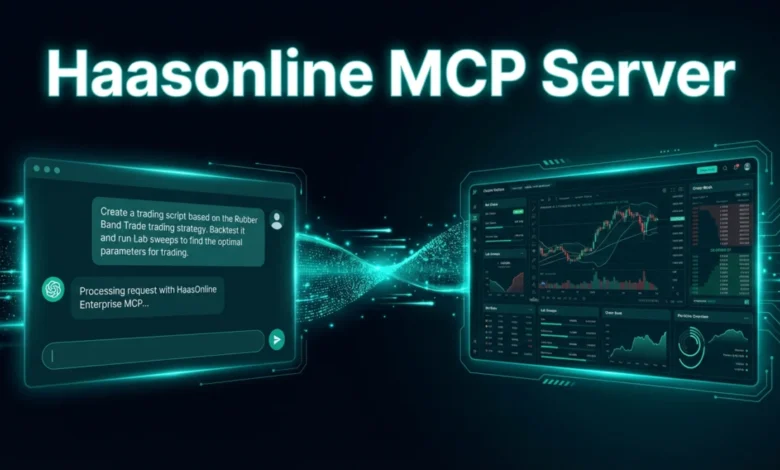
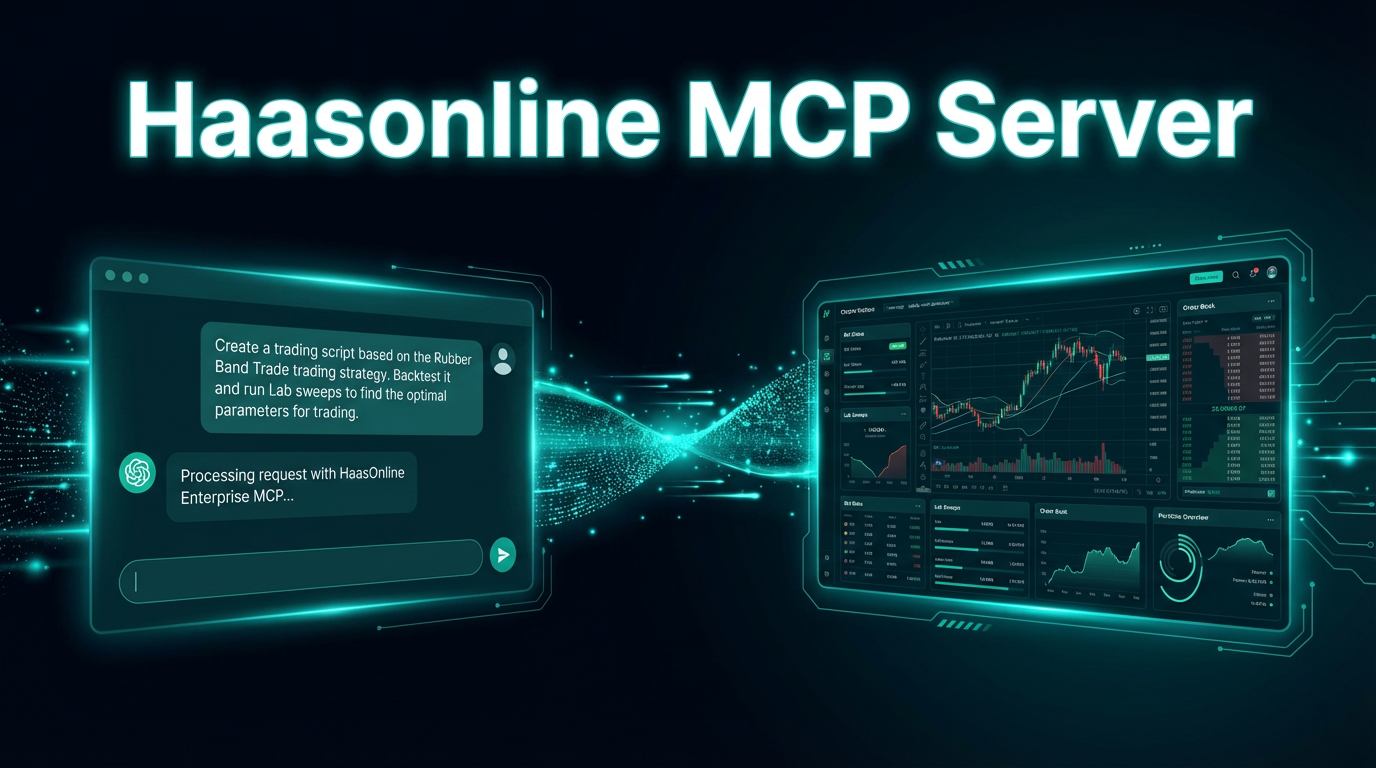
HaasOnline has officially integrated a built-in Model Context Protocol (MCP) server into its TradeServer platform, marking a significant shift in how institutional and professional retail traders interact with their automated trading infrastructure. This update allows users to connect AI-driven assistants—such as Anthropic’s Claude or the Cursor IDE—directly to their live trading environment. By providing AI models with read-and-action access to real-time bot configurations, performance metrics, and strategy data, the integration aims to eliminate the friction typically associated with manual data migration between trading platforms and generative AI tools.
Understanding the Model Context Protocol (MCP)
The Model Context Protocol, an open standard introduced by Anthropic in late 2024, is designed to solve the "silo" problem in generative AI. Historically, AI assistants have functioned in a vacuum, relying on static data provided by users through copy-pasted logs or manual summaries. This manual process is not only inefficient but prone to human error—a critical flaw when managing high-frequency or high-stakes algorithmic trading.
MCP acts as a universal bridge, establishing a standardized communication layer between an AI model and a software application. By utilizing MCP, developers can grant AI agents the ability to query specific data points, execute commands, and retrieve state information from external systems in real time. For the trading sector, this means an AI can now bypass the need for an intermediary, interacting directly with the HaasOnline TradeServer to provide grounded, context-aware analysis of a user’s specific trading strategies and market performance.
Chronology of Integration and Technical Deployment
The deployment of the MCP server follows an industry-wide trend toward AI agentic workflows. Throughout 2024, the integration of Large Language Models (LLMs) into specialized financial tools remained largely limited to "chat-only" interfaces. Recognizing the demand for more robust operational control, the HaasOnline engineering team initiated the development of the MCP integration in the final quarter of 2024.
Following a rigorous beta testing phase that focused on data security and connection stability, the feature was finalized for the current release cycle. The architecture is built on a local-first principle: the MCP server runs locally alongside the user’s TradeServer instance. Crucially, this design ensures that sensitive exchange API keys and private wallet credentials are not transmitted to third-party AI providers. Instead, the MCP server manages authentication internally, granting the AI only the specific "tools" required to perform authorized tasks, such as querying current RSI levels or reporting the health of a specific bot instance.
The Evolution of Algorithmic Trading Management
For traders managing complex portfolios, the "cognitive overhead" associated with monitoring multiple bots across several exchanges is substantial. An enterprise-grade trading operation often involves dozens of active HaasScript strategies, varying risk parameters, and dynamic market conditions.
Before this integration, a trader seeking an AI-driven diagnosis of a lagging strategy would be required to export log files, cleanse the data, and upload them to an AI interface. This process introduced significant latency, often rendering the AI’s analysis irrelevant by the time it was generated. With the new MCP integration, the AI assistant functions as a "co-pilot." Because the model has direct access to the live configuration, it can identify performance anomalies, suggest strategy adjustments based on historical logs, and simulate the impact of parameter changes—all within a single session.
Supporting Data and Operational Benefits
The implementation of MCP into TradeServer addresses several key pain points reported by high-volume traders:
- Data Fidelity: By pulling directly from the TradeServer database, the AI receives accurate, real-time data, reducing the risk of "hallucinations" that occur when AI models are fed incomplete or incorrectly formatted information.
- Contextual Awareness: The AI understands the user’s specific risk appetite and strategy history. This allows for more nuanced advice than a generic market analysis tool could provide.
- Operational Efficiency: Automated reporting and monitoring tasks that previously took minutes can now be initiated via natural language prompts, allowing traders to focus on strategy development rather than administrative oversight.
Early feedback from power users suggests that the ability to query the status of a specific trade or request a summary of daily profit-and-loss (P&L) across multiple exchanges has reduced the time required for morning operational reviews by an estimated 30% to 40%.
Security Architecture and Risk Mitigation
A primary concern for any trader integrating AI into their infrastructure is the potential for security breaches or unauthorized account access. The HaasOnline implementation addresses these concerns through a strictly gated architecture. The MCP server acts as an intermediary, utilizing a local-only connection. The AI assistant does not possess the credentials to execute trades independently unless explicitly authorized through the specific tool-use functions enabled by the user.
By keeping the communication layer local, the platform ensures that the sensitive handshake between the exchange and the bot remains isolated. The AI acts as an observer and a consultant, not a direct custodian of the assets. This distinction is critical for professional traders who prioritize security above all else.
Implications for the Future of Financial AI
The integration of MCP into platforms like TradeServer signals a broader shift toward "agentic" finance. As these protocols become more standardized, the barrier to entry for building custom, AI-managed trading workflows will continue to lower. Traders are no longer required to be full-stack developers to build complex, AI-monitored automated systems.
Industry analysts observe that as AI becomes more deeply embedded in trading software, the role of the human trader is evolving from an "operator" to an "architect." Rather than manually toggling settings in a GUI, future traders will likely describe their market outlook to an AI agent, which will then use the MCP-connected infrastructure to propose, backtest, and deploy strategies that align with that outlook.
Availability and Next Steps for Users
The MCP server is currently available to all active TradeServer license holders. The setup process is designed to be streamlined, requiring only a few minutes to configure within the settings panel of the TradeServer dashboard. For those utilizing integrated environments like Cursor or other MCP-compatible IDEs, the setup involves a simple configuration entry that directs the AI to the local server port.
HaasOnline has provided comprehensive documentation and a step-by-step setup guide to assist users in connecting their preferred AI assistants. As the company continues to iterate on this feature, it is expected that additional capabilities—such as more advanced automated strategy generation and predictive performance modeling—will be added to the MCP toolset.
For existing clients, updating to the latest version of TradeServer is the mandatory first step to accessing these features. Prospective users or those looking to scale their operations are encouraged to review the updated pricing structures and enterprise configurations to ensure their current license tier supports the full suite of automated tools.
In summary, the introduction of the MCP server represents a strategic investment by HaasOnline in the future of AI-assisted trading. By prioritizing technical integration and data security, the platform is positioning itself to support a new generation of traders who demand both the power of high-frequency algorithmic execution and the intelligence of modern generative AI. The era of the "AI Co-pilot" in trading has moved from theoretical possibility to practical reality, and the infrastructure is now in place for professional traders to leverage this technology at scale.