What the Infamous “Housing Shortage” Looks Like: Inventories of New Single-Family Homes Balloon, Sales Crawl, Prices Sag

The Myth of the Housing Shortage
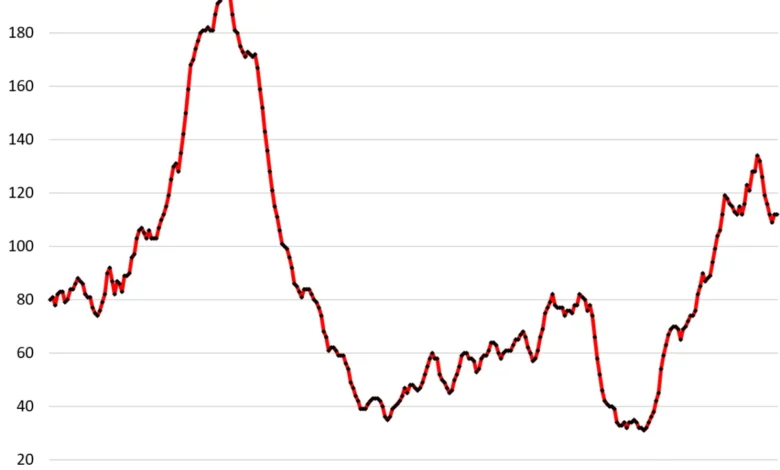
For several years, the housing industry has relied on the “shortage” narrative to explain rapidly rising prices and tight supply. However, current data suggests that this supply-side explanation is no longer sufficient to characterize the broader market. While homebuilders have aggressively ramped up production to meet the demand that existed during the pandemic-era housing boom, the market has failed to absorb the new supply at the same pace.
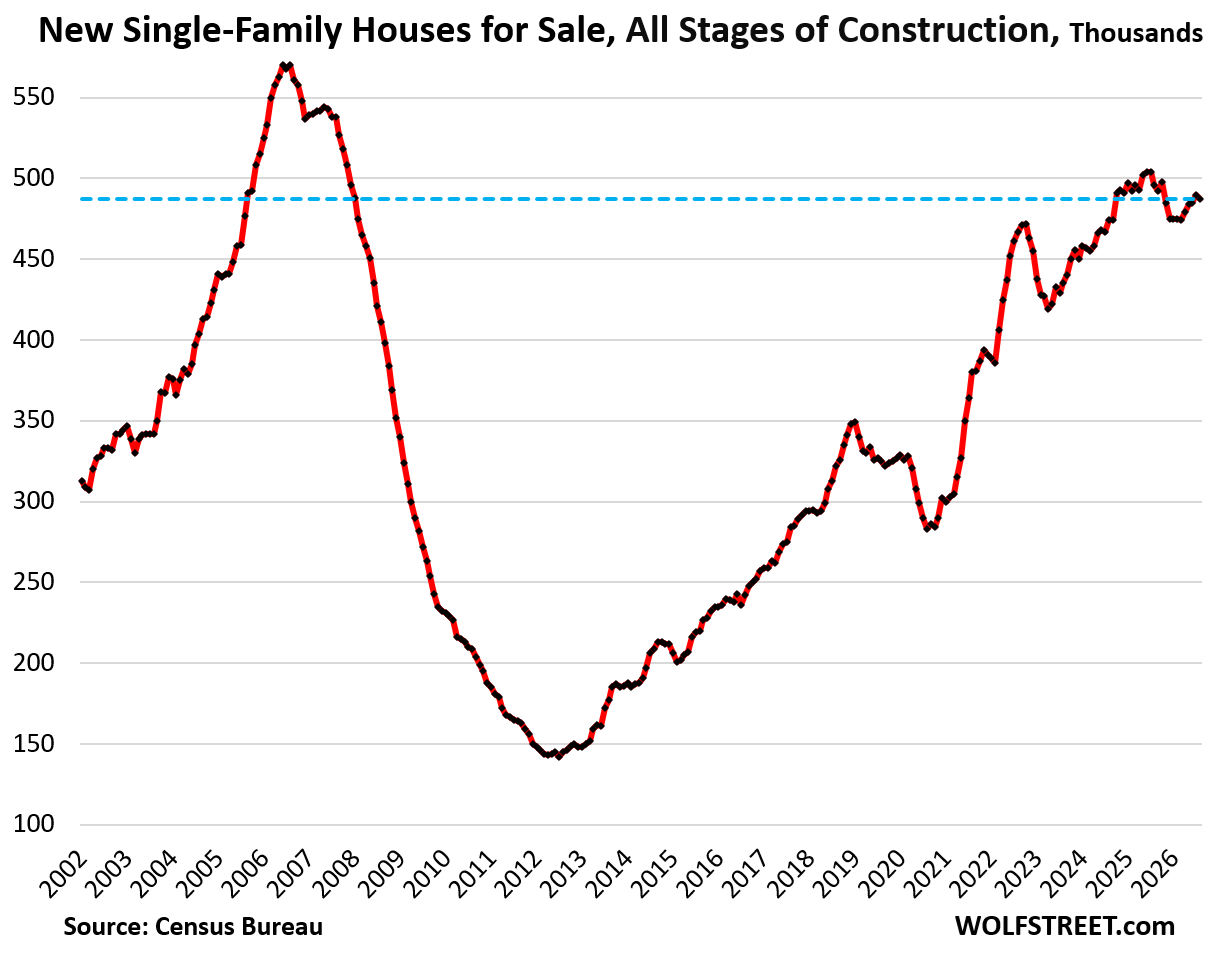
The current inventory levels are the highest observed since the peak of the housing bubble between 2005 and 2007. The critical difference today, however, is that sales volumes are significantly lower than they were during the mid-2000s, leading to an unsustainable supply-to-demand ratio. As of August, there were 8.5 months of supply at the current rate of sales, a metric that indicates a significant cooling in buyer interest and a potential softening of market prices.
Chronology of Market Shifts
To understand the current state of the market, one must look at the timeline of the post-2020 housing environment. In 2021 and early 2022, the market was defined by historically low mortgage rates—often below 3%—which triggered a massive wave of Fear Of Missing Out (FOMO). Buyers, desperate to secure property, drove prices to record highs. Homebuilders, benefiting from this environment, were able to command significant premiums.
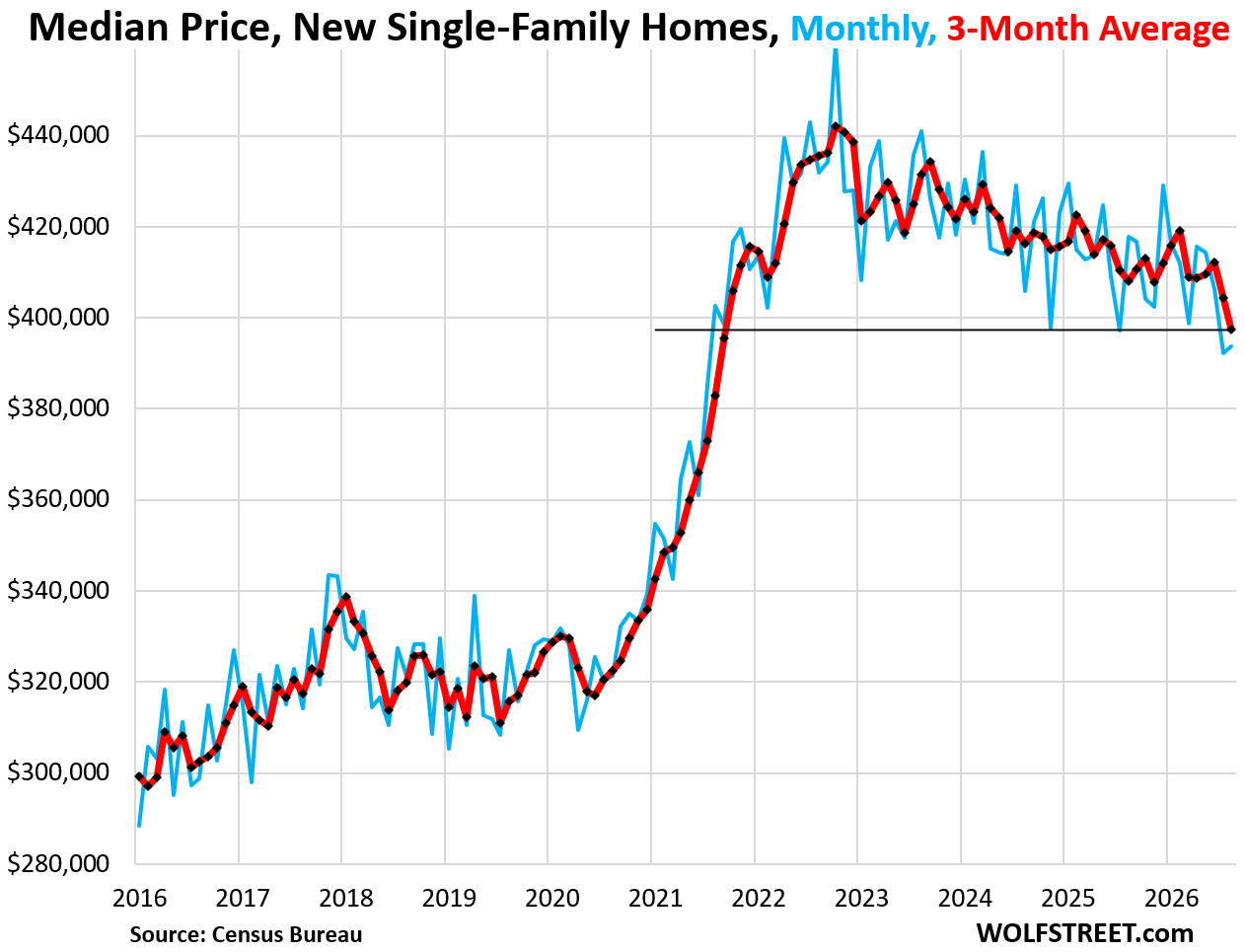
By late 2022, the Federal Reserve’s aggressive interest rate hiking campaign began to weigh heavily on the housing market. Mortgage rates climbed, effectively pricing out a significant portion of the entry-level and middle-class buyer demographic. The transition from a seller’s market to a buyer’s market became evident by 2024, as inventory began to accumulate. By September 2026, major homebuilders—most notably industry leaders like Lennar—began to report sharp declines in average selling prices and significant hits to their gross margins, signaling that the era of easy profits has effectively concluded.
Breakdown of Inventory Categories
The inventory figures are segmented into distinct categories that provide insight into the financial pressure currently facing developers:
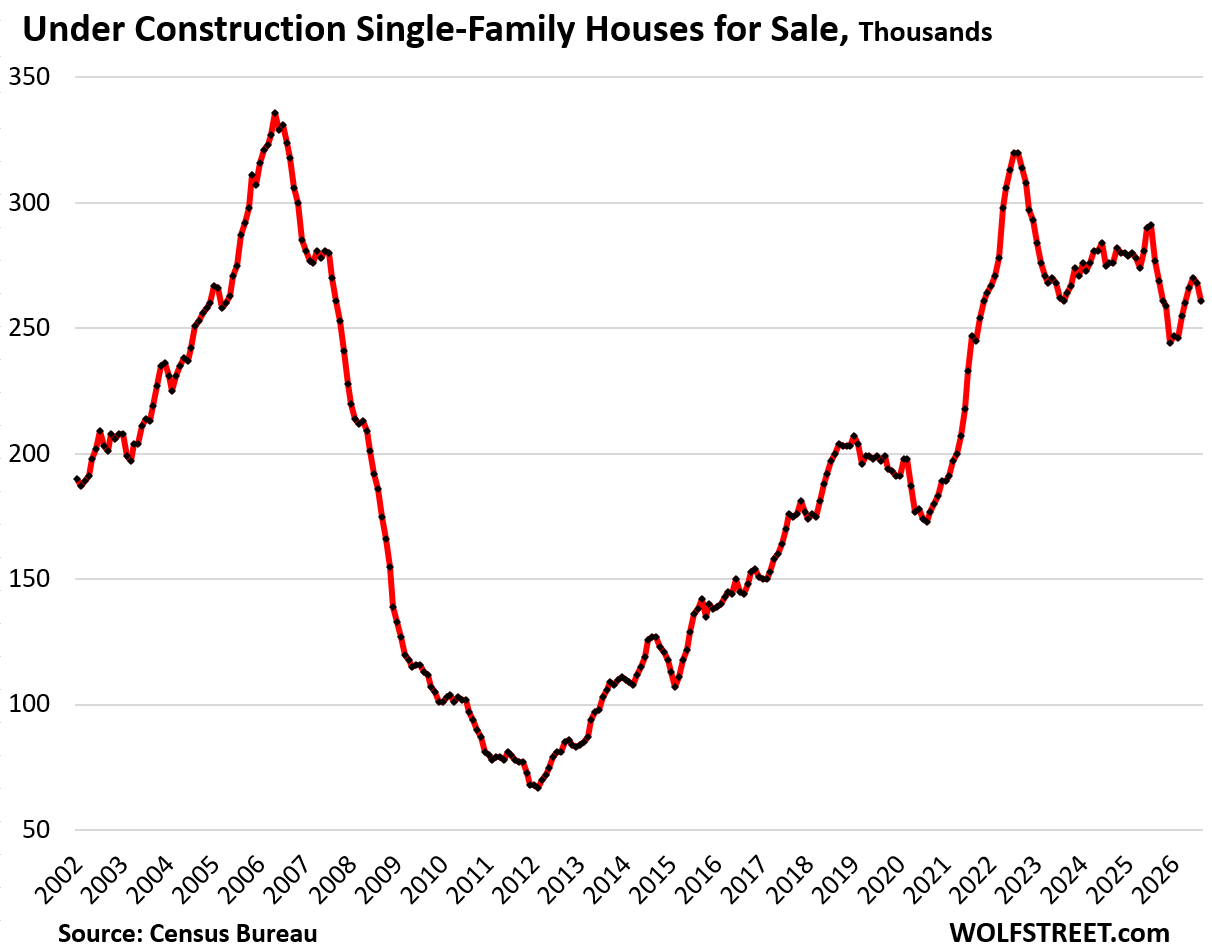
- Under-Construction Inventory: This category accounts for 261,000 homes. While this represents a 5.8% year-over-year decline, the reduction is not solely due to robust sales. Instead, it reflects the completion of units that have moved into the “completed for sale” category. Builders have substantial capital tied up in these projects, and the inability to finalize sales quickly is creating significant liquidity concerns.
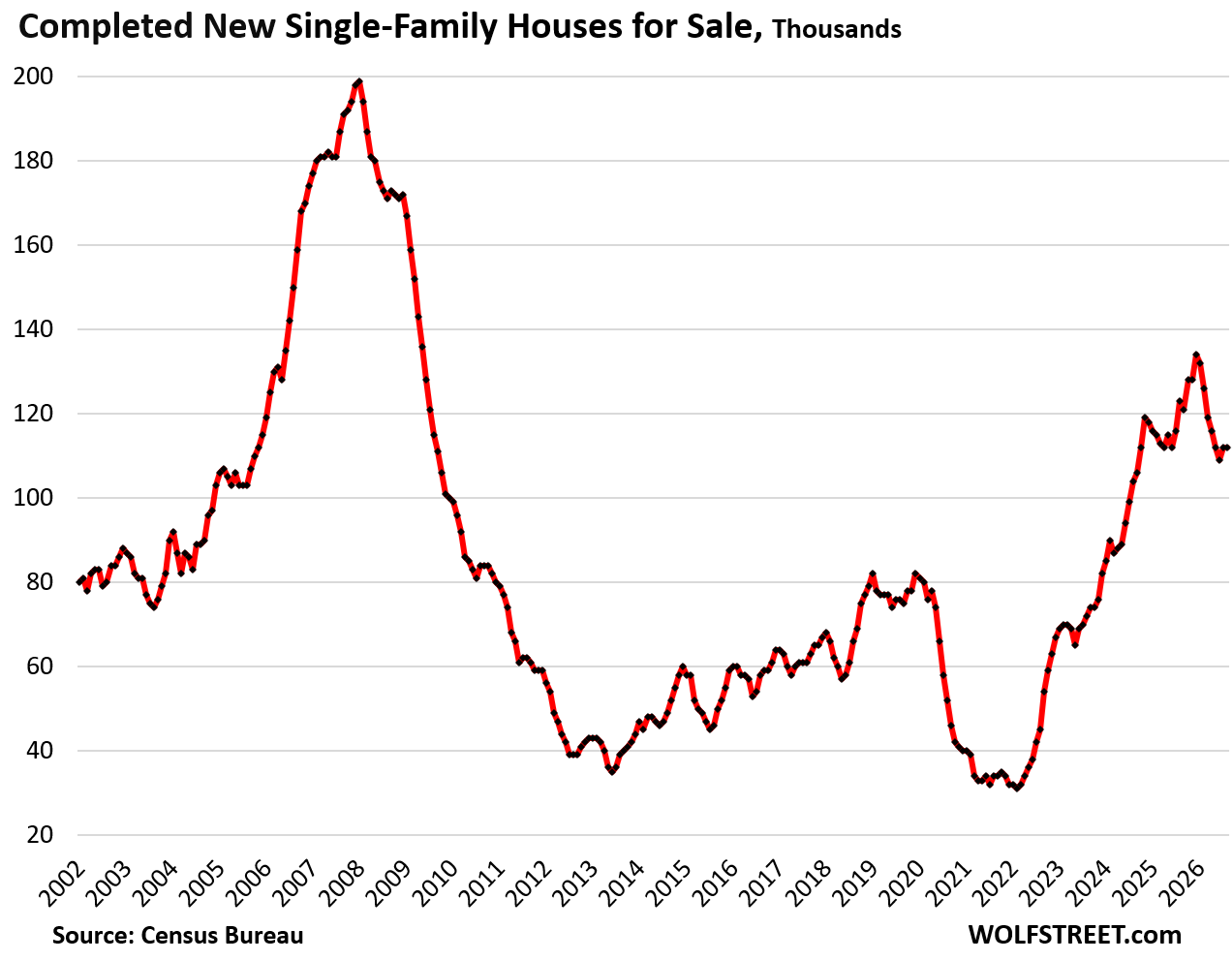
- Completed Homes for Sale: There are currently 112,000 completed, move-in-ready “spec” homes sitting on the market. Compared to the peak of the 2021-2022 frenzy, when such homes were snatched up immediately, the current surplus of finished inventory is a stark reminder of the shift in buyer sentiment. Inventory in this category is up 230% compared to August 2021 levels.
Corporate Adjustments and Financial Realities
The response from major homebuilders has been to pivot toward aggressive discounting and incentive-heavy strategies. Rather than relying on simple sticker-price reductions, firms are increasingly utilizing mortgage-rate buydowns, design upgrades, and financing subsidies to entice potential buyers.
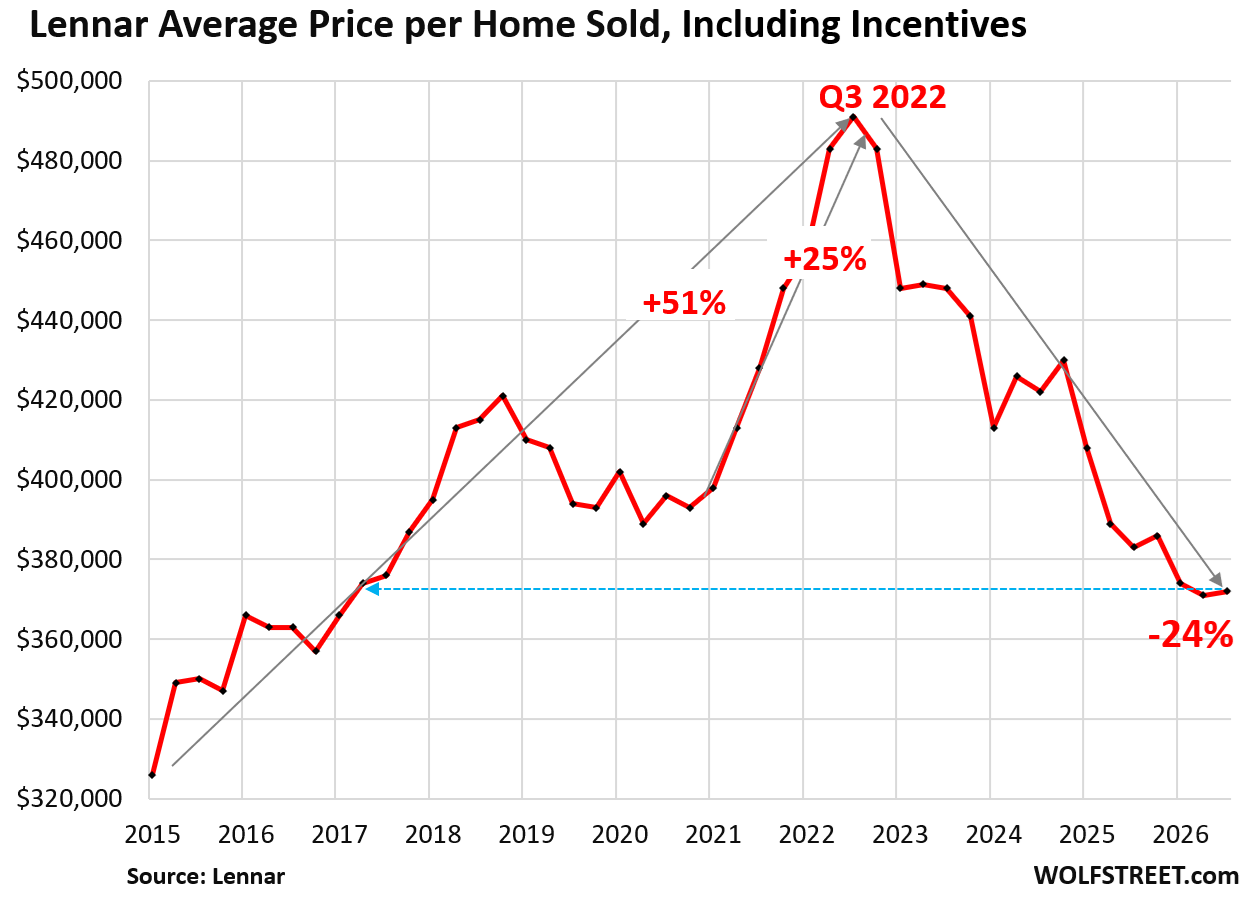
Lennar, in its third-quarter earnings report released on September 16, 2026, provided a clear window into this transition. The company reported that its average selling price has plummeted by 24% since the third quarter of 2022, falling to $372,000. This is the lowest average price point since 2017. Furthermore, the company’s gross margin has compressed significantly, dropping to 15.8% from a high of 29.2% in 2022. These figures are not anomalies but rather indicative of a broader industry-wide recalibration as builders trade margin for volume to maintain cash flow.
Regional Analysis: A National Glut
The oversupply is not localized to a single region; it is a nationwide phenomenon, though the intensity varies by geography.
- The South: As the largest market for new construction, the South is currently dealing with 291,000 units of inventory. Despite the region’s growth, current inventory levels are rivaling the peak of the 2006 housing bubble, while sales have simultaneously dropped by 35% from that period.
- The West: This region has experienced a significant decoupling of supply and demand. Inventory is 21% higher than in 2019, yet sales volume has contracted by 40% over the same timeframe.
- The Midwest and Northeast: While these markets are smaller, they are not immune. The Midwest has seen its inventory climb to the highest levels since 2008, a 57% increase from 2019. In the Northeast, while the market for new single-family homes remains limited due to a preference for multifamily density, inventory levels still sit 18% above 2019 levels.
Economic Implications and Future Outlook
The implications of this supply-demand mismatch are profound. For potential homebuyers, the increased supply and the willingness of builders to offer incentives provide a rare window of opportunity. The national median price of new homes has declined 14% from its October 2022 peak, currently resting at $393,700.

However, for the broader economy, the slowdown in the housing sector presents a potential drag on GDP growth. Homebuilding is a major engine of economic activity, supporting industries ranging from raw material manufacturing to financial services and real estate brokerage. A prolonged slump in sales, combined with the necessity for builders to lower prices to move inventory, suggests that the sector may continue to face significant headwinds through the end of 2026 and into 2027.
Analysts observing the trend suggest that the market is currently undergoing a painful "normalization" phase. The excess inventory is expected to exert continued downward pressure on home prices until the market finds a new equilibrium. Whether this correction will be orderly or marked by further volatility remains a subject of intense debate among economists. What is certain, however, is that the era of rapidly escalating home prices driven by a perceived scarcity has given way to a reality of surplus and cautious, price-sensitive consumers.
As the industry navigates this transition, the focus for homebuilders will likely shift toward operational efficiency. The adoption of lower-cost construction methods and the optimization of supply chains are becoming necessary survival strategies as the days of high-margin speculative development fade. For the time being, the data is clear: the market is being flooded with new housing, and for the first time in years, the power has firmly shifted back into the hands of the buyer.