Navigating the Unprecedented Federal Reserve Rate Hike Amid Geopolitical Pressures and Emerging AI Productivity Gains

The Federal Reserve’s recent decision to implement a 25-basis-point interest rate hike has stirred intense debate across financial markets, standing out as a uniquely anomalous monetary policy action not witnessed in over thirty years. Unlike traditional tightening cycles that typically respond to domestic economic overheating or runaway demand-driven inflation, today’s macroeconomic landscape presents a starkly different baseline. Economic growth is hovering right at trend levels, and core Consumer Price Index (CPI) inflation is only mildly elevated, driven primarily by external geopolitical supply shocks rather than domestic demand pressures.
With the Federal Funds rate resting nearly 2% higher than Gross Domestic Product (GDP) growth and 10-year real interest rates scaling 15-year highs, monetary policy is already deeply restrictive. Consequently, market analysts argue that the central bank is effectively fighting the bond market rather than battling inflation or accommodating a natural normalization of monetary policy. This disconnect between fundamentals and policy actions elevates the distinct risk of a policy error, forcing institutional investors and everyday market participants to reevaluate their portfolio strategies in real time.

Historical Parallels and Market Reactions Through Tightening Cycles
To understand the trajectory of the markets following this atypical rate hike, analysts frequently look to historical precedents. Comprehensive studies conducted by major financial institutions, including Goldman Sachs and LPL Financial, examine previous tightening cycles spanning back to the late 1980s and mid-1990s to map out expected market behavior.
The cyclical pattern that emerges from historical data is remarkably consistent. Typically, equity markets experience a downward slide of roughly 2% over the initial three months following the onset of a tightening cycle. This initial drop is followed by a choppy, volatile mid-year trading period before markets recover to finish approximately 6% to 9% higher on average twelve months out. However, focusing solely on the twelve-month recovery window overlooks the treacherous path required to get there. Data from Charles Schwab indicates that the average maximum drawdown during the first year of a tightening cycle reaches roughly 14%, with a 12% drawdown occurring within the first six months.
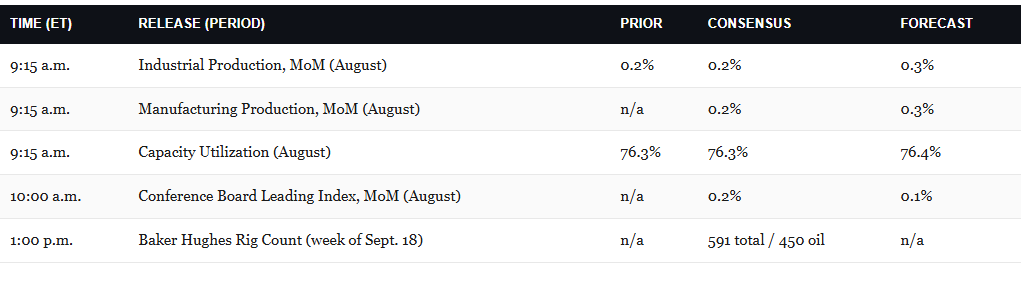
This duality creates a challenging environment for investors. While the long-term outlook twelve months post-hike often resolves positively, surviving the intermediate volatility requires rigorous risk management. Furthermore, the Federal Reserve’s internal projections underscore this shifting landscape; economic forecasts for subsequent years have steadily been revised upward, reflecting persistent economic resilience in the face of tighter financial conditions.
Sector Leadership and Historical Playbooks in Action
Sector performance during past Federal Reserve tightening cycles offers a clear playbook for asset allocation. Historical reviews of rate-hike environments conducted by Barclays—analyzing cycles dating back to February 1994—reveal specific patterns in leadership shifts. Three months following an initial rate hike, the broader S&P 500 index historically falls by a median of 3.9%. Smaller companies, represented by the Russell 2000, face steeper declines averaging 7.2%, while financial sectors traditionally bear the heaviest burden with a median loss of 8.4%.

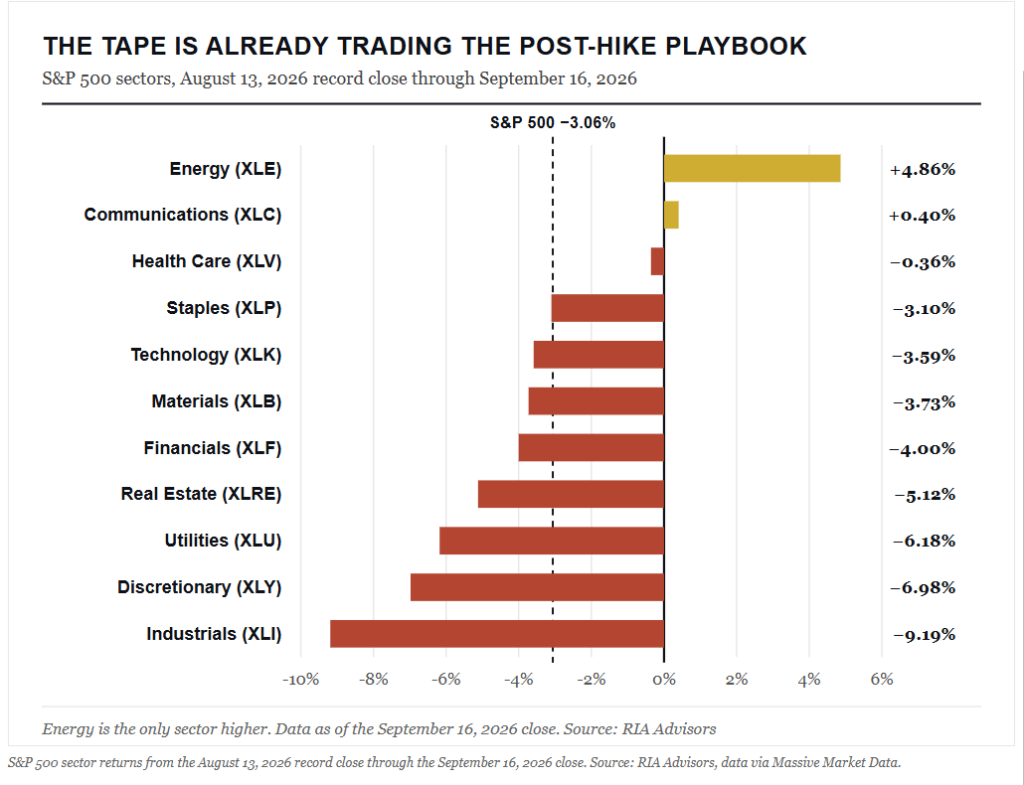
Significantly, energy has historically stood out as the lone sector capable of maintaining a positive median return during these initial phases. Furthermore, value stocks consistently outperform growth equities, with the performance gap widening considerably among small-cap issues.
Recent market tape behavior closely mirrors this historical template. Following market peaks, energy sectors have demonstrated resilience, capturing steady gains while other segments, such as industrials, small caps, and growth equities, experience localized corrections. High-beta stocks have similarly underperformed, logging losses more than double those of low-volatility counterparts. Market technicians note that major indices are currently trading below key short-term moving averages while maintaining altitude above their rising 200-day moving averages, pointing to a soft rather than capitulatory market condition. Institutional advisors emphasize maintaining disciplined asset allocations, favoring quality and value over high-beta exposure while utilizing cash buffers to weather the transitional phase of the hiking cycle.
Artificial Intelligence Shifts From Hype to Corporate Productivity
While monetary policy dominates near-term market sentiment, structural shifts in the broader economy continue to evolve, most notably through the integration of artificial intelligence (AI) into non-technology sectors. The narrative surrounding AI has largely centered on massive capital expenditures directed toward data centers, semiconductor manufacturing, and specialized hardware. However, recent corporate developments indicate that practical, productivity-enhancing applications are rapidly permeating traditional industries.
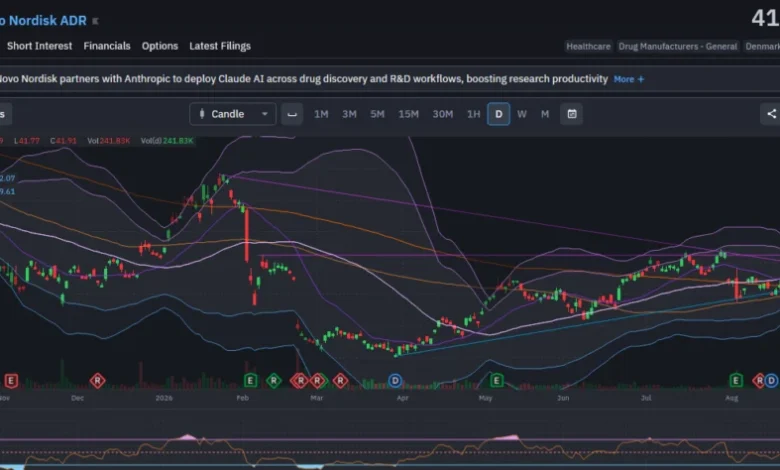
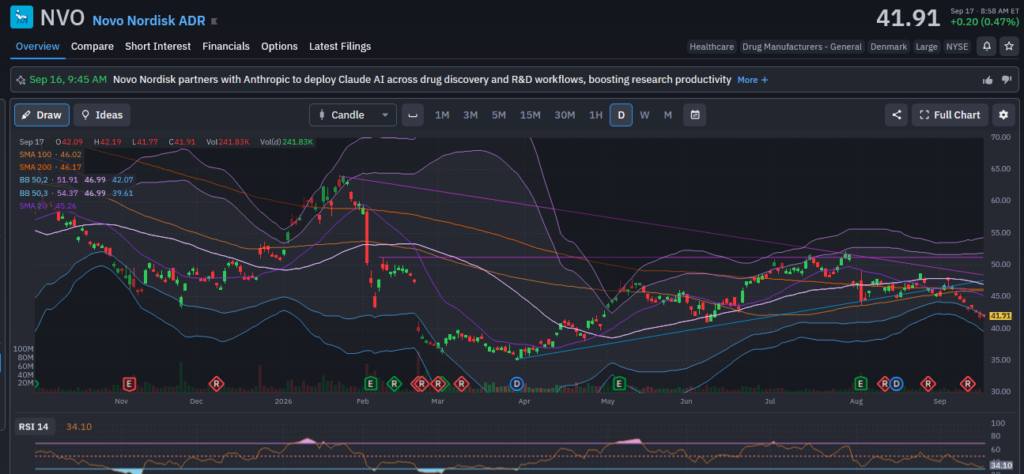
A prime example of this transition is the recent strategic partnership announced between pharmaceutical giant Novo Nordisk and AI developer Anthropic. Under this collaboration, Novo Nordisk plans to deploy Anthropic’s science-focused platform, Claude Science, to accelerate drug discovery pipelines, streamline software engineering, and optimize manufacturing and production workflows. This alliance follows a growing wave of similar partnerships across the pharmaceutical sector, involving industry leaders such as Eli Lilly, Merck, and Roche.
Corporate Leadership Perspectives on AI Integration

Industry executives have been vocal about the dual economic benefits of these technological integrations. Novo leadership has noted that artificial intelligence serves not only as a tool to compress research and development timelines from concept to commercial product, but also as a cognitive aid that enhances human reasoning regarding complex biological mechanisms and human pathology.
Similarly, chief executives across the pharmaceutical and biotechnology landscapes have emphasized that AI deployment operates on two distinct fronts. On the commercial side, AI tools accelerate market penetration, optimize sales targeting, and improve patient identification processes. On the operational side, these technologies drive internal efficiency, enabling corporations to achieve higher output with optimized cost structures.
This simultaneous optimization of revenue generation and cost management represents the core productivity unlock that economists anticipate will eventually translate into sustained corporate earnings growth and broader macroeconomic expansion. Although AI has not yet yielded an entirely novel, FDA-approved drug discovered solely through machine learning algorithms, its current utility in automating complex administrative and research workflows is already delivering tangible operational efficiencies.
Broader Economic Implications and Outlook
The convergence of an unconventional Federal Reserve rate-hike cycle and the nascent realization of enterprise-level AI productivity creates a complex matrix for investors and policymakers alike. On one hand, central bank tightening executed against a backdrop of geopolitical supply-side inflation risks creating restrictive conditions that challenge equity valuations in the intermediate term. On the other hand, secular productivity tailwinds from technological adoption provide a powerful counterweight that could support corporate profit margins even as borrowing costs remain elevated.
Financial advisors continue to advocate for disciplined portfolio management strategies that account for historical tightening cycle vulnerabilities. By prioritizing fundamental quality, rotating defensively toward historically resilient sectors like energy, and monitoring technical support levels relative to long-term moving averages, market participants can better navigate the uncertainties of a restrictive monetary environment. Concurrently, tracking the real-world diffusion of artificial intelligence into sectors like healthcare and manufacturing offers valuable insights into the underlying strength and adaptability of the modern global economy.