QuantInsti 2025: A Year of Innovation and Regulatory Adaptation in Global Algorithmic Trading

The landscape of algorithmic trading in 2025 has undergone a seismic shift, characterized by the convergence of rigorous regulatory oversight and the rapid integration of Generative AI. At the center of this transformation, QuantInsti has solidified its role as a pivotal force in the sector, bridging the gap between cutting-edge technological research and practical market application. Throughout 2025, the institution has engaged with over 13,000 global participants, hosted premier industry summits, and spearheaded academic partnerships that define the current trajectory of quantitative finance.
As financial markets become increasingly data-driven, the demand for sophisticated, compliant, and efficient trading infrastructure has never been higher. QuantInsti’s initiatives this year reflect a concerted effort to empower market participants—ranging from retail traders to institutional quants—with the tools necessary to navigate this complex environment.
The Regulatory Imperative: Navigating SEBI Guidelines
A defining feature of the Indian trading ecosystem in 2025 has been the strict enforcement of the Securities and Exchange Board of India (SEBI) guidelines regarding algorithmic trading, specifically concerning the mandate (such as NSE/INVG/69255) that requires all client-side algos to be hosted within broker-controlled infrastructure. This transition represents a significant shift in operational liability, effectively moving the burden of compliance and systemic stability onto the brokerage firms.
For the retail and institutional trader, this development necessitates a transition toward more transparent and accountable coding practices. Nitesh Khandelwal, Co-founder and Director at QuantInsti, has been a vocal proponent of this regulatory evolution. In a recent interview with Outlook India, Khandelwal remarked that the new SEBI framework effectively "brings structure, clarity, and accountability without stifling innovation." By mandating that execution routes through broker-sanctioned pathways, regulators are ensuring a higher degree of investor protection while simultaneously providing a structured sandbox for tech-savvy traders to operate responsibly. This move is widely viewed as a necessary step toward the long-term sustainability of India’s capital markets.
Chronology of Impact: Industry Events and Summits
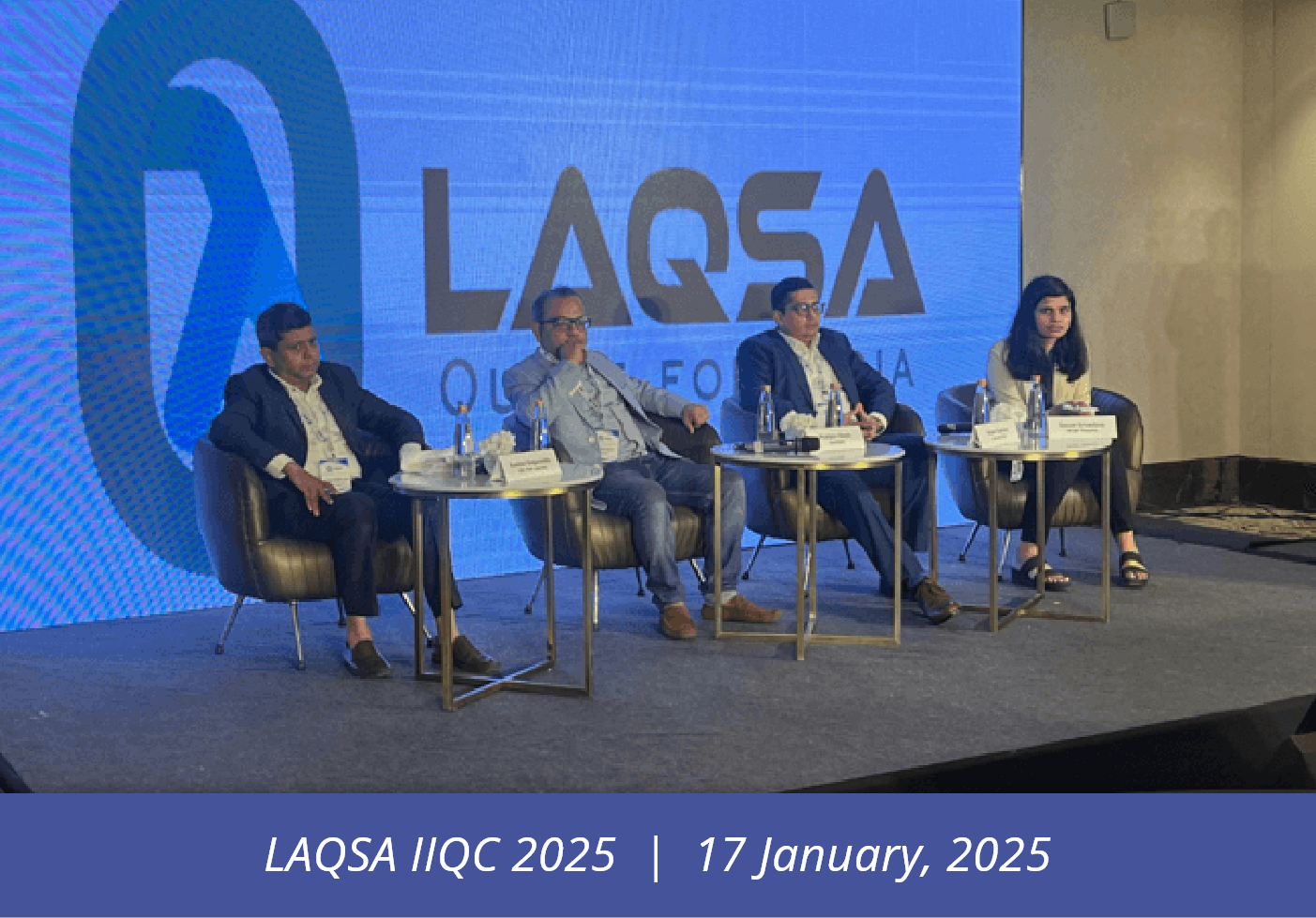
QuantInsti’s 2025 calendar has been marked by a series of high-impact events that have served as benchmarks for the industry. On January 17, the Indian Institutional Quant Conference 2025 at the St. Regis, Mumbai, set the tone for the year. This event, organized in collaboration with Lambda Quant, featured deep dives into the methodologies of backtesting. Prodipta Ghosh, Vice President at QuantInsti, highlighted the critical pitfalls in current backtesting models, emphasizing that as market structures evolve, traditional testing parameters must be updated to account for liquidity slippage and alpha decay.
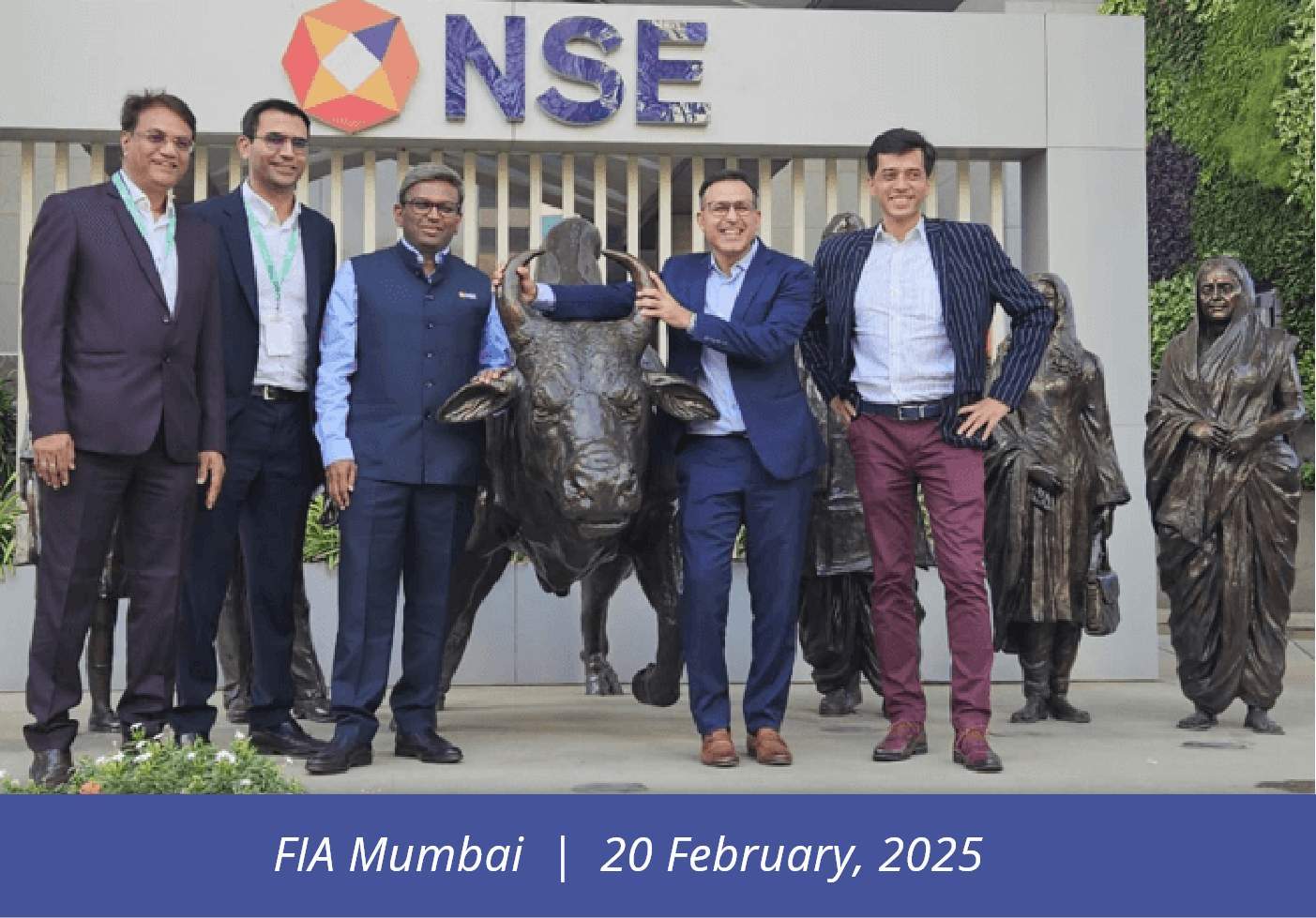
Following this, the FIA Forum in Mumbai on February 20 provided a platform for industry leaders, including Rajib Ranjan Borah, to debate the sustainability of market liquidity. The discourse centered on refining margin rules, a topic that has become increasingly pertinent as high-frequency trading (HFT) accounts for a larger share of daily turnover.
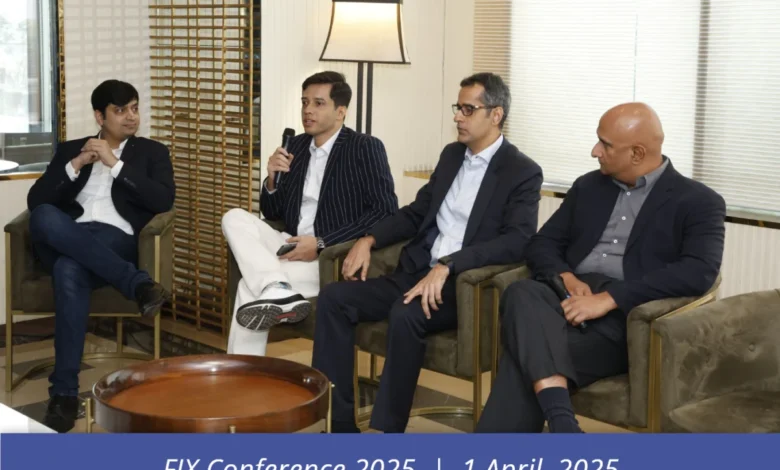
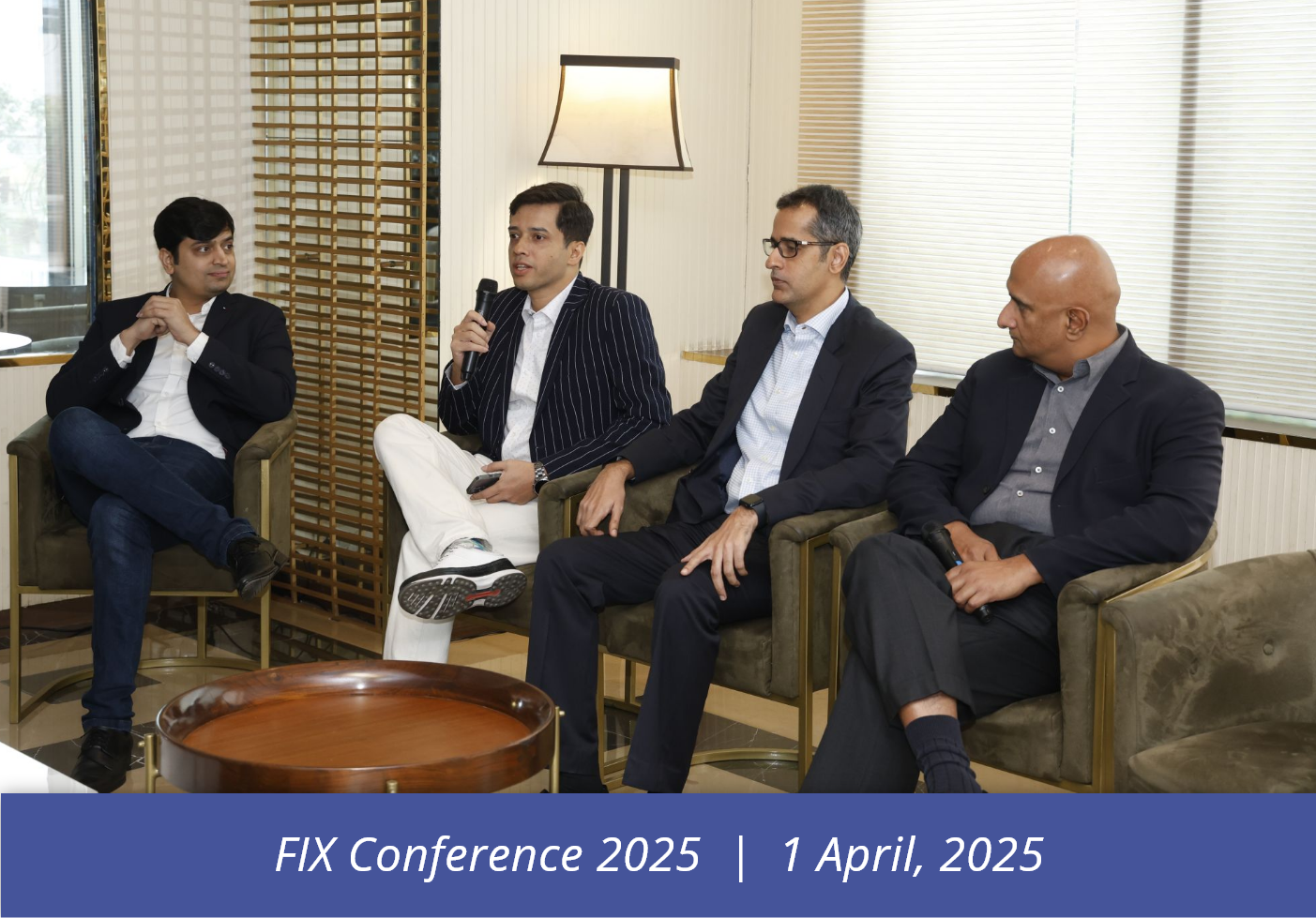
As the year progressed, the FIX Trading Conference on April 2 in Mumbai brought together over 500 professionals from 200+ organizations. The panel discussion, titled "Infrastructure & High-Frequency Trading – The Next Frontier," underscored a consensus: the future of HFT is not merely about speed, but about the integration of smarter, latency-sensitive infrastructure. The event served as a reminder that India is rapidly becoming a global financial hub, capable of hosting infrastructure that rivals major international centers.
GenAI and the New Era of Quantitative Research
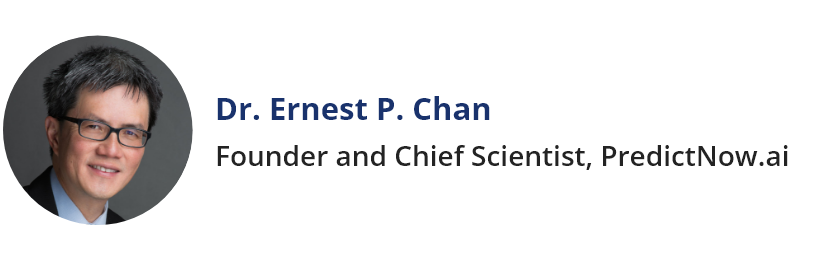
The most significant technological development in 2025 has been the democratization of AI within trading workflows. QuantInsti’s "GenAI and Automated Trading Summit," held on April 10, drew 6,000+ participants from 110 countries, highlighting the global appetite for LLM-driven research. Dr. Ernest P. Chan, a luminary in the quantitative finance space, demonstrated that Generative AI is being used far beyond simple code generation. It is now facilitating the transformation of unstructured data—such as news sentiment, earnings call transcripts, and geopolitical reports—into actionable, testable trading signals.

The "Advanced AI for Traders & Asset Managers Bootcamp" in November further cemented this trend. Participants were trained in applying machine learning to portfolio construction, with specific projects focusing on LSTM (Long Short-Term Memory) models and sentiment-driven strategy backtesting. The bootcamp served as a realization of the industry’s shift toward project-based learning. As one attendee noted, the ability to rapidly prototype ideas in environments like VS Code, while maintaining institutional-grade backtesting standards, is now a prerequisite for a career in quantitative finance.
Academic Collaborations and Bridging the Knowledge Gap

Recognizing that the next generation of quants requires a strong theoretical foundation paired with hands-on technical prowess, QuantInsti expanded its academic footprint in 2025. The institution partnered with prestigious institutions such as IIT Madras, IIT Patna, and IIT Guwahati to foster a culture of systematic trading.
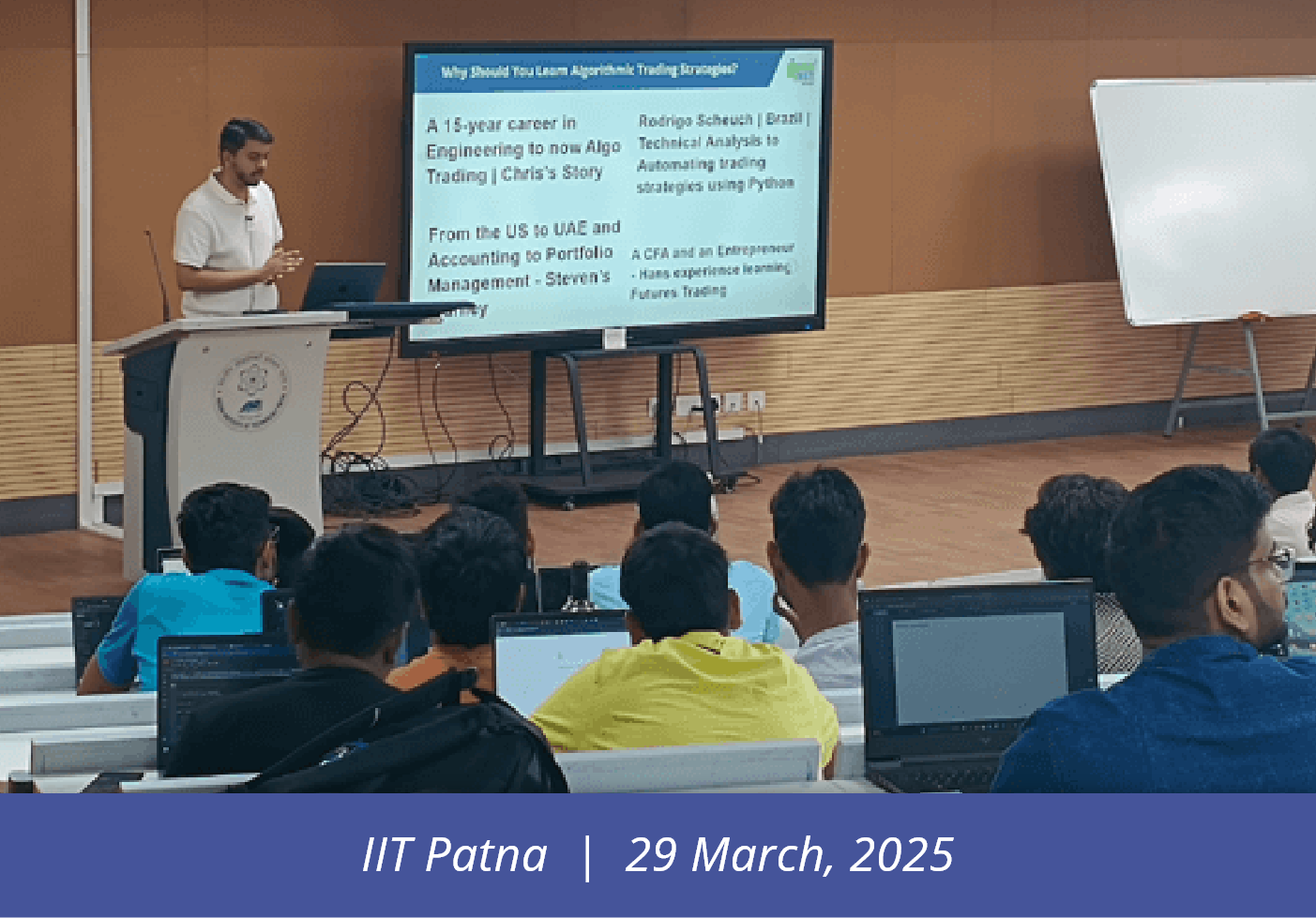
The Quant-a-thon at IIT Patna, held on March 29, and the Xpecto 2025 Hackathon at IIT Mandi, saw participation from thousands of students. These events were not merely competitions; they were incubators for talent. By providing curated problem statements that mimic real-world market challenges—such as momentum-based strategy optimization—QuantInsti has provided a direct pathway for top-tier students to secure internships and career placements within the industry.

Furthermore, the "State of Algorithmic Trading Education 2025" report, compiled by Vivek Krishnamoorthy, provides empirical evidence of this shift. The data, drawn from 13,000 registrants, indicates that 76% of practitioners now utilize AI for early-stage research and code scaffolding. However, the report also identifies a persistent "capability gap." While AI makes the construction of strategies easier, the report concludes that the most significant challenge for the modern trader is not writing the code, but the "supervision" of AI output. Effective strategy management now requires a deep understanding of market intuition and data hygiene to prevent "AI-driven blow-ups."
Analysis: Implications for the Future of Trading
The collective data and discussions from QuantInsti’s 2025 initiatives point to three clear trends for the coming years:
- Alpha Decay and Speed of Innovation: As noted by Rajib Ranjan Borah, the shelf-life of trading strategies is contracting. Strategies that previously remained profitable for six months are now seeing alpha decay within two months. This suggests that the future of trading belongs to those who can shorten the research-to-deployment cycle and implement robust, adaptive machine learning models.
- The Regulatory-Tech Synergy: The alignment between regulatory mandates and technological infrastructure will continue to intensify. Brokers will likely evolve into full-service technology providers, offering integrated platforms that ensure compliance by design, rather than as an afterthought.
- The Human-AI Hybrid: The consensus among speakers, including Tucker Balch and Dimitri Bianco, is that AI is a tool, not a replacement. The most successful traders of the next decade will be those who use AI to handle high-volume data processing and pattern recognition, while reserving "market judgment" for complex, low-frequency scenarios where experience and intuition remain paramount.
Conclusion and Outlook
QuantInsti’s 2025 journey has been defined by a commitment to democratizing financial intelligence. By transforming complex quantitative theories into accessible curricula and providing a platform for industry experts to share their insights, the institution has helped stabilize and elevate the standards of algorithmic trading.
As the industry moves toward 2026, the focus will undoubtedly shift toward the governance of AI models and the refinement of risk management protocols. QuantInsti remains at the forefront of this evolution, ensuring that the global trading community is not only equipped with the latest technology but is also well-versed in the ethical and regulatory considerations that underpin a truly efficient capital market. For the aspiring quant, the message is clear: the learning curve has steepened, but the tools available for those willing to engage in rigorous, lifelong learning have never been more potent.