Anthropic IPO Wave Sets Off Economic Shockwaves in San Francisco as Landlords Weigh Windfalls Against Lease Integrity

The impending public offering of artificial intelligence pioneer Anthropic has transformed the economic landscape of San Francisco, creating thousands of newly minted millionaires among its workforce while igniting a complex debate among the city’s residential landlords. With the company’s recent Securities and Exchange Commission (SEC) S-1 filing revealing unprecedented financial growth, the ripple effects are being felt far beyond the tech sector, directly impacting the local real estate market and forcing property owners to navigate the ethical and financial dilemmas of surging neighborhood wealth.
The Anthropic Public Offering and Tech Wealth Surge
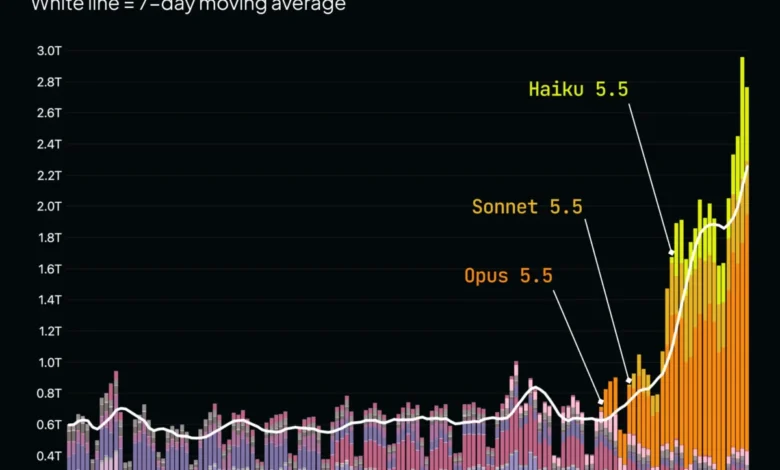
The financial figures outlined in Anthropic’s S-1 filing underscore the hyper-growth trajectory of the artificial intelligence industry in Northern California. The document reports $16.3 billion in revenue for the first half of 2026, a dramatic escalation from approximately $1.2 billion during the same period in the previous year. Propelled by the September 2026 launch of Opus 5.5—which catalyzed a 3.6-fold surge in Claude token usage—the company boasts over $130 billion in cash and investments, maintains positive operating margins, and anticipates raising upwards of $80 billion through its upcoming initial public offering.

This capital influx is translating directly into employee compensation. Projections indicate that the median Anthropic employee stands to gain between $3 million and $10 million in equity value within a three-year window, with an estimated thousand or more core technical and operational staff members securing eight-figure windfalls. For a city already accustomed to technology-driven economic cycles, the scale and velocity of the Anthropic wealth creation event represent a historic milestone, immediately altering demographic and purchasing power metrics across the San Francisco Bay Area.
San Francisco Housing Market Dynamics and Surging Rents
The sudden concentration of capital among tech sector employees has injected immediate momentum into the San Francisco residential real estate market, reversing prior pandemic-era corrections. According to recent housing data compiled by Zumper and local real estate exchanges, citywide rents have climbed approximately 27% year-over-year, leading all major U.S. metropolitan areas. One-bedroom and two-bedroom apartments have registered respective annual increases of 25.4% and 26.8%.
Simultaneously, home purchase prices have rebounded aggressively. The median price for a San Francisco home, inclusive of condominiums, reached approximately $1.69 million in September, reflecting a 14.7% annual increase. Single-family residences have experienced even steeper appreciation, with median values up roughly 24% to about $2.2 million, and an estimated 86% of transactions closing above asking price.

This macro-level acceleration has created a widening gap between prevailing market rates and legacy rental agreements established prior to the current AI boom, leaving many independent property owners evaluating significant unrealized revenue against existing contractual obligations.
The Landlord Dilemma: Balancing Market Rates and Contractual Obligations
For independent property owners who have maintained long-term leases, the disparity between current rental income and market-rate potential has introduced substantial financial friction. Industry analysts note that landlords operating under multi-year agreements or self-imposed rent schedules face significant opportunity costs, often trailing current market values by $1,000 to $2,000 per month on premium properties.
This tension is compounded by asymmetric cost pressures within the housing sector. While rental increases for stable tenants are frequently moderated by lease terms or local guidelines, operating expenditures—including property insurance premiums, municipal maintenance labor, and regulatory compliance costs—continue to rise at rates exceeding general inflation. Consequently, property owners face compressed profit margins unless periodic adjustments are made to align with prevailing market conditions.

However, industry veterans emphasize that attempting to capture immediate windfalls by breaking established lease structures or prematurely raising rents often yields counterproductive results. Property management experts point out that the transaction costs associated with tenant turnover, including vacancy periods and make-ready expenses, can quickly neutralize months of marginal revenue gains. Furthermore, newly affluent tenants are frequently positioned to transition from renting to homeownership, meaning that aggressive pricing pressures may inadvertently accelerate lease terminations.
Strategic Approaches to Lease Management and Tenant Relations
To mitigate friction between rising market values and tenant retention, experienced landlords frequently utilize structured lease frameworks, such as pre-agreed annual rent adjustment schedules capped at predictable percentages. This approach aims to establish transparent expectations, providing property owners with modest, reliable compounding increases while offering tenants budget predictability.
The philosophical debate among property owners centers on whether a tenant’s sudden financial windfall—whether derived from an IPO, corporate acquisition, or investment returns—justifies a departure from agreed-upon lease terms. Conventional property management doctrine dictates that rental agreements function as binding commitments tied to property utility rather than equity stakes in a tenant’s personal financial performance. Proponents of strict lease adherence argue that just as landlords rarely offer rent reductions during periods of tenant financial hardship or market downturns, contractual stability should be maintained during periods of unexpected tenant prosperity.

Broader Implications and Market Outlook
The intersection of unprecedented tech-sector liquidity and residential real estate dynamics highlights the structural shifts currently occurring within gateway metropolitan economies. As artificial intelligence firms continue to scale operations and distribute historic equity compensation, urban housing markets must adapt to rapid wealth polarization.
For policymakers and market participants, the phenomenon underscores the delicate equilibrium required between capital appreciation and housing accessibility. While institutional and independent investors must balance rising operational overhead against tenant affordability, the broader economic implications of localized wealth events will likely continue to shape residential development, pricing strategies, and tenancy laws throughout the San Francisco Bay Area for the foreseeable future.