In a significant humanitarian effort aimed at long-term regional rehabilitation, Bybit Indonesia, a locally regulated cryptocurrency exchange operating under the supervision of the Otoritas Jasa Keuangan (OJK), has spearheaded a comprehensive recovery initiative in Sumatra. Following the devastating floods that swept through the region in November 2025, the organization has partnered with the Indonesian fundraising platform Kitabisa to restore essential infrastructure, specifically focusing on educational facilities and clean water access. This initiative highlights the growing trend of corporate social responsibility (CSR) within the digital asset sector, as companies look to solidify their presence in local markets by investing in community resilience.
Chronology of the Disaster and Recovery Efforts
The floods that struck Sumatra in November 2025 were characterized by severe rainfall and subsequent inundation, which crippled local infrastructure and displaced thousands of residents. In the immediate aftermath, the focus was primarily on emergency relief, including food distribution and temporary shelter. However, as the waters receded, the secondary crisis—the destruction of essential public services—became apparent.
By the second quarter of 2026, Bybit Indonesia identified the long-term educational and health needs of the affected populations. The collaboration with Kitabisa was formalized in mid-2026, with a strategic focus on the Kabupaten Langkat district in North Sumatra and the Kabupaten Bireuen district in Aceh. The construction and renovation phases officially commenced in July 2026, targeting sites where structural integrity had been compromised by the floodwaters. By September 15, 2026, the first phase of these restoration efforts reached completion, allowing students to return to rehabilitated learning environments.

Restoring the Fabric of Education in North Sumatra
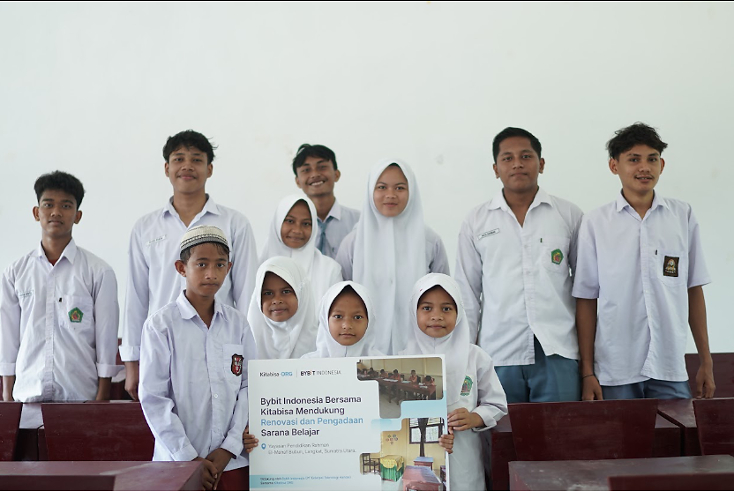
The educational landscape in rural North Sumatra faces unique challenges, particularly for schools situated in low-lying, flood-prone areas. The initiative concentrated its resources on two primary institutions: Yayasan Pendidikan Rahman El-Manaf Bubun and SDN 057239 Sekoci.
Yayasan Pendidikan Rahman El-Manaf Bubun, located in the village of Desa Bubun, serves as a critical academic hub for 187 students ranging from elementary to high school levels. The school is supported by a dedicated staff of 17 teachers. Given the socioeconomic profile of the surrounding community—largely comprised of families engaged in traditional fishing and farming—the school acts as a vital social institution, often providing education free of charge. The flood damage necessitated extensive structural repairs, including the replacement of damaged flooring, professional repainting, and the upgrading of ventilation systems. Furthermore, the provision of modern classroom equipment, such as ergonomic desks, chairs, and whiteboards, has significantly improved the quality of the learning environment.
Similarly, at SDN 057239 Sekoci, where the student body numbers approximately 90, the project addressed critical safety concerns. Beyond aesthetic repairs, the restoration included necessary electrical installations, door and window replacements, and the renovation of specialized spaces, including the school library and religious studies room. These enhancements are designed to ensure that the physical facility can withstand future weather events, thereby fostering a safer environment for students and faculty alike.
Addressing the Crisis of Clean Water Access
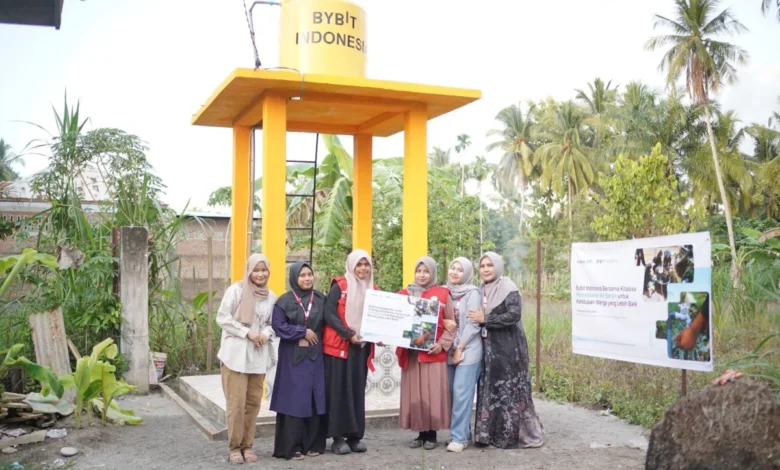
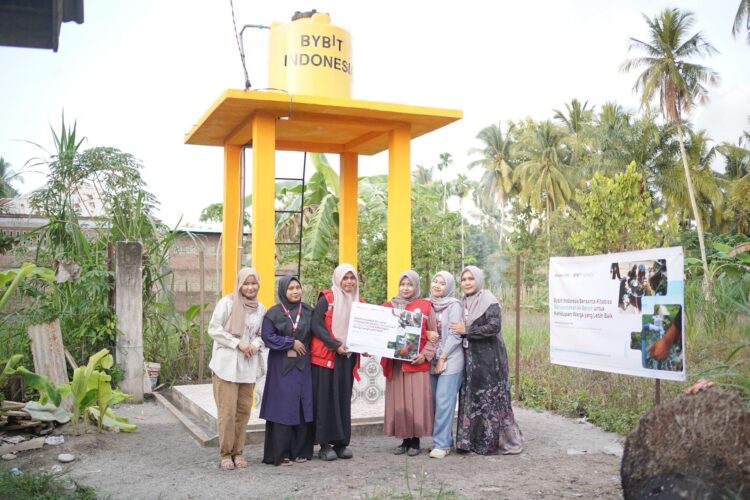
While education remains a priority, the project acknowledged that systemic recovery is impossible without access to basic utilities. The floods had severely contaminated local wells and damaged water distribution infrastructure in Desa Balee Panah, Kecamatan Juli, Kabupaten Bireuen, Aceh. The loss of potable water posed an immediate health risk to hundreds of residents.
The construction of a deep-bore well, initiated in July 2026, represents a permanent solution to this issue. This infrastructure is engineered to serve approximately 125 households, supporting the daily hygiene, cooking, and hydration needs of over 400 individuals. By moving away from reliance on surface-level water sources—which are prone to contamination during flood events—the new borewell provides a more reliable and sanitary water supply, effectively reducing the incidence of waterborne diseases in the community.
Official Perspectives on Collaborative Impact
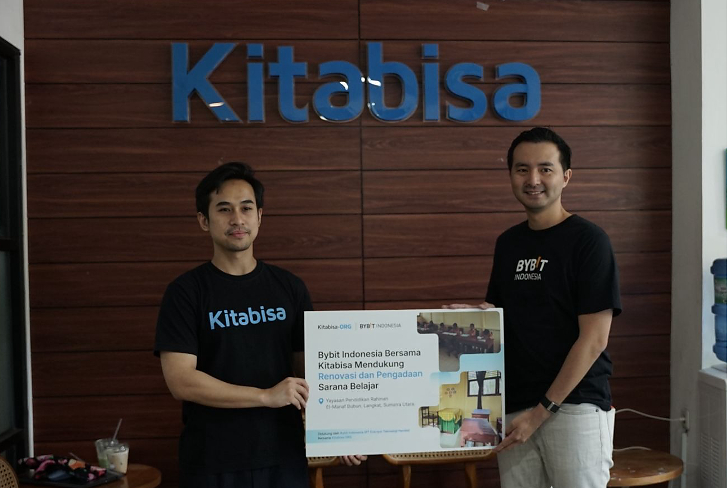
The partnership between a global digital asset entity and a local philanthropic leader like Kitabisa underscores a strategic alignment in humanitarian logistics. Vikra Ijas, Co-Founder and CEO of Kitabisa, emphasized the importance of sustained, community-focused recovery. According to Ijas, the restoration of school facilities is not merely a construction project; it is an effort to restore the psychological and social stability of the families involved. By ensuring that children return to a normalized learning routine, the collaboration mitigates the long-term developmental setbacks that often follow natural disasters.
Lawrence Samantha, CEO of Bybit Indonesia, articulated that the initiative is an extension of the firm’s commitment to its Indonesian user base and the broader national community. "Education has always been an important part of Bybit’s journey, both in Indonesia and globally," Samantha stated. He noted that the firm’s objective was to provide practical contributions that address immediate needs, such as a safe place to learn and clean water to drink. Samantha’s remarks suggest that as digital financial platforms gain traction in the Indonesian economy, their role as social stakeholders is expected to grow.
Analysis of Implications for the Digital Asset Industry
The involvement of a regulated entity like Bybit in post-disaster reconstruction offers several insights into the evolution of the cryptocurrency industry in Southeast Asia. First, it marks a shift toward greater regulatory integration. By operating under the OJK’s supervision, the company is demonstrating a commitment to local compliance, which in turn facilitates deeper engagement with local non-governmental organizations (NGOs) and community leaders.
Second, the use of corporate social responsibility as a tool for public trust is becoming a standard feature of modern fintech operations. In a market like Indonesia, where digital literacy regarding financial technology is increasing, building a reputation for social contribution is essential for long-term growth. The focus on education and infrastructure is particularly effective, as these sectors have high visibility and direct, positive outcomes for the local population.
Third, the logistical success of this project proves that digital platforms possess the resources and technical project management capabilities to execute complex physical infrastructure programs. By leveraging the local expertise of partners like Kitabisa, Bybit was able to overcome the administrative and logistical hurdles of working in rural Aceh and North Sumatra, setting a precedent for future humanitarian efforts in the region.
The Broader Context of Regional Resilience
Indonesia remains one of the world’s most vulnerable countries to climate-related disasters. The recurring nature of flooding in Sumatra and Aceh necessitates a long-term approach to infrastructure development that goes beyond emergency relief. The transition from "aid" to "sustainable development" is the core philosophy behind this partnership.
By improving the physical resilience of schools and water infrastructure, the project not only repairs the damage from the 2025 floods but also enhances the adaptive capacity of these communities against future environmental risks. The provision of robust flooring, improved ventilation, and deep-bore water systems are adaptations that recognize the reality of the regional climate.
Future Outlook and Commitments
As the recovery phase for the specific flood-affected zones in North Sumatra and Aceh concludes, the focus shifts toward the sustainability of these installations. Maintenance protocols and local community engagement are expected to ensure that the borewell and the renovated schools remain functional for the long term.
For Bybit Indonesia, the initiative is positioned as the beginning of a broader, ongoing engagement with Indonesian society. The company has indicated its intent to continue monitoring the progress of these facilities and to explore further opportunities to support educational and community-focused projects. This proactive stance on corporate citizenship is likely to become a defining characteristic of the platform’s strategy in Indonesia, as it seeks to balance its commercial objectives with a tangible commitment to the welfare of the Indonesian public.
In conclusion, the partnership between Bybit Indonesia and Kitabisa provides a compelling model for how private corporations can contribute to the recovery of communities hit by natural disasters. By focusing on essential services—education and water—the collaboration addresses the immediate impacts of the 2025 floods while contributing to the foundational stability required for the affected regions to flourish. As the digital economy continues to integrate with traditional society, such initiatives will play an increasingly vital role in fostering resilience and mutual trust across the archipelago.
Related posts: