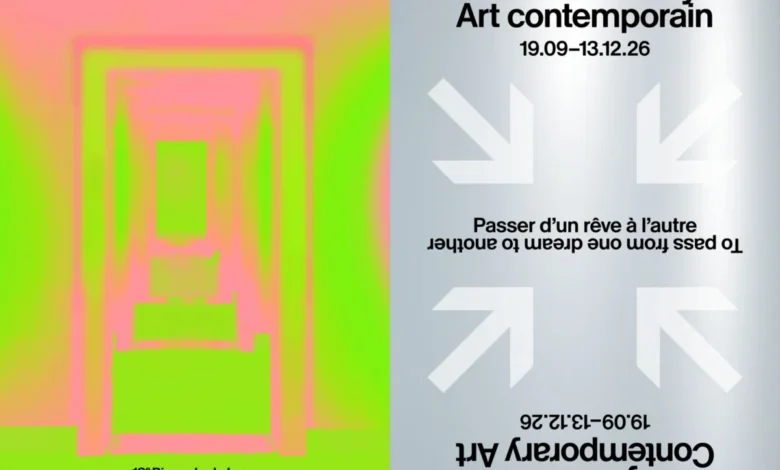
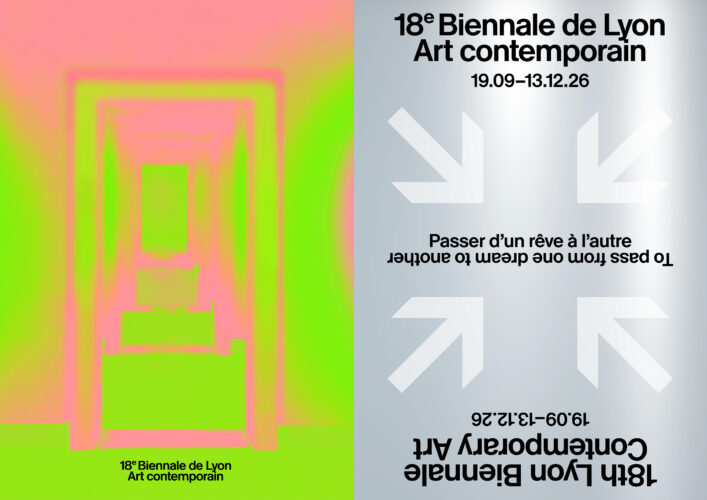
The 18th edition of the Lyon Biennale of Contemporary Art officially commenced its three-month run on September 19, 2026, transforming the French metropolitan landscape into a sprawling, multi-site exhibition space. Titled Passer d’un rêve à l’autre (Passing from One Dream to Another), this year’s iteration marks a significant milestone in the event’s four-decade history, featuring 120 international artists and nearly 400 distinct works of art distributed across 11 carefully selected venues throughout the city. Curated by the esteemed art historian and author Catherine Nichols, the exhibition aims to investigate the intersections of creativity, social transformation, and the human capacity for collective storytelling.
A Legacy of Artistic Innovation
Since its inception in 1991, the Lyon Biennale has evolved into one of the most vital platforms for contemporary art globally. Historically, the Biennale has functioned not merely as a showcase for established figures, but as a laboratory for experimental artistic practices. By integrating both traditional heritage sites and repurposed industrial structures, the event challenges the conventional boundaries of museum curation.
The 2026 edition continues this tradition of site-specificity. The primary hub, Les Grandes Locos, serves as the anchor for the exhibition, providing a massive industrial backdrop that contrasts sharply with the refined atmosphere of the Museum of Fine Arts of Lyon. Other notable venues include the Museum of Contemporary Art Lyon (macLYON) and the Musée des Tissus, which has undergone an exceptional reopening specifically for the Biennale, highlighting the city’s commitment to preserving cultural history while fostering modern discourse.
Chronology and Scope of the Exhibition
The 18th Lyon Biennale is structured to offer a comprehensive, non-linear experience for visitors. Spanning from September 19 to December 13, 2026, the event is designed to accommodate both the casual observer and the dedicated art scholar. The inclusion of 11 distinct venues across the Lyon metropolitan area encourages a city-wide engagement, forcing a dialogue between the art and the urban environment itself.
The exhibition timeline is as follows:
- September 19, 2026: Public opening ceremony and commencement of the three-month exhibition cycle.
- October 2026: Mid-autumn focus on educational outreach and symposiums discussing the role of AI in creative industries.
- November 2026: Heightened engagement period featuring guided tours and thematic discussions on the "Passing from One Dream to Another" motif.
- December 13, 2026: Final day of the exhibition, culminating in a closing retrospective on the impact of the 18th edition.
Thematic Depth: Art and Social Sciences
Catherine Nichols has structured this year’s Biennale around the concept of the human connection to the economy and social change. In a world increasingly dominated by technological shifts, the Biennale posits that the capacity to create—to dream and to narrate—is a fundamental tool for building a shared future. This inquiry into the "social life" of art suggests that creative expression is not an isolated endeavor but a critical component of social infrastructure.
The theme resonates deeply with the ongoing global debate regarding artificial intelligence. As the art world grapples with the implications of generative models, the Biennale serves as a space for reflection on human agency. This is explicitly highlighted by the circulation of Dialogue Between a Thinker and AI, a work by Thierry Ehrmann, the founder of Artprice and the Abode of Chaos. The text advocates for a "third path"—a synthesis of humanistic tradition and technological advancement—urging society to prioritize critical thinking and the ethical transmission of knowledge in an age of automation.
Economic and Accessibility Data
Organizers have implemented a visitor-friendly pricing model intended to maximize accessibility, reflecting the Biennale’s mandate to reach the widest possible audience. The "Biennale Pass," which grants one-time entry to each of the 11 venues, is priced between €18 and €25.
Key accessibility and pricing facts include:
- Free Admission: Granted to visitors under 15, students within the Auvergne-Rhône-Alpes region, and art students.
- Reduced Rates: Provided for visitors under the age of 26 to encourage youth participation.
- Inclusivity Initiatives: The event introduces "easy-to-read" exhibition labels, ensuring that the content remains accessible to neurodivergent visitors and those with varying levels of literacy.
- Supplementary Services: Guided tours and specialized audio guides are available for a nominal fee of €3, allowing for deeper engagement with the curated works at the three primary sites.
Institutional Collaboration and Global Impact
The collaboration between the Lyon Biennale and Artmarket.com/Artprice underscores the symbiotic relationship between the art market and the creative scene. Artprice, a global leader in art market data, provides the analytical framework that helps contextualize the careers of the 120 artists featured. By partnering with the Biennale, these institutions aim to provide clarity on how the international art market is responding to contemporary geopolitical and technological pressures.
Isabelle Bertolotti, serving as the artistic director, has worked in tandem with Nichols to ensure that the exhibition maintains its high standards while remaining responsive to the needs of the local Lyon community. The presence of such heavyweights in the art world signals that the 18th edition is not just a regional event, but a focal point for the global art economy.
Implications for the Future of Contemporary Art
The implications of the 18th Lyon Biennale extend beyond the individual works on display. By focusing on the intersection of dreams, social responsibility, and the "anthropological shock" caused by AI, the Biennale is positioning itself as a central node in the intellectual discourse of the mid-2020s.
Observers note that the decision to incorporate industrial spaces like the LPA Saint-Antoine car park alongside traditional museums reflects a broader trend in European curatorial practice: the "democratization of the site." By moving art out of the "white cube" of the traditional gallery, the Biennale forces a collision between high art and everyday life, asking viewers to consider how the objects they pass by on their daily commute might be reimagined through the lens of creative possibility.
Furthermore, the emphasis on the "transmission of knowledge" as a counter-weight to AI suggests that the Biennale is serving as a bastion for traditional humanities. As society faces the erosion of critical thinking in the face of algorithmic curation, the 18th Lyon Biennale acts as a counter-cultural movement, asserting that human stories, subjective experiences, and physical presence remain the bedrock of cultural development.
Conclusion
As the 18th Lyon Biennale continues its progression through the autumn months, it stands as a testament to the resilience and adaptability of the contemporary art sector. Through a combination of rigorous thematic curation, strategic accessibility initiatives, and a commitment to interdisciplinary dialogue, the event successfully navigates the complex tension between the present reality and the future of human creativity. Whether through the industrial grandeur of Les Grandes Locos or the intimate halls of the Musée des Tissus, the Biennale offers a comprehensive map for those seeking to "pass from one dream to another," providing a space where the challenges of the modern era are not just documented, but actively reinterpreted through the power of the human imagination.
For those planning to attend, the flexibility of the Biennale Pass allows for a curated, self-paced exploration, ensuring that the depth of the 400 works can be absorbed in a manner that reflects the individual’s own rhythm. As the curtains rise on this ambitious 2026 installment, the city of Lyon once again confirms its status as an indispensable pillar of the international art community.