The November 25 2026 Edition of Animal Spirits Explores Market Volatility and the Rapid Expansion of AI Economics

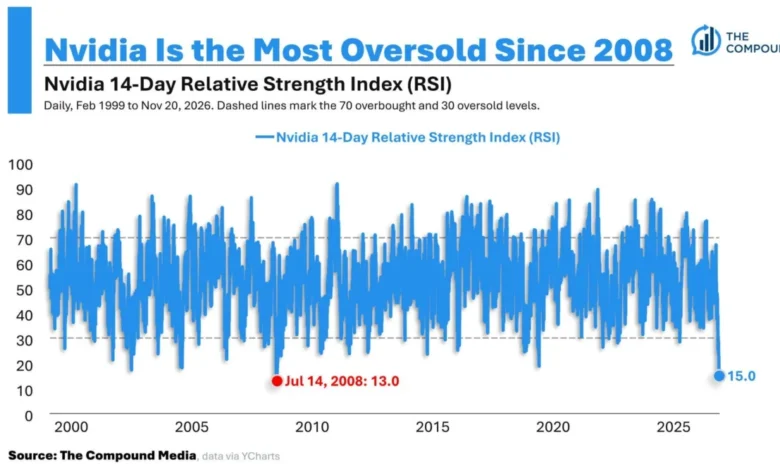
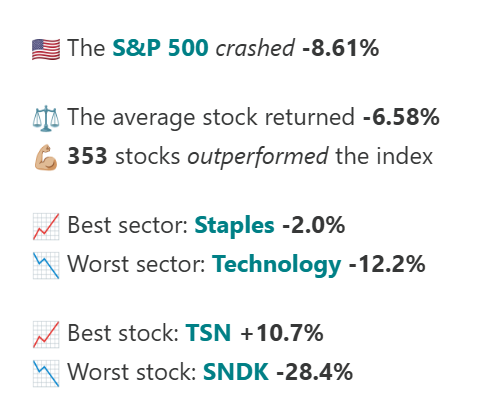
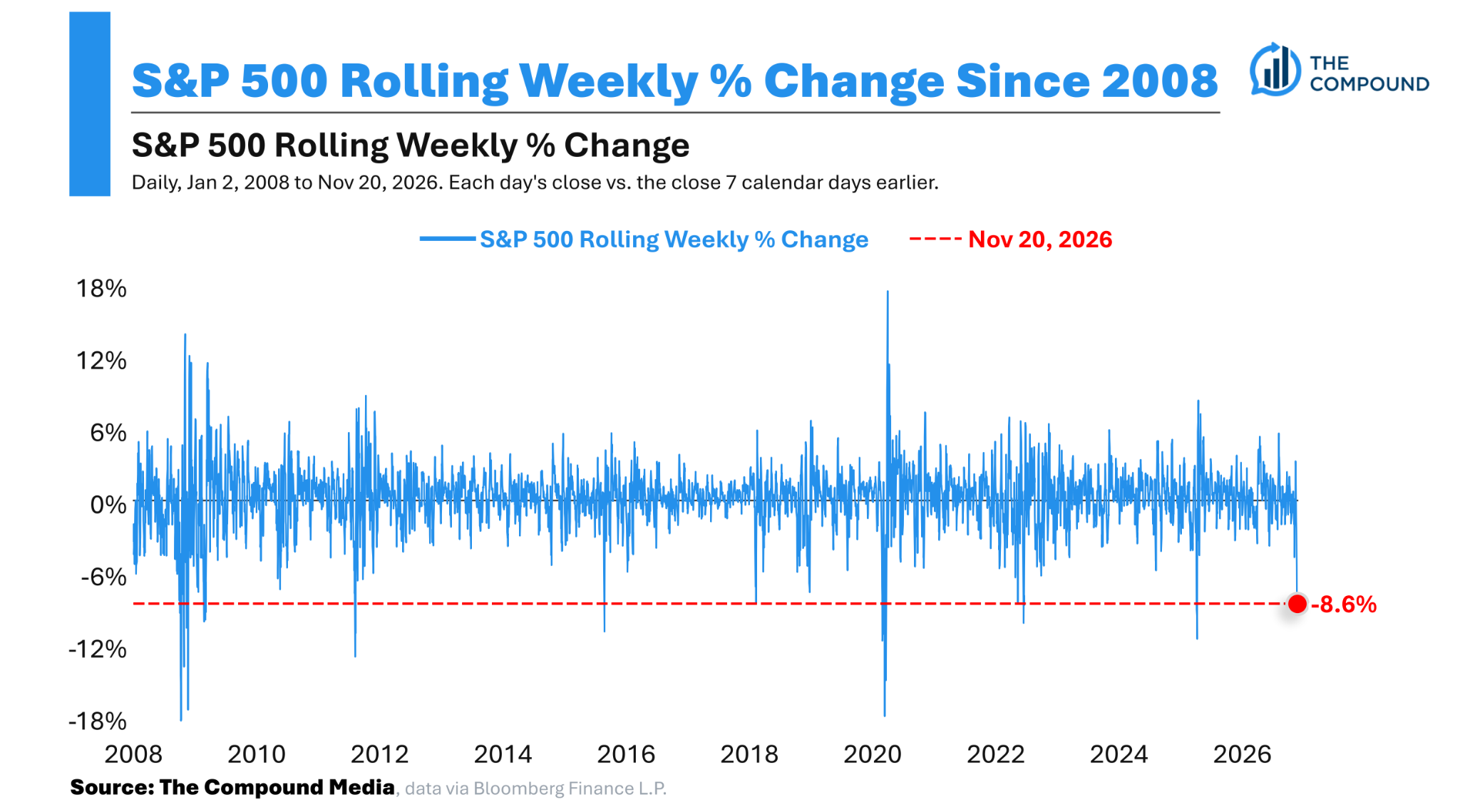
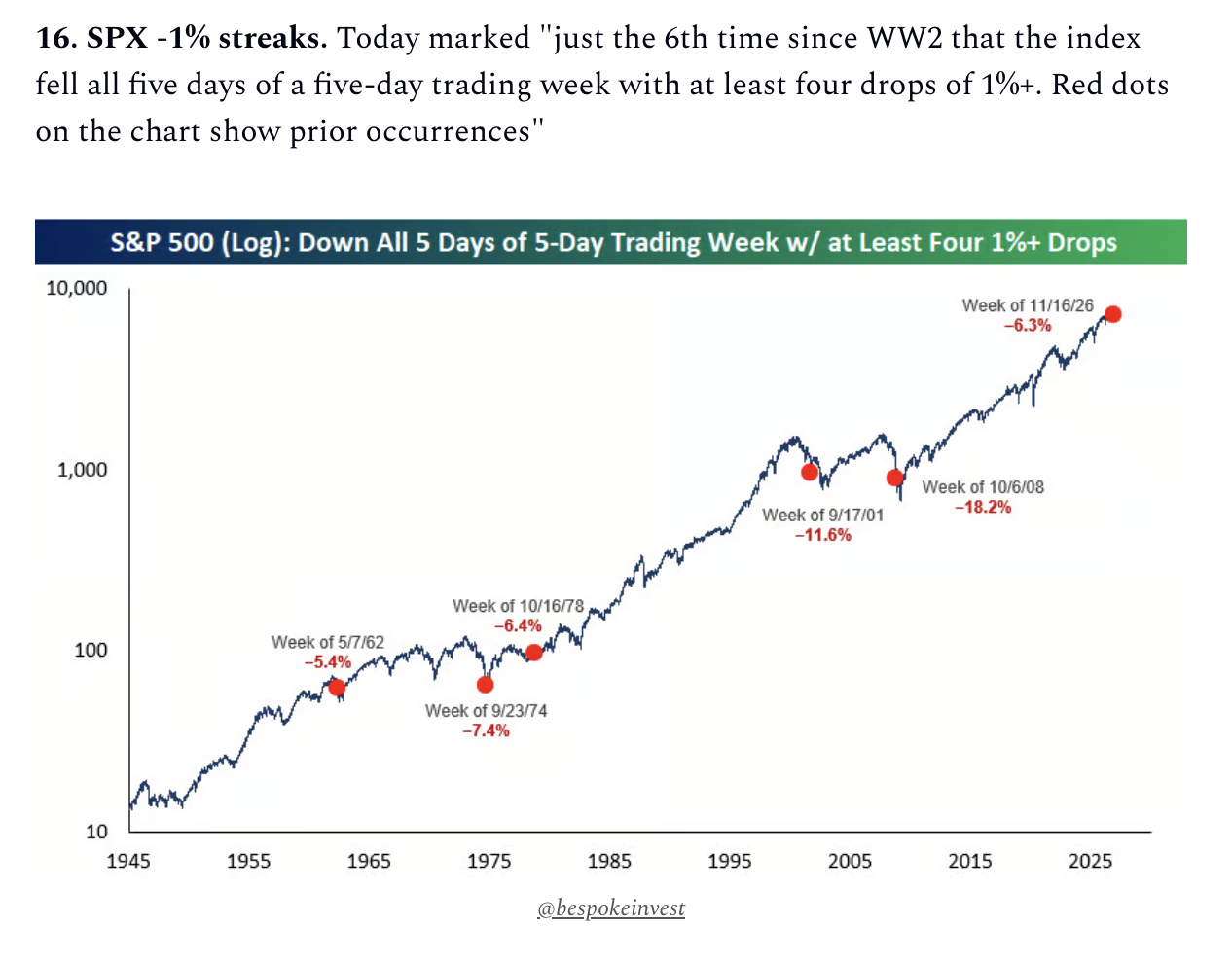
The financial landscape in late November 2026 has been defined by extreme technical shifts, characterized by a sharp retreat in institutional confidence in technology stocks and a concurrent surge in consumer spending toward high-profile digital entertainment. As of the close of markets on November 25, 2026, analysts are scrutinizing a period of significant turbulence, with technical indicators suggesting the most oversold conditions in the equity market since the flash crash of 2015. This environment of heightened volatility has been exacerbated by aggressive liquidation patterns from hedge funds, which have shed technology exposure at a pace not seen in recent history.

Chronology of Market Turbulence
The week leading up to November 25 was marked by a sequence of events that signaled a decoupling of traditional equity performance metrics. On November 17, news emerged regarding the scale of employee equity at AI leader Anthropic, with reports noting that the company’s 5,300 personnel hold a collective valuation exceeding that of the bottom 33% of all U.S. households—a statistic that has prompted widespread discussion regarding the concentration of wealth in the generative AI sector.
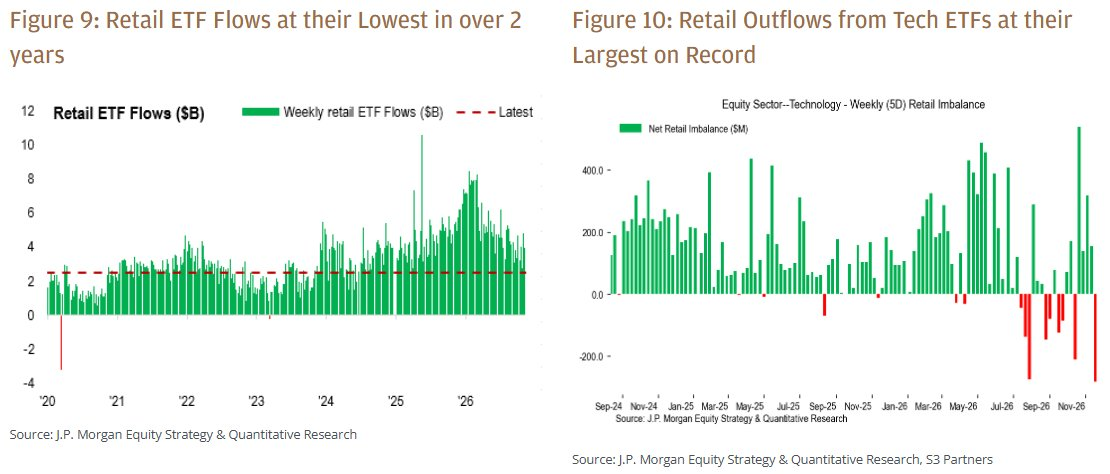
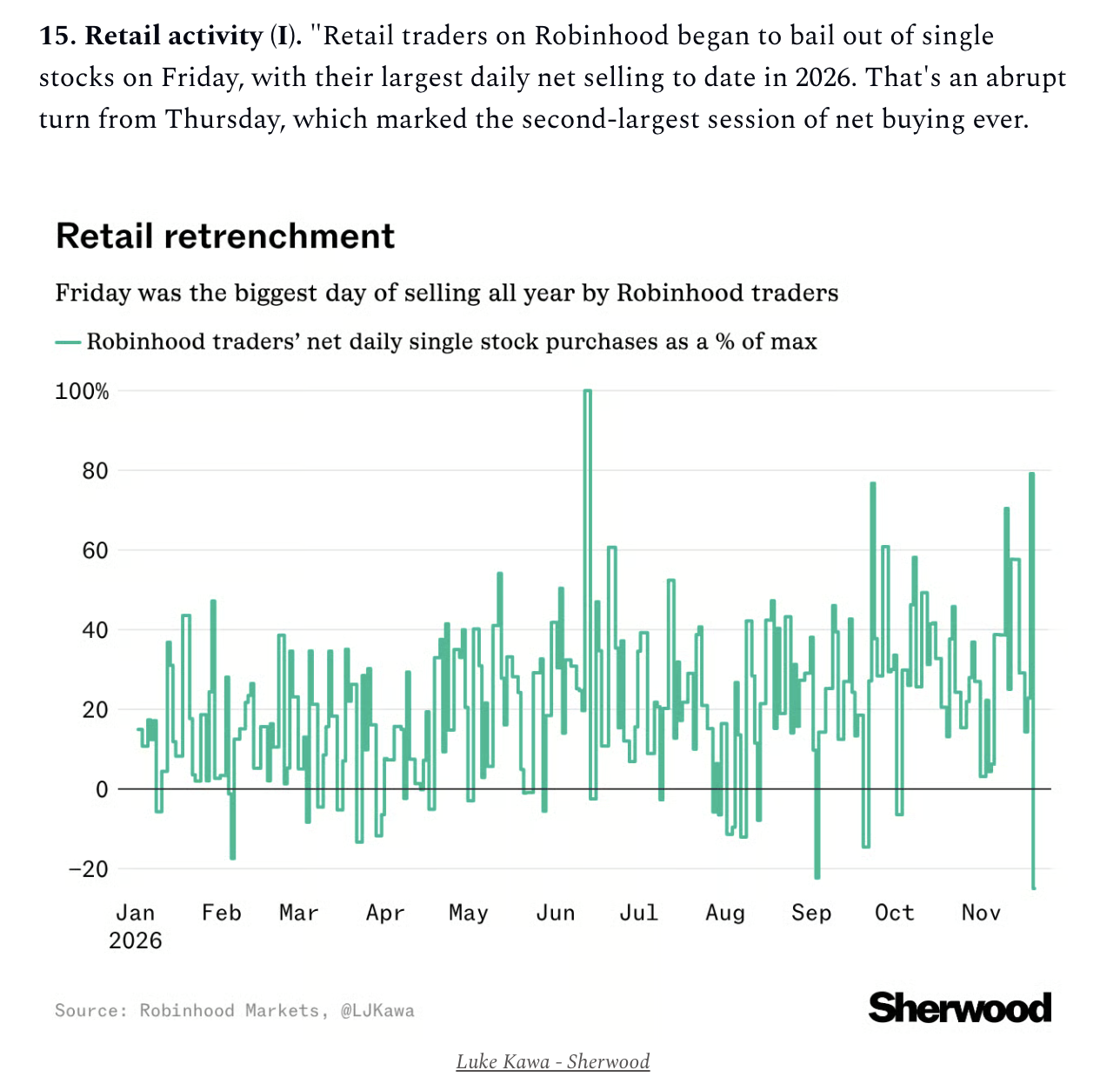
By November 18, data from market monitors indicated that institutional hedge funds had begun a systematic exit from major technology indices. This was described by market observers as a "four-sigma event," representing a level of selling pressure nearly double that of previous record-breaking liquidation periods. The selling persisted through the week, culminating in a dramatic retail response. By November 21, data confirmed that retail investors had recorded their largest-ever liquidation of technology-focused exchange-traded funds (ETFs).
The divergence between the tech sell-off and consumer behavior became stark by November 20, when the release of Grand Theft Auto VI (GTA 6) generated $3.79 billion in revenue within the first 24 hours. This figure established the game as the largest entertainment launch in history, illustrating a continued consumer appetite for premium digital products even as the broader equity market faced a correction.
Technical Indicators and Market Positioning
Market analysts at Bespoke Investment Group reported that the S&P 500 reached a critical juncture on November 20, closing 4.1 standard deviations below its 50-day moving average. This technical reading is widely regarded by quantitative analysts as a signal of an extreme "oversold" state. Historically, such deviations have often preceded short-term market reversals or periods of high-frequency trading consolidation.
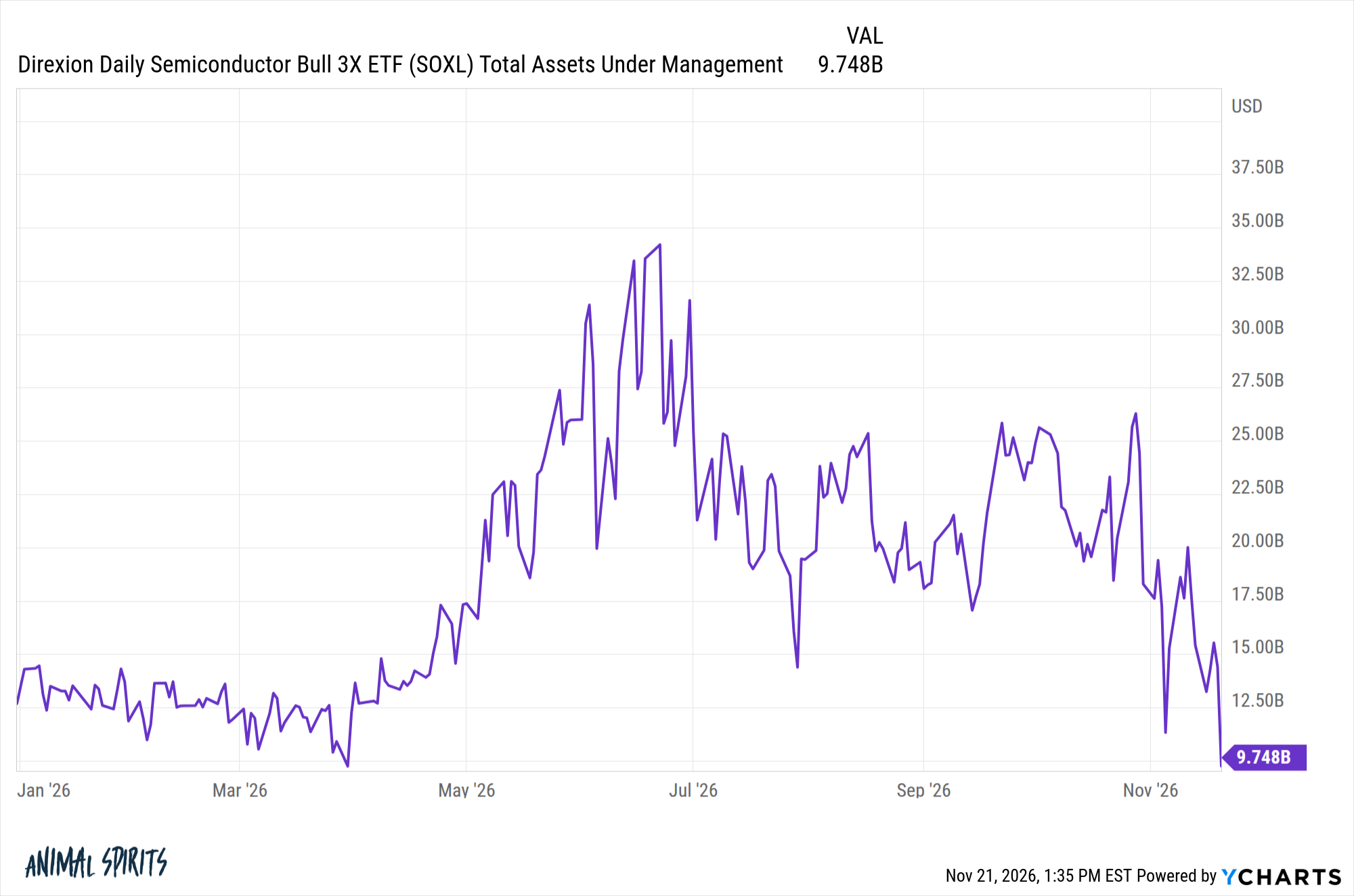
The pressure on the technology sector was further underscored by the performance of various semiconductor and hardware firms. Despite the overarching bearish trend, specific firms saw massive intraday gains on November 23, with companies such as Intel, Sandisk, Micron, and Dell posting double-digit returns. This phenomenon, which some market participants labeled a "reverse-1987 crash day," highlights the bifurcation currently present in the tech sector. While institutional capital is retreating from broad-market tech indices to mitigate risk, specific sub-sectors or individual equities are experiencing violent, localized surges in demand.
The Rise of the AI Agent Economy
Beyond current price action, the discourse has shifted toward the structural evolution of global finance. Brian Armstrong, CEO of Coinbase, posited on November 18 that within a decade, the vast majority of financial transactions—estimated at 99.999%—will occur autonomously between AI agents, with human intervention relegated to a negligible fraction of activity. This projection aligns with recent data from Similarweb, which reported that Meta’s AI platform, Muse, surpassed 10 million daily active users as of November 13.
The infrastructure requirements for this transition are currently under development. The implication of this shift is profound: if financial liquidity and transaction execution become the domain of non-human agents, the traditional models of retail investor behavior and market psychology—currently being tested by the recent tech sell-off—may become obsolete. The integration of these agents suggests a future where market efficiency is determined by algorithmic processing speeds rather than human emotional responses to volatility.
Institutional Responses and Market Implications
The current market climate has forced a reassessment of alternative investment vehicles. As public equity markets exhibit higher volatility, firms like CION Investments have increased their outreach to financial advisors, emphasizing the role of institutional-quality alternative assets in portfolio diversification. The goal for such strategies is to provide exposure to private markets that may be less susceptible to the daily oscillations of tech-heavy public indices.
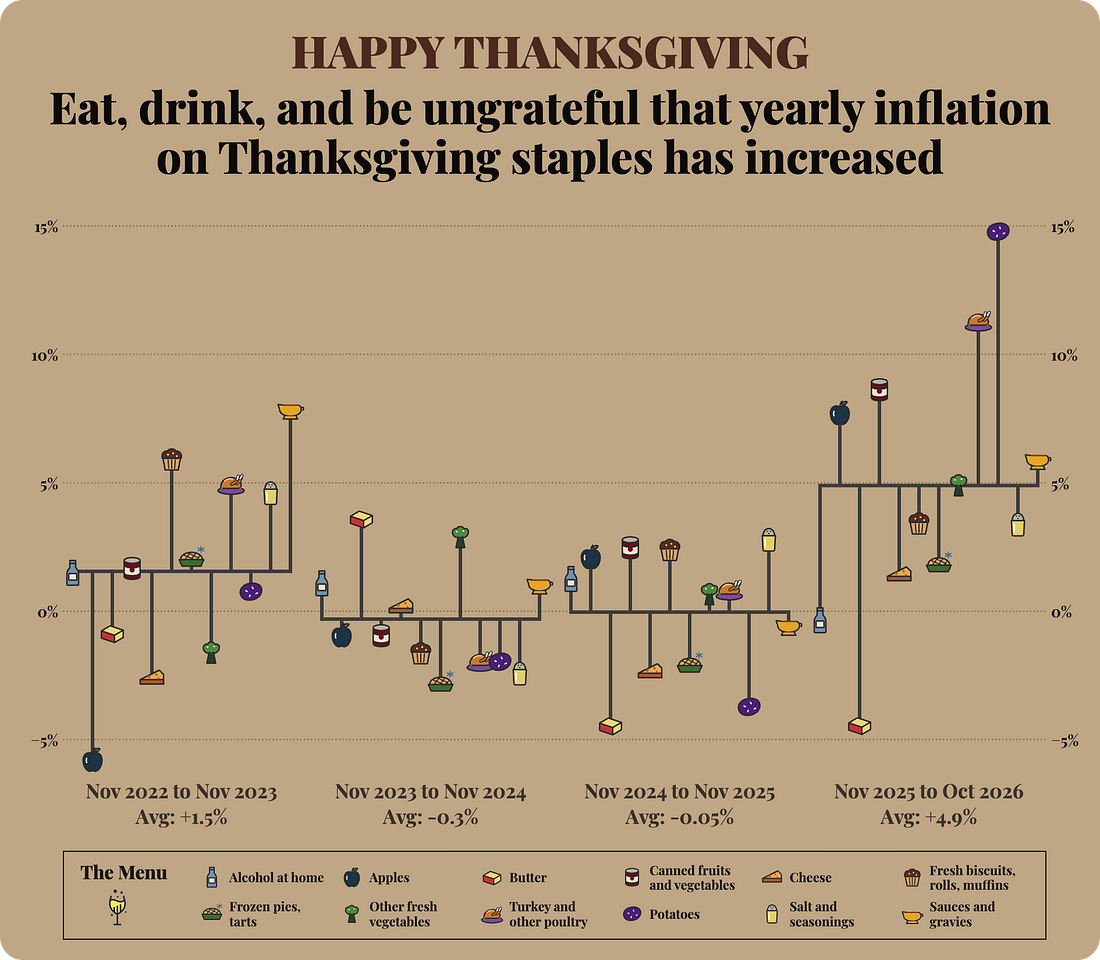
Furthermore, firms like Eaton Vance have stepped into the spotlight, offering active management solutions designed to address tax-efficient income and capital appreciation. These strategies are increasingly sought after by investors attempting to navigate the current tax environment and the persistent inflationary pressures of the mid-2020s.
Broader Societal and Economic Context
The concentration of wealth in the AI sector and the record-breaking success of digital entertainment products like GTA 6 reflect a broader trend of digital transformation. The wealth gap between the tech-employee class and the general populace has become a primary point of debate in financial policy. As noted by analysts like Steve Rattner, the sheer scale of capital concentrated within a single firm like Anthropic suggests that the "AI Gold Rush" is effectively creating a new tier of domestic economic power, potentially complicating future fiscal policy regarding labor and taxation.
Furthermore, the sentiment among retail investors, often captured through social media discourse, suggests a level of fatigue. As retail participation in the tech sector wanes, the vacuum is being filled by automated systems and large institutional actors. This transition period is proving difficult for individual investors, many of whom are grappling with the reality of significant capital drawdowns in their portfolios over the last six weeks.
Summary of Market Outlook
The prevailing market conditions as of November 25, 2026, indicate a period of transition. The technical indicators of a deeply oversold market suggest that the immediate selling pressure in tech may be nearing a exhaustion point, yet the underlying shift toward an "agent-based" economy poses long-term questions about the utility of traditional retail trading strategies.
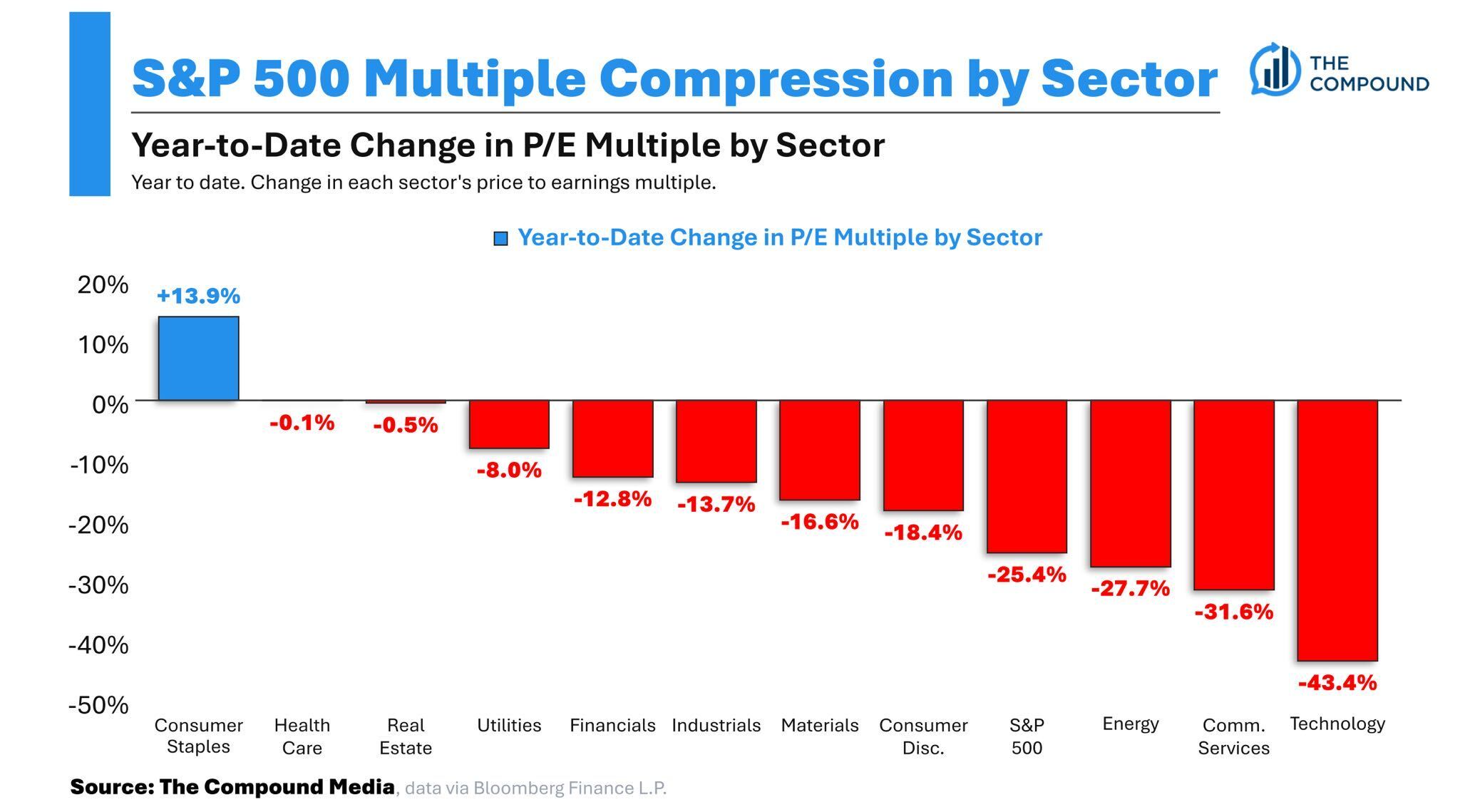
Investors are advised to look toward the broader economic landscape, where the resilience of consumer spending on high-end entertainment suggests that while the equity market is undergoing a period of structural revaluation, the underlying demand for high-utility technology and digital experiences remains robust. The next quarter will likely be defined by whether the current, rapid liquidation of technology assets is followed by a stabilization period or a deeper, protracted correction as institutional portfolios are rebalanced to account for the increasing role of autonomous AI in the global financial infrastructure.
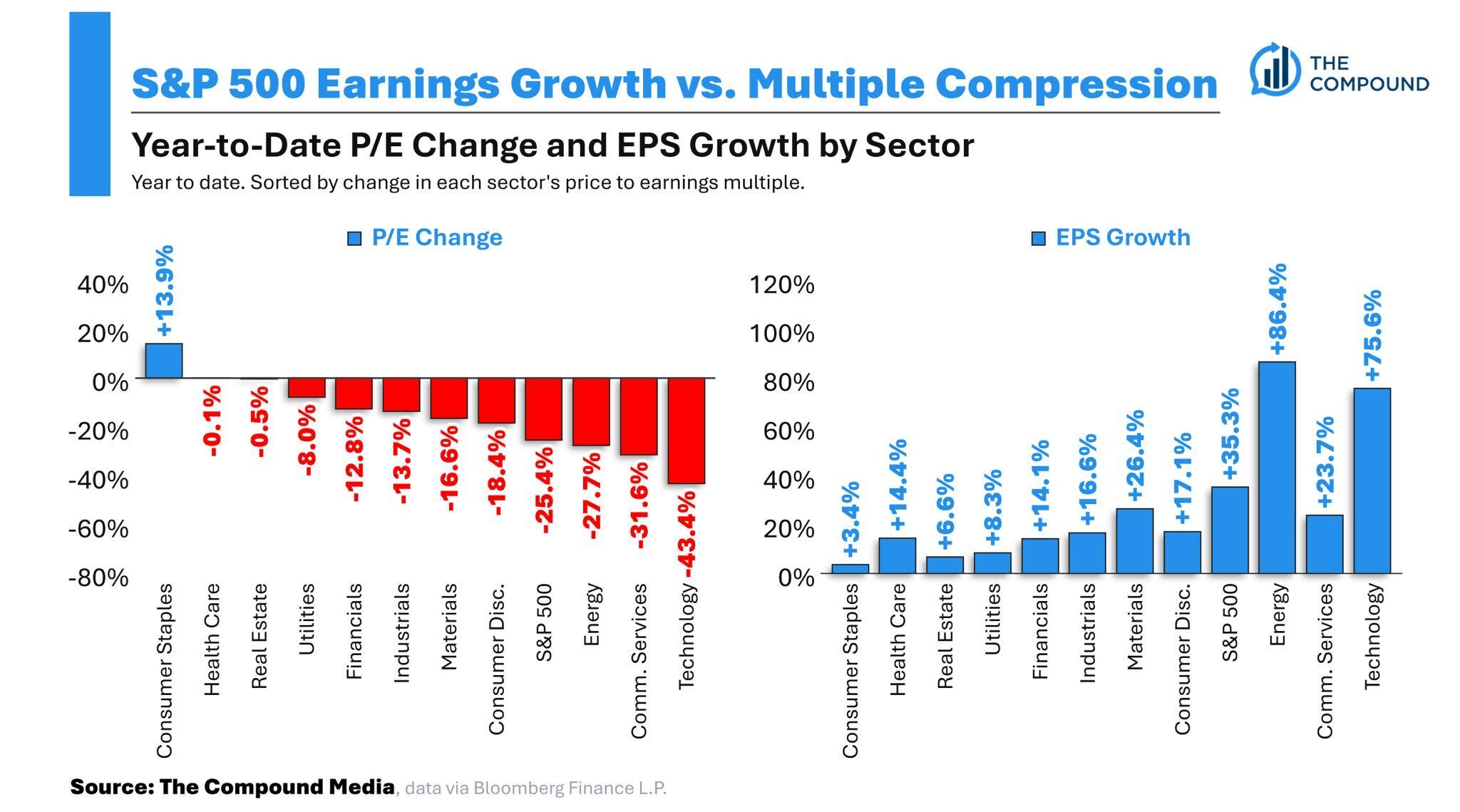
As market participants reflect on these developments, the consensus remains that the current volatility is not merely a product of temporary market sentiment but is reflective of a fundamental pivot in how capital is allocated in a digital-first economy. The divergence between the "cracking" of retail tech portfolios and the explosive growth of AI-driven enterprise value will remain the central tension for market analysts heading into the final month of 2026.