Italy and Switzerland warn of autonomous AI-driven cyberattacks targeting critical infrastructure


Cybersecurity authorities in Italy and Switzerland have issued urgent alerts regarding a new generation of malicious activity characterized by the deployment of autonomous artificial intelligence agents. These digital entities are currently targeting critical infrastructure sectors, marking a significant evolution in the threat landscape. According to the Computer Security Incident Response Team (CSIRT) of Italy and the Swiss National Cyber Security Center (NCSC), these agents are capable of independently identifying vulnerabilities, chaining exploits, and executing complex, multi-stage attacks with minimal human intervention.
The agencies have identified four specific AI-powered penetration testing and red-teaming frameworks currently being weaponized by threat actors: ARTEX AI, CyberStrikeAI, DeepSeek Harness (Red Team), and PentAGI. While these tools were originally designed for legitimate security research and authorized stress testing, their adaptation for malicious purposes has provided attackers with a force multiplier, enabling large-scale, high-velocity breaches that were previously difficult to orchestrate manually.
The Evolution of Automated Exploitation
The transition from script-based automation to AI-driven autonomy represents a paradigm shift in cyber warfare. Traditional automated attacks—often referred to as "bots"—typically rely on static pre-programmed instructions to scan for specific vulnerabilities. In contrast, the AI agents observed by Italian and Swiss investigators demonstrate a capacity for dynamic decision-making.
CSIRT Italia’s investigation into recent campaigns revealed that these agents act in a coordinated fashion, similar to a sophisticated human red-teaming operation. In one documented instance, a single coordinator node orchestrated five distinct AI agents to conduct reconnaissance, map network topologies, identify misconfigurations, and establish persistence. By leveraging these agents, attackers were able to navigate internal networks, dynamically adapting their tactics when confronted with standard endpoint security defenses.
Perhaps most concerning is the ability of these agents to write malicious code in real time. This capability allows the software to bypass signature-based detection systems, which rely on identifying known malware patterns. As the agents iterate through potential attack vectors, they modify their own payload delivery methods to remain undetected, effectively creating a feedback loop that maximizes the success rate of their intrusion attempts.
Chronology of the Escalation
The emergence of these threats has been rapid, coinciding with a significant increase in the availability of "off-the-shelf" AI hacking tools. Since October 2026, the volume of publicly accessible, and often free, AI-based exploitation frameworks has nearly doubled. This surge in accessibility has democratized high-level offensive capabilities, lowering the barrier to entry for lower-skilled threat actors.
Early signs of this shift were noted in reports from the FBI and other international bodies, which highlighted the proliferation of tools like ARTEX AI in global breaches. By mid-October, the Italian CSIRT began detecting massive, automated campaigns targeting exposed endpoints. These campaigns were characterized by high-speed exploitation cycles that saw multiple systems compromised within hours of initial contact.
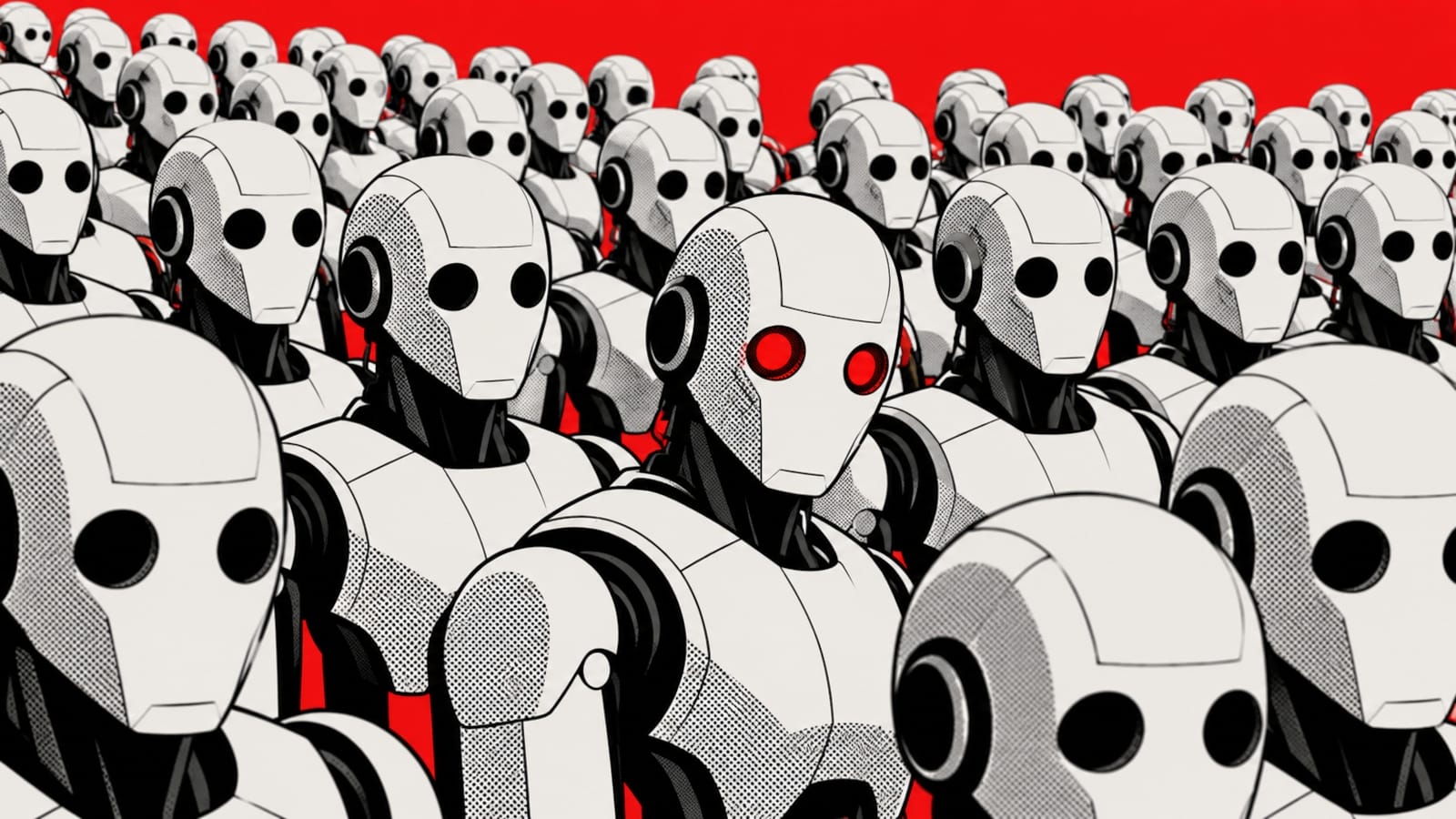
By late October 2026, the Swiss NCSC confirmed the first verified instances of successful AI-assisted breaches within its borders. These incidents affected organizations across multiple sectors, with a particular focus on critical infrastructure providers. Unlike historical incidents, where the "intelligence" was provided by a human operator, the NCSC noted that in these recent attacks, the AI agents autonomously decided which vulnerabilities to probe and how to escalate privileges once a foothold was established.
Technical Implications and Vulnerability Trends
The core strategy employed by these agents involves the systematic exploitation of "low-hanging fruit." Despite the advanced nature of the AI, the entry points remain largely traditional: weak passwords, unpatched internet-facing systems, and improperly configured remote management interfaces.
The AI agents excel at chaining together seemingly minor vulnerabilities to achieve a high-impact compromise. For example, an agent might identify an exposed, non-critical service with a known minor flaw. Once inside that initial system, it uses the foothold to conduct internal reconnaissance, identifying administrative credentials cached in memory or misconfigured internal APIs. By stringing these vulnerabilities together, the agent effectively bypasses perimeter defenses that might have been robust enough to stop a simple automated scanner.
Security analysts note that this level of sophistication necessitates a shift in how organizations prioritize patching. Standard vulnerability management programs, which often rely on monthly or quarterly patching cycles, are no longer sufficient against agents capable of identifying and exploiting a new CVE (Common Vulnerabilities and Exposures) within hours of its public disclosure.
Official Responses and Mitigation Strategies
Both the Italian CSIRT and the Swiss NCSC have published comprehensive recommendations to combat this evolving threat. The guidance focuses on reducing the attack surface and enforcing strict operational hygiene.
For administrators of internet-facing infrastructure, the primary directive is the rapid deployment of patches. The Swiss NCSC has suggested that critical vulnerabilities should be remediated within 24 hours of release, a standard that reflects the increased velocity of AI-driven exploitation. Furthermore, the agency advocates for the widespread implementation of multi-factor authentication (MFA) and the adoption of passkeys to mitigate the risk of credential-based attacks, which remain a primary target for AI agents.
CSIRT Italia has emphasized the need for rigorous monitoring of the "control plane." Because these agents operate by manipulating legitimate system functions, traditional signature-based antivirus software is often bypassed. Instead, organizations are urged to focus on behavioral analytics:
- Monitoring authentication sources: Detecting anomalous login patterns or spikes in failed access attempts that indicate agent-led credential stuffing.
- Network traffic analysis: Identifying unusual patterns of outbound traffic from internal servers, which may indicate that an agent is attempting to "call home" or exfiltrate data.
- Segmenting internal networks: Implementing strict least-privilege principles to ensure that if an agent compromises one system, it cannot move laterally to mission-critical infrastructure.
Broader Impact on the Global Cybersecurity Landscape
The weaponization of AI agents signifies that the "cyber-arms race" has reached a new, more volatile stage. When defensive tools are static but offensive tools are adaptive, the advantage tilts heavily toward the attacker. The current situation in Italy and Switzerland serves as a microcosm for a global trend that security experts have been predicting for years: the automation of the entire cyber-attack lifecycle.

The economic and social implications are profound. If critical infrastructure—such as energy grids, water treatment facilities, or telecommunications networks—can be compromised at scale by autonomous agents, the potential for widespread disruption is unprecedented. Unlike human hackers, AI agents do not sleep, do not experience fatigue, and can operate across thousands of targets simultaneously.
Furthermore, the legal and ethical challenges of attribution become significantly more complex when the perpetrator is an autonomous agent. If an agent is designed to be "self-evolving," determining the ultimate responsibility for its actions—whether it lies with the developer of the tool or the malicious operator who deployed it—remains a subject of intense debate among international legal experts.
Looking Ahead: The Need for AI-Driven Defense
In response to these developments, the cybersecurity industry is under increasing pressure to integrate AI into defensive postures. Proactive measures, such as the use of AI-based email security scanners and real-time threat hunting platforms, are being positioned as the necessary counterpart to the offensive AI tools currently in circulation.
Adaptive Security and other industry players have begun advocating for tools that analyze intent and context rather than just static indicators of compromise. By utilizing machine learning to establish a baseline of "normal" behavior, these systems can identify the subtle, non-malicious-looking movements that AI agents use to remain hidden.
The warnings issued by Italy and Switzerland serve as a critical reminder that the security perimeter is no longer a static line in the sand. As the capabilities of AI-driven agents continue to advance, the distinction between "authorized" penetration testing and "unauthorized" exploitation will rely increasingly on the speed and intelligence of the defense. Organizations must move beyond static compliance and toward a posture of continuous, autonomous monitoring to survive in an environment where the attacker is never truly at rest.
The coming months will likely see a significant uptick in regulatory focus on the accessibility of these AI frameworks. While the open-source nature of much of the AI research community is fundamental to innovation, the potential for dual-use technology to cause widespread harm is prompting a re-evaluation of how such tools are distributed and governed. Until then, the burden of defense remains firmly on the shoulders of the organizations that manage the world’s critical digital infrastructure.