Fintech Giants Unite Under Linux Foundation to Standardize AI-Driven Online Payments


A consortium of leading fintech firms, established financial institutions, and major technology providers has officially launched the x402 Foundation under the auspices of the Linux Foundation. This pivotal non-profit initiative aims to develop and standardize an open-source protocol for online payments, specifically designed to accommodate the burgeoning capabilities of artificial intelligence and software agents. The announcement, made on July 17, 2026, marks a significant step towards creating a universally interoperable and secure framework for the next generation of digital commerce.
The x402 Foundation: Pioneering AI-Driven Payments
The newly formed x402 Foundation is set to revolutionize how transactions are conducted in an increasingly automated world. Its core mission is to establish a standardized, open-source protocol that enables AI agents and software systems to initiate and complete payments securely, efficiently, and autonomously. This protocol is envisioned to support a multitude of payment forms, ranging from traditional fiat currencies to emerging digital assets, while maintaining an adaptable architecture that can evolve with technological advancements without locking vendors into proprietary systems.
The roster of founding members is a testament to the broad industry interest and the strategic importance of this initiative. Payments giants such as Stripe, Adyen, and Shopify have joined, bringing their extensive experience in e-commerce and global transaction processing. Cryptocurrency innovators Coinbase and Circle Internet Group are contributing their expertise in digital asset infrastructure. Traditional financial services provider Fiserv is on board, bridging the gap between legacy systems and future payment paradigms. Additionally, tech behemoths Google and Amazon Web Services (AWS) are participating, underscoring the critical role of cloud computing and AI infrastructure in this endeavor. International players like the Dutch processor Adyen and Canadian e-commerce leader Shopify further highlight the global ambition of the x402 Foundation.
The primary objective is to address a growing challenge: as AI agents become more sophisticated and autonomous, they increasingly require the ability to interact with the financial system to pay for services, data, and resources without human intervention. The current payment landscape, largely designed for human users, lacks the necessary standardization and interoperability for seamless machine-to-machine transactions. The x402 protocol seeks to fill this void, ensuring that these autonomous systems can transact reliably and securely, fostering a new era of "agentic commerce."
A Growing Need: The Rise of Agentic Commerce
The concept of "agentic commerce" — where AI systems and software agents autonomously manage and execute transactions — is rapidly moving from theoretical discussion to practical necessity. As AI capabilities expand, so does their utility in various sectors, from supply chain management and logistics to automated customer service and complex data processing. These AI agents often require access to external services or data, necessitating a payment mechanism that is as autonomous and efficient as the agents themselves.
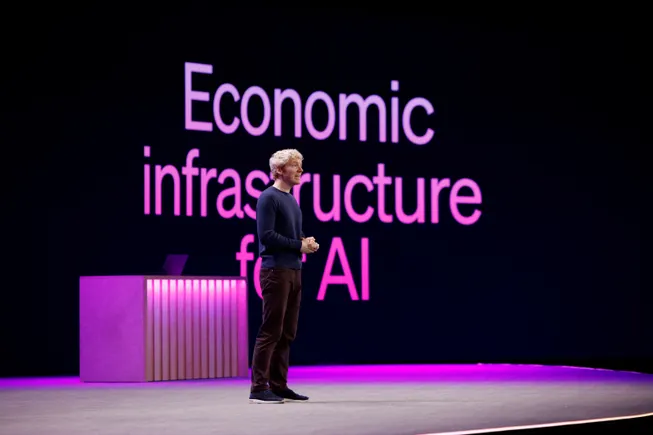
Stripe co-founder and CEO Patrick Collison has been a vocal proponent of this future, as evidenced by his discussions on agentic commerce. The x402 Foundation directly addresses this emerging demand. Imagine an AI agent tasked with optimizing a company’s cloud computing resources; it might autonomously negotiate and pay for compute cycles from different providers based on real-time pricing and performance. Or a smart home system that automatically orders and pays for groceries when supplies run low. These scenarios, once futuristic, are becoming increasingly feasible, but they hinge on the existence of a robust, standardized payment protocol for machines.
The global digital payments market is projected to continue its exponential growth, reaching trillions of dollars annually. Simultaneously, the artificial intelligence market is expanding at a compound annual growth rate (CAGR) exceeding 35%, with projections indicating a market size well over a trillion dollars within the next decade. This convergence of AI and digital payments creates an urgent need for a new foundational layer. Without a common language for AI agents to conduct financial transactions, the full potential of autonomous systems will be bottlenecked by fragmented, human-centric payment infrastructures. The complexity of the current global payment ecosystem, characterized by diverse regional regulations, multiple payment methods, and varying technical standards, further underscores the necessity of a unified approach like x402.
The Linux Foundation’s Role in Fostering Open Standards
The decision to house the x402 Foundation under the Linux Foundation is a strategic one, leveraging the organization’s proven track record as a neutral convener for critical open-source initiatives. The Linux Foundation has been instrumental in fostering collaboration across industries, facilitating the development of foundational technologies that power much of the modern digital world, from operating systems to cloud infrastructure and blockchain platforms (e.g., Kubernetes, Hyperledger).
The open-source philosophy is particularly vital for foundational infrastructure like payment protocols. Open-source development offers several key advantages:
- Transparency and Security: The code is publicly auditable, allowing a global community of developers to identify and rectify vulnerabilities, thereby enhancing security and trustworthiness.
- Interoperability: Open standards encourage broad adoption and integration across diverse platforms and systems, preventing vendor lock-in and fostering a more connected ecosystem.
- Community-Driven Innovation: A large, diverse community of contributors can accelerate development, introduce novel features, and ensure the protocol remains cutting-edge and relevant.
- Resilience and Longevity: Projects managed by neutral foundations tend to be more resilient to changes in corporate strategy or market dynamics, ensuring long-term support and maintenance.
By providing a vendor-neutral governance structure, legal framework, and administrative support, the Linux Foundation enables competing entities to collaborate effectively on pre-competitive infrastructure. This environment is crucial for building trust and achieving consensus among a diverse group of stakeholders, all of whom have a vested interest in the future of payments. The x402 Foundation will benefit immensely from this established model, convening developers, financial institutions, cloud providers, and other key players to collectively guide the protocol’s development and ensure its widespread adoption.
Chronology of Key Developments
The journey towards the x402 Foundation reflects a concerted effort to proactively address emerging challenges in the digital economy:

- Pre-April 2026: The x402 protocol originated within Coinbase, a leading cryptocurrency exchange. Lincoln Murr, Head of AI Product at Coinbase, highlighted that the protocol was initially conceived "to solve a real problem – AI agents had no native, interoperable way to pay for the things they needed to do." This internal development recognized the impending need for machine-to-machine payment capabilities long before it became a widespread industry concern.
- April 2026: The Linux Foundation publicly announced its intent to launch the x402 Foundation. This initial declaration signaled a formal commitment to bringing the protocol into the open-source domain and inviting broader industry participation. The announcement underscored the strategic importance of standardizing AI-driven payments and the Linux Foundation’s role in facilitating this crucial collaboration.
- July 17, 2026: The official launch of the x402 Foundation took place, accompanied by the revelation of its expanded roster of high-profile payment and tech players. This marked the formal establishment of the non-profit entity and the beginning of its collaborative development efforts. The announcement included the current list of members, showcasing the significant industry buy-in achieved in a relatively short period.
This initiative is not an isolated effort but rather part of a broader trend towards industry-wide collaboration on foundational digital infrastructure. Concurrently, other significant projects have emerged:
- June 30, 2026: Coinbase was also involved in another major collaboration: a group of over 140 companies, including giants like Visa, Stripe, American Express, and Klarna Group, announced their collaboration to create Open USD, a new stablecoin. This initiative aims to establish an open standard for stablecoins, with earnings from reserve assets expected to be divided among participating organizations. This move reflects a shared industry desire for standardized, transparent, and interoperable digital currency solutions.
- June 2026: The Linux Foundation further demonstrated its commitment to digital security by launching Akrites. This consortium, involving companies such as JPMorgan Chase, Citigroup, Amazon Web Services, and Google, focuses on combating sophisticated cybersecurity threats. Akrites aims to enhance the security of critical open-source software by facilitating information sharing about vulnerabilities and pooling resources to fight AI-enabled cyber threats. These parallel initiatives underscore a common thread: the growing recognition that foundational digital infrastructure, whether for payments or cybersecurity, requires a collaborative, open-source approach to ensure robustness, security, and universal adoption in an increasingly complex digital landscape.
Industry Voices and Strategic Alignment
The enthusiasm for the x402 Foundation is palpable among its members, reflecting a shared understanding of the strategic imperative to standardize AI-driven payments. Lincoln Murr’s statement about moving the protocol to the Linux Foundation, with its "dozens of members spanning every corner of internet payments and infrastructure," highlights the critical role of broad industry participation. He emphasized that this approach is "how open technology earns lasting trust across an industry," expressing anticipation for "building out x402 further with the community."
While specific statements from all member companies were not detailed in the initial brief, their participation speaks volumes about their strategic motivations:
- For Payments Processors (Stripe, Adyen, Shopify, Fiserv): Joining x402 is about future-proofing their business models. As commerce increasingly moves towards automation, these companies need to ensure their platforms can facilitate machine-to-machine transactions. By contributing to an open standard, they can expand their market reach, remain competitive, and integrate seamlessly into the evolving "agentic commerce" ecosystem, rather than being relegated to human-only transactions. Fiserv, representing traditional financial services, also signals an intent to bridge the gap between legacy infrastructure and cutting-edge digital innovations.
- For Cryptocurrency and Blockchain Firms (Coinbase, Circle): For companies deeply invested in digital assets, x402 represents an opportunity to expand the utility of cryptocurrencies and stablecoins beyond human-initiated trades. By integrating digital assets into autonomous payment protocols, they can unlock new use cases for machine-to-machine payments, potentially driving wider adoption and integration of blockchain technologies into mainstream commerce.
- For Cloud and AI Infrastructure Providers (Google, Amazon Web Services): As leaders in cloud computing and AI development, Google and AWS have a direct interest in ensuring that their AI offerings and customers have robust, standardized payment mechanisms. Their participation helps guarantee that the x402 protocol is compatible with leading cloud environments and can scale to support the demands of large-scale AI operations, further enhancing the value proposition of their own services.
Industry analysts are likely to view this collaboration as a necessary and timely response to the technological shifts underway. The fragmented nature of the existing payment landscape has long been a barrier to true global interoperability. A unified, open-source protocol for AI-driven payments could unlock significant efficiencies and drive innovation across multiple sectors. However, analysts would also caution about the inherent challenges of achieving consensus among such a diverse group of stakeholders, each with their own business interests and technical priorities. The success of x402 will depend on the foundation’s ability to navigate these complexities and foster a truly collaborative environment.
Implications for the Future of Payments and AI
The establishment of the x402 Foundation carries profound implications for the future trajectory of both the payments industry and the broader development of artificial intelligence.
Transforming Global Commerce: The most direct impact will be the accelerated shift from human-centric commerce to machine-driven transactions. This isn’t merely about faster payments; it’s about enabling entirely new business models and operational efficiencies. In B2B contexts, AI agents could manage complex supply chain payments, dynamically adjusting to real-time market conditions or contractual obligations. In the burgeoning Internet of Things (IoT) landscape, devices could autonomously pay for resources, maintenance, or data subscriptions. This "agentic commerce" promises to reduce manual overhead, increase transaction speed, and unlock unprecedented levels of automation across industries.

Enhancing Interoperability and Security: A major challenge in the current global payment system is its fragmentation. Different regions, banks, and payment providers often operate on distinct standards, leading to friction and inefficiencies. The x402 protocol, by creating a common language for AI-driven payments, aims to dramatically improve interoperability. Furthermore, by being an open-source initiative, the protocol benefits from collective scrutiny and development, potentially leading to more secure and resilient payment rails than proprietary systems. The collaborative nature means security vulnerabilities can be identified and patched more rapidly by a global community of experts, fostering a higher degree of trust.
Driving Innovation and Competition: A standardized, open protocol lowers the barrier to entry for innovators. Developers and startups can build new AI applications and services without having to navigate a labyrinth of proprietary payment APIs. This could unleash a wave of innovation, leading to novel payment solutions, AI-powered financial services, and new forms of digital commerce that are currently unimaginable. It could also intensify competition among existing payment providers, as they will need to adapt their services to integrate with or leverage the x402 standard, ultimately benefiting consumers and businesses through improved services and lower costs.
Navigating Regulatory and Ethical Landscape: The rise of autonomous payments also presents significant challenges for regulators and policymakers. Existing financial regulations are primarily designed for human-initiated transactions, with clear lines of accountability. As AI agents gain the ability to conduct transactions independently, questions of liability, fraud detection, anti-money laundering (AML), and know-your-customer (KYC) compliance will become more complex. The x402 Foundation’s work will likely inform and necessitate new regulatory frameworks to ensure transparency, accountability, and ethical governance of AI in financial transactions. Data privacy will also be a paramount concern, requiring robust measures within the protocol.
Challenges and Outlook
Despite the immense potential, the x402 Foundation faces significant hurdles. Achieving consensus among a diverse group of industry giants, each with its own legacy systems, business models, and strategic priorities, will be an ongoing challenge. Technical complexities in designing a protocol that is simultaneously secure, scalable, flexible, and universally adoptable are substantial. Ensuring global adoption will require extensive outreach, education, and integration efforts across different jurisdictions and technological ecosystems. Furthermore, addressing the evolving cybersecurity threats against autonomous systems, as highlighted by the concurrent Akrites initiative, will be paramount.
However, the collective commitment demonstrated by such a formidable group of companies, under the neutral guidance of the Linux Foundation, suggests a strong likelihood of success. The long-term vision for x402 is to establish the fundamental infrastructure for a world where AI and software agents can seamlessly and securely participate in the global economy, unlocking new levels of automation, efficiency, and innovation. The x402 Foundation is not just building a payment protocol; it is laying the groundwork for the next evolution of digital commerce.