Federal Reserve Proposes Comprehensive Regulatory Framework for Stablecoin Issuers to Bolster Financial Stability

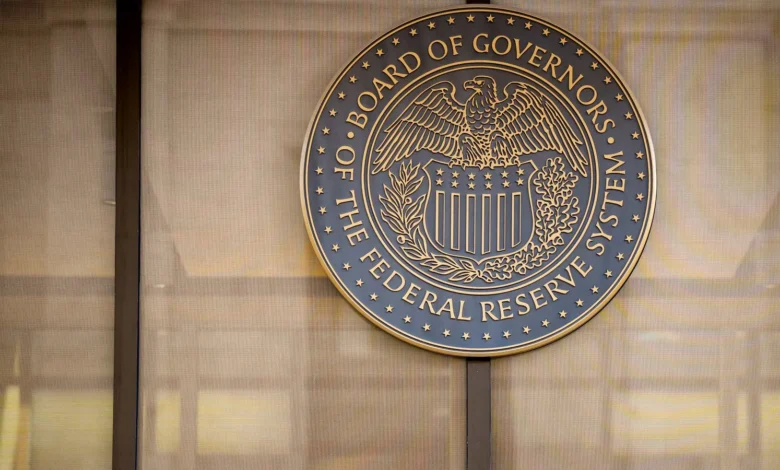
The Federal Reserve has officially unveiled its long-awaited proposal for a robust regulatory framework governing stablecoin issuers, marking a significant step toward integrating digital assets into the traditional financial system. Announced on Thursday, September 24, 2026, the proposed rules mandate that issuers maintain backing for their digital assets exclusively through high-quality, liquid assets, such as U.S. Treasury bills. Furthermore, the framework introduces a formal application and oversight process for banking institutions seeking to issue, hold, or facilitate stablecoin transactions, aiming to bridge the gap between emerging decentralized finance and established federal monetary policy.
This move comes as a direct response to the requirements set forth by the Genius Act, a legislative mandate that compelled federal financial regulators and the Treasury Department to establish comprehensive standards for stablecoins. By imposing strict capital requirements and rigorous risk management standards, the Federal Reserve intends to mitigate the systemic credit and operational risks associated with digital currencies that purport to maintain a stable value relative to fiat currency.
A Regulatory Mandate: The Genius Act Context
The regulatory activity surrounding stablecoins has intensified over the past year, largely driven by the Genius Act. The legislation was designed to address the increasing prevalence of privately issued digital assets that function as payment instruments but historically lacked the uniform oversight applied to traditional commercial banks.
Under the provisions of the Act, federal agencies were tasked with creating a consistent supervisory environment by July 2026. While the Federal Reserve is currently behind the initial statutory timeline, the depth of the proposed rules suggests an attempt to reconcile the unique technical characteristics of blockchain-based assets with the long-standing stability requirements of the U.S. banking system. The delay has been attributed to the complexity of coordinating between multiple regulatory bodies, including the Office of the Comptroller of the Currency (OCC), the Federal Deposit Insurance Corp. (FDIC), and the National Credit Union Administration (NCUA), all of which have released their own iterations of stablecoin oversight policies throughout the year.
The Fed’s Stance on Redemption and Market Stress
Federal Reserve Governor Michael Barr emphasized the necessity of the new rules during his statement on Thursday. Barr highlighted that for stablecoins to function as a viable tool for payments, they must be fundamentally reliable, particularly during periods of macroeconomic volatility.
"Stablecoins will only be stable if they can be reliably and promptly redeemed at par in a range of conditions," Barr stated. "This includes during market stress, when pressure can be put on the value of even otherwise liquid government debt, and during episodes of strain on the individual issuer or its related entities."
The proposal explicitly addresses the "run risk" inherent in digital assets. By requiring issuers to hold high-quality, liquid assets (HQLA), the Fed intends to prevent the liquidity crises that have historically plagued non-bank issuers. The regulations also establish a clear process governing appeals, hearings, and final determinations for banks applying to issue stablecoins, providing a pathway for institutional participation that is shielded by federal supervision.

Chronology of Federal Stablecoin Regulation in 2026
The following timeline illustrates the staggered rollout of regulatory proposals across the federal landscape:
- February 2026: The Office of the Comptroller of the Currency (OCC) and the National Credit Union Administration (NCUA) initiated the first wave of proposed rules, focusing on permitted payment stablecoin issuer applications for their respective supervised entities.
- April 2026: The Federal Deposit Insurance Corp. (FDIC) issued its proposal, focusing on the protection of consumer deposits and the implications of stablecoin failure on the Deposit Insurance Fund.
- August 2026: The U.S. Treasury Department released its regulatory guidelines, emphasizing the intersection of stablecoins with national anti-money laundering (AML) and countering the financing of terrorism (CFT) standards.
- September 2026: The Federal Reserve released its comprehensive proposal, detailing capital requirements and the application process for banking organizations, effectively acting as the capstone to the regulatory sequence.
As of late September 2026, no single agency has finalized its rule set, leaving the industry in a period of transition as it awaits the conclusion of the public comment periods. The Federal Reserve’s proposal will remain open for public comment for 60 days following its publication in the Federal Register.
Supporting Data and Financial Implications
The rationale for these regulations is supported by recent market data indicating the rapid growth of stablecoin circulation. Estimates suggest that stablecoins currently facilitate hundreds of billions of dollars in transaction volume daily, serving as the primary bridge for traders moving between traditional fiat and volatile cryptocurrency markets.
However, the lack of transparency regarding the quality of backing assets has historically raised concerns among systemic risk analysts. The Federal Reserve’s mandate for "high-quality, liquid assets" is intended to eliminate the reliance on commercial paper or other less-transparent corporate debt instruments that have previously characterized the portfolios of several major stablecoin issuers.

For commercial banks, the implications are profound. If a bank chooses to issue a stablecoin under these new rules, it must treat the digital asset as a balance-sheet liability, subject to liquidity coverage ratios and stress testing. This approach effectively brings stablecoins under the umbrella of traditional banking regulation, potentially increasing the cost of issuance but significantly enhancing the trust and security of the digital payment vehicle.
Analysis: Bridging the Gap to Mainstream Finance
The move by the Federal Reserve is broadly seen as a pragmatic effort to prevent the "shadow banking" of digital assets. By establishing a formal, supervised process, the Fed is signaling that it views the future of payments as a hybrid of traditional infrastructure and blockchain technology.
Industry analysts suggest that while the regulatory burden is significant, it provides the legal certainty required for large-scale institutional adoption. Without these guardrails, many financial institutions have remained on the sidelines, wary of the legal ambiguity surrounding digital currencies. By codifying the requirements for redemption and reserve composition, the Fed is essentially "blessing" the asset class for use within the regulated banking perimeter.
However, critics of the proposal argue that the strict capital requirements could limit the agility of decentralized finance (DeFi) platforms. There is a palpable tension between the desire for innovation and the mandate for consumer protection. The Federal Reserve’s emphasis on "strong guardrails" reflects a cautious approach, prioritizing the stability of the payments system over the rapid, unfettered expansion of private digital currencies.
Broader Economic Impact and Future Outlook
The long-term success of these regulations will depend on the effectiveness of the final rules once they are enacted. If the requirements are too onerous, it may drive stablecoin innovation into offshore jurisdictions, potentially diminishing the competitiveness of the U.S. fintech sector. Conversely, if the rules successfully create a safe and scalable framework, the U.S. could become a global leader in the development of regulated, dollar-backed digital assets.
The next two months will be critical, as stakeholders, including financial institutions, consumer advocacy groups, and blockchain technology developers, weigh in on the specific details of the Fed’s proposal. The comments provided during this period will likely shape the final implementation of the rules, which will ultimately dictate the future of digital asset-based payments in the United States.
As the regulatory framework approaches finalization, the broader financial sector will be closely monitoring how these rules interact with existing state-level regulations, such as those in New York, which have already attempted to set standards for stablecoin issuers. The path forward remains complex, but the Federal Reserve’s involvement represents a pivotal moment in the evolution of money and payments in the 21st century, firmly anchoring digital assets to the bedrock of federal oversight and the stability of the U.S. dollar.