Expanding the Reach of Bitcoin: A Call for Global Translators to Support Bitcoin.org

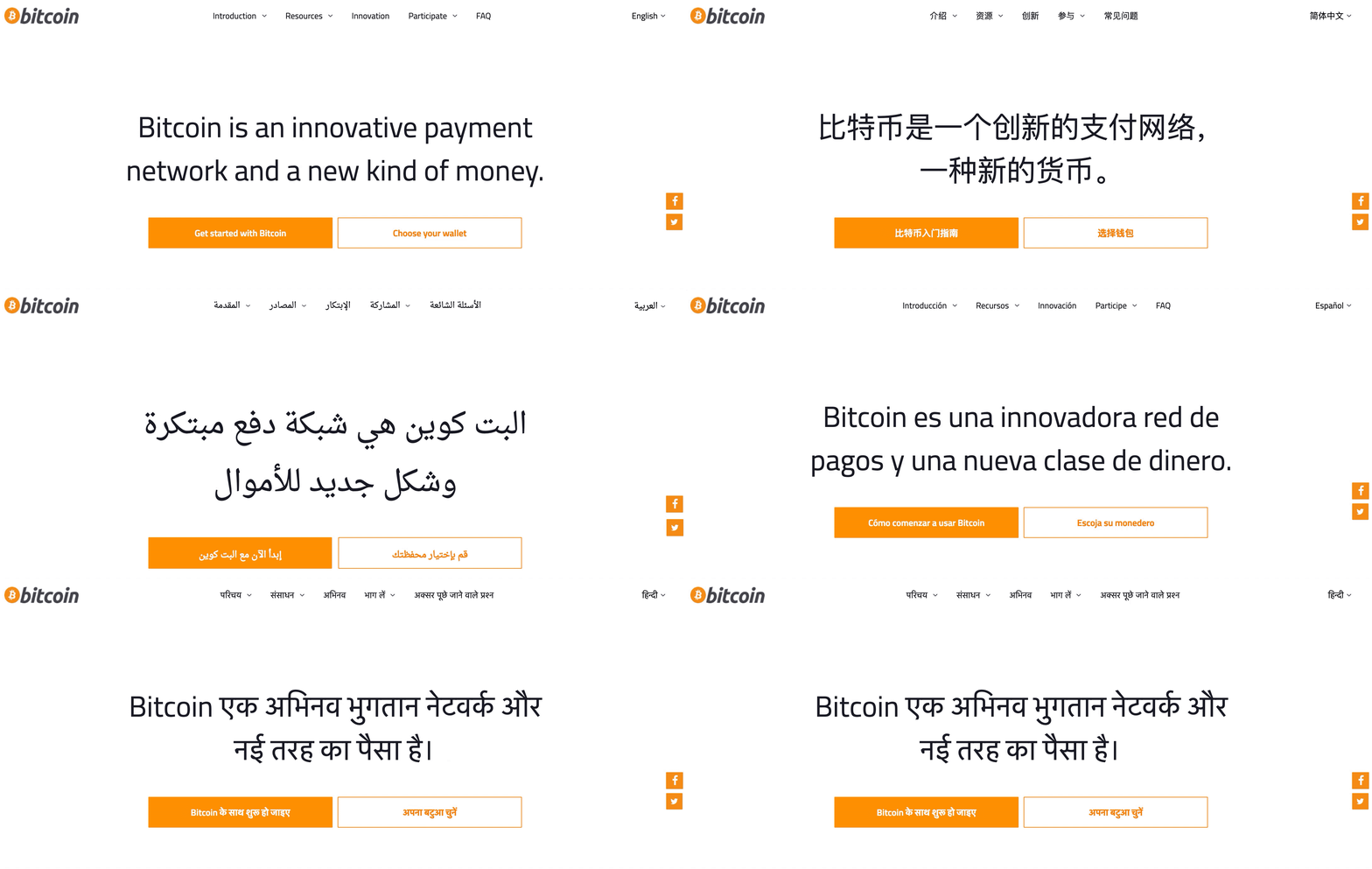
The mission to democratize access to information regarding decentralized finance requires more than just code; it requires clear, localized communication for a global audience. Bitcoin.org, the cornerstone repository of information for the Bitcoin network, has issued a renewed call for fluent and native speakers to contribute to its ongoing translation efforts. By localizing content into diverse languages, contributors play a vital role in ensuring that the fundamentals of peer-to-peer electronic cash are accessible to non-English speakers across every continent.
The Historical Significance of Bitcoin.org
To understand the importance of this translation initiative, one must first recognize the historical weight of the domain itself. Bitcoin.org was established in the project’s infancy, famously registered by Bitcoin creator Satoshi Nakamoto and early collaborator Martti Malmi. When Satoshi Nakamoto retreated from the public sphere in 2011, the guardianship of the domain was transferred to a distributed group of community members rather than a single entity or corporation. This decision was intentional, designed to mitigate the risk of centralized control or "single point of failure" risks that could jeopardize the ideological neutrality of the Bitcoin project.
Since its inception, the site has evolved from a simple landing page into a comprehensive educational resource. It is currently managed by a decentralized group of volunteers who operate under an open-source ethos. This structure mirrors the decentralized nature of the Bitcoin network itself, where authority is earned through contribution rather than granted by institutional fiat. With over 3,200 commits from approximately 180 individual contributors, the site represents a collaborative achievement in open-source documentation.
The Mechanism of Global Localization
The translation process is facilitated through Transifex, a cloud-based platform designed for managing localization projects. This workflow allows for a structured, hierarchical approach to content updates, ensuring that terminology remains consistent across different regions and languages. The localization ecosystem is divided into four distinct tiers, each with specific responsibilities:
- Team Leaders: These individuals manage the overarching strategy for specific languages, overseeing the recruitment of volunteers and ensuring that the translation quality meets the standards of the Bitcoin community. Leaders act as the primary liaison between the broader developer community and the linguistic teams.
- Coordinators: Tasked with the daily management of specific language branches, coordinators ensure that active projects remain on schedule and that translators have the necessary resources to handle complex technical jargon.
- Reviewers: Acting as the final line of quality control, reviewers perform meticulous proofreading to ensure that translations are not only grammatically correct but also culturally and technically accurate. Given that financial terminology can be highly sensitive, the role of the reviewer is critical in maintaining the integrity of the information provided to the user.
- Translators: The backbone of the operation, these contributors convert English-based technical documentation into their native tongues. Their work is the primary catalyst for the site’s current expansion, which now supports 25 languages.
Chronology of Community Governance
The governance model of Bitcoin.org has transitioned through several phases since its creation. In the early years, the site was almost exclusively maintained by core developers. As the Bitcoin user base expanded into Latin America, Asia, and the Middle East, the necessity for a multilingual portal became apparent.
By 2015, the community recognized that the rapid pace of development in the Bitcoin protocol—specifically regarding scalability discussions—outstripped the ability of a small group of English speakers to keep the documentation current. Consequently, the translation framework was formalized on Transifex. Throughout 2018 and beyond, the project saw a surge in participation, driven by the increasing global interest in cryptocurrency. The involvement of over 950 individual translators to date serves as a testament to the community’s commitment to global financial literacy.
Data-Driven Impact: Why Language Matters
The impact of localized content on user behavior is significant. Analytics consistently show that when users can navigate complex financial documentation in their native language, their comprehension of security protocols—such as wallet backups, private key management, and transaction verification—increases. In many emerging markets, where English proficiency may be limited, access to localized Bitcoin.org content is often the difference between a user safely managing their own assets and falling victim to custodial services or phishing attempts.
Supporting 25 languages is a significant milestone, but it remains a fraction of the world’s linguistic diversity. The goal is to lower the barrier to entry for the next billion users. As the Bitcoin network continues to mature, the documentation requirements grow more sophisticated, requiring translators who can bridge the gap between high-level economic theory and practical, user-facing instructions.
Challenges in Technical Translation
Translating Bitcoin-related content presents unique challenges. The terminology used—terms like "hash rate," "UTXO," "cold storage," and "segregated witness"—often lacks direct equivalents in many languages. Translators are frequently forced to decide between transliterating English terms or creating new vocabulary that conveys the same technical nuance.
This creates an ongoing requirement for collaboration between technical experts and linguists. When a translator encounters a term that does not have a standard translation in their language, they must engage with the broader Bitcoin.org community to reach a consensus. This ensures that the translation does not inadvertently change the meaning of the underlying protocol.
Institutional and Community Response
While Bitcoin.org operates independently of any central authority, its documentation is frequently cited by exchanges, financial news outlets, and educational institutions as the primary source for Bitcoin information. The efforts of the translation team are therefore not just a hobbyist endeavor; they are a service to the global financial infrastructure.
Observers within the fintech industry have noted that the open-source nature of this translation effort serves as a case study for how decentralized projects can scale their outreach without a marketing budget. By leveraging the passion of native speakers, the project achieves a level of organic growth that proprietary companies often struggle to replicate.
Implications and Future Outlook
The requirement for new contributors is perpetual. As the Bitcoin protocol undergoes upgrades and the regulatory environment shifts globally, the content on Bitcoin.org must be updated and re-translated. The project is currently seeking individuals who possess not only fluency in their native languages but also a baseline understanding of Bitcoin’s technical fundamentals.
For those interested in contributing, the process begins with the Bitcoin.org Transifex portal. Prospective volunteers are encouraged to review the existing documentation and reach out to current Team Leaders—such as those managing the BitcoinTranslations Telegram group—to align their efforts with existing project goals.
The broader implication of this work is the democratization of financial sovereignty. By removing language as a gatekeeper to information, the Bitcoin.org translation initiative facilitates the inclusion of diverse populations into the digital economy. As the project looks toward the future, the integration of new languages will remain a key metric of Bitcoin’s global adoption and its success as a borderless monetary network. The persistence of this volunteer-driven model underscores the resilience of the Bitcoin community, proving that even in a digital landscape, human collaboration remains the most essential component of infrastructure development.