A Global Repository for a Decentralized Asset
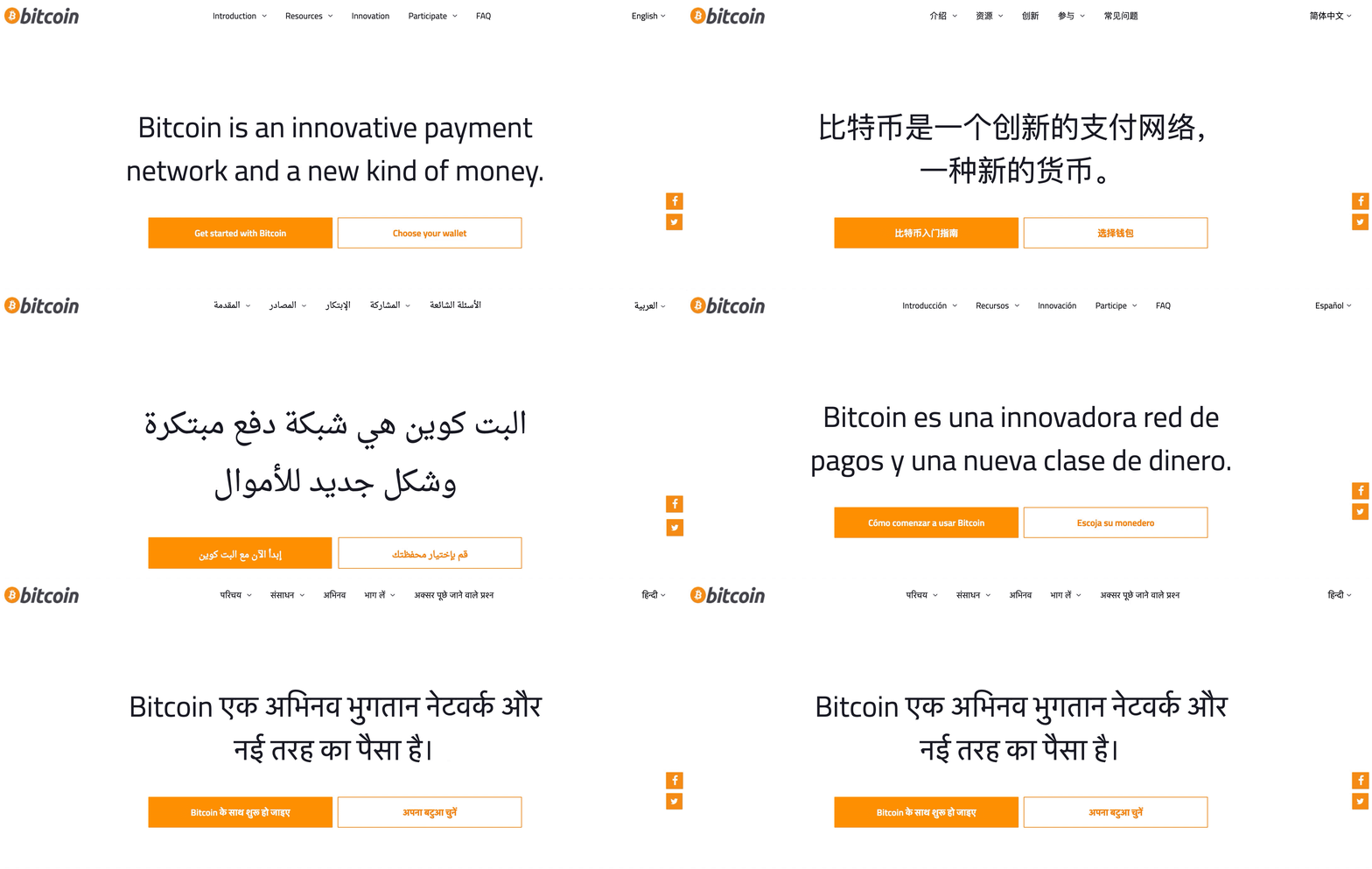
Since its inception, Bitcoin.org has served as a primary gateway for individuals seeking to understand the mechanics, history, and utility of the Bitcoin network. Originally registered by the pseudonymous creator Satoshi Nakamoto in 2008, the domain has evolved from a simple informational landing page into a complex, open-source resource library. The recent expansion is not merely a linguistic translation project; it is a strategic initiative to remove the language barrier that often prevents non-English speaking populations from engaging with digital assets.
In an era where financial inclusion is a growing concern for global economic bodies, the ability of Bitcoin.org to provide unbiased, technical, and practical documentation in over 25 languages positions it as a critical piece of infrastructure for the burgeoning cryptocurrency ecosystem. By catering to speakers of diverse languages—ranging from major world languages to regional dialects—the site ensures that the fundamentals of blockchain technology are accessible regardless of geographic or socio-economic constraints.
The Evolution of Community-Driven Translation
The roadmap toward this multilingual milestone began in earnest as the Bitcoin community recognized that the rapid adoption of digital currencies in emerging markets was often hampered by a lack of localized documentation. In 2018, the translation initiative gained significant momentum through a combination of grassroots volunteerism and targeted financial support.
A pivotal moment in this timeline was the introduction of a sponsorship program from Paxful, a peer-to-peer bitcoin marketplace. This partnership allowed the project to incentivize translators, offering bitcoin bonuses as a form of appreciation for the technical expertise and hours of manual labor required to translate complex concepts accurately. This move validated the concept of "work-to-earn" within the open-source community, where contributors are compensated directly in the currency they are helping to propagate.
The workflow for these translations is rigorous. Each contribution undergoes a peer-review process, ensuring that the terminology used in translations remains consistent with the technical standards established by the Bitcoin Core development team. This maintainer-driven model ensures that the information remains objective, preventing the infiltration of marketing bias or promotional content that frequently plagues other cryptocurrency-related websites.
Data and Infrastructure: The Open-Source Standard
Bitcoin.org operates on a repository-based model hosted on GitHub. This structure is essential to its credibility. By keeping the site open-source, the project invites thousands of commits from hundreds of individual contributors, ranging from software engineers to linguists and educators.
As of early 2019, the repository has seen extensive activity. The transparency of the platform allows any user to audit the source code, verify the translation changes, and suggest improvements. This decentralization of maintenance prevents any single entity—whether a corporation or a state actor—from exerting editorial control over the information presented. In the world of digital finance, where misinformation and fraudulent "get-rich-quick" schemes are prevalent, the commitment to providing neutral, qualitative data is a unique value proposition that distinguishes Bitcoin.org from commercial exchanges or brokerage sites.
Chronology of Expansion
- 2008: Satoshi Nakamoto registers the Bitcoin.org domain to host the original Bitcoin Whitepaper.
- 2014-2016: The platform begins transitioning to a community-governed open-source project, moving away from centralized control.
- 2017: The site undergoes a major redesign, placing a higher priority on the "Getting Started" guide and user safety resources.
- 2018: The formal translation initiative is launched, bolstered by community donations and a sponsorship from Paxful.
- February 2019: The site reaches the milestone of 25+ supported languages, with plans to include complex developer documentation in future iterations.
Implications for Global Financial Literacy
The implications of this expansion are far-reaching. For a user in a country with high inflation or restricted access to traditional banking, the ability to read about "cold storage," "private keys," and "transaction validation" in their native tongue can be the difference between financial empowerment and total loss.
Furthermore, the expansion into developer documentation scheduled for 2019 is expected to lower the barrier to entry for international software developers. By translating the complex documentation required to build on top of the Bitcoin protocol, the project effectively encourages the growth of the Lightning Network and other Layer-2 solutions in regions outside of the traditional English-speaking tech hubs.
Industry analysts observe that this localization effort aligns with the "Bitcoin ethos" of decentralization. By removing the linguistic hegemony of English in the crypto space, the project creates a more level playing field. This is not merely about user acquisition; it is about establishing a standardized vocabulary for decentralized finance across different cultures.
Institutional Responses and Community Sentiment
The initiative has been met with positive reception from the broader cryptocurrency community. Contributors argue that the success of the translation project proves that decentralized projects can sustain long-term operational success without relying on a centralized corporate structure.
"The translation project is a testament to the power of the open-source model," notes one prominent contributor. "When you provide the tools for people to participate, they do so with a level of passion that a hired marketing firm cannot replicate."
While some mainstream financial outlets have historically criticized Bitcoin for its volatility or perceived lack of consumer protection, the effort to provide high-quality, non-promotional educational material serves as a counter-narrative. By focusing on education rather than speculation, Bitcoin.org aims to cultivate a more sophisticated user base, which in turn contributes to the overall stability and long-term viability of the Bitcoin network.
Looking Toward the Future: The Roadmap Ahead
As the project moves into the remainder of 2019, the focus is shifting from simple interface translation to the technical depths of the protocol. The translation of developer-specific documentation is a significant undertaking that will require deep collaboration between linguists and core developers.
The initiative also highlights the ongoing need for continued funding. As the project expands, the costs associated with maintaining high-quality, accurate translations grow. The reliance on community donations and corporate sponsorships remains a delicate balance, as the community is wary of any influence that might compromise the site’s neutrality.
For those interested in contributing, the process remains straightforward. Bitcoin.org maintains clear guidelines for potential translators, encouraging those who are fluent in both English and their native tongue to submit pull requests. This invitation underscores the democratic nature of the platform: it is a site built by the users, for the users.
Conclusion: A Foundation for Global Adoption
The success of Bitcoin.org in reaching this 25-language milestone is more than a technical achievement; it is a social one. By providing the foundational knowledge of the world’s first decentralized currency in a multitude of languages, the project ensures that the benefits of Bitcoin are not restricted by geography.
As the digital currency landscape continues to evolve, the role of reliable, neutral, and multilingual educational resources will only become more critical. Bitcoin.org’s commitment to these principles establishes a benchmark for how decentralized projects should communicate with the world. Whether one views Bitcoin as a hedge against inflation, a technological breakthrough, or a new form of digital money, the availability of accurate information is the essential first step toward meaningful adoption. Through the collective effort of hundreds of volunteers, the message of Bitcoin is reaching corners of the globe that were previously unreachable, ensuring that the next chapter of financial innovation is truly global in scope.
Related posts: