Brazil and the Illusion of Economic Invulnerability: Why Fiscal Realities Still Threaten Lula’s Third Term

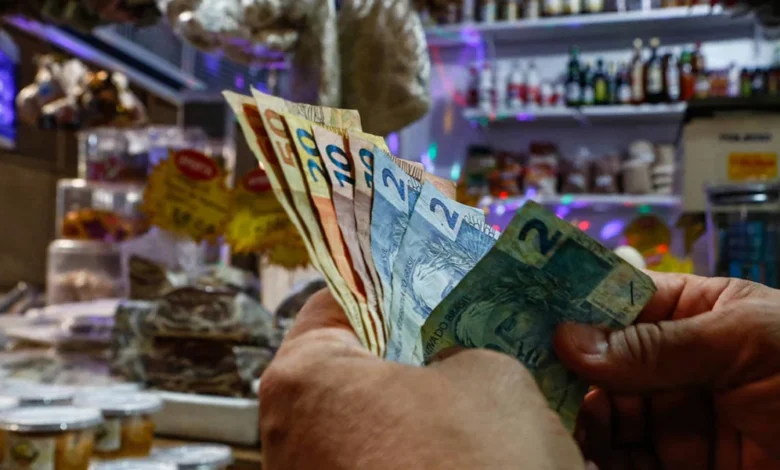
LONDON — Brazil’s resilience to external shocks has long been a source of confidence for international investors. Armed with a flexible floating exchange rate, substantial foreign-exchange reserves, robust commodity export channels, and a public debt structure denominated predominantly in its domestic currency, Latin America’s largest economy appears structurally insulated from the harrowing balance-of-payments crises that historically plagued emerging markets. Yet, as macroeconomic data from late 2026 demonstrates, external safety does not equate to domestic immunity. Continued fiscal deterioration under the administration of President Luiz Inácio Lula da Silva is imposing severe structural costs at home, threatening to once again derail the nation’s long-term economic potential.
For generations, Brazil has struggled with a chronic economic phenomenon that locals colloquially describe as the voo de galinha—the flight of a chicken. It is a vivid metaphor for a country characterized by exceptional natural-resource endowments and immense economic promise, yet defined by brief, erratic bursts of growth followed by inevitable, gravity-defying descents back to stagnation. As President Lula navigates his consequential third term following his historic return to power, structural anxieties are mounting. Observers warn that the administration’s expansionist fiscal trajectory risks perpetuating this cycle, raising the specter of another profound letdown for a nation perpetually poised on the brink of greatness.
Main Facts and the Current Economic Landscape
The core challenge facing Brazil today is not an impending shortage of foreign currency or an inability to service external obligations. Rather, it is a domestic fiscal imbalance driven by structural rigidities, rising public expenditures, and an unwillingness to enact fundamental reforms.
While Brazil’s central bank maintains a vigilant posture, balancing inflationary pressures with high benchmark interest rates, the fiscal side of the ledger continues to deteriorate. The primary deficit targets established under the current administration have faced persistent skepticism from financial markets. Investors and rating agencies have repeatedly noted that expanding social programs, combined with mandatory government spending formulas tied to minimum wage increases and pension adjustments, severely constrain fiscal maneuvering room.
Despite robust trade surpluses fueled by high global demand for agricultural commodities, iron ore, and energy products, the strengthening of the trade balance has been insufficient to offset the hemorrhage caused by public sector overspending. This divergence has forced domestic monetary authorities to keep interest rates elevated for longer than anticipated, crowding out private investment and creating a high-cost operating environment for domestic businesses.
Historical Chronology and Background Context
To understand Brazil’s current economic crossroads, it is essential to examine the historical trajectory of the nation’s macroeconomic policy framework over the past two decades.
The Commodity Boom and Initial Lula Years (2003–2010)
During Lula’s first two presidential terms, Brazil benefited immensely from a historic global commodity supercycle. Driven largely by rapid industrialization and urbanization in China, demand for Brazilian soybeans, iron ore, and oil skyrocketed. This external windfall allowed the government to finance ambitious social inclusion programs—most notably the Bolsa Família conditional cash transfer initiative—while simultaneously accumulating substantial foreign-exchange reserves and reducing external debt vulnerabilities. Growth rates peaked, poverty declined significantly, and Brazil emerged as a darling of global emerging-market investors.
The Dilma Rousseff Era and the Great Recession (2011–2016)
The structural vulnerabilities masked by the commodity boom were laid bare during the presidency of Dilma Rousseff. A sharp downturn in global commodity prices, compounded by aggressive state-directed intervention in credit and pricing markets (known as the "New Economic Matrix"), eroded fiscal discipline. By 2015 and 2016, Brazil experienced one of the worst recessions in its modern history, accompanied by massive political corruption scandals (Operation Car Wash) and plunging investor confidence.
The Reform Era and Pandemic Shock (2017–2022)
Following the impeachment of Rousseff and subsequent administrations, policymakers attempted to institutionalize fiscal restraint. The introduction of the federal spending cap in 2016 represented a significant effort to anchor public expenditures. Although the COVID-19 pandemic necessitated emergency fiscal expansion in 2020, subsequent recovery efforts under former President Jair Bolsonaro and Economy Minister Paulo Guedes prioritized privatization, administrative modernization, and structural economic adjustments.
Lula’s Return and Fiscal Realignment (2023–2026)
Upon reclaiming the presidency in January 2023, Lula signaled a decisive departure from strict austerity. The administration replaced the federal spending cap with a more flexible fiscal framework designed to allow public investment to grow alongside revenues. However, revenue projections have frequently fallen short of ambitious spending commitments, leading to widening fiscal deficits and renewed market anxiety regarding medium-term debt sustainability.
Supporting Data and Macroeconomic Indicators
A granular examination of Brazil’s key economic indicators reveals the dual nature of its current standing: external strength contrasted with domestic fiscal strain.
- Foreign-Exchange Reserves: Brazil maintains a formidable cushion of international reserves, consistently hovering above $350 billion. This substantial buffer provides the Central Bank of Brazil (Banco Central do Brasil) with ample capacity to intervene in foreign exchange markets to curb excessive volatility in the Brazilian real (BRL).
- Debt Composition: Unlike the debt crises of the 1980s and 1990s, when emerging market obligations were denominated heavily in US dollars, approximately 85% to 90% of Brazil’s public debt is denominated in local currency. This significantly mitigates default risks associated with currency depreciation.
- Fiscal Deficit: Projections for the consolidated public sector primary deficit have remained a persistent point of contention. Despite efforts by the Ministry of Finance to introduce revenue-enhancing measures, the primary deficit has lingered at elevated levels, pushing gross general government debt upward toward 80% of Gross Domestic Product (GDP).
- Interest Rate Environment: To combat stubborn core inflation driven by domestic demand and fiscal stimulus, the Monetary Policy Committee (Copom) has maintained the benchmark Selic rate at restrictive levels, directly increasing the servicing costs on domestic public debt.
Official Responses and Stakeholder Reactions
The divergence between fiscal policy and monetary stability has generated intense debate among government officials, central bankers, and private sector economists.
Fernando Haddad, Brazil’s Minister of Finance, has repeatedly defended the government’s fiscal strategy, emphasizing a commitment to bridging the gap between revenue generation and public expenditure. Haddad’s team has introduced a series of targeted tax adjustments, efforts to close corporate tax loopholes, and initiatives designed to enhance tax compliance. In official communications, the Ministry of Finance maintains that sustainable social development cannot be achieved without addressing historical inequalities, framing fiscal expansion as an investment in human capital rather than reckless spending.
Conversely, the Central Bank of Brazil, operating with institutional autonomy, has adopted a markedly more cautious tone. In consecutive monetary policy statements, central bank leadership has underscored the risks that persistent fiscal expansion poses to inflation expectations. The monetary authority has consistently signaled that fiscal slippage complicates the disinflation process, forcing interest rates to remain higher for a protracted period and directly transmitting the cost of fiscal laxity to consumers and businesses.
International financial institutions, including the International Monetary Fund (IMF) and major credit rating agencies, have echoed these concerns. While acknowledging Brazil’s robust institutional framework and deep domestic capital markets, rating agencies have issued cautious assessments, warning that without credible, legally binding commitments to long-term expenditure containment, sovereign credit ratings could face downward pressure.
Broader Impact and Implications
The ongoing tension between Lula’s ambitious social agenda and fiscal reality carries profound implications for Brazil’s economic future and its standing within the global economy.
Domestic Costs and Investment Chilling
The immediate domestic consequence of fiscal deterioration is the persistence of high borrowing costs. When the government competes with the private sector for domestic savings to finance its deficit, it drives up interest rates across the economy. This dynamic suppresses corporate capital expenditures, dampens consumer durable goods purchases, and slows job creation in key sectors such as manufacturing and construction. Middle-class households bear the brunt of this environment through elevated credit card, mortgage, and auto loan rates.
Long-Term Growth Prospects
By failing to secure a durable fiscal anchor, Brazil risks perpetuating the very cycle of stunted economic performance that has defined its modern history. Infrastructure investment—crucial for lowering logistical costs in an agrarian and industrial powerhouse—often faces budgetary cutbacks when governments are forced to scramble for short-term fiscal adjustments. Consequently, productivity growth remains stagnant, limiting potential GDP growth to modest levels that fall well short of what is required to lift millions sustainably out of poverty.
Geopolitical and Regional Standing
As the largest economy in South America, Brazil serves as a vital anchor for regional trade and stability. A domestic economic slowdown or financial volatility within its borders inevitably ripples across Mercosur and neighboring economies. Furthermore, as Brazil seeks to assert leadership in global multilateral forums—advocating for reformed global governance, environmental cooperation, and South-South trade—its domestic economic credibility remains its primary diplomatic currency. A perceived lack of fiscal control diminishes its leverage in international negotiations and dampens foreign direct investment inflows.
Conclusion
Brazil remains a nation of breathtaking contrasts. Its structural strengths—deep financial markets, a floating currency, vast foreign reserves, and an unrivaled natural resource base—ensure that it is exceptionally well-protected against external balance-of-payments crises. Yet, the persistent domestic friction caused by fiscal deterioration under President Lula da Silva highlights a sobering truth: external resilience is no substitute for internal discipline.
Unless policymakers forge a credible consensus on long-term structural spending reform, Brazil is destined to remain trapped in its cyclical pattern of brief economic ascents followed by disappointing descents, leaving its immense potential perpetually unfulfilled.