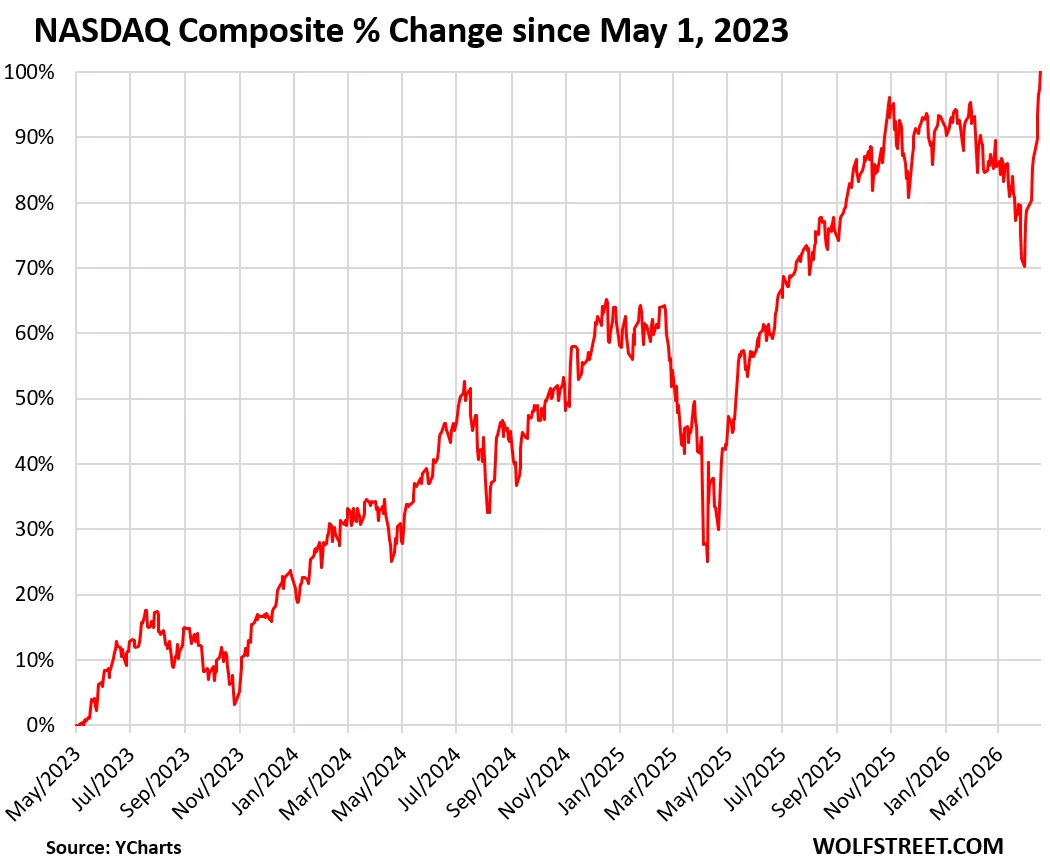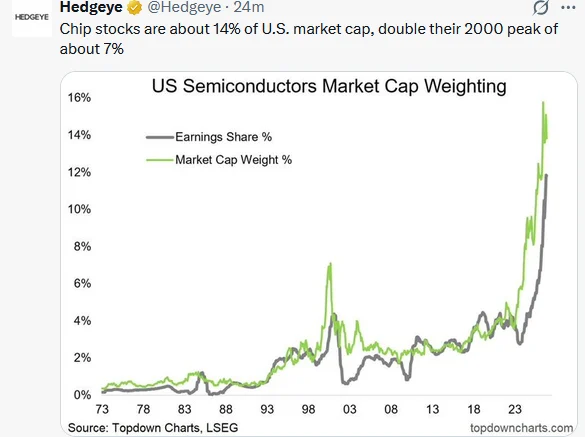
According to recent prime brokerage data from Goldman Sachs, institutional hedge funds slashed their technology sector exposures in mid-October at a velocity not witnessed since 2016. This sharp, coordinated institutional pullback has served as the primary catalyst behind the recent weakness in the Nasdaq 100 index, which recently suffered its most punishing trading week since April 2025. Furthermore, Goldman Sachs metrics indicate that global artificial intelligence (AI) equities have completely surrendered every single dollar of net capital accumulation that hedge funds had compiled since early 2025. While casual market observers might interpret this aggressive liquidation as a definitive sign that institutional players are bracing for a prolonged structural downturn, a granular examination of the underlying portfolio metrics suggests a far more nuanced reality.

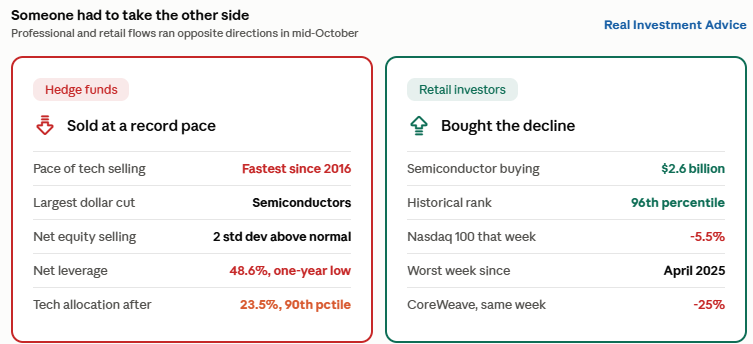
Despite the record pace of recent liquidations, technology shares continue to occupy a formidable 23.5% of Goldman Sachs’ global prime brokerage book. This allocation places the sector firmly in the upper 90th percentile measured over a five-year historical horizon. Consequently, analysts emphasize that while the total volume of technology holdings remains exceptionally high, the true narrative lies within the sudden acceleration of position reductions. Accompanying this shift, hedge fund net leverage compressed to a one-year trough of 48.6%. This drop implies that institutional managers have strategically adopted a defensive operational posture—trimming overall financial leverage while intentionally retaining core structural exposure to bellwether technology equities.
This crucial distinction separates standard risk management from wholesale market capitulation. Executing record-setting sales from an elite 90th-percentile starting allocation does not signal a panicked exit from the asset class; rather, it represents a historically crowded trade becoming marginally less congested. On one hand, ample headroom remains for institutional sellers to accelerate deleveraging should fundamental AI financing models experience further deterioration. On the other hand, this tactical recalibration provides hedge funds with the dry powder necessary to rebuild leverage and scale back into the technology sector once macroeconomic conditions stabilize.
The Divergence Between Institutional Caution and Retail Aggression
While Wall Street institutions systematically reduced their risk profiles, retail market participants—historically categorized by institutional desks as the "dumb money"—moved in the exact opposite direction. During the exact same week that hedge funds engaged in aggressive semiconductor liquidations, retail investors injected an astounding $2.6 billion into semiconductor equities alone. Measured against historical baselines, a $2.6 billion retail inflow represents a remarkable 96th-percentile reading.
Historically, market tradition dictates that when institutional professionals abandon a crowded consensus trade and retail investors step in to absorb the resulting supply, the dynamic serves as a classic bearish reversal signal. However, recent market cycles have challenged this long-held dogma. In numerous instances throughout the post-pandemic era, retail participants operating through digital brokerages have consistently found themselves positioned on the correct side of major sector rotations, frequently outperforming institutional consensus during periods of high market volatility.
Corporate Earnings Resilience and Historical Seasonality
The broader macroeconomic and fundamental backdrop provides vital context for navigating these competing market flows. FactSet reporting metrics indicate that roughly 24% of S&P 500 components have reported third-quarter results, with an impressive 83% outperforming consensus earnings-per-share (EPS) estimates. This performance easily outpaces the five-year historical average beat rate of 78%, pushing blended Q3 earnings growth to a robust 29.5%.
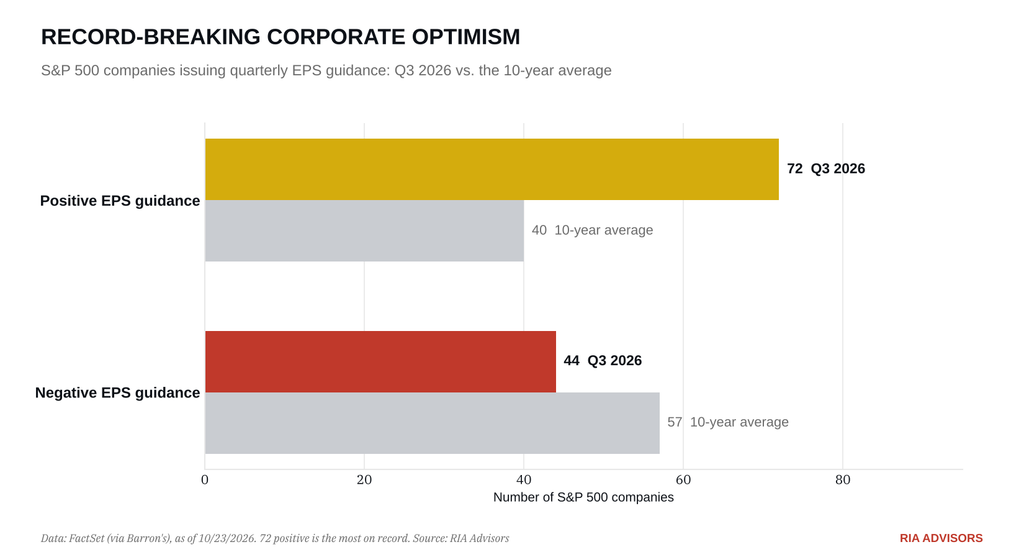
Even more telling is the unprecedented shift in corporate forward guidance. A record 72 companies issued positive EPS guidance for the ongoing quarter, crushing the ten-year historical average of 40 upward revisions. Conversely, only 44 corporations lowered their forecasts, well below the standard norm of 57. The primary caveat within these reports centers on the magnitude of the earnings beats; the aggregate surprise factor sits at a modest 2.1%, falling short of the five-year average of 7.5%. This compression suggests that Wall Street analysts have finally closed the gap, accurately aligning their consensus estimates with ongoing corporate realities.
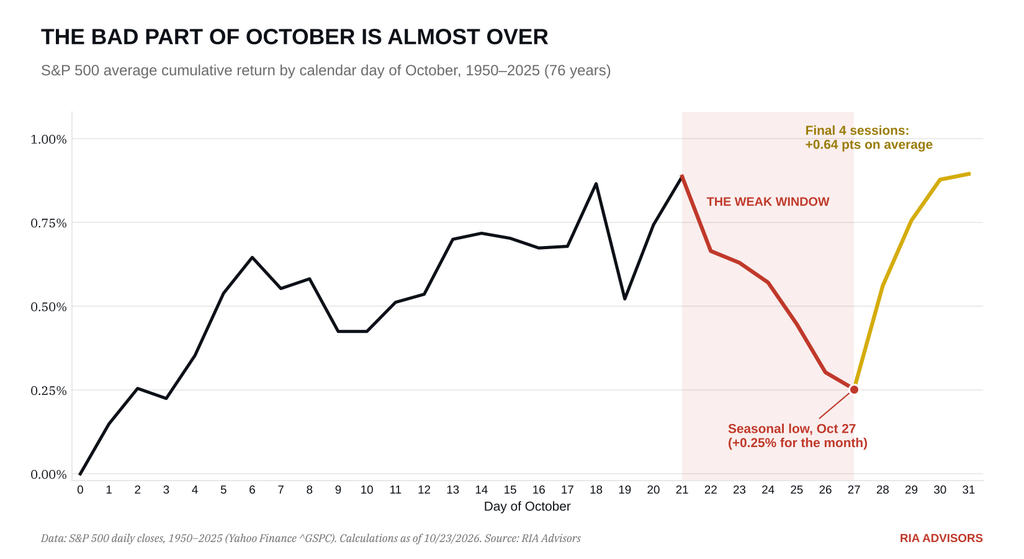
Seasonality trends further reinforce the bullish thesis as the market transitions toward the final months of the calendar year. Historical S&P 500 performance data compiled since 1950 reveals that the stretch between October 21st and October 27th historically marks the weakest seasonal window of the entire month. During this specific timeframe, the benchmark index typically surrenders roughly 70% of its cumulative October gains, invariably carving out a cyclical low near the end of the month before the final four trading sessions engineer a complete recovery and net advance.
The current market environment adhered to this historical script with remarkable precision. The S&P 500 retreated 1.7% from its October 21st close of 7,757 down to Friday’s finish at 7,623.68, successfully resting on its crucial 100-day moving average at 7,605. Looking past this tactical dip, historical statistics heavily favor the equity bulls through December 31st. Since 1950, the S&P 500 has generated an average return of 3.94% during the final two months of the year, finishing in positive territory 82% of the time.
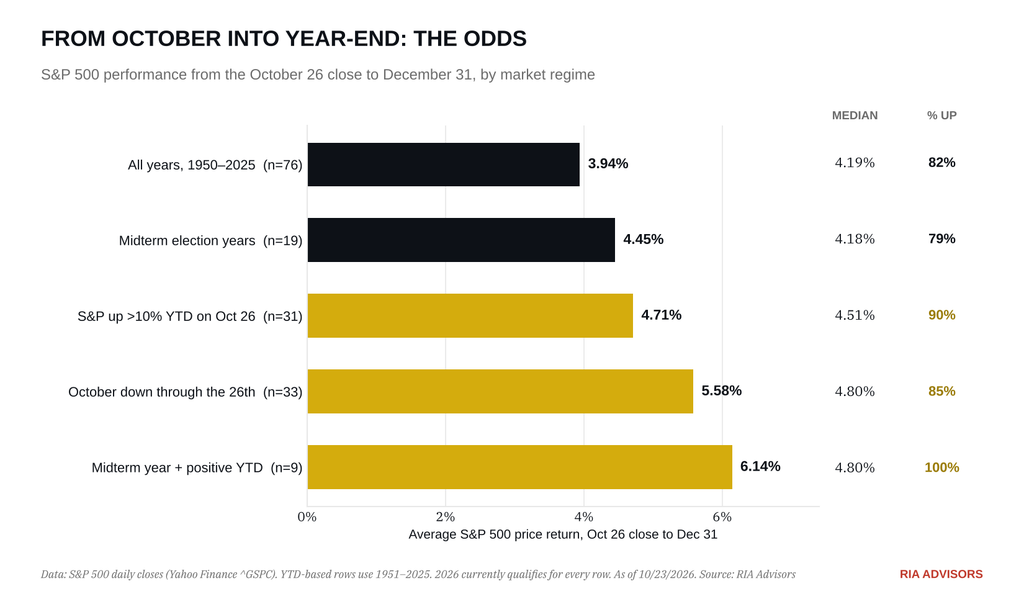
Furthermore, structural characteristics unique to the current calendar year amplify these historical odds. Operating within a midterm election cycle, alongside a year-to-date market gain of 11.4% and a mildly negative month-to-date October performance, historically pushes the average post-October return into a range of 4.5% to 5.6%. In fact, looking strictly at prior midterm election years that featured positive year-to-date returns, the S&P 500 has posted positive year-end finishes in 100% of those historical instances.
Macroeconomic Headwinds and Federal Reserve Policy Risks
Despite overwhelmingly favorable historical seasonality and resilient corporate earnings, financial analysts caution that statistical averages should never be misconstrued as absolute forecasts. The worst historical performance during this year-end window occurred in 1973, which saw a steep 12.4% market correction. A more structurally relevant modern parallel is 2018—another midterm election year—where the Federal Reserve aggressively tightened monetary policy into a rising bond yield environment, generating a 5.7% decline over the same calendar span.

With the Federal Open Market Committee (FOMC) convening for its scheduled two-day policy meeting and the benchmark 10-year Treasury yield hovering near the critical 5.0% threshold, the persistent risk of central bank over-tightening demands intense vigilance from portfolio managers. Market participants await the official FOMC rate decision and subsequent press conference, alongside critical high-profile corporate earnings reports from mega-cap technology leaders, to determine whether key technical support levels will hold.
Sector Rotation Dynamics: Healthcare Gains Traction While Energy and Tech Flux
Away from the primary indices, underlying sector rotation dynamics continue to evolve at a rapid pace. Just weeks ago, the technology sector dominated the upper echelons of quantitative screening models, boasting absolute and relative strength scores in the 80s and low 90s. Today, capital has dramatically shifted. Driven by defensive positioning and an escape from technology volatility, the healthcare sector has surged into severely overbought territory.
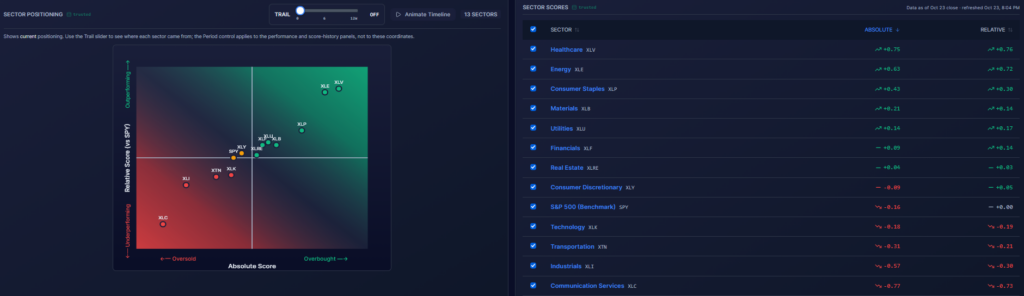
Unlike cyclical growth sectors, healthcare equities offer a defensive profile characterized by low sensitivity to interest rate fluctuations and broader economic growth cycles. This makes healthcare the preferred sanctuary for institutional and retail capital fleeing technology. Meanwhile, interest-rate-sensitive sectors such as utilities, consumer staples, and real estate continue to trade near fair value, constrained by elevated borrowing costs and lingering uncertainty regarding the trajectory of the bond market rally.
Conversely, the energy sector remains locked in overbought territory, heavily influenced by geopolitical risk premiums stemming from ongoing military conflicts in the Middle East. Financial analysts caution that any durable, formalized peace agreement in the region could trigger a swift reversal in energy equities, threatening to send the sector tumbling toward the bottom-left quadrant of relative rotation graphs.
The Artificial Intelligence Debate: Timing Versus Correctness
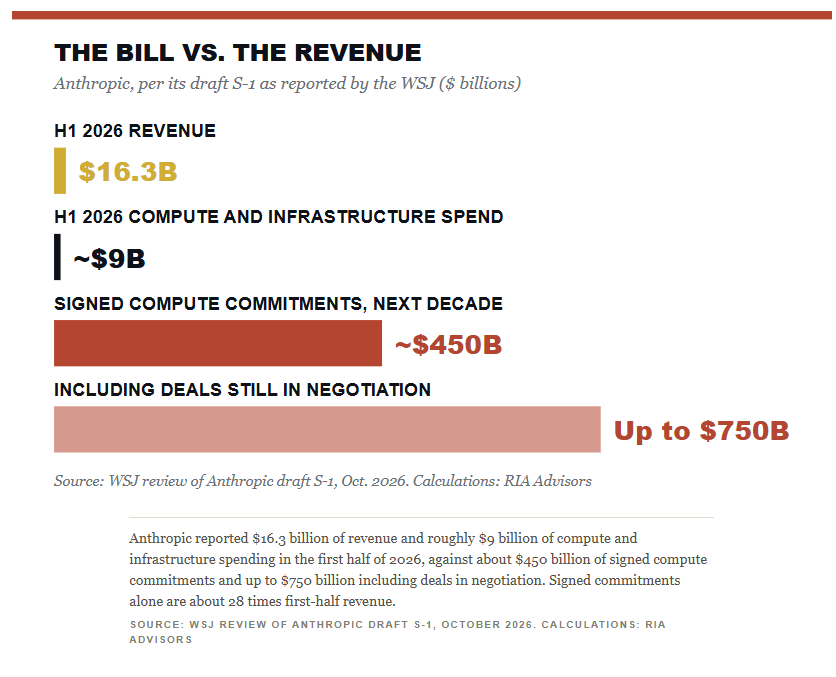
At the core of the ongoing market debate lies the sustainability of the artificial intelligence boom. Prominent institutional figures, such as Citadel founder Ken Griffin, have publicly asserted that global markets are "almost certainly" operating inside an asset bubble driven by excessive artificial intelligence speculation. While Griffin’s structural assessment of capital deployment versus near-term revenue generation aligns with cautious macroeconomic theory, experienced market practitioners emphasize a timeless Wall Street adage popularized by legendary investor Howard Marks: "Being right, and being early, is the same thing as being wrong."
History is replete with brilliant macroeconomic analysts who correctly identified major structural bubbles years ahead of their actual inflection points, only to destroy client capital by positioning their portfolios prematurely. For active asset managers and individual investors alike, the primary challenge is not debating the ultimate validity of Griffin’s bubble thesis, but rather determining actionable portfolio strategies capable of generating returns while both speculative enthusiasm and foundational innovation coexist, potentially for years to come.

As the financial markets navigate the convergence of Federal Reserve policy decisions, third-quarter corporate earnings releases, and shifting institutional leverage, discipline remains paramount. Technical levels, such as the S&P 500’s 100-day moving average, serve as definitive lines in the sand. Maintaining rigorous risk management protocols and respecting prevailing market tape dynamics will ultimately dictate portfolio survival through the final stretch of the year.
Related posts: