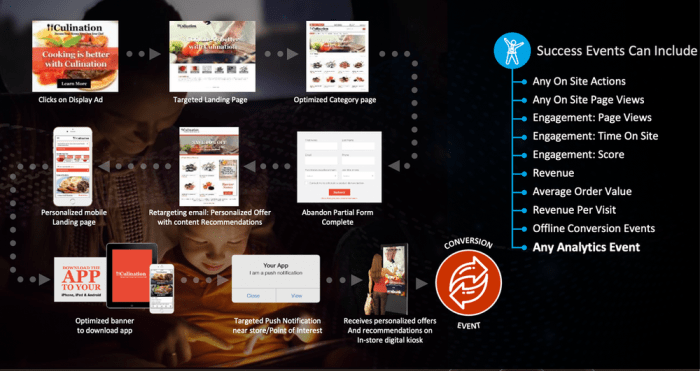
Adobe Target consulting for smarter personalization sets the stage for a deep dive into crafting personalized customer experiences. This exploration will uncover the power of Adobe Target in transforming businesses through targeted strategies, leading to improved customer engagement and ultimately, increased revenue.
We’ll examine various personalization strategies, from understanding different types to building personalized customer journeys. The importance of data-driven insights and meticulous measurement will be highlighted, alongside future trends shaping the personalization landscape. Prepare to gain actionable insights on how to leverage Adobe Target’s capabilities for optimal results.
Introduction to Adobe Target Consulting
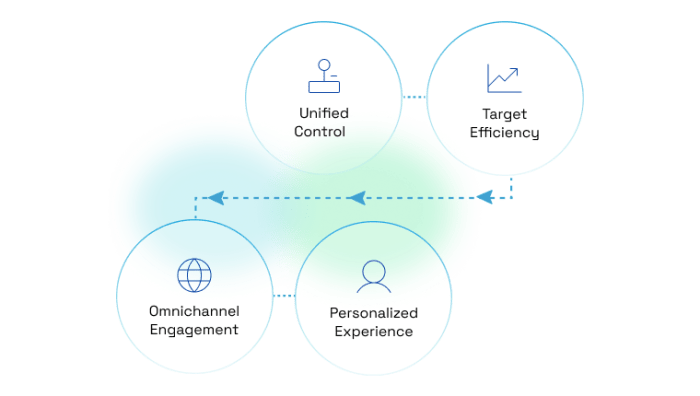
Adobe Target is a powerful digital experience platform that empowers businesses to personalize their online interactions with customers. It allows for the dynamic delivery of targeted content and offers, tailoring the user experience to individual preferences and behaviors. Essentially, Target enables companies to create a truly customized online experience, rather than a one-size-fits-all approach.Adobe Target consulting firms specialize in leveraging this platform to optimize user journeys and maximize conversions.
These firms offer expert guidance in areas like strategy development, implementation, and ongoing management of Adobe Target campaigns. They work with businesses to define specific personalization goals, identify target audiences, and implement tailored strategies to achieve those goals. This includes analyzing data, creating targeted experiences, and ensuring the seamless integration of Target with other marketing tools.
Importance of Personalization in Today’s Digital Landscape
Personalization is no longer a luxury but a necessity in today’s digital environment. Customers expect a tailored experience that caters to their individual needs and preferences. Businesses that fail to personalize risk losing customers to competitors who are effectively leveraging the power of data-driven personalization. Personalized experiences lead to increased customer engagement, higher conversion rates, and improved brand loyalty.
This is a key factor for success in a highly competitive marketplace.
Adobe Target consulting helps craft smarter personalization strategies, but truly maximizing impact often hinges on seamless data integration. This is where integrating Salesforce CRM with walnut demo automation software comes in handy, helping you better understand your customer journey. By leveraging that kind of data integration, you can further refine your Adobe Target campaigns for truly personalized customer experiences.
This deep understanding will lead to more effective marketing efforts, ultimately boosting conversions. Check out our guide on integrating Salesforce CRM with walnut demo automation software for more details.
Successful Personalization Strategies, Adobe target consulting for smarter personalization
Numerous businesses have successfully implemented personalization strategies using Adobe Target. A prime example is a retail company that used Target to tailor product recommendations based on past purchase history and browsing behavior. This resulted in a 20% increase in average order value. Another example is a travel agency that utilized Target to dynamically adjust pricing and offers based on real-time demand and customer preferences.
Adobe Target consulting is all about crafting personalized experiences, but knowing your target audience is key. A great example of this is the Top Tip Tuesday website, designed specifically for their target market. This well-targeted approach shows how understanding your audience can lead to more effective campaigns. Ultimately, effective Adobe Target consulting relies on deep audience insights to drive real results.
This led to a significant boost in booking conversions.
Key Benefits of Adobe Target Consulting
| Benefit | Explanation | Example | Impact |
|---|---|---|---|
| Improved Conversion Rates | Consulting firms help optimize campaigns for higher conversions through data-driven strategies, identifying pain points in the customer journey, and tailoring content to specific user segments. | A consulting firm guides a company in A/B testing different landing page designs, leading to a 15% increase in conversion rates. | Increased revenue and profitability by effectively driving customers to desired actions. |
| Enhanced Customer Engagement | Consultants design personalized experiences that resonate with individual customers, leading to higher levels of engagement and loyalty. | A consulting firm implements a personalized email marketing campaign that results in a 30% increase in open rates. | Stronger customer relationships and improved brand perception. |
| Data-Driven Optimization | Consulting firms use data analytics to identify patterns and trends, allowing for continuous improvement and refinement of personalization strategies. | Consultants analyze website analytics to pinpoint areas where customers drop off, then tailor the user experience to address these issues. | Improved ROI by optimizing marketing spend and focusing on high-impact strategies. |
| Reduced Marketing Costs | By implementing efficient and targeted campaigns, consulting firms help businesses get the most out of their marketing budget, eliminating wasted spend on irrelevant campaigns. | A consulting firm helps a company refine their marketing budget by targeting specific customer segments with relevant offers, reducing wasted spend by 10%. | Increased efficiency and better return on investment. |
Understanding Personalization Strategies: Adobe Target Consulting For Smarter Personalization
Personalization is no longer a luxury, but a necessity in today’s competitive market. Understanding the different types of personalization strategies and how to implement them effectively is crucial for businesses seeking to enhance customer engagement and drive conversions. Adobe Target plays a vital role in empowering businesses to deliver personalized experiences across various channels.
Different Types of Personalization Strategies
Personalization strategies can be categorized into various approaches, each tailored to specific customer needs and behaviors. These strategies leverage different data points to deliver targeted experiences. Choosing the right strategy depends on the specific business goals and the type of customer interaction being addressed.
- Behavioral Personalization: This strategy focuses on understanding customer actions and interactions with a brand. It analyzes browsing history, purchase patterns, and other behaviors to predict future needs and preferences. For instance, a customer who frequently purchases hiking gear might receive recommendations for related products or special offers on outdoor apparel. This approach relies heavily on data analysis and machine learning algorithms to understand user behavior and tailor content accordingly.
A well-executed behavioral personalization strategy can significantly increase customer lifetime value.
- Demographic Personalization: This strategy uses demographic data such as age, gender, location, and income to tailor experiences. For example, a company might offer different product recommendations to customers in different age groups or target advertisements based on location. This approach can be effective in targeting specific groups but needs careful consideration to avoid stereotyping or creating negative perceptions.
- Contextual Personalization: This strategy considers the context of the customer interaction. Factors like time of day, device used, and location are used to provide relevant and timely content. A news website might display different articles based on the user’s location or time of day. This strategy aims to provide highly relevant and timely content, increasing user engagement and satisfaction.
Adobe Target and Personalization
Adobe Target is a powerful platform that facilitates all three types of personalization strategies. It allows businesses to segment their audience, define rules for personalization, and deliver tailored content and offers based on the selected criteria. Using Adobe Target, businesses can create dynamic content that changes based on real-time user behavior. This agility ensures that experiences are relevant and engaging at every touchpoint.
Comparison of Personalization Approaches
Different personalization approaches have distinct strengths and weaknesses. Behavioral personalization, for example, is often more sophisticated and effective in predicting future needs, but it requires a substantial amount of data and sophisticated algorithms. Demographic personalization is simpler to implement, but it may not be as effective in addressing individual customer needs. Contextual personalization offers a blend of both, leveraging real-time context to deliver relevant experiences while not necessarily requiring deep behavioral analysis.
Personalization Use Cases Across Industries
Personalization is not limited to any specific industry. Retailers can offer product recommendations based on past purchases and browsing history, improving customer experience and driving sales. E-commerce businesses can use contextual personalization to display relevant product information on mobile devices. Financial institutions can provide tailored financial advice based on individual customer needs and circumstances.
| Strategy | Description | Target Audience | Example Implementation |
|---|---|---|---|
| Behavioral | Personalization based on past actions and behaviors. | Customers with established purchase history. | Recommending similar products to customers who purchased a specific item. |
| Demographic | Personalization based on demographic characteristics. | Customers categorized by age, gender, location. | Offering different product bundles based on age group. |
| Contextual | Personalization based on current context. | Customers interacting with the website/app. | Displaying relevant content based on device or time of day. |
Building a Personalized Customer Journey
Crafting a personalized customer journey is crucial for modern businesses. It’s about understanding individual customer needs and tailoring interactions to maximize engagement and drive conversions. A well-executed personalized journey fosters loyalty, strengthens brand perception, and ultimately boosts profitability. By leveraging tools like Adobe Target, businesses can move beyond generic messaging and create experiences that resonate deeply with each customer.Understanding individual customer needs and desires allows for the development of targeted and relevant interactions, increasing engagement and conversions.
This targeted approach, facilitated by Adobe Target, can significantly enhance customer loyalty and brand perception.
Steps in Creating a Personalized Customer Journey with Adobe Target
A personalized customer journey isn’t a one-time event; it’s an ongoing process. It involves several key steps, each crucial for creating a seamless and engaging experience. These steps, when implemented effectively, allow for a tailored approach that caters to the specific needs and preferences of individual customers.
- Define customer segments based on demographics, behavior, and purchase history. Clear segmentation is vital for effective targeting. By understanding the characteristics of different customer groups, businesses can tailor experiences to resonate with each segment’s unique preferences. This enables focused messaging and optimized content delivery.
- Identify key touchpoints in the customer journey, from initial awareness to post-purchase engagement. Understanding the specific points of interaction allows for the strategic placement of personalized experiences. This includes website visits, email communications, social media interactions, and more. By identifying and targeting these crucial touchpoints, businesses can ensure their messaging is relevant and impactful at every stage of the customer journey.
- Design personalized experiences tailored to each segment. This might include customized product recommendations, targeted promotions, or unique content based on individual preferences. This tailored approach creates a memorable and impactful customer experience. This should be done with a deep understanding of the target audience’s needs and desires, ensuring experiences align with their expectations.
- Implement the experiences using Adobe Target’s A/B testing capabilities to measure their effectiveness. This iterative process allows for continuous improvement. By testing different versions of personalized experiences, businesses can refine their approach and optimize results.
- Continuously monitor and optimize the customer journey based on data insights. This data-driven approach allows for adjustments and improvements to enhance personalization and maximize impact. The use of analytics and reporting tools provides valuable insights into customer behavior, allowing businesses to adapt and refine their strategies for better outcomes.
Key Considerations for a Successful Personalized Customer Journey
A successful personalized customer journey requires careful consideration of various factors. These factors, when addressed effectively, will result in a customer experience that is highly engaging and profitable.
- Data privacy and security are paramount. Collecting and using customer data responsibly is essential for building trust and maintaining compliance with regulations like GDPR. This involves ensuring that data is collected and used ethically and transparently, adhering to relevant regulations.
- Maintaining a seamless and consistent experience across all touchpoints. The personalized experience should feel integrated and not disjointed. This requires a holistic approach, coordinating messaging and interactions across all channels.
- Ensuring personalization is relevant and avoids being intrusive. The goal is to enhance the customer experience, not to overwhelm them with irrelevant or unwanted content. This balance between personalization and respect for customer preferences is crucial.
How Adobe Target Helps Segment Customers for Targeted Experiences
Adobe Target provides powerful tools for segmenting customers based on various criteria. This allows for the delivery of targeted experiences that resonate with individual needs. By defining segments, businesses can tailor their marketing efforts and maximize their impact.
- Adobe Target allows for the creation of segments based on demographics, behavior, and other criteria. This facilitates the creation of customized experiences.
- These segments can be used to target specific groups with personalized messaging and offers. This targeted approach ensures that marketing efforts are relevant to the intended audience.
- By using Adobe Target’s capabilities, businesses can tailor content and offers to resonate with each segment’s preferences. This ensures that customers receive highly relevant information and offers.
Measuring the Effectiveness of Personalization Efforts
Measuring the success of personalization initiatives is critical for ongoing optimization. Effective measurement involves tracking key metrics that reflect the impact of personalized experiences. This allows for continuous improvement and optimization of the personalized journey.
- Conversion rates, engagement metrics, and customer satisfaction scores are critical indicators of personalization success. These metrics provide insights into the effectiveness of personalized experiences.
- Track key metrics such as click-through rates, bounce rates, and time spent on site to evaluate the impact of personalized experiences on customer engagement. This data-driven approach provides a clear picture of the success of the personalized journey.
- Analyzing customer feedback and testimonials provides further insight into the impact of personalization. This qualitative data offers valuable insights into customer perceptions and experiences.
Stages of a Personalized Customer Journey
| Stage | Actions | Adobe Target Tools | Metrics |
|---|---|---|---|
| Awareness | Display targeted ads, create engaging content | Audience segmentation, personalized messaging | Website traffic, ad impressions, click-through rates |
| Consideration | Offer product recommendations, highlight customer reviews | A/B testing, dynamic content | Time spent on site, product views, add-to-cart rates |
| Decision | Provide exclusive offers, facilitate purchase process | Personalized offers, targeted promotions | Conversion rates, purchase frequency, average order value |
| Loyalty | Build customer relationships, offer exclusive rewards | Customer segmentation, loyalty programs | Customer lifetime value, repeat purchases, customer churn rate |
Data-Driven Personalization
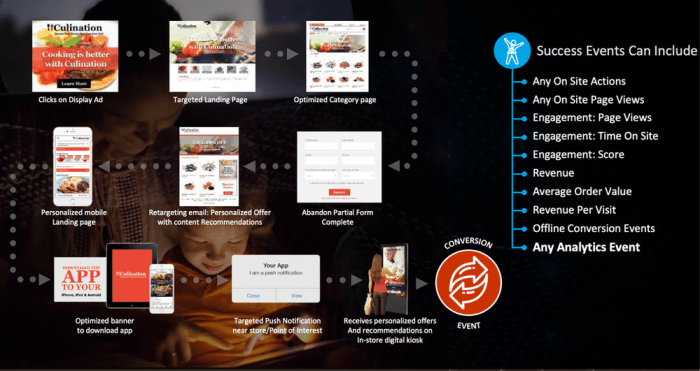
Data is the lifeblood of effective personalization. Without a deep understanding of your customers’ needs, preferences, and behaviors, your personalization efforts will likely fall short of their potential. A data-driven approach ensures your strategies are rooted in concrete insights, leading to more relevant and engaging experiences.Understanding your customers’ behaviors, preferences, and motivations through data allows you to craft highly targeted and personalized experiences.
This approach is crucial for fostering customer loyalty, driving conversions, and boosting overall business growth.
The Role of Data in Personalization
Data forms the foundation for creating personalized experiences. It allows businesses to move beyond generic messaging and tailor interactions to individual needs. By analyzing data, companies can identify patterns, trends, and preferences, which are critical for developing targeted strategies. This, in turn, enables them to offer products and services that resonate more deeply with customers, resulting in higher satisfaction and loyalty.
How Adobe Target Leverages Data for Personalization
Adobe Target is a powerful platform that seamlessly integrates with various data sources. This integration allows for a comprehensive view of customer behavior and preferences, facilitating the creation of dynamic experiences. By connecting with marketing automation, CRM, and website analytics platforms, Adobe Target pulls in data from multiple sources, creating a unified customer profile. This holistic view enables a more personalized and targeted approach.
Different Data Sources for Personalization
Numerous data sources can be utilized for creating personalized experiences. These sources provide valuable insights into customer behavior, preferences, and needs. Effective personalization strategies leverage data from a variety of sources to gain a holistic view of the customer.
- Website Analytics: Data from website analytics tools, such as Google Analytics, provides valuable insights into user behavior on your website. This includes pages visited, time spent on each page, and interactions with specific elements. These insights are crucial for understanding what resonates with users and what aspects of the website need improvement. This allows you to tailor content and offers to specific user segments.
- Customer Relationship Management (CRM) Data: CRM systems store comprehensive information about customer interactions, including purchase history, demographics, and communication preferences. This data is essential for creating personalized recommendations, targeted promotions, and tailored communication strategies.
- Marketing Automation Data: Marketing automation platforms track customer engagement with marketing campaigns. This includes email open rates, click-through rates, and conversions. These metrics help determine which campaigns are effective and which need adjustments. This information is vital for optimizing campaigns and creating personalized experiences that are more likely to drive results.
- Social Media Data: Social media platforms provide valuable insights into customer preferences and interests. Analyzing social media interactions can reveal valuable information about what customers are interested in and what topics are relevant to them. This data can inform the content of marketing messages and product recommendations.

Examples of Data Analysis Informing Personalization Strategies
Data analysis can inform personalization strategies in various ways. For instance, if website analytics show that users frequently visit the “About Us” page, this might indicate a lack of clarity in the product information or value proposition. This data can then be used to improve website content, ensuring clear messaging and a seamless user experience.
Adobe Target consulting can supercharge your personalization strategy, but it’s crucial to understand your audience first. Knowing your ideal clients, or buyer personas, is key for effective marketing. Check out this insightful guide on how to identify buyer personas for professional services marketing and why how to identify buyer personas for professional services marketing and why to get a better grasp of your target audience.
This deep dive into buyer personas will ultimately help you optimize your Adobe Target campaigns for maximum impact and conversion.
Data Source Comparison Table
| Data Source | Type | Use Cases | Limitations |
|---|---|---|---|
| Website Analytics | Behavioral | Understanding user journeys, identifying drop-off points, segmenting users based on behavior | Limited context without additional data; may not capture the “why” behind user actions. |
| CRM Data | Demographic & Transactional | Personalized recommendations, targeted promotions, segmenting users based on purchase history | May not capture real-time preferences; data may be incomplete or inaccurate. |
| Marketing Automation Data | Campaign Performance | Optimizing campaign performance, identifying effective messaging, segmenting users based on campaign engagement | Relies on campaign data; may not reflect broader customer preferences. |
| Social Media Data | Social Interactions | Understanding customer interests, identifying brand advocates, personalizing social media interactions | Privacy concerns; data may not always be accurate or representative. |
Measuring and Optimizing Personalization
Personalization efforts are only as effective as their ability to be measured and optimized. Understanding the impact of your campaigns is crucial for continuous improvement and ensuring a positive return on investment. This section delves into the metrics used to gauge success, how to track results within Adobe Target, and the vital role of A/B testing in refining personalization strategies.Effective personalization requires a data-driven approach.
By meticulously tracking key performance indicators (KPIs), you can identify what resonates with your target audience and what needs refinement. This data-driven approach allows you to fine-tune your personalization strategies, leading to improved customer experiences and increased conversion rates.
Key Metrics for Measuring Personalization Success
Understanding which metrics to track is essential for determining the effectiveness of your personalization efforts. Different metrics are relevant depending on your specific business goals. Some key metrics include conversion rates, engagement rates, revenue generated, and customer satisfaction scores.
| Metric | Description | Target Value | Tracking Method |
|---|---|---|---|
| Conversion Rate | The percentage of visitors who complete a desired action, such as making a purchase or signing up for a newsletter. | Increased compared to baseline | Adobe Target’s built-in reporting tools, analytics platforms (e.g., Google Analytics). |
| Engagement Rate | The level of interaction visitors have with personalized content, such as clicking on links, viewing specific products, or spending time on a page. | Increased compared to baseline | Adobe Target’s built-in reporting tools, analytics platforms (e.g., Google Analytics). Track page views, clicks, and other engagement indicators. |
| Revenue Generated | The total revenue generated from personalized campaigns. | Increased compared to baseline | Adobe Target’s built-in reporting tools, linking to your CRM or e-commerce platform. |
| Customer Satisfaction (CSAT) | Customer feedback on their experience with personalized content. | Positive, measured through surveys. | Surveys, feedback forms, or integrating with customer relationship management (CRM) systems to collect customer feedback. |
Tracking and Analyzing Personalization Results in Adobe Target
Adobe Target provides robust tools for tracking and analyzing personalization results. The platform offers detailed reports on campaign performance, allowing you to identify successful segments and personalize messaging effectively. Regularly reviewing these reports is essential for optimizing your strategies.
The Importance of A/B Testing in Optimizing Personalization Campaigns
A/B testing is crucial for comparing different versions of personalized content and determining which performs best. By testing various approaches, you can fine-tune your personalization strategy and maximize its effectiveness. A/B testing allows for data-backed decisions, ensuring that your efforts are aligned with the preferences of your target audience.
Examples of A/B Testing Scenarios for Adobe Target
A/B testing in Adobe Target can be applied to various scenarios. Here are a few examples:
- Testing different product recommendations based on user behavior. For example, comparing recommendations based on browsing history versus recommendations based on past purchase history.
- Comparing different messaging styles for a specific segment of customers. This could involve testing various calls to action, language styles, or tone.
- Evaluating the impact of personalized pricing on conversion rates. Testing different pricing tiers based on user demographics or purchase history to see which generates the most revenue.
Future Trends in Personalization
Personalization is no longer a luxury, but a necessity in today’s competitive market. Businesses are constantly seeking ways to understand and cater to individual customer needs, and the future of personalization is poised to be even more sophisticated and impactful. This evolution hinges on emerging technologies and a deeper understanding of customer behavior.
Emerging Trends in Personalization
The personalization landscape is rapidly evolving, driven by advancements in technology and a growing awareness of the importance of individual customer needs. Several key trends are shaping the future of personalization strategies, requiring businesses to adapt and innovate. These trends are impacting not only how businesses approach personalization, but also how customers interact with brands.
The Role of AI and Machine Learning in Personalization
Artificial intelligence (AI) and machine learning (ML) are revolutionizing personalization. These technologies enable businesses to analyze vast amounts of data to identify patterns, predict customer behavior, and deliver highly targeted experiences. AI algorithms can learn from historical data, adapt to real-time changes, and continuously refine personalization strategies.
Examples of AI in Personalization
AI is already being used in various ways to personalize customer experiences. For instance, AI-powered chatbots can provide instant support and answer customer questions, often offering customized recommendations. In e-commerce, AI algorithms analyze browsing history and purchase patterns to suggest relevant products, creating a tailored shopping experience. Further, AI can optimize marketing campaigns by identifying the most receptive audience segments and personalizing messaging for each group.
This personalized approach is not just about delivering the right product to the right person; it’s about anticipating their needs and proactively addressing them.
Future Personalization Trends
Understanding these trends is crucial for businesses looking to stay ahead of the curve in personalization. The table below Artikels key future trends, their descriptions, potential impact, and real-world applications.
| Trend | Description | Potential Impact | Example Application |
|---|---|---|---|
| Hyper-Personalization | Moving beyond basic segmentation to create highly tailored experiences based on individual customer preferences, behaviors, and even emotional states. | Increased customer engagement, loyalty, and lifetime value. Brands can create a stronger sense of connection with their customers. | A fashion retailer using AI to analyze a customer’s social media activity and purchase history to suggest clothing items that match their style and anticipated needs. |
| Real-time Personalization | Delivering personalized experiences in real-time, adapting to customer interactions and behaviors as they unfold. | Improved customer satisfaction, higher conversion rates, and reduced cart abandonment. | A travel website dynamically adjusting pricing and recommendations based on a user’s current location, search history, and real-time flight availability. |
| Contextual Personalization | Tailoring experiences to the specific context of the customer’s interaction, such as their device, location, or mood. | Increased relevance and effectiveness of marketing and customer service interactions. | A mobile banking app providing tailored financial advice based on a customer’s current location and transaction history. |
| Predictive Personalization | Anticipating customer needs and preferences before they are explicitly stated, enabling proactive engagement and personalized recommendations. | Proactive customer support, increased customer satisfaction, and increased sales opportunities. | An e-learning platform suggesting relevant courses based on a student’s learning progress and identified knowledge gaps. |
Final Conclusion
In conclusion, Adobe Target consulting empowers businesses to create hyper-personalized experiences that resonate with individual customers. By understanding and implementing effective personalization strategies, businesses can foster stronger customer relationships, boost conversions, and ultimately drive growth. This detailed exploration has provided a comprehensive overview of how to leverage Adobe Target’s robust platform for achieving unparalleled success in today’s dynamic market.
Now, it’s time to put these insights into practice.