Anthropic IPO Surge Creates Thousands of Millionaires and Tests San Francisco Landlord Ethics

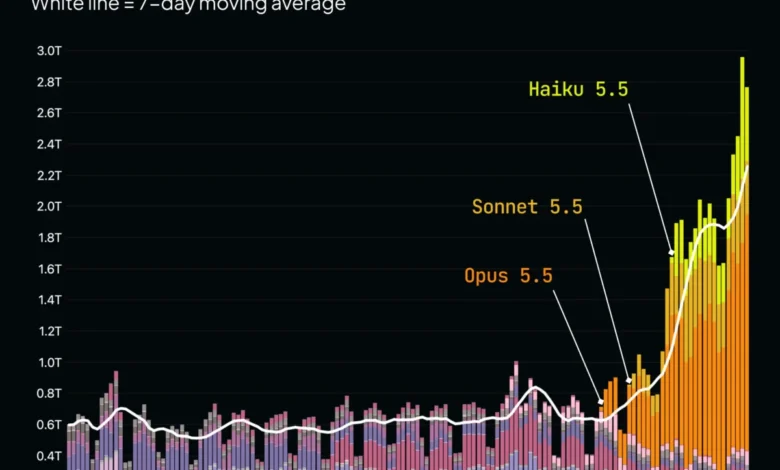
The impending initial public offering of artificial intelligence pioneer Anthropic has thrust the San Francisco Bay Area housing market into a unique economic spotlight. With an SEC S-1 filing revealing astronomical revenue growth—vaulting to $16.3 billion in the first half of 2026 from roughly $1.2 billion a year prior—over 5,000 employees stand to experience unprecedented financial windfalls. Financial analysts project that median employees could amass between $3 million and $10 million within a three-year window, with at least a thousand core engineers and researchers securing eight-figure fortunes. This sudden influx of capital among tech workers has triggered a dramatic ripple effect across local residential real estate, intensifying debates over market-rate adjustments, rent control dynamics, and the ethical obligations of independent property owners.
Background and Chronology of the Anthropic Surge
The catalyst for this economic shockwave stems from a combination of aggressive enterprise adoption and technological milestones. Following the rollout of the Opus 5.5 model on September 22, 2026, Anthropic experienced a 3.6-fold surge in Claude token usage. Bolstered by more than $130 billion in cash and short-term investments alongside a newly achieved operating profit, the company’s upcoming IPO is anticipated to raise upwards of $80 billion.

In a region where housing inventory remains chronically constrained, the concentration of newly minted millionaires in specific urban pockets has radically accelerated demand. According to recent market data from Zumper, citywide rents in San Francisco have surged roughly 27% year-over-year, outpacing the top 100 metropolitan areas nationwide. Concurrently, median home prices for combined properties reached approximately $1.69 million in September 2026—a 14.7% annual increase—while single-family detached homes climbed nearly 24% to a median valuation of $2.2 million, with an estimated 86% of properties selling above asking price.
The Landlord’s Dilemma: Balancing Market Rates with Lease Integrity
For independent, "mom-and-pop" landlords who locked in multi-year lease agreements prior to the 2026 AI boom, the market disconnect is stark. Property owners frequently find themselves bound by pre-established rent schedules or self-imposed caps designed to maintain tenant stability and minimize turnover costs.
Consider a typical scenario in upscale San Francisco neighborhoods: a five-bedroom, four-bathroom single-family residence rented in late 2025 for $9,995 per month. While current market valuations suggest the property could easily command between $11,000 and $12,000 monthly, an adhering landlord constrained by a standard 2.5% annual escalation clause sees the rent increase to only $10,250. This creates an immediate opportunity cost of approximately $1,250 per month, or $15,000 annually.

For property owners facing their own financial pressures—such as accelerated venture capital fund capital calls, rising property insurance premiums, and escalating maintenance costs—the temptation to capture market-rate rents is intense. Independent real estate analysts note that while corporate landlords utilize dynamic pricing algorithms to instantly capture market surges, individual landlords often weigh financial optimization against the intangible value of administrative peace and tenant longevity.
The Ethics of Windfalls Versus Baseline Contractual Obligations
The core economic debate centers on whether a tenant’s sudden, substantial increase in personal wealth—whether via an IPO liquidity event, corporate acquisition, or inheritance—ethically or contractually justifies a mid-lease rent adjustment.
Legal and housing market experts generally emphasize that a residential lease is a bilateral contract tied to the property’s baseline value rather than a profit-sharing agreement tied to a tenant’s net worth. Observers point out a fundamental asymmetry in the rental market: landlords rarely adjust rents downward during periods of tenant financial distress, corporate layoffs, or macroeconomic downturns. Consequently, applying opportunistic rent hikes simply because a tenant has experienced a financial windfall violates the foundational predictability of fixed-term housing contracts.

Furthermore, practical economic considerations often deter landlords from aggressively pushing out stable tenants. The cost of a single month of vacancy in high-end properties can easily neutralize months of incremental rent gains. Moreover, tenants who experience sudden liquidity events frequently transition from renting to purchasing primary residences, making aggressive rent renegotiations counterproductive if they merely accelerate the tenant’s departure.
Broader Economic Implications and Alternative Real Estate Investment Vehicles
The intersection of generative AI wealth and urban housing highlights broader structural shifts in wealth distribution. As top-tier tech employment generates concentrated pockets of elite wealth, traditional wage earners face widening affordability gaps. For investors seeking exposure to urban real estate growth without the operational friction, tenant negotiations, and maintenance overhead associated with physical property ownership, alternative avenues have gained traction. Platforms such as Fundrise allow individuals to allocate capital into diversified residential and industrial real estate portfolios with lower entry barriers, mitigating the day-to-day administrative burdens faced by traditional landlords.
Ultimately, the Anthropic IPO serves as a microeconomic case study in how localized technological disruption cascades into foundational pillars of the economy like housing. While the immediate beneficiaries navigate generational wealth accumulation, property owners continue to balance the rigorous demands of contract law, operational cost inflation, and the enduring value of tenant stability in a rapidly evolving market.