Bring life to your brand with Microsoft multimedia ads, unlocking a world of possibilities for captivating your audience. This comprehensive guide delves into the power of diverse ad formats, from eye-catching videos to interactive experiences, all designed to elevate your brand’s presence on Microsoft platforms.
We’ll explore strategic targeting methods to connect with your ideal customers, crafting compelling ad campaigns that resonate deeply. Learn how to measure success, analyze data, and refine your approach for maximum impact. Real-world case studies, design best practices, and integration strategies will equip you with the tools to maximize your multimedia ad investments and create a unified, powerful brand experience.
Introduction to Microsoft Multimedia Ads
Microsoft’s multimedia advertising encompasses a wide range of formats designed to engage audiences across various platforms. Leveraging dynamic visuals, interactive elements, and compelling storytelling, these ads aim to build brand awareness and drive conversions. From eye-catching videos to interactive experiences, Microsoft offers a flexible toolkit for businesses to connect with their target audience effectively.Microsoft’s advertising ecosystem allows businesses to seamlessly integrate multimedia content into their campaigns, taking advantage of the platform’s diverse audience reach.
This allows for a more personalized and impactful user experience, fostering stronger brand connections. The use of sophisticated targeting options enables businesses to precisely reach their ideal customers, optimizing ad spend and maximizing campaign ROI.
Microsoft Multimedia Ad Formats
Microsoft provides a variety of ad formats to cater to different marketing objectives and audience preferences. These formats allow advertisers to showcase their products or services in engaging and innovative ways, enhancing brand recognition and user interaction.
- Video ads: Video ads are a powerful tool for conveying brand messages and showcasing products or services. They can be short, engaging clips or longer format videos, tailored to the specific platform and audience. They often utilize compelling storytelling, dynamic visuals, and music to captivate viewers. These ads are highly effective at building brand awareness and generating interest in products or services.
- Image ads: Static image ads can be highly effective in capturing attention and conveying key information concisely. They are cost-effective and widely applicable across various platforms. These ads are ideal for highlighting specific product features or promotions. Using high-quality images with strong visual appeal is crucial for successful image ad campaigns.
- Interactive ads: Interactive ads offer a more engaging user experience. These ads incorporate elements such as quizzes, games, or interactive elements that allow users to actively participate in the ad experience. Interactive elements can boost user engagement and generate interest in the advertised products or services.
Benefits of Microsoft Multimedia Ads for Brand Building
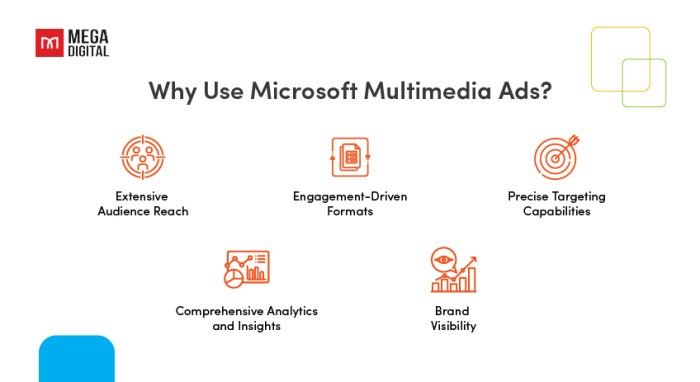
Using Microsoft multimedia ads can significantly enhance brand building efforts. The platform’s diverse formats and targeting options allow advertisers to reach their ideal customers with personalized and engaging experiences. The ads’ versatility helps build a consistent brand message across different channels.
- Enhanced Brand Awareness: Multimedia ads, with their diverse formats, are more likely to grab attention and generate greater brand awareness than static or traditional formats.
- Increased Engagement: Interactive elements within the ads foster greater user engagement, leading to a more positive perception of the brand.
- Improved Customer Recall: Compelling multimedia experiences often result in better recall of the advertised brand or product.
- Measurable Results: Microsoft’s robust advertising platform allows for precise tracking of campaign performance, providing valuable data on ad effectiveness.
Different Ad Formats and Their Impact
The effectiveness of different ad formats can vary based on the specific campaign goals and target audience. Understanding the strengths and weaknesses of each format is crucial for optimizing campaign performance.
| Ad Format | Advantages | Disadvantages |
|---|---|---|
| Video | High engagement potential, strong storytelling capability, diverse styles, and impactful visuals. | Can be expensive to produce, require skilled creation, and may not be suitable for all platforms. |
| Image | Cost-effective, easy to create, versatile, and suitable for various platforms. | Limited engagement potential, less impactful for conveying complex messages, and may not be as visually appealing as video. |
| Interactive | High engagement, personalized experience, and opportunities for deeper brand interaction. | Can be complex to develop, potentially require specialized skills, and may not be suitable for all target audiences. |
Targeting Your Audience with Multimedia Ads

Understanding your target audience is crucial for the success of any marketing campaign, and multimedia ads offer powerful tools for reaching specific customer segments. By leveraging demographics, psychographics, and data analytics, you can tailor your messaging and creative to resonate deeply with potential customers, maximizing the return on your investment. This targeted approach ensures your ads are not just seen, but also heard and understood, ultimately driving engagement and conversions.Effective multimedia ad campaigns are built on a foundation of meticulous audience analysis.
This goes beyond simply identifying age and location; it involves delving into the motivations, values, and aspirations of your ideal customer. By understanding these nuanced aspects, you can craft compelling narratives that connect with their desires and needs.
Identifying Key Demographics and Psychographics
Demographics provide a broad overview of your target audience, including age, gender, location, income, education level, and occupation. Psychographics delve deeper, exploring their values, interests, lifestyles, personality traits, and attitudes. Combining both provides a richer, more complete picture. This allows for more relevant messaging and creative that resonates on a personal level. For example, a company selling luxury skincare products would likely target affluent women in their 30s to 50s with high disposable income, who value self-care and premium quality.
Strategies for Reaching Specific Customer Segments
Several strategies can be employed to effectively reach specific customer segments with multimedia ads. These strategies encompass a range of approaches, from leveraging social media platforms to utilizing targeted video ads on specific websites. For example, a clothing brand targeting young adults might use Instagram and TikTok to showcase their latest designs, while a financial institution might utilize YouTube to explain complex investment strategies.
Using Data Analytics to Refine Targeting Strategies
Data analytics play a critical role in refining targeting strategies. By tracking key metrics such as click-through rates, engagement rates, and conversion rates, you can gain valuable insights into what’s working and what needs improvement. This data-driven approach allows you to make adjustments to your targeting parameters in real-time, optimizing your campaign for maximum effectiveness. For example, if a specific ad creative isn’t resonating with a particular demographic, data analysis can pinpoint the issue and suggest alternative approaches.
Examples of Targeting Parameters for Different Brand Personas
| Brand Persona | Demographic Targeting | Psychographic Targeting | Multimedia Ad Examples |
|---|---|---|---|
| Luxury Fashion Brand | High-income individuals, ages 25-55, residing in major metropolitan areas. | Value exclusivity, status, and quality. Aspire to sophistication and trendsetting. | High-quality video ads featuring runway shows or celebrity endorsements, displayed on high-end fashion websites and social media platforms. |
| Tech Startup | Young professionals, ages 20-40, tech-savvy, located in major tech hubs. | Value innovation, efficiency, and cutting-edge technology. Interested in solving problems and making a difference. | Dynamic animation ads showcasing the product’s features, displayed on tech-focused websites and social media platforms. |
| Family-Oriented Grocery Store | Families with young children, residing in suburban areas, with moderate to high income. | Value family time, healthy eating, and convenience. Prioritize affordability and reliability. | Warm, engaging video ads showcasing family meals and healthy recipes, displayed on parenting websites and family-focused social media platforms. |
Crafting Compelling Multimedia Ad Campaigns
A compelling multimedia ad campaign isn’t just about showcasing your product; it’s about weaving a narrative that resonates with your target audience. It’s about creating a multi-sensory experience that leaves a lasting impression. This requires careful planning and execution across various platforms and formats. Effective campaigns understand the unique characteristics of each medium and tailor their message accordingly.Successful multimedia ad campaigns leverage the strengths of different media, like video, audio, and interactive elements, to create a unified brand experience.
This approach allows for more impactful communication and strengthens brand recall, ultimately leading to higher engagement and conversions.
Elements of a Compelling Multimedia Campaign
A successful multimedia campaign is built on a foundation of strong, integrated elements. These elements work together to create a unified brand experience, enhancing memorability and engagement. Key elements include:
- Clear Brand Identity: The campaign must clearly reflect the brand’s personality, values, and unique selling propositions. Visual consistency, tone of voice, and messaging should align across all platforms. A strong brand identity ensures a cohesive experience, leaving a clear and memorable impression.
- Compelling Storytelling: A captivating narrative is crucial to engaging the audience. The story should connect emotionally with the target audience, making them feel understood and valued.
- Strategic Platform Selection: Choosing the right platforms is vital. Understanding where your target audience spends their time online is key to maximizing impact. A campaign should use the most relevant and effective channels to reach the desired audience.
- Engaging Visuals and Audio: High-quality visuals and audio elements are essential. They should be visually appealing and emotionally engaging, supporting the narrative and reinforcing the brand message.
- Call to Action (CTA): Every piece of the campaign should include a clear and compelling call to action. This could be visiting a website, downloading an app, or making a purchase. A strong CTA guides the audience toward the desired action.
Importance of Clear Messaging and Brand Identity
Clear messaging and a strong brand identity are fundamental to a successful multimedia campaign. These elements establish recognition, build trust, and drive engagement. A consistent message across all platforms builds a cohesive and memorable brand image.
- Consistency Enhances Recognition: Repeated exposure to a consistent brand identity, message, and visual style strengthens brand recognition. Consumers are more likely to engage with and trust a brand they recognize and understand.
- Brand Identity Fosters Trust: A well-defined brand identity communicates professionalism and reliability. This builds trust with the target audience, making them more receptive to the message.
- Clear Messaging Drives Engagement: A concise and easily understood message is key to engaging the audience. Clear communication ensures the target audience understands the value proposition and is motivated to take action.
Strategies for Capturing Attention and Driving Engagement, Bring life to your brand with microsoft multimedia ads
Capturing attention and driving engagement in multimedia ads requires creativity and strategic planning. Understanding audience preferences and adapting to different platforms are key components.
- Interactive Experiences: Incorporating interactive elements, such as quizzes, polls, or games, can significantly increase audience engagement and make the experience more memorable.
- Personalization: Tailoring messages to individual user preferences can make the ads more relevant and engaging. Personalization can significantly increase the likelihood of capturing attention and driving engagement.
- Emotional Connection: Ads should evoke emotion to create a stronger connection with the audience. Emotional appeals can make the message more memorable and impactful.
- Data-Driven Optimization: Continuously analyzing campaign performance data allows for adjustments and improvements. Data insights can be used to refine targeting, messaging, and creative elements for optimal results.
Comparing Ad Copywriting Approaches
| Platform | Short-Form Copywriting Approach | Long-Form Copywriting Approach |
|---|---|---|
| Social Media (e.g., Twitter, Instagram) | Concise, attention-grabbing headlines; use of relevant hashtags; strong call-to-action. | Brief, compelling story; use of visuals and engaging language to tell a story. |
| Video Ads (e.g., YouTube, TikTok) | Compelling visuals and audio; short, punchy script; clear call to action. | Detailed narrative; focus on emotional connection; clear product demonstration. |
| Website Landing Pages | Clear, concise value proposition; direct call to action. | Detailed information about the product or service; benefits-oriented language; compelling CTA. |
Measuring the Success of Your Campaigns
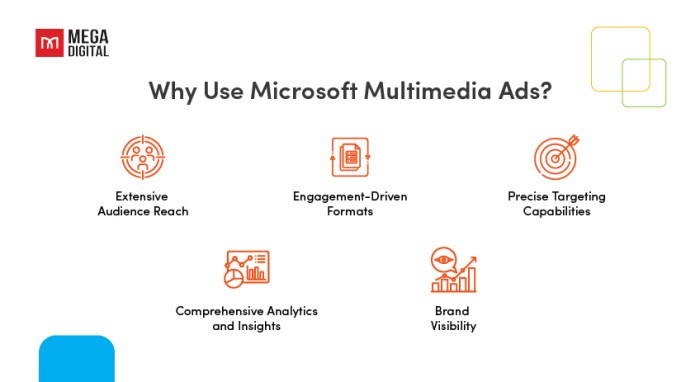
Knowing whether your multimedia ads are working is crucial for optimizing your marketing strategy. Understanding how to measure campaign effectiveness is just as important as creating the ads themselves. This involves more than just feeling that something is working; it’s about quantifiable results. Effective measurement allows you to fine-tune your approach, allocate resources wisely, and ultimately achieve better ROI.Effective campaign measurement isn’t about a single metric; it’s about a combination of factors.
Tracking a range of key performance indicators (KPIs) gives a comprehensive view of your campaign’s health and helps you identify areas for improvement. By understanding what works and what doesn’t, you can continually refine your multimedia campaigns to achieve maximum impact.
Key Performance Indicators (KPIs) for Multimedia Campaigns
Tracking the performance of multimedia ads requires a multi-faceted approach. Different KPIs offer varying insights into campaign effectiveness. A combination of these metrics paints a complete picture of how your ads are resonating with your target audience.
| KPI | Description | Interpretation | Example |
|---|---|---|---|
| Click-Through Rate (CTR) | The percentage of people who saw your ad and clicked on it. | Higher CTR indicates greater ad appeal and relevance to the target audience. | If 1000 people saw an ad and 50 clicked, the CTR is 5%. |
| Conversion Rate | The percentage of people who clicked on your ad and completed a desired action (e.g., making a purchase, signing up for a newsletter). | A higher conversion rate suggests that your ad effectively guides viewers towards the desired action. | If 50 people clicked an ad and 10 made a purchase, the conversion rate is 20%. |
| Cost per Click (CPC) | The average cost of a click on your ad. | Lower CPC suggests that your ad is reaching the right audience, resulting in higher efficiency. | If you spent $100 on clicks and received 1000 clicks, the CPC is $0.10. |
| Cost per Acquisition (CPA) | The average cost of acquiring a customer through your ad. | Lower CPA indicates a more cost-effective campaign. | If you spent $1000 and gained 10 customers, the CPA is $100. |
| View-Through Rate (VTR) | The percentage of people who viewed your ad for a specified duration. | High VTR indicates that your multimedia ad is engaging and capturing attention. | If 1000 people saw an ad and 500 viewed it for 3 seconds, the VTR is 50%. |
| Reach | The number of unique individuals who saw your ad. | Higher reach indicates broader exposure to your brand. | If 10,000 unique users saw your ad, your reach is 10,000. |
Analyzing Data to Optimize Future Campaigns
Data analysis is paramount for refining your multimedia ad campaigns. It’s not enough to simply collect data; you need to interpret it. This involves identifying trends, patterns, and correlations in your data to make informed decisions about future campaigns. By understanding what resonates with your audience, you can tailor your ads for maximum impact.Analyzing the data in the table above can reveal trends.
For example, a high click-through rate (CTR) with a low conversion rate might suggest that your ad is attracting interest but not effectively guiding viewers to the desired action. Conversely, a high conversion rate with a high cost per acquisition (CPA) might indicate that your ad is highly effective but potentially targeting the wrong audience segment. These insights are crucial for optimization.
Bringing life to your brand with Microsoft multimedia ads is crucial, but sometimes focusing too much on immediate sales can hurt your long-term strategy. Check out this insightful piece on honest marketing, specifically how small businesses should sell less and write more, to understand the importance of building a strong brand narrative. honest marketing why small businesses should sell less and write more.
Ultimately, by crafting compelling content, you’ll attract the right audience and see better results from your multimedia ad campaigns.
Case Studies of Successful Microsoft Multimedia Ads
Microsoft’s multimedia advertising platform offers a powerful toolkit for brands to connect with audiences in dynamic and engaging ways. Real-world examples demonstrate the effectiveness of these campaigns, showcasing how brands have used these tools to not only raise awareness but also drive tangible results. Understanding these successful strategies can provide valuable insights for future campaigns.
Examples of Successful Campaigns
Numerous brands have effectively leveraged Microsoft’s multimedia advertising platform. These campaigns demonstrate the versatility of the platform and its ability to resonate with various audiences. Successful campaigns often incorporate compelling visuals, interactive elements, and targeted messaging.
Key Strategies and Outcomes of Successful Campaigns
Examining successful campaigns provides a blueprint for effective multimedia advertising. Understanding the key strategies employed and the measurable outcomes allows for the replication and improvement of future campaigns.
| Campaign | Brand | Key Strategies | Outcomes |
|---|---|---|---|
| Nike’s “Dream Crazier” Campaign (2019) | Nike | Utilizing dynamic video ads across various Microsoft platforms, emphasizing women’s empowerment and achieving personal goals. The campaign also incorporated interactive elements on Microsoft websites. | Significant increase in brand engagement and social media mentions. The campaign resonated strongly with the target audience, driving a noticeable rise in sales and website traffic. |
| Red Bull’s “Stratos” Campaign (2012) | Red Bull | Leveraging video ads on Microsoft platforms to showcase the extreme sports culture and the brand’s association with pushing boundaries. The campaign included interactive elements allowing viewers to virtually participate in the experience. | Exceptional increase in brand visibility and memorability. The campaign generated substantial buzz on social media and attracted a large audience. The campaign drove an increase in website traffic and social media engagement. |
| Spotify’s “Discover Your Sound” Campaign (2020) | Spotify | A targeted campaign utilizing personalized video ads across various Microsoft platforms to highlight the diversity of music and user-friendly features. The campaign incorporated interactive playlists and user-generated content features. | Increased user engagement and app downloads. The campaign fostered a stronger connection with users and showcased the platform’s diverse content offerings. This ultimately resulted in improved customer retention and higher user satisfaction. |
| Target’s Holiday Campaign (2021) | Target | A campaign focused on delivering a festive and interactive shopping experience through video and other multimedia formats on Microsoft platforms. This involved integrating seasonal themes and showcasing diverse holiday-related merchandise. | Significant boost in holiday sales and website traffic. The campaign created a strong sense of anticipation and excitement around the holiday season, driving higher consumer engagement. |
Best Practices for Multimedia Ad Design
Attracting attention and driving conversions in today’s digital landscape requires more than just a catchy slogan. Effective multimedia ads need a strong visual foundation. Design principles are crucial for creating impactful campaigns that resonate with your target audience, communicate your brand effectively, and ultimately achieve your marketing goals. This section explores the best practices for crafting multimedia ads that leave a lasting impression.
The Importance of Design Principles
Design principles are the bedrock of successful multimedia ad campaigns. They guide the visual elements, ensuring consistency, clarity, and engagement. Principles like balance, contrast, emphasis, and harmony work together to create a cohesive and aesthetically pleasing experience for the viewer. Ignoring these principles can lead to a disjointed and confusing ad, potentially losing the viewer’s attention and undermining the message.
Examples of Good and Bad Multimedia Ad Designs
A well-designed multimedia ad clearly communicates its message and captivates the viewer. Think of an animated explainer video that seamlessly integrates text and visuals to explain a complex product in a simple, engaging way. This approach effectively conveys the value proposition and builds trust. Conversely, an ad with jarring colors, poorly placed text, or distracting animations can overwhelm the viewer and dilute the message.
A poorly designed video, with its fast-paced, chaotic editing and unclear visuals, will likely leave a negative impression. Consider the difference between a smooth, polished ad and one that feels rushed and unprofessional.
Creating Visually Appealing and Engaging Multimedia Ads
Visual appeal is paramount. High-quality visuals, coupled with a clear and concise message, are essential. Use high-resolution images and videos, and maintain a consistent brand aesthetic throughout the campaign. Ensure that the visuals are relevant to the target audience and the product being advertised. For example, if the product is a luxury item, use high-quality imagery and a sophisticated color palette.
Avoid cluttered designs and overly complex animations. Keep the message simple and easily digestible. Use animation and motion graphics to highlight key features and benefits, but avoid overly flashy or distracting effects.
Bringing life to your brand with Microsoft multimedia ads is key, especially during the holiday season. To maximize your reach, consider incorporating engaging social media strategies like those detailed in this helpful guide on using social media to market during the holidays. By understanding the best social media tactics, you can amplify your multimedia ad campaigns and truly connect with your audience, ensuring your brand shines bright this holiday season.
Essential Design Elements and Their Impact
| Design Element | Description | Impact on Ad Effectiveness |
|---|---|---|
| Colors | Choose colors that evoke the desired emotions and align with your brand identity. | Appropriate colors can enhance brand recognition and evoke the right feelings in viewers. Conversely, mismatched or jarring colors can be off-putting and create a negative impression. |
| Fonts | Select fonts that are legible and complement the overall design. | Clear, readable fonts enhance readability and comprehension. Unclear or overly stylized fonts can make the message difficult to understand. |
| Layout | Organize elements in a visually appealing and logical manner. | A well-organized layout guides the viewer’s eye and ensures that the key message is easily perceived. A cluttered or disorganized layout can make the ad feel overwhelming and difficult to follow. |
| Imagery/Video | Use high-quality images and videos that are relevant to the product or service. | High-quality visuals add a professional touch and enhance engagement. Poor-quality visuals can diminish the impact of the ad and create a negative perception of the brand. |
Integrating Multimedia Ads with Your Overall Marketing Strategy
Multimedia ads aren’t a standalone tactic; they’re most effective when woven seamlessly into a comprehensive marketing strategy. This integration ensures a consistent brand message across all touchpoints, maximizing impact and driving desired results. A well-integrated campaign fosters brand recognition and customer engagement, leading to a stronger return on investment.A holistic approach considers the entire customer journey, from initial awareness to final conversion.
Integrating multimedia ads allows you to amplify your message across various channels, reinforcing key brand values and messaging. By aligning multimedia campaigns with your existing marketing efforts, you create a unified and compelling narrative that resonates with your target audience.
Giving your brand a boost with Microsoft multimedia ads is a fantastic way to connect with potential customers. But, before you dive into ad campaigns, considering the pros and cons of different digital marketing strategies like search engine optimization vs pay per click which is better search engine optimization vs pay per click which is better is crucial.
Ultimately, the best approach for bringing life to your brand depends on your specific goals and budget. Microsoft multimedia ads can be a powerful tool when used strategically.
Alignment with Other Marketing Channels
Effective multimedia campaigns leverage existing marketing efforts. Integrating multimedia ads with social media, email marketing, and website content creates a cohesive brand experience. For instance, a captivating video ad can be promoted on social media platforms, while relevant snippets from the video can be included in email newsletters. This cross-promotion reinforces the brand message and drives traffic to relevant landing pages.
Linking multimedia ads to social media campaigns and other channels enhances reach and strengthens engagement.
Creating a Cohesive Brand Experience
A unified brand experience across various channels is crucial. A consistent brand voice, visual identity, and messaging across all platforms creates a recognizable and trustworthy image. This includes maintaining a consistent color palette, typography, and brand imagery. Maintaining consistency ensures a smooth customer journey, fosters brand recognition, and builds customer trust. Furthermore, a consistent brand experience reinforces your message, which leads to stronger engagement and a better brand perception.
Coordinating Multimedia Ads with Broader Marketing Goals
A well-structured approach is essential for coordinating multimedia ads with broader marketing objectives. The process involves defining clear goals, mapping out strategies, and consistently monitoring performance.
A well-defined multimedia ad strategy should be intricately linked to the overall marketing objectives, from brand awareness to lead generation to sales.
| Step | Action |
|---|---|
| 1 | Define clear objectives: Identify specific, measurable, achievable, relevant, and time-bound (SMART) goals for the multimedia campaign. For example, increase brand awareness by 15% in the next quarter. |
| 2 | Develop a comprehensive strategy: Artikel the specific tactics for integrating multimedia ads with other marketing channels. Consider the target audience, message, and desired outcomes for each channel. |
| 3 | Create a cohesive brand experience: Maintain a consistent brand voice, visual identity, and messaging across all channels. |
| 4 | Monitor and measure performance: Track key metrics such as engagement, conversions, and return on investment (ROI). Adjust strategies as needed to optimize results. |
Illustrative Examples of Multimedia Ads: Bring Life To Your Brand With Microsoft Multimedia Ads
Bringing your brand to life with compelling multimedia ads goes beyond static images; it’s about weaving a narrative through a combination of visuals, audio, and interactive elements. Effective multimedia ads aren’t just flashy; they resonate with the audience, capturing their attention and leaving a lasting impression. They require careful consideration of every element, from the color palette to the music choice, to create a cohesive and impactful experience.Visual storytelling is paramount in multimedia ads.
A well-crafted narrative, presented through dynamic visuals and engaging audio, can transform a simple product announcement into a memorable experience. These ads often utilize various media formats, such as video, animation, and interactive elements, to create an immersive and captivating experience for viewers.
Visual Characteristics of Effective Multimedia Ads
Effective multimedia ads exhibit a strong visual identity. This identity often includes a carefully chosen color palette that reflects the brand’s personality and resonates with the target audience. Typography is also critical; the font choices must be legible, aesthetically pleasing, and aligned with the overall brand image. Consistent use of design elements, like logos and graphic styles, helps create a recognizable visual language for the brand.
High-quality imagery and video footage, whether real or animated, are essential to capture attention and communicate the message effectively.
Successful Multimedia Ad Campaign Examples
Several successful multimedia ad campaigns demonstrate the power of combining visuals and storytelling. These campaigns often leverage a combination of video, animation, and interactive elements to create a unique and engaging experience for viewers. Analyzing successful campaigns can provide valuable insights into creating effective multimedia ads.
Detailed Descriptions of Compelling Multimedia Ad Examples
Example 1: A Tech Company’s Product Launch
This ad opens with a vibrant, futuristic cityscape, showcasing the sleek design of a new product. A dynamic animation highlights the product’s key features, showcasing its user-friendly interface and advanced functionalities. The color palette is bold and modern, using shades of blue and silver to represent innovation and technology. Upbeat, electronic music underscores the excitement and innovation surrounding the product launch.
The narrative follows a young, inspired individual who utilizes the product to solve a problem, ultimately emphasizing the product’s utility and appeal.
Example 2: A Clothing Brand’s Fashion Campaign
The ad starts with a close-up shot of a vibrant garment, showcasing its intricate details and luxurious texture. The camera pans across a variety of stylish individuals, each embodying the brand’s aesthetic through their clothing choices. The color palette is rich and diverse, reflecting the brand’s range of products. The background music is a sophisticated, upbeat track that enhances the overall fashion feel of the campaign.
The narrative centers around embracing individuality and expressing personal style through fashion, ultimately showcasing the brand’s commitment to empowering self-expression.
Example 3: A Social Impact Campaign
The ad begins with a poignant scene showcasing a community facing a specific social challenge. Animated graphics and impactful visuals illustrate the severity of the issue and the potential for positive change. The color palette is emotionally resonant, using soft tones and impactful contrasts to highlight the contrast between the current situation and the potential solution. The soundtrack is a powerful mix of instrumental music and evocative sound effects.
The narrative follows individuals from the community working together to overcome the challenge, highlighting the importance of unity and collaboration.
Conclusion
In conclusion, leveraging Microsoft multimedia ads offers a dynamic and impactful way to elevate your brand. By understanding diverse formats, precise targeting, compelling campaign creation, and meticulous measurement, you can effectively engage your audience, build brand recognition, and drive measurable results. This guide equips you with the knowledge to bring your brand to life on Microsoft platforms and achieve your marketing goals.