ChatGPT Suffers Major Global Outage, Disrupting Access to AI Conversations Worldwide

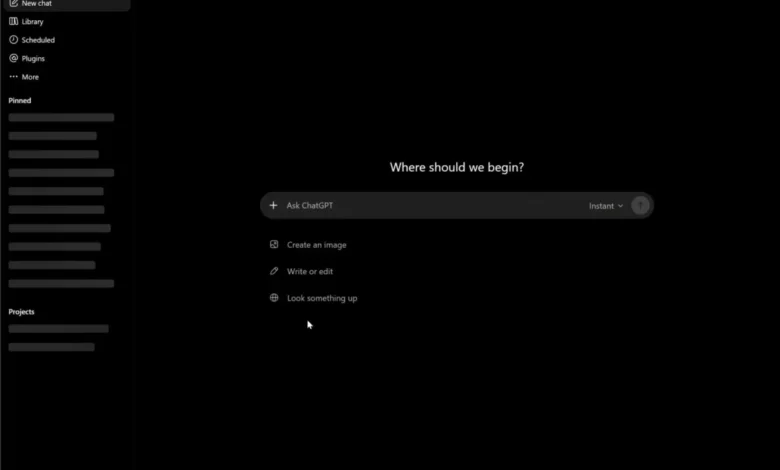
A significant and widespread outage is currently impacting OpenAI’s popular AI chatbot, ChatGPT, rendering it inaccessible for users across the globe. The disruption began around 5 AM Eastern Time, preventing individuals from loading new chat sessions and accessing their previous conversation histories. This widespread failure has generated considerable concern and frustration among the millions who rely on ChatGPT for a variety of tasks, from content creation and coding assistance to research and general information retrieval.
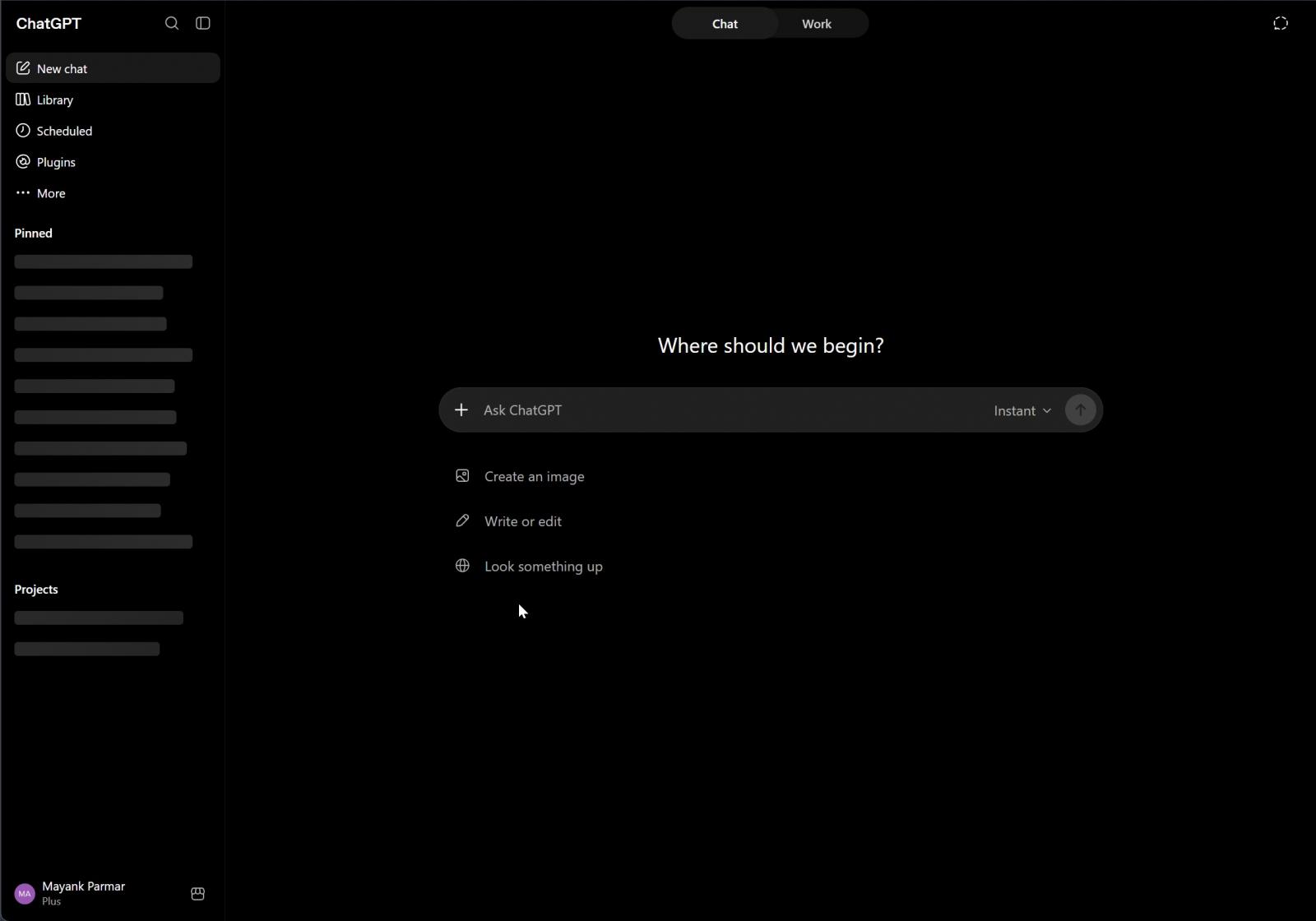
The symptoms of the outage are consistent: users report that the ChatGPT interface gets stuck on loading animations, particularly for the sidebar, and interaction with the artificial intelligence becomes impossible. This means that not only are new conversations blocked, but any attempt to revisit or continue prior dialogues is also met with failure. The issue appears to be affecting all users, irrespective of their geographical location, with reports emerging from both North America and Europe, indicating a truly global reach for this technical disruption.
OpenAI, the artificial intelligence research laboratory behind ChatGPT, has acknowledged the widespread issues and confirmed that it is actively investigating the problem. The company’s official status page, a resource typically used to communicate service availability, now reads, "We are investigating the issue for the listed services." This statement, while confirming awareness, offers little immediate solace to those experiencing the blackout. The duration of the outage remains uncertain, and users are left in a state of suspended interaction with a tool that has rapidly become integrated into many daily workflows.

Chronology of the Outage
The outage commenced in the early morning hours of the Eastern Time zone, specifically around 5:00 AM ET. This timing meant that as users in North America began their day and those in Europe were winding down or engaging with the service for late-night tasks, the system failed. Initial reports of inaccessibility began surfacing shortly after the 5 AM mark, with user complaints quickly escalating across social media platforms and online forums dedicated to technology and AI.
By approximately 7 AM ET, the scope of the problem became undeniably clear. The consistent nature of the user-reported issues—stuck loading screens, inability to initiate or continue chats—pointed towards a systemic failure rather than isolated user-specific problems. This widespread nature prompted a swift response from OpenAI, which, by late morning ET, had updated its status page to reflect an ongoing investigation. The lack of a specific estimated time for resolution on the status page suggests that the engineers are still working to diagnose the root cause of the failure, which could range from server overloads to software bugs or underlying infrastructure issues.
The uninterrupted nature of the outage, extending for several hours without any indication of restoration, amplifies the concern. For individuals and businesses that depend on ChatGPT for critical operations, even a few hours of downtime can have significant repercussions, leading to delays, missed deadlines, and potential financial losses. The rapid integration of AI tools like ChatGPT into professional environments means that such outages are no longer mere inconveniences but can represent substantial operational disruptions.
Supporting Data and Context
ChatGPT, launched by OpenAI in November 2022, experienced an unprecedented surge in user adoption, reaching 100 million active users within two months of its release. This meteoric rise highlighted the immense demand for advanced AI conversational capabilities. The platform’s ability to generate human-like text, answer complex questions, write code, and engage in creative writing has made it an indispensable tool for students, researchers, developers, marketers, and a broad spectrum of professionals.

The underlying technology of ChatGPT, a large language model (LLM), relies on massive datasets and extensive computational resources. Its architecture, based on the GPT (Generative Pre-trained Transformer) series, allows it to process and generate text with remarkable fluency. However, the sheer scale of its operations and the complexity of its algorithms also make it susceptible to technical challenges. Outages, while undesirable, are not entirely unexpected for services operating at this scale and with this level of technological sophistication.
The current outage occurs at a time when the AI industry is experiencing a boom, with significant investments flowing into research and development. Major technology companies are racing to integrate AI capabilities into their products and services, and tools like ChatGPT are at the forefront of this revolution. The reliability and availability of these foundational AI services are therefore paramount to the continued growth and adoption of AI technologies across various sectors. Any significant disruption can cast a shadow on the perceived stability of these nascent technologies.
Official Responses and Communications
OpenAI’s primary channel for official communication regarding service status is its dedicated status page (status.openai.com). As of the latest updates, the page indicates that the company is actively investigating the issues affecting ChatGPT. The terse statement, "We are investigating the issue for the listed services," suggests that the problem is recognized and being addressed by the engineering teams.
While the company has acknowledged the outage, there have been no further detailed public statements regarding the specific cause or an estimated time for resolution. This is a common practice during active investigations, as the precise nature of a technical failure can be difficult to determine immediately, and premature information could be inaccurate.

The lack of immediate detailed information can, however, lead to increased speculation and anxiety among users. In the absence of official updates, users often turn to social media platforms like Twitter (now X) to share their experiences and seek information. These unofficial channels can quickly become hubs for user-generated reports and discussions, sometimes leading to the spread of unverified information.
It is crucial for users to refer to OpenAI’s official status page for the most accurate and up-to-date information regarding the outage. The company’s commitment to resolving the issue is implied by its active investigation, and further updates are expected as the situation evolves. The speed and transparency of future communications will be key in managing user expectations and restoring confidence in the service’s reliability.
Broader Impact and Implications
The global outage of ChatGPT has far-reaching implications, extending beyond mere user inconvenience. For individuals, it represents a disruption to personal workflows, learning processes, and creative endeavors. Students who rely on ChatGPT for research assistance or essay drafting may face academic challenges. Content creators might experience delays in producing articles, scripts, or marketing copy. Developers could find their coding assistance and debugging processes stalled.
For businesses, the impact can be more profound. Companies that have integrated ChatGPT into their customer service operations, internal knowledge management systems, or product development cycles may be experiencing significant operational disruptions. The ability to quickly access and utilize AI-generated insights or content is often critical for maintaining competitive advantage and operational efficiency. An extended outage could lead to a backlog of tasks, missed opportunities, and a decline in productivity.
The incident also serves as a stark reminder of the dependencies that are rapidly forming around advanced AI services. As these tools become more integral to our daily lives and professional activities, their reliability becomes a critical factor. The outage highlights the need for robust infrastructure, effective redundancy measures, and comprehensive disaster recovery plans for AI service providers.
Furthermore, this event could prompt discussions about the resilience of AI ecosystems. While the outage is specific to ChatGPT, it underscores the potential vulnerabilities inherent in centralized AI services. The development of decentralized AI solutions or greater interoperability between different AI platforms could become more important in mitigating the impact of single-point failures.
In the broader context of AI development, such outages can influence public perception and regulatory approaches. While the rapid progress in AI is celebrated, incidents that expose fragility can fuel concerns about its readiness for widespread critical applications. Regulators and policymakers may take note of such disruptions when considering frameworks for AI governance and oversight.
The current situation is a developing story, and the eventual resolution of the outage will be closely watched. The speed and effectiveness with which OpenAI addresses this challenge will be crucial in rebuilding user trust and reinforcing the perception of AI as a reliable and transformative technology. As the world increasingly integrates AI into its fabric, ensuring the stability and accessibility of these powerful tools becomes an imperative for continued innovation and progress. The ongoing investigation by OpenAI is a critical step in understanding and rectifying the current disruption, with the hope that normal service will be restored swiftly.