Devcon 8 Tickets Are Officially Live As The Ethereum Community Prepares For A Milestone Gathering In Mumbai

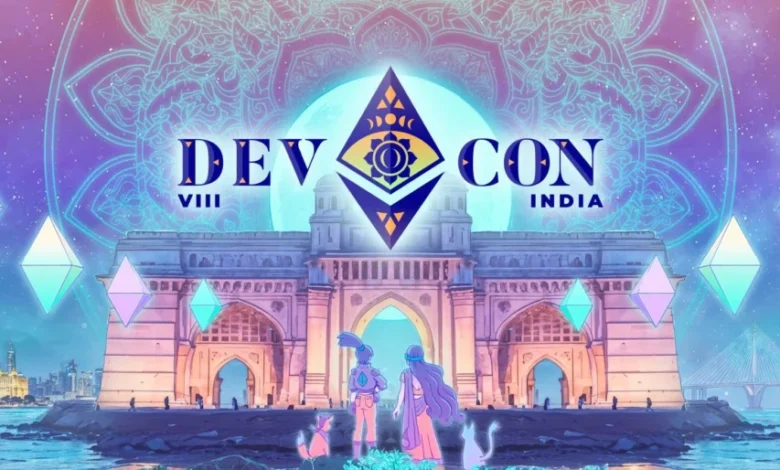
The Ethereum Foundation has officially launched the ticket sales for Devcon 8, the flagship conference for the Ethereum ecosystem. This year’s event, scheduled to take place this November in Mumbai, India, marks a significant shift toward a more focused, intimate, and highly collaborative environment. As the global hub for decentralized technology development, Devcon serves as the premier annual gathering for builders, researchers, protocol maintainers, and open-source enthusiasts. The commencement of ticket sales signals the beginning of a months-long buildup toward what is expected to be one of the most critical convenings for the future of blockchain scalability, privacy, and governance.
The Evolution of Devcon: A Historical Context
Since its inception, Devcon has evolved from a small assembly of developers into a massive, multi-continental phenomenon. Each iteration of the conference has acted as a time capsule for the industry, tracking the progress from the initial deployment of the Ethereum mainnet to the monumental transition to Proof-of-Stake during "The Merge."
The decision to host Devcon 8 in Mumbai underscores the growing importance of the South Asian region in the global Web3 landscape. India, in particular, has emerged as a powerhouse for developer activity, boasting one of the world’s largest concentrations of blockchain engineers and startup founders. By anchoring the conference in Mumbai, the Ethereum Foundation is effectively decentralizing its outreach, acknowledging that the future of decentralized finance (DeFi), Layer 2 scaling, and zero-knowledge proofs is being written by a truly global coalition of contributors.
Ticket Tiers and Accessibility Strategy
The ticketing strategy for Devcon 8 reflects a deliberate effort to balance operational sustainability with community inclusivity. The organizers have implemented a multi-tiered system designed to accommodate different segments of the ecosystem, ranging from professional developers to students and public-goods contributors.
General Admission tickets, which opened for purchase on July 14, are available without any application or eligibility requirements. However, the Ethereum Foundation has utilized a phased release model. Early adopters who secure their passes in the initial wave benefit from the most favorable pricing. As subsequent waves are released, prices are expected to rise, creating an economic incentive for attendees to plan their participation well in advance.
Beyond General Admission, the foundation has prioritized accessibility through specialized ticket categories. These include discounted access for Indian residents—an initiative designed to lower the barrier to entry for the local developer community—as well as dedicated allocations for students, youth, and professional builders. These community-focused tickets are non-transferable, ensuring that the benefits of the discounted rates reach those directly engaged in building, maintaining, or researching Ethereum-based infrastructure.
The Operational Timeline: From Launch to Event
The roadmap leading up to the November conference is structured to ensure that both the programming and the attendee experience remain high-quality. Following the launch of ticket sales in mid-July, the next critical deadline for the community is August 6, 2026, when speaker applications officially close.
The evaluation process for speakers and workshop leads is rigorous. Unlike industry conferences that rely on paid speaker bureaus, the Ethereum Foundation maintains a policy of open applications, inviting anyone with a substantial contribution to the field to present their findings. Following the submission deadline, the selection committee will begin a rolling review process starting in late August. This ensures that the final agenda reflects the most current and relevant technical advancements in the ecosystem, including developments in Applied Cryptography, Core Protocol, and decentralized governance.
Community Hubs and Collaborative Spaces
One of the distinguishing features of recent Devcons has been the introduction of "Community Hubs." These are specialized zones within the venue dedicated to specific niches within the open-source movement, such as privacy-preserving technology, public-goods funding, and decentralized social networks.
By decentralizing the programming, the organizers allow these communities to self-organize their own workshops, roundtables, and onboarding sessions. These hubs are intentionally kept free from corporate branding or project-specific promotion, reinforcing the event’s core philosophy of maintaining a neutral, builder-first atmosphere. For organizations and community groups looking to participate, the submission process for these hubs is currently active, with the Ethereum Foundation providing formal request-for-proposal (RFP) documentation via the official Devcon forum.
Supporting the Ecosystem: The Supporters and Impact Programs
The financial backbone of Devcon 8 is bolstered by the Supporters Program, which allows ecosystem projects to establish a meaningful presence at the event. This program is specifically designed for teams whose work aligns with the "CROPS" principles (Collaboration, Respect, Openness, Privacy, and Sustainability).
For non-profit entities, FOSS (Free and Open Source Software) projects, and teams dedicated to public goods, the Impact Program provides a pathway to participate without the financial strain typically associated with large-scale corporate conferences. This tiered approach ensures that the conference floor is not dominated exclusively by venture-backed startups, but remains a balanced space where research-heavy nonprofits and community-driven projects can receive equal exposure.
Economic and Technical Implications
The choice of Mumbai as the host city carries significant weight in the context of the global digital economy. With over 10,000 attendees expected, the logistical requirements for the event are vast. However, the impact of the conference extends far beyond the four days of programming.
Historically, Devcon serves as a catalyst for new project launches and cross-team collaborations. In previous years, major protocol upgrades and the formation of new development organizations were finalized in the informal settings of the conference. By fostering face-to-face interaction, the event accelerates the resolution of complex technical bottlenecks. As the Ethereum network continues to scale through rollups and modular architecture, the intellectual exchange occurring in Mumbai will likely shape the network’s technical trajectory for the coming year.
Preparing for the Event: A Call to Action
For prospective attendees, the message from the organizers is clear: early preparation is essential. With the limited supply of discounted tickets and the high demand for speaker slots, the timeline between July and November is critical.
"Our goal is to ensure that the people who actually build and maintain Ethereum are in the room," a representative from the Devcon team stated during the launch announcement. The focus on local participation in India, combined with the global outreach to researchers and cryptographers, aims to create a diverse and intellectually dense environment.
As the industry moves closer to the event date, participants are encouraged to monitor the official Devcon blog and verified social media channels for updates regarding programming, logistics, and additional ticket releases. Whether through attending as a participant, applying as a speaker, or organizing a community hub, the upcoming Devcon 8 is positioned to be a pivotal chapter in the history of open-source technology.
By maintaining its commitment to transparency and accessibility, the Ethereum Foundation is reinforcing the decentralized ethos that defines its mission. As Mumbai prepares to welcome the global developer community, the stage is set for a conference that will likely define the next generation of blockchain innovation, providing the foundation for more secure, private, and efficient digital infrastructure in the years to come.