Fintech Giants Unite Under Linux Foundation to Standardize AI-Driven Online Payments with New x402 Protocol


A powerful coalition of leading fintech innovators, major financial institutions, and cloud service providers has formally launched the x402 Foundation, an ambitious initiative operating under the esteemed Linux Foundation, aimed at standardizing how artificial intelligence (AI) and software agents conduct online payments. This significant development, announced on July 17, 2026, marks a pivotal step towards establishing a unified, open-source protocol for "agentic commerce," a burgeoning field where AI systems autonomously initiate and complete transactions. The foundation brings together an impressive roster of industry giants, including payments stalwarts Stripe, Adyen, and Shopify, alongside financial tech leaders Coinbase and Fiserv, and cloud behemoths Google and Amazon Web Services, signaling a concerted effort to address the inherent complexities and fragmentation within the rapidly evolving landscape of digital payments.
The formation of the x402 Foundation underscores a growing recognition within the technology and finance sectors that as AI agents become more sophisticated and integrated into daily operations—from managing supply chains and executing trades to personal assistants making purchases—a standardized, secure, and interoperable payment mechanism is not just beneficial, but essential. Without such a framework, the potential for friction, security vulnerabilities, and vendor lock-in could severely impede the growth and adoption of AI-driven commerce. The Linux Foundation, renowned for its stewardship of critical open-source projects, provides a neutral and robust environment for this collaborative endeavor, ensuring that the protocol’s development remains transparent, community-driven, and accessible to all stakeholders.
The Genesis of x402: Bridging the AI Payment Gap
The concept for x402 originated at Coinbase, a prominent cryptocurrency exchange and financial technology company, where the need for an interoperable payment solution for AI agents became acutely apparent. As AI models gained capabilities beyond simple data processing, moving towards autonomous decision-making and task execution, the absence of a native, standardized method for these agents to pay for services, goods, or even other AI interactions emerged as a significant bottleneck. Current payment systems, largely designed for human-initiated transactions, often lack the programmatic interfaces, granular control, and robust security features required for AI systems to operate independently and reliably in a financial context.
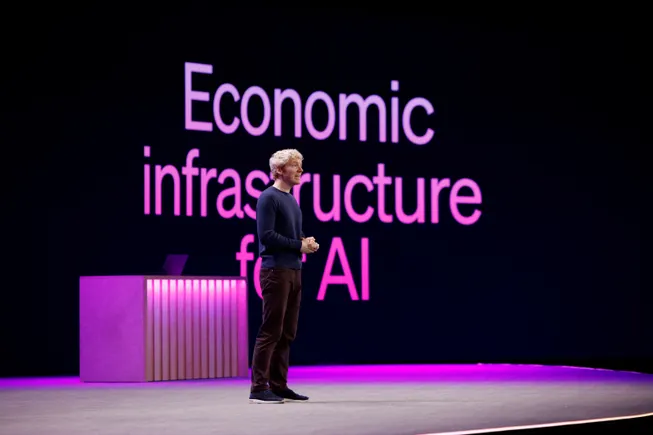
Lincoln Murr, Head of AI Product at Coinbase, articulated this foundational problem, stating in a press release, "x402 was started at Coinbase to solve a real problem — AI agents had no native, interoperable way to pay for the things they needed to do." This insight spurred the initial development of a protocol designed to facilitate seamless, secure, and verifiable transactions between AI entities and various payment infrastructures. The decision to contribute this nascent protocol to the Linux Foundation and invite broad industry participation reflects a strategic understanding that a truly effective solution requires collective effort and widespread adoption across the diverse ecosystem of internet payments and infrastructure providers. The open-source model, championed by the Linux Foundation, is seen as the most effective path to build trust, ensure transparency, and foster innovation on a global scale.
A Coalition of Industry Titans Driving Innovation
The membership of the x402 Foundation represents a formidable alignment of forces across the fintech, e-commerce, and cloud computing sectors, each bringing unique expertise and market reach to the table. This diverse consortium includes:
- Stripe: A global leader in online payment processing, known for its developer-friendly APIs and extensive merchant network. Stripe’s involvement underscores the importance of integrating AI payments into existing and future digital commerce infrastructure. Co-founder and CEO Patrick Collison has been vocal about the transformative potential of "agentic commerce," reinforcing the strategic significance of this initiative for the company.
- Adyen: A Dutch payment processor with a strong international footprint, serving many of the world’s largest companies. Adyen’s participation highlights the global applicability and need for standardized AI payment solutions.
- Shopify: A Canadian e-commerce platform that empowers millions of businesses worldwide. Shopify’s presence emphasizes the direct impact x402 could have on merchant operations, automating payments within complex e-commerce ecosystems.
- Coinbase: As the originator of the protocol, Coinbase brings deep expertise in digital assets and blockchain technology, which could play a crucial role in the underlying architecture of AI-driven payments.
- Fiserv: A major provider of financial services technology, serving banks, credit unions, and merchants. Fiserv’s involvement signifies the bridge between traditional financial infrastructure and cutting-edge AI payment solutions.
- Circle Internet Group: A global financial technology firm and the issuer of USDC, a leading stablecoin. Circle’s participation points to the potential integration of digital currencies and blockchain-based solutions within the x402 framework.
- Google and Amazon Web Services (AWS): These cloud computing giants provide the foundational infrastructure upon which much of the world’s AI and internet services operate. Their involvement is critical for ensuring the protocol’s scalability, security, and broad accessibility, as AI agents often reside and operate within their cloud environments.
The collective market capitalization and technological prowess represented by these members are staggering. In 2023, the global fintech market size was valued at approximately $266.3 billion, with projections to reach over $1.5 trillion by 2032, driven significantly by innovations in AI and automation. The combined influence of these companies means that the x402 protocol, if widely adopted, has the potential to become a de facto standard, shaping the future trajectory of digital transactions for AI.
The x402 Protocol: Design, Principles, and Vision
At its core, the x402 protocol is envisioned as an open-source framework designed to enable participating payment providers to transact securely, support multiple forms of payment, and adapt over time without locking in vendors. This vendor-agnostic approach is a cornerstone of open-source philosophy, promoting competition and innovation rather than proprietary monopolies. Key principles guiding its development include:

- Security: Given the sensitive nature of financial transactions, especially those initiated autonomously by AI, robust security measures are paramount. The protocol will incorporate advanced encryption, authentication, and authorization mechanisms to protect against fraud and unauthorized access.
- Interoperability: The ability for diverse AI agents and payment systems to communicate and transact seamlessly is crucial. x402 aims to provide a common language and set of rules, much like TCP/IP standardized internet communication, allowing different systems to "speak" to each other without custom integrations.
- Support for Multiple Payment Forms: Recognizing the evolving landscape of digital payments, including traditional fiat currencies, credit/debit cards, bank transfers, and emerging digital assets like stablecoins and cryptocurrencies, the protocol will be designed to accommodate a wide array of payment methods.
- Adaptability and Future-Proofing: Technology evolves rapidly. The open-source nature of x402, combined with its governance under the Linux Foundation, ensures that the protocol can be continuously updated, improved, and extended by the community to meet future demands and integrate new technological advancements.
- Transparency and Auditability: For AI-driven transactions, the ability to trace, verify, and audit every step of a payment process is vital for regulatory compliance, dispute resolution, and building trust.
By establishing these foundational principles, x402 seeks to unlock the full potential of agentic commerce. Imagine AI systems negotiating supply contracts, automatically paying for cloud compute resources as needed, or even personal AI assistants managing household budgets and making purchases without direct human intervention at every step. This vision promises a future where economic activity is vastly more efficient, automated, and interconnected.
A Broader Movement Towards Standardization and Collaboration
The launch of the x402 Foundation is not an isolated event but rather part of a larger trend within the technology and financial sectors towards collaborative standardization and addressing complex, systemic challenges through open-source initiatives. The timeline of recent announcements highlights this concerted effort:
- April 2026: Intent to Launch: The Linux Foundation initially announced its intention to host a foundation dedicated to AI-driven payments, laying the groundwork for the formal establishment of x402. This pre-announcement allowed for initial outreach and garnering support from key industry players.
- June 30, 2026: Open USD Initiative: Just weeks before the x402 Foundation’s official launch, a consortium of over 140 companies, including many of the same high-profile members like Visa, Stripe, American Express, Coinbase, and Klarna Group, announced their collaboration to create Open USD. This initiative aims to establish an open standard for stablecoins, digital currencies pegged to fiat assets like the U.S. dollar. The earnings from Open USD’s reserve assets are expected to be divided among participating organizations. The synergy between x402 and Open USD is clear: while x402 defines how AI agents pay, Open USD provides a standardized medium of exchange that could be seamlessly integrated into AI payment flows, bridging traditional finance with the burgeoning digital asset economy.
- June 2026: Akrites Cybersecurity Consortium: Concurrent with these payment-focused initiatives, the Linux Foundation also announced the launch of Akrites, a consortium dedicated to combating sophisticated cybersecurity threats, particularly those enabled by AI, targeting critical open-source software. This group includes financial heavyweights like JPMorgan Chase and Citigroup, alongside tech giants such as Amazon Web Services and Google. Akrites focuses on sharing information about cybersecurity vulnerabilities and pooling resources to defend against these evolving threats. This initiative is particularly relevant to x402, as the security of the underlying software infrastructure is paramount for any payment protocol, especially one dealing with autonomous AI agents. The collaboration on both fronts underscores a holistic approach to securing and standardizing the digital economy.
These parallel efforts demonstrate a clear strategic direction: address fundamental challenges (payments, digital currency, cybersecurity) through broad industry collaboration, leverage the power of open-source development, and foster interoperability to accelerate innovation and ensure a robust digital future.
Statements and Industry Reactions
The formation of the x402 Foundation has been met with significant optimism within the fintech and AI communities. Beyond Lincoln Murr’s statement, the collective action itself speaks volumes about the perceived necessity and potential impact of this standardization effort. Industry analysts and executives are likely to echo sentiments around:

- The Critical Need for Standardization: "The current payment landscape, while innovative, remains fragmented. As AI agents gain more autonomy, a unified protocol like x402 is not just an advantage, it’s a prerequisite for scalable, secure, and truly ‘smart’ commerce," noted one hypothetical industry observer.
- Enhancing Trust and Adoption: "Open-source development under a reputable entity like the Linux Foundation builds immediate trust. This transparency is crucial for financial systems, especially when AI is involved, encouraging wider adoption across diverse industries," another might comment.
- Fostering Innovation: "By abstracting away the complexities of payment integration for AI agents, developers can focus on building more intelligent applications and services, rather than reinventing the payment wheel for every new use case," a developer community leader might suggest.
- Global Collaboration: "The international representation among the founding members—from North America to Europe and beyond—underscores the global nature of this challenge and the universal benefits of a standardized approach," an international payments expert could emphasize.
The consensus appears to be that a collaborative, open-source approach is the most viable path to navigate the complexities of AI-driven payments and build a resilient digital economy for the future.
The Transformative Impact on Payments and AI
The long-term implications of the x402 Foundation and its protocol are profound, potentially reshaping various aspects of commerce, finance, and technology:
- Revolutionizing Agentic Commerce: x402 is poised to be a foundational layer for agentic commerce, enabling a new generation of AI applications that can autonomously engage in economic activities. This could range from self-optimizing supply chains that automatically pay for components and logistics, to intelligent personal assistants that manage subscriptions, pay bills, and make purchases based on user preferences and budgets.
- Boosting Economic Efficiency: By reducing friction and automating payment processes, x402 could significantly enhance economic efficiency. Lower transaction costs, faster settlement times, and reduced manual errors can translate into substantial savings for businesses and consumers alike, driving productivity across various sectors.
- Expanding Digital Asset Utility: With its capacity to support multiple payment forms, including digital assets, x402 could accelerate the mainstream adoption and utility of stablecoins and other cryptocurrencies, especially in programmatic and machine-to-machine transactions.
- Fostering a More Interconnected Financial Ecosystem: The protocol’s emphasis on interoperability will encourage greater connectivity between disparate financial systems, cloud platforms, and AI applications, breaking down silos and creating a more integrated global financial ecosystem.
- New Business Models and Market Opportunities: Standardized AI payments will lower the barrier to entry for innovators, fostering the creation of entirely new business models and services that leverage autonomous AI agents for various economic functions. This could spur a wave of entrepreneurial activity in the AI-fintech space.
- Addressing Regulatory Challenges: While the protocol itself is technical, its widespread adoption will inevitably necessitate new regulatory considerations. A standardized, transparent protocol could actually simplify regulatory oversight by providing clear frameworks for auditability and compliance in AI-driven transactions, though regulators will need to adapt.
- Elevating Cybersecurity Standards: The close collaboration with initiatives like Akrites suggests a concerted effort to bake security into the very foundation of these new payment systems, raising the overall cybersecurity posture of the digital economy against increasingly sophisticated AI-enabled threats.
Challenges and Outlook
Despite the immense potential, the x402 Foundation faces inherent challenges. Achieving widespread adoption requires not only robust technical development but also continuous engagement with a broad array of stakeholders, including smaller fintechs, traditional banks, and regulatory bodies. Governance under the Linux Foundation will be crucial in mediating diverse interests and ensuring the protocol evolves in a fair and inclusive manner. Competition from proprietary solutions or other emerging standards could also pose hurdles. However, the sheer breadth and influence of the founding members provide a strong impetus for success.
The long-term vision for x402 is to become an invisible, ubiquitous layer of the internet’s financial infrastructure, enabling AI to participate seamlessly and securely in the global economy. As AI continues its rapid advancement, the importance of such a foundational protocol will only grow. The combined efforts of the x402 Foundation, alongside initiatives like Open USD and Akrites, underscore a proactive and collaborative approach to building a more intelligent, interoperable, and secure future for digital payments and commerce. This collective journey represents a crucial stride towards an era where AI agents are not just processing information, but actively participating in and driving economic activity on a global scale.