
For some the road to salvation is green – For some, the road to salvation is green, a path less traveled, yet brimming with possibility. This exploration delves into the multifaceted interpretations of this intriguing phrase, examining diverse belief systems and metaphorical landscapes. We’ll explore how the color green, often associated with nature, hope, and growth, embodies different aspects of spiritual journeys.
The phrase “for some, the road to salvation is green” invites us to consider a variety of perspectives on the spiritual journey. It challenges us to look beyond conventional notions of salvation and to embrace the diverse ways individuals seek meaning and connection. This discussion will uncover the symbolism of green across cultures, analyze the metaphorical landscape of spiritual growth, and examine how personal experiences and contemporary issues intersect with this concept.
Exploring Diverse Interpretations
The phrase “for some the road to salvation is green” invites a journey into the depths of human belief and the diverse ways we understand spiritual journeys. It challenges us to consider the multifaceted nature of “salvation” and the varying symbols that different cultures and religions associate with the path towards it. This exploration will uncover the potential interpretations of this evocative phrase and highlight the rich tapestry of spiritual experiences.This phrase, seemingly simple, opens a gateway to profound considerations.
It suggests that the path to a state of spiritual fulfillment, or “salvation,” isn’t a singular, universally understood concept. Instead, it is colored by individual experiences, cultural perspectives, and the rich symbolic languages of various belief systems.
Possible Interpretations of “Green”
The color green, a vibrant hue found in nature, carries different symbolic weights in various cultures. In some, it signifies growth, prosperity, and abundance. In others, it might represent renewal, hope, and tranquility. Its association with nature connects it to the cyclical rhythms of life, death, and rebirth, making it a potent symbol of transformation and resilience.
Interpretations of “Salvation” Across Belief Systems
The concept of “salvation” itself is diverse, ranging from the attainment of enlightenment in Buddhism to the redemption offered through faith in Christianity. Each belief system offers its unique pathway to a state of spiritual well-being.
| Belief System | Interpretation of “Salvation” |
|---|---|
| Buddhism | Liberation from the cycle of suffering (samsara) through practices like meditation and mindfulness. |
| Christianity | Redemption from sin through faith in Jesus Christ and acceptance of God’s grace. |
| Indigenous Religions | Harmony with nature and the spiritual world through rituals and ceremonies. |
| Hinduism | Liberation from the cycle of birth and death (moksha) through various paths like devotion, knowledge, and action. |
Cultural Contexts and Belief Systems
The phrase “for some the road to salvation is green” can resonate with various belief systems. For example, in certain indigenous cultures, the concept of a “green” path might symbolize a harmonious relationship with nature, a balance between the human and natural worlds, or a journey of renewal and revitalization.
Symbolism of the Color Green in Different Cultures
Green, in many cultures, is associated with hope, fertility, and new beginnings. In some Eastern traditions, it is linked to prosperity and growth. In others, it represents nature’s life-giving energy. The color green, through its diverse associations, can act as a potent metaphor for the path to spiritual fulfillment. A green road, therefore, could symbolize a path characterized by growth, renewal, and a deep connection with the natural world.
For some, the road to salvation is green, a verdant path paved with possibilities. Unlocking those possibilities, however, often requires a little digital savvy, like harnessing the power of tools like ChatGPT for SEO optimization. This involves exploring techniques outlined in articles like unleashing the potential of chatgpt for seo , ultimately leading to a smoother, more effective path toward achieving goals, no matter how green the path to salvation truly is.
Examining the Metaphorical Landscape
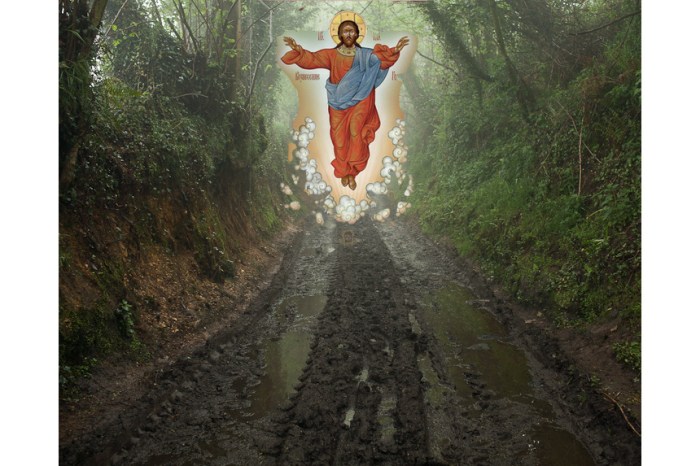
The concept of “the road to salvation” is deeply ingrained in various spiritual traditions. This metaphorical journey, often described as a path, highlights the dynamic and personal nature of spiritual growth. It’s not a fixed destination but rather a continuous process of self-discovery and transformation. Different traditions and individuals perceive this journey differently, leading to a wide range of metaphorical landscapes.
For some, the road to salvation is green, literally and figuratively. Think about the lush landscapes, the vibrant growth, and the sense of peace that nature can bring. Building a strong online presence for your business, blog, or personal brand is like nurturing a healthy garden, and a key part of that is understanding how to build links to your website.
How to build links to your website is a crucial skill for attracting the right audience and fostering growth. Ultimately, nurturing a successful online presence, just like nurturing a garden, brings a unique kind of salvation, allowing your message to reach a wider audience and blossom into something truly special.
This exploration delves into the diverse interpretations of this metaphorical path, emphasizing the challenges and opportunities encountered along the way.Understanding the metaphorical implications of “the road to salvation” requires examining the diverse landscapes employed to describe spiritual growth. Each metaphor, whether a winding path, a mountain ascent, or a vast ocean voyage, offers a unique perspective on the process of spiritual development and the obstacles that may arise.
The personal experiences and cultural contexts significantly influence the imagery chosen to represent this profound journey.
Different Paths to Spiritual Growth
Various spiritual traditions offer different perspectives on the path to spiritual growth. Some envision a straightforward path, like a well-maintained road, while others depict a more challenging and winding journey, akin to a mountain trail. This variation underscores the personal and subjective nature of spiritual experience. Individuals may choose different metaphorical paths based on their individual beliefs, values, and life experiences.
Potential Obstacles and Challenges
The metaphorical road to salvation isn’t without its obstacles. These obstacles can manifest as challenging terrain, treacherous storms, or unforeseen detours. Doubt, fear, and temptation can act as formidable barriers along the way. The ability to overcome these obstacles is often seen as a crucial element of the spiritual journey. These challenges are not necessarily negative; they can serve as opportunities for growth and deeper understanding.
Comparison of Metaphorical Landscapes
Different metaphorical landscapes offer distinct perspectives on the spiritual journey. A winding path, for instance, emphasizes the complexity and unpredictability of life’s experiences, mirroring the twists and turns of personal growth. A mountain ascent, on the other hand, highlights the arduous nature of striving for spiritual heights and the necessary effort to reach enlightenment. Each metaphor provides a framework for understanding the challenges and rewards inherent in the pursuit of spiritual growth.
Table of Metaphors for Spiritual Journeys
| Metaphor | Symbolism |
|---|---|
| A Winding Path | Represents the unpredictable nature of life’s journey, highlighting the twists and turns encountered in personal growth. |
| A Mountain Ascent | Symbolizes the arduous effort and struggle required to reach spiritual heights, emphasizing the need for perseverance and effort in the quest for enlightenment. |
| A Vast Ocean Voyage | Suggests the vastness and unpredictability of the spiritual realm, emphasizing the need for courage, resilience, and adaptability in navigating the unknown. |
| A Garden | Represents the nurturing and growth aspects of spiritual development, emphasizing the cultivation of inner peace and harmony. |
Analyzing the “Green” Element
The color green, a hue deeply intertwined with nature, often carries profound symbolic weight. From the verdant landscapes of our world to the intricate tapestries of art and literature, green frequently represents growth, hope, and a connection to the spiritual realm. This exploration delves into the multifaceted meanings of green, examining its significance across various contexts and cultures, and how it metaphorically embodies personal and spiritual journeys.The color green, with its association to nature, frequently symbolizes life, growth, and renewal.
This connection is deeply rooted in our experiences with the natural world, where green signifies the vibrant energy of spring, the lushness of summer, and the resilience of autumn. Beyond this fundamental connection, green takes on a deeper meaning in many cultural and spiritual traditions.
Significance of Green in Nature
Green is inherently linked to the natural world. Its presence in forests, fields, and gardens evokes a sense of peace and tranquility. This connection to nature often carries spiritual implications, suggesting a communion with the divine or a path towards inner harmony. The vibrant green of foliage signifies growth, fertility, and the continuous cycle of life, death, and rebirth.
Green as a Symbol of Hope and Growth
Green is often associated with hope and growth, both physically and metaphorically. The vibrant hue signifies a fresh start, the potential for progress, and the enduring strength of life. In many cultures, green represents new beginnings and the possibility of a brighter future. This optimistic association extends to spiritual growth, where green can symbolize the journey of self-discovery and the development of inner peace.
Green’s Evocation of Peace, Prosperity, and Environmental Consciousness
Green, through its association with nature, often evokes a sense of tranquility and peace. The calmness derived from observing natural settings, filled with green foliage, often translates into a feeling of serenity. Moreover, the color frequently represents prosperity and abundance, stemming from the fertile and productive nature it represents. In modern times, the color green has also become strongly associated with environmental consciousness, prompting a sense of responsibility and care for the planet.
For some, the road to salvation is green, maybe it’s the lush vibrancy of a thriving garden, or the calming serenity of a forest. But for others, that green might be a little more… technical. If you’re selling products online, showcasing them with video is key. Learn how to add product videos to your WooCommerce galleries, boosting your sales and giving customers a better experience here.
Ultimately, whether it’s a visual spectacle or a digital one, the path to success in e-commerce is often paved with a healthy dose of green.
Examples in Literature and Art
Numerous literary and artistic works employ green to symbolize spiritual themes. For example, in the works of William Blake, green often represents innocence and spiritual awakening. Similarly, the use of green in various forms of art can evoke a sense of peace and serenity, mirroring the tranquil aspects of nature. Green in these contexts often signifies a journey towards spiritual enlightenment and a connection to the natural world.
Green as a Metaphor for Personal Growth and Self-Discovery
Green can serve as a potent metaphor for personal growth and self-discovery. The gradual unfolding of a plant’s leaves, its progression from a small sprout to a mature specimen, can symbolize the unfolding of one’s potential and the journey of self-improvement. Green can thus represent the process of becoming more aware, compassionate, and mindful of oneself and the world around.
Symbolic Meanings of Green Across Cultures
| Culture/Context | Symbolic Meaning |
|---|---|
| Irish culture | Symbol of Ireland’s national identity and hope |
| Islam | Color associated with abundance and fertility |
| Chinese culture | Symbolizes harmony and prosperity |
| Ancient Egypt | Color of renewal and rebirth |
| Modern Environmentalism | Symbol of sustainability and ecological consciousness |
Considering Personal Experiences
The concept of a “green” path to salvation, as explored in the previous sections, invites profound personal interpretation. It’s not a one-size-fits-all spiritual journey, but rather a reflection of individual beliefs, values, and experiences. This section delves into the diverse ways individuals might connect with this metaphorical “green” path, drawing on personal stories and anecdotes to illustrate the profound impact of personal experiences on spiritual journeys.Personal experiences are the bedrock upon which individual perspectives on spiritual journeys are built.
They color our understanding of concepts like salvation, shaping our interpretations of symbolic representations like the “green” path. A person’s background, cultural context, and life events all contribute to a unique lens through which they view the world and their place within it. This section will explore how these personal factors play a role in understanding the diverse interpretations of the phrase “for some, the road to salvation is green.”
Personal Interpretations of “Green” Paths
Individual interpretations of the metaphorical “green” path to salvation are as varied as the individuals themselves. Some may associate green with growth, renewal, and hope, finding meaning in personal transformations and the process of self-discovery. Others might link green to nature’s restorative power, associating it with connecting with the natural world and finding solace in its beauty. Still others might view green as a representation of prosperity and abundance, connecting it with material well-being and a sense of fulfillment.
Different Ways Individuals Relate to the Idea, For some the road to salvation is green
The ways individuals relate to the concept of a “green” path to salvation are diverse. Some may see it as a tangible path, like a well-trodden trail through a lush forest, symbolizing a straightforward spiritual journey. Others might perceive it as a more abstract concept, a metaphor for the subtle shifts and gradual growth that occur throughout life.
The metaphor can also resonate with those experiencing a period of healing, connecting the color green with the process of emotional recovery and renewal.
Illustrative Personal Stories
Personal experiences can offer compelling insights into the concept of a “green” path. Consider a young woman who, after a period of profound loss, found solace in the vibrant green landscapes of a national park. The feeling of renewal and the sense of connection to nature became a key part of her spiritual journey. Another example might be a person who, through a series of difficult experiences, embraced a career in environmental conservation.
For them, the green path represented a commitment to protecting and nurturing the world around them, finding a sense of purpose and fulfillment in this work. These personal stories illustrate how personal experiences can shape individual perspectives on spiritual journeys.
Table of Personal Interpretations
| Interpretation | Personal Connection | Example |
|---|---|---|
| Growth and Renewal | Embracing personal transformation and self-discovery | A person overcoming adversity and finding strength through personal growth. |
| Nature’s Restorative Power | Connecting with nature for solace and healing | Finding peace and spiritual renewal through time spent in nature. |
| Prosperity and Abundance | Connecting material well-being with spiritual fulfillment | Finding purpose and contentment in a career or pursuit that brings personal satisfaction and prosperity. |
| Tangible Path | A clear and direct route towards spiritual development | A person following a well-defined spiritual practice or path. |
| Abstract Concept | A metaphor for subtle shifts and gradual growth | A person experiencing gradual personal change over time. |
Connecting to Contemporary Issues
The concept of a “green road to salvation” invites us to explore its relevance beyond traditional religious contexts. Modern challenges, from climate change to social inequality, demand new interpretations of this metaphor. How might this concept inspire hope and action in a world grappling with complex issues? The “green” element suggests a path toward sustainable solutions, while “salvation” could signify a collective recovery or a brighter future for all.The “green road” metaphor, often associated with environmentalism and spiritual renewal, resonates deeply with contemporary concerns.
The phrase offers a powerful image of a path forward, one that intertwines personal transformation with systemic change. It suggests a shift from destructive practices to regenerative ones, highlighting the interconnectedness of individual actions and global outcomes.
Modern Challenges and Societal Issues
Contemporary challenges like climate change, social injustice, and economic disparity present significant obstacles to a thriving future. These problems are intertwined, with environmental degradation often exacerbating existing social inequalities. The “green road” concept offers a framework for understanding how individual actions and collective efforts can address these complex issues. For example, transitioning to renewable energy sources not only reduces carbon emissions but can also create new jobs and economic opportunities, particularly in marginalized communities.
Environmentalism and Social Justice Movements
The “green road” resonates with environmentalism in its emphasis on ecological sustainability. It suggests a path towards harmonious coexistence with nature, where human activities are in balance with the environment. This aligns with social justice movements, which advocate for equitable access to resources and opportunities for all. A green path to salvation, in this context, signifies a future where environmental protection and social justice are inseparable.
Hope and Direction in Contemporary Concerns
People can find hope and direction in the “green road” metaphor by understanding its implications for their daily lives. They can participate in environmental initiatives, such as recycling, conserving energy, and supporting sustainable businesses. This collective action contributes to a broader societal transformation, offering a sense of purpose and belonging. In social justice movements, this concept promotes advocacy for equitable policies and the empowerment of marginalized communities.
This path suggests that individual actions, combined with systemic change, can pave the way for a more just and sustainable future.
Applying “Salvation” to Social and Environmental Issues
“Salvation” in this context signifies a collective recovery from harmful practices and a transition to a more sustainable and equitable society. It’s not about individual redemption, but about a societal healing process. Environmental salvation entails restoring damaged ecosystems and transitioning to renewable energy sources. Social salvation involves dismantling systems of oppression and creating a society that values human dignity and equality.
This shift from a destructive path to a regenerative one is the “green road.”
The “Green” Path and Addressing Contemporary Issues
The “green” path embodies a commitment to sustainability and resilience. It suggests a way forward that prioritizes environmental protection and social justice. This approach is not just about reducing our environmental footprint; it’s about building a more equitable and sustainable future. A green economy can generate jobs and improve the well-being of communities. Environmental protection is not a separate issue from social justice; it is intrinsically linked.
Traditional vs. Contemporary Interpretations
| Aspect | Traditional Interpretation | Contemporary Interpretation |
|---|---|---|
| Focus | Individual spiritual redemption | Collective societal recovery |
| Path | Religious doctrines and practices | Sustainable practices and social justice |
| Goal | Eternal salvation | Sustainable and equitable future |
| Example | Following religious precepts for personal salvation | Advocating for environmental policies and social justice reforms |
Exploring Literary and Artistic Representations
The concept of a “green road to salvation” transcends literal interpretation. To truly understand its power, we must delve into how artists and writers have used similar imagery to convey spiritual journeys and the search for meaning. This exploration reveals the profound role of metaphor and symbolism in shaping our understanding of the divine and the human experience.Literary and artistic works often utilize powerful imagery to represent abstract concepts like salvation.
The “green road” metaphor, in particular, invites us to consider its various interpretations through different artistic lenses. By examining how different mediums have depicted this journey, we gain a richer understanding of the human desire for spiritual growth and connection.
Literary Representations of the Green Road
Literature frequently employs color symbolism to represent emotions and spiritual states. Green, often associated with growth, hope, and renewal, becomes a potent symbol in depicting journeys toward enlightenment.
- In J.R.R. Tolkien’s
-The Lord of the Rings*, the journey undertaken by Frodo and his companions is often portrayed as a path, symbolic of spiritual development. The journey through various landscapes, with their diverse colours and terrains, reflects the arduous and transformative nature of the quest for redemption. - The
-Green Man*, a recurring motif in folklore and literature, represents renewal and the cyclical nature of life. The imagery of the Green Man, often depicted with vibrant green foliage and leafy branches, encapsulates the transformative power of nature and the promise of rebirth in the face of adversity. - In various mystical traditions, the journey toward enlightenment is often described as a pilgrimage or a quest for hidden knowledge. The “green road” could be interpreted as a metaphorical representation of this arduous journey, where the challenges encountered along the way are seen as opportunities for growth and spiritual transformation.
Artistic Interpretations of the Green Road
Visual arts, including paintings, sculptures, and films, have also employed the “green road” metaphor to convey spiritual concepts. The visual representation of the path and the surrounding environment can significantly influence the interpretation.
- Paintings featuring a winding green path leading to a luminous destination often symbolize the quest for spiritual enlightenment. The winding nature of the path suggests the complexities and challenges inherent in the spiritual journey, while the luminous destination represents the ultimate goal.
- Sculptures that incorporate green elements, such as vibrant foliage or verdant stone, may represent the transformative power of nature in the spiritual quest. The materials and textures used in the sculptures can contribute to the overall symbolic meaning, linking the green elements to ideas of growth, rebirth, and renewal.
- Films, with their capacity to weave narratives and visuals, can effectively portray the “green road” metaphor. For example, a film depicting a character’s journey through a lush, green forest towards a secluded temple or shrine can represent the spiritual awakening of the character, with the green landscape serving as a backdrop for their inner transformation.
Table of Artistic Interpretations
| Medium | Example | Symbolic Meaning |
|---|---|---|
| Literature | *The Lord of the Rings* | Journey toward redemption, spiritual development |
| Literature | The Green Man motif | Renewal, cyclical nature of life, rebirth |
| Painting | Paintings with a winding green path | Spiritual quest, challenges in the journey, ultimate goal |
| Sculpture | Sculptures with green elements | Transformative power of nature, growth, rebirth |
| Film | Films depicting a journey through a green forest | Spiritual awakening, inner transformation |
Final Thoughts: For Some The Road To Salvation Is Green
Ultimately, “for some, the road to salvation is green” signifies a personalized and potentially unconventional approach to spiritual growth. It highlights the importance of individual interpretation, cultural context, and the diverse pathways toward meaning and fulfillment. The color green, a powerful symbol of nature and growth, represents the potential for personal transformation and a connection with something larger than ourselves.
The journey, though unique, is ultimately one of hope and possibility.