How an AI Investment Advisor Uncovered Hidden Stock Exposure and Avoided Five-Figure Losses


The integration of artificial intelligence into personal finance management has reached a new milestone following a detailed case study involving complex net worth tracking and automated portfolio auditing. Financial technology platform Mezzi, an SEC-registered investment adviser, recently demonstrated the practical utility of generative AI in wealth management by identifying roughly $300,000 in uncalculated stock exposure within a diversified multi-account portfolio. The discovery highlights a pervasive issue among high-net-worth individuals and long-term retail investors: the tendency to anchor portfolio valuations to historical price points while failing to account for underlying equity overlaps in passive index funds.
Background Context and Portfolio Complexity
Managing a multi-decade investment portfolio across numerous accounts often leads to fragmented visibility. Long-term equity accumulation typically involves a mix of taxable brokerage accounts, traditional Individual Retirement Accounts (IRAs), Roth IRAs, and employer-sponsored 401(k) plans. Over time, investors frequently lose sight of their exact asset allocation percentages, particularly when holding substantial individual stock positions alongside broad-market exchange-traded funds (ETFs) such as the S&P 500.
In this instance, the investor held a direct individual equity position in Google that had been accumulated over a 15-year period, beginning around the company’s initial public offering timeline. Mental accounting placed the total direct exposure to the stock between $900,000 and $1,000,000. However, because major technology corporations comprise significant weightings—often approximately 6%—within the S&P 500 index, passive index funds held across various retirement and brokerage accounts were quietly compounding that underlying exposure.

When the AI-powered portfolio management tool performed a comprehensive diversification analysis, it revealed that the true aggregate exposure to the single equity exceeded $1.3 million. This hidden concentration presented an unintended risk profile that standard static dashboards and historical spreadsheets failed to capture.
The Role of Interactive AI Wealth Management
Traditional personal finance applications rely primarily on static reporting, offering historical balance sheets and basic charts after market movements have already occurred. In contrast, emerging wealth management platforms utilize interactive artificial intelligence layers designed to ingest multi-institution data, analyze underlying holdings, and answer granular queries regarding true stock weightings, fee structures, and tax liabilities.
The platform utilized in this analysis, Mezzi, was founded by Manish Jain and has spent approximately three years in development and market refinement before scaling its consumer offerings. Operating as an SEC-registered investment adviser, the platform allows users to interrogate their financial data using natural language prompts, establishing continuous monitoring systems that function as automated risk-management assistants.
Chronology of the Portfolio Adjustment and Market Reaction
The identification of the hidden equity exposure triggered a strategic portfolio rebalancing sequence:
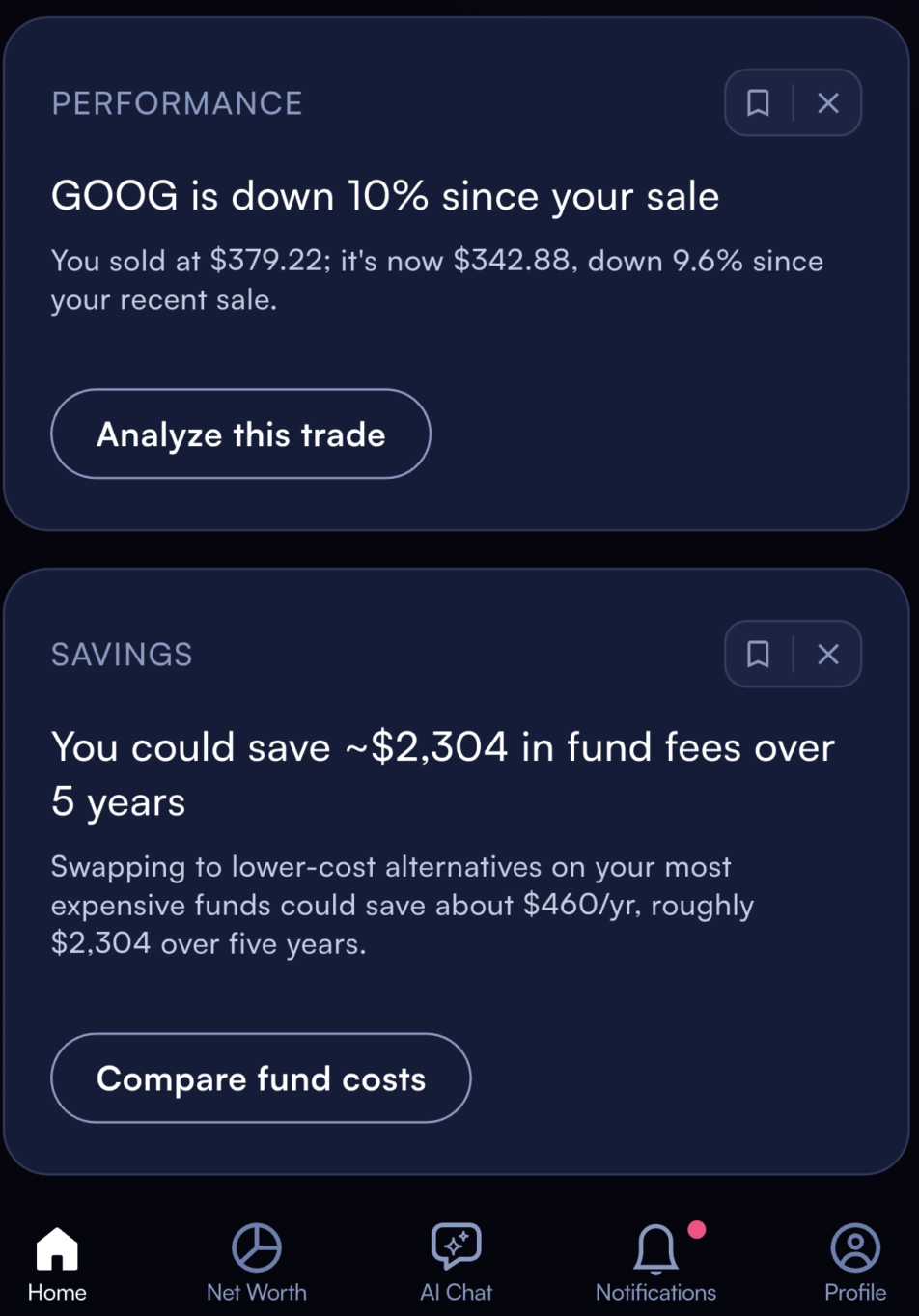
- Portfolio Audit: The AI wealth advisor completed an aggregate scan of multiple linked financial accounts, uncovering the $300,000 discrepancy between perceived and actual equity concentration.
- Strategic Recommendation: The system’s diversification analysis recommended reducing the specific equity weighting by approximately $400,000 to re-establish a balanced risk profile.
- Execution: Acting on the analytical insight, the investor trimmed the position by selling $200,000 of the equity within tax-advantaged accounts, allocating a portion to cash while systematically reinvesting the remainder into broad-market index funds over a 30-day period.
- Market Event: Several weeks following the execution of the trade, corporate leadership shifts and regulatory pressures impacted the technology sector, resulting in a sudden 10% pullback in the target stock’s valuation.
- Mitigation: By proactively executing the rebalancing plan, the portfolio sidestepped more than $20,000 in unrealized losses during the market correction.
Behavioral Finance Implications and Cognitive Bias
The case sheds light on several classic cognitive biases documented in behavioral finance, notably the ostrich effect and anchoring bias. Investors frequently ignore underperforming assets—such as protracted value traps or declining equity positions—because monitoring them evokes negative psychological responses. In this instance, initial estimates regarding capital losses in a retail stock position (such as a consumer goods holding impacted by macro trends) differed significantly from reality, with actual losses doubling initial mental estimates.
Advanced algorithmic tools assist in mitigating these behavioral blind spots by presenting objective data without emotional filters. Furthermore, automated tax-loss harvesting and capital gains planning modules within modern advisory software allow investors to strategically offset long-term gains by systematically realizing losses in underperforming assets, optimizing overall tax efficiency.
Broader Industry Impact and Future Outlook
The integration of artificial intelligence into wealth management signifies a broader shift in financial technology, where distribution and proprietary data interfaces serve as critical competitive moats. As retail and high-net-worth portfolios grow increasingly complex—often spanning dozens of accounts across multiple institutions—manual oversight becomes statistically insufficient to prevent concentration risks and invisible S&P 500 overlaps.
Regulatory frameworks governing SEC-registered digital advisers continue to evolve as automated tools take on more analytical and advisory functions. While algorithmic platforms do not eliminate market risk, their capacity to provide real-time, cross-institution visibility transforms how investors manage concentration risk, tax efficiency, and asset allocation discipline in an increasingly volatile macroeconomic environment.
Related posts: