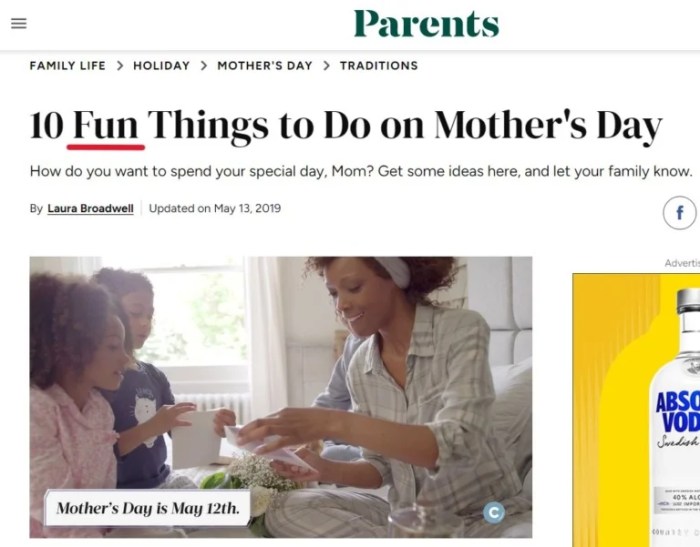
How to write headlines is crucial for grabbing attention and driving clicks. This guide dives deep into crafting compelling headlines, from understanding structure to testing and optimization, and even covers headline writing for various platforms and content types.
Learn how to use strong verbs, pose intriguing questions, and incorporate numbers to create headlines that truly stand out. We’ll explore the psychology behind effective headlines and show you how to tailor your approach to specific audiences.
Understanding Headline Structure
A compelling headline is the first impression you make on a reader. It’s your chance to grab their attention and entice them to learn more. Crafting a headline that accurately reflects the content and sparks curiosity is crucial for effective communication. A well-structured headline uses specific components to maximize its impact.A strong headline is more than just a few words; it’s a carefully designed message that conveys the essence of the article or content.
Understanding the components of a headline, and how they function, is vital for creating effective headlines that not only attract attention but also accurately represent the content. This understanding allows you to create headlines that resonate with your target audience and encourage them to engage with your work.
Common Headline Components
Effective headlines are built on several key components, each playing a distinct role in capturing attention and conveying meaning. Recognizing and understanding these components allows you to craft headlines that are not only compelling but also informative.
| Headline Component | Function | Effective Use Examples |
|---|---|---|
| Subject | Identifies the topic or subject matter of the headline. | “5 Tips for Better Sleep”, “Effective Time Management Techniques”, “Top 10 Destinations for Foodies” |
| Verb | Indicates the action, state, or process related to the subject. | “Boost Your Productivity”, “Master the Art of Negotiation”, “Unlock Your Creativity” |
| Modifiers | Provide further detail, clarification, or emphasis on the subject and verb. This can include numbers, adjectives, and adverbs. | “5 Proven Ways to Boost Your Productivity”, “The Ultimate Guide to Mastering Negotiation”, “10 Incredible Destinations for Foodies” |
| s | Words or phrases that relate to the headline’s subject and are frequently searched by your target audience. | “Time Management Strategies”, “Productivity Hacks”, “Travel Destinations”, “Budget Travel Tips” |
| Call to Action (Implicit or Explicit) | Encourages the reader to take a specific action, such as reading the article, visiting a website, or signing up for a service. Can be implicit or explicit. | “Unlock Your Creativity Today”, “Master Negotiation Techniques Now”, “Discover Your Ideal Vacation Destination” |
Importance of Each Component
Each component of a headline contributes to its overall effectiveness. A clear subject, a strong verb, and relevant modifiers paint a picture for the reader and create anticipation for what’s to come.
Crafting compelling headlines is key for any blog post, but did you know that visually appealing navigation menus can also significantly boost engagement? For instance, adding image icons to your WordPress navigation menus can make your site pop, like learning how to create a visually engaging menu system. Check out this helpful guide on how to add image icons with navigation menus in WordPress for some fantastic tips.
Ultimately, a strong headline paired with a user-friendly design will bring readers back for more!
Headline Writing Techniques
Crafting compelling headlines is crucial for capturing attention and driving clicks. A well-written headline acts as a powerful gateway, enticing readers to delve deeper into your content. Understanding the various techniques behind effective headline creation can significantly boost your content’s visibility and engagement. Mastering these techniques will allow you to craft headlines that not only attract attention but also accurately reflect the content’s value proposition.Headline writing is more than just stringing words together; it’s a strategic process of communicating value concisely and persuasively.
This section delves into a variety of headline writing techniques, from using strong verbs to employing intriguing questions and leveraging the power of numbers. We will also explore how to create headlines that pique curiosity and leave readers wanting more.
Using Strong Verbs
Strong verbs immediately convey action and urgency, grabbing the reader’s attention. They create a sense of dynamism and impact, setting the stage for engaging content. Choosing the right verb can significantly alter the perception of your headline, making it more compelling and memorable.
- Instead of: “Learn about Social Media Marketing,” try: “Master Social Media Marketing Strategies.”
- Instead of: “Tips for Improving Your Website,” try: “Transform Your Website with These Proven Tips.”
Employing Questions
A well-crafted question can spark curiosity and prompt readers to seek answers. However, the question should be relevant to the content and encourage engagement. Questions should not be rhetorical; they should be designed to pique interest and lead readers to discover the solution within the content.
- Example: “Are you struggling to boost your online presence?”
- Example: “How can you increase your website traffic in a month?”
Utilizing Numbers
Numbers can add a sense of structure, clarity, and authority to your headlines. They can highlight specific findings, quantifiable results, or a concise overview of key points.
- Example: “7 Proven Strategies for Increasing Website Traffic”
- Example: “Top 5 Mistakes to Avoid in Social Media Marketing”
Creating Intrigue and Curiosity
Intriguing headlines spark curiosity and prompt readers to want to uncover the details. They hint at valuable insights or unexpected revelations. Crafting a sense of mystery can lead to increased engagement.
- Example: “The Secret Weapon to Boosting Your Sales”
- Example: “What They Don’t Tell You About Email Marketing”
Incorporating Power Words, How to write headlines
Power words are evocative terms that evoke specific emotions and associations. They can instantly grab attention and add impact to your headlines. Using power words effectively can significantly increase the appeal of your headline. Choosing the right power words can help you connect with your audience on a deeper level.
- Examples of power words include: “Proven,” “Effective,” “Secrets,” “Unlock,” “Transform,” “Boost,” “Maximize.”
Headline Writing Techniques Table
| Technique | Example Headline | Intended Effect |
|---|---|---|
| Strong Verbs | “Master Your Social Media Presence Today” | Creates a sense of urgency and action. |
| Questions | “Are You Missing Out on These Strategies?” | Sparks curiosity and encourages engagement. |
| Numbers | “5 Steps to a More Engaging Website” | Highlights structure, clarity, and authority. |
| Intrigue/Curiosity | “The Unexpected Truth About Content Marketing” | Piques interest and encourages exploration. |
| Power Words | “Unlock Explosive Growth with Our Marketing Strategies” | Evokes strong emotions and associations. |
Targeting Specific Audiences
Crafting compelling headlines isn’t just about using catchy words; it’s about understanding your audience. A headline that resonates with one group might fall flat with another. This crucial aspect of headline writing requires a deep dive into the needs, interests, and pain points of your specific target demographic. Tailoring your headlines ensures your message reaches the right people and drives desired engagement.Effective headlines are tailored to specific audiences.
This requires a thorough understanding of their motivations, aspirations, and the language they use. By speaking directly to their needs and interests, you significantly increase the likelihood of capturing their attention and driving conversions. This targeted approach allows for a more precise and effective communication strategy.
Identifying Target Audience Needs and Interests
Understanding your audience is paramount to crafting relevant headlines. This involves more than just demographics; it delves into their psychographics, values, and aspirations. Consider their daily challenges, their goals, and the language they use to describe their problems. Researching forums, social media groups, and online communities relevant to your target audience is key. Analyze their online behavior, paying close attention to the content they consume and engage with.
Examples of Tailored Headlines
Here are some examples of headlines tailored to different demographics and interests, demonstrating the power of audience-specific language:
- For environmentally conscious millennials: “Eco-Friendly Home Solutions: Save Money, Save the Planet.” This headline appeals to their desire for sustainability and cost-effectiveness.
- For busy professionals: “5 Quick Tips to Boost Productivity at Work.” This concise headline targets their need for time-saving strategies and efficiency.
- For parents: “Fun Educational Activities for Kids: Learn and Play.” This headline speaks to their need for engaging and educational activities for their children.
Audience Segmentation and Headline Examples
To further illustrate the importance of audience targeting, here’s a table showcasing how headlines can be tailored to different segments:
| Audience Segment | Characteristics | Suitable Headline Examples |
|---|---|---|
| Millennials (18-35) | Tech-savvy, value experiences, environmentally conscious | “Sustainable Living Hacks for the Modern Home,” “Eco-Friendly Travel Destinations,” “Future-Proof Your Finances” |
| Gen Z (10-25) | Digitally native, focused on social impact, interested in creativity | “Creative Ways to Make a Difference,” “Digital Art Trends for Gen Z,” “Sustainable Fashion for Gen Z” |
| Busy Professionals (25-55) | Time-constrained, value efficiency, seeking solutions | “5 Productivity Hacks for Busy Professionals,” “Streamline Your Workflow,” “Boost Your Work-Life Balance” |
| Parents (25-55) | Prioritize family, value educational resources, seek fun activities | “Fun Learning Activities for Kids,” “Creative Activities for the Whole Family,” “Easy Dinner Recipes for Busy Families” |
Headline Testing and Optimization
Headline testing isn’t just about guessing what works; it’s a crucial step in optimizing your content for maximum impact. Understanding what resonates with your audience requires a systematic approach, and testing different headlines allows you to identify the most effective options. By analyzing the results, you can refine your approach and ensure your headlines are driving the desired results.Testing headlines is not a one-time exercise; it’s an iterative process of refinement.
Crafting compelling headlines is key, but the digital landscape is constantly shifting. Think about how the recent changes impacting online advertising, like the end of an era—say goodbye to Google’s third party cookies here —are forcing us to rethink our strategies. Ultimately, understanding these evolving trends is crucial for creating headlines that still grab attention and drive clicks.
You’ll find that the best headlines often emerge from a series of experiments and adjustments based on the data collected. This data-driven approach leads to significant improvements in click-through rates and conversions.
A/B Testing Methods
A/B testing is a powerful technique for comparing two versions of a headline to see which performs better. It’s a controlled experiment that helps you understand what elements of your headline are most effective in attracting your target audience.
- Split testing involves dividing your audience into two groups, each seeing a different version of the headline. This is a common practice in online advertising and marketing. This method is crucial for isolating the impact of the headline variations.
- Multivariate testing goes a step further, comparing multiple variations of the headline simultaneously, along with other elements like images or calls to action. This comprehensive approach identifies the most impactful combination of elements for driving desired outcomes. This is particularly valuable when you want to optimize for various aspects beyond just the headline itself.
Example Scenarios and Outcomes
Let’s consider a scenario where you’re promoting a new fitness app.
| Headline A | Headline B | Metric | Outcome |
|---|---|---|---|
| “Get Fit, Stay Healthy: The Ultimate Fitness App” | “Achieve Your Fitness Goals with Our Easy-to-Use App” | Click-Through Rate (CTR) | Headline B had a 15% higher CTR. |
| “Download Now and Start Your Journey” | “Unlock Your Potential: Download Now” | Conversion Rate (new users) | Headline B had a 10% higher conversion rate. |
These results highlight how different approaches can yield varying outcomes. Analyzing the differences in wording, tone, and emphasis in these examples can guide future headline creation.
Analyzing Results and Data-Driven Decisions
A key element of successful headline testing is understanding how to analyze the results effectively. It’s not enough to simply see which headline performed better; you need to understand – why*.
- Statistical significance is crucial in evaluating the results. A statistically significant difference means the observed difference in performance isn’t due to chance.
- Qualitative analysis is just as important as quantitative analysis. Consider why one headline might resonate more than another. What are the emotions, needs, or motivations each headline taps into?
Tracking and Measuring Effectiveness
Tracking the performance of your headlines is essential to understand which ones are truly effective. Here’s a sample data set:
| Headline | Clicks | Conversions | CTR | Conversion Rate |
|---|---|---|---|---|
| “Effortless Fitness: Download Today” | 150 | 50 | 10% | 33% |
| “Unlock Your Inner Athlete” | 120 | 40 | 8% | 33% |
This data illustrates how to measure the effectiveness of different headlines based on click-through rates and conversions. By comparing these metrics, you can identify which headlines resonate most strongly with your target audience.
Headline Examples Across Different Platforms: How To Write Headlines
Crafting compelling headlines is crucial for grabbing attention and driving engagement across various platforms. A well-written headline can significantly impact click-through rates, conversions, and overall user experience. Understanding the nuances of headline writing for specific platforms and content types is essential for maximizing their effectiveness.
Crafting compelling headlines is key to grabbing attention and driving traffic. But strong headlines are only part of the puzzle when it comes to boosting on site conversion performance. You need to understand your audience and what motivates them to take action. By focusing on clear, concise language that highlights the value proposition of your content, you can significantly increase the likelihood of users converting.
Ultimately, effective headlines, coupled with a user-friendly website design, lead to higher conversion rates. Learn more about optimizing your website for conversions at boosting on site conversion performance.
Headline Examples Across Platforms
Headline effectiveness hinges on the platform and the content it’s intended for. Different platforms have different expectations and styles. A headline that works brilliantly on a social media post might fall flat on a product landing page. Tailoring headlines to the specific platform is key to capturing attention and achieving the desired outcome.
| Platform | Content Type | Headline | Intended Effect |
|---|---|---|---|
| Social Media (Twitter) | Article | “5 Surprising Ways AI is Changing Your Life Right Now!” | Intrigue, drive clicks, generate engagement |
| Social Media (Facebook) | Blog Post | “Unlocking Productivity Hacks: 10 Tips for a More Efficient Workday” | Informational, build trust, promote engagement |
| Website (Blog) | Article | “The Ultimate Guide to Mastering for Beginners” | Authority, trust, credibility, clear value proposition |
| Website (Product Landing Page) | Product Description | “Effortless Productivity: Introducing the New Streamline Task Manager” | Highlight key features, emphasize ease of use, create desire |
| Email Newsletter | Article | “Exclusive: Top 3 Secrets to Increase Your Website Traffic” | Intrigue, urgency, exclusivity, generate open rates |
| Email Newsletter | Product Announcement | “Introducing the Revolutionary New [Product Name]: Save Time, Effort, & Money!” | Highlight product benefits, create excitement, drive conversions |
Headlines for Different Content Types
The content type significantly influences the headline. A headline for a product description needs to focus on benefits and features, while a blog post headline should be more informative and engaging.
- For articles, headlines should clearly convey the topic and provide a reason for the reader to click. For example, “5 Ways to Boost Your Sales This Year” or “Top 10 Mistakes to Avoid When Starting a Blog.”
- Blog post headlines should be more conversational and engaging. Examples include “Why Your Blog Needs a New Strategy” or “The Secret to Getting More Subscribers.”
- Product descriptions should highlight the product’s key features and benefits, encouraging potential customers to purchase. For example, “The All-New [Product Name]: Streamline Your Workflow Today!” or “Introducing the [Product Name]: Your Solution to [Problem]”.
Avoiding Common Headline Mistakes
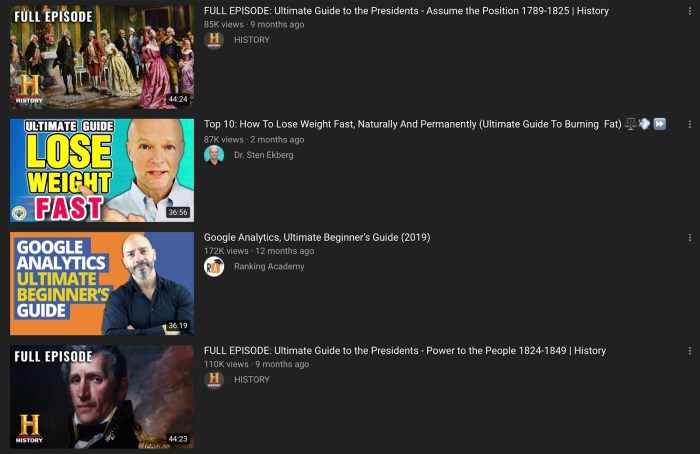
Crafting compelling headlines is crucial for grabbing attention and driving engagement. However, common pitfalls can significantly diminish the effectiveness of your headline, hindering your ability to connect with your target audience. Understanding these mistakes and their impact allows you to create headlines that are clear, concise, and impactful, ultimately leading to higher click-through rates and conversions.Effective headlines are more than just catchy phrases; they accurately reflect the content and value proposition of the article or piece.
By avoiding common pitfalls, you can ensure your headlines effectively communicate the core message and entice readers to explore further.
Overly Vague or General Headlines
Generic headlines lack specific details and fail to communicate the unique value proposition of your content. They often leave readers wondering exactly what the article is about, making them less likely to click.
- Mistake: “Business Tips”
Why it fails: This headline is too broad and doesn’t give readers any indication of the specific advice or solutions contained within. It doesn’t pique curiosity or tell them what they will gain.
- Improvement: “5 Proven Strategies to Boost Your Small Business Sales This Quarter”
Why it’s better: This headline is specific, highlighting the number of strategies, the target audience (small businesses), and the potential benefit (increased sales). It provides a clear expectation of what the reader will find.
Clickbait Headlines
While some clickbait headlines might generate short-term traffic, they often damage brand reputation and reader trust in the long run. They often promise something they don’t deliver, or use sensational language that is not justified by the content.
- Mistake: “You Won’t BELIEVE What Happened Next!”
Why it fails: This headline uses overly dramatic language and makes a promise that might not be fulfilled. It often relies on emotional manipulation rather than genuine value.
- Improvement: “Unveiling the Unexpected Challenges and Triumphs of Starting a Tech Startup”
Why it’s better: This headline is intriguing but focuses on a realistic topic, avoiding overly sensational language. It provides a glimpse into the content’s subject matter.
Headlines with Typos or Grammatical Errors
A headline with a typo or grammatical error immediately creates a negative impression. It suggests a lack of attention to detail and can reflect poorly on the author and the publication.
- Mistake: “How to Market Your Bussines”
Why it fails: A simple typo diminishes credibility and readability.
- Improvement: “How to Effectively Market Your Business”
Why it’s better: This corrected headline maintains clarity and professionalism.
Headlines that are Too Long or Confusing
Long, complex headlines are difficult to read and understand quickly. They often overwhelm readers and make them less likely to click. Keep headlines concise and easy to grasp.
- Mistake: “Strategies for Optimizing Your Social Media Presence Across Multiple Platforms Including Facebook, Instagram, Twitter, and LinkedIn to Increase Brand Awareness and Drive Customer Engagement”
Why it fails: The length and complexity make it difficult to comprehend the core message at a glance. It’s overwhelming and unclear.
- Improvement: “Maximize Your Social Media Impact: A Multi-Platform Strategy”
Why it’s better: This headline is concise, highlighting the key idea without overwhelming the reader.
Headline Writing for Different Content Types
Crafting compelling headlines is crucial for capturing attention and driving engagement, but the best approach varies significantly depending on the type of content. A headline for a product review needs to be different from a headline for a blog post about current events. Understanding these nuances allows you to tailor your headlines to maximize impact and achieve your communication goals.A well-written headline acts as a powerful hook, grabbing the reader’s attention and prompting them to delve deeper into the content.
The headline sets the stage, influencing whether or not a reader will engage with the piece. This necessitates careful consideration of the intended audience, the specific content type, and the desired outcome.
Headline Nuances for Different Content Types
Headline effectiveness is highly dependent on the context. A captivating headline for a blog post about a trending topic might not resonate with a reader browsing product descriptions. To ensure maximum impact, it’s essential to tailor your headlines to the specific content type and target audience.
- Articles: Article headlines should be informative and engaging, highlighting the key takeaway or the central theme. They should clearly indicate the topic and its significance to the reader. For example, a headline for an article on the benefits of meditation might read, “Unlocking Inner Peace: The Transformative Power of Meditation.” This headline clearly indicates the topic and promises value to the reader.
- Blog Posts: Blog post headlines should be concise, attention-grabbing, and reflective of the post’s content. They should pique the reader’s curiosity and suggest valuable insights. A headline like “5 Proven Strategies for Boosting Your Productivity” is designed to draw in readers interested in productivity tips. It promises a structured and actionable guide.
- Product Descriptions: Product descriptions need headlines that highlight the product’s unique selling points (USPs). They should emphasize benefits and create a sense of urgency or desirability. For instance, a headline for a new fitness tracker might be, “Track Your Progress, Unleash Your Potential: Introducing the Apex Fitness Tracker.” This headline focuses on the product’s benefits and uses a compelling call to action.
- Advertising: Advertising headlines need to be short, memorable, and persuasive. They should immediately communicate the value proposition and create a desire for the product or service. A headline like “Experience the Future of Travel with FlyHigh Airlines” is designed to pique the interest of travelers looking for a unique experience.
Headline Matching for Optimal Engagement
Matching the headline to the content is paramount. A headline that misrepresents the content’s focus will deter readers. A headline promising “revolutionary new software” for a blog post about gardening tools would be misleading and likely result in lost engagement.
| Content Type | Headline Focus | Example Headline |
|---|---|---|
| Articles | Informative, engaging, central theme | “The Unexpected Benefits of Daily Walks” |
| Blog Posts | Concise, attention-grabbing, valuable insights | “7 Simple Steps to a More Organized Home” |
| Product Descriptions | Highlighting USPs, benefits, urgency | “Limited-Time Offer: 50% Off All New Sneakers” |
| Advertising | Short, memorable, persuasive, value proposition | “Get Your Dream Car Today” |
Creating Headlines That Generate Clicks
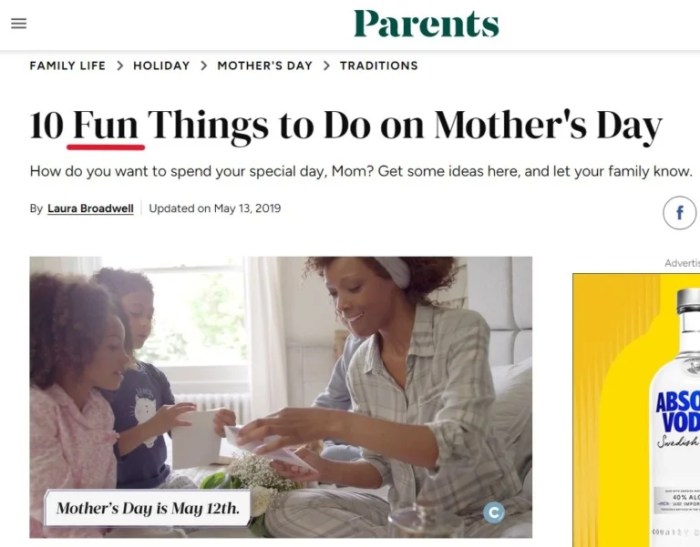
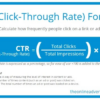
Crafting headlines that grab attention and drive clicks is a crucial skill for content creators and marketers. Effective headlines are more than just catchy phrases; they tap into the psychological motivations that influence readers’ decisions to engage with your content. Understanding these principles is essential for maximizing your click-through rates (CTR).A well-written headline acts as a powerful magnet, drawing readers into your content.
It’s the first impression, and a compelling headline can be the difference between a reader engaging with your work and moving on to something else. This section delves into the psychological triggers behind effective headlines and practical techniques to elevate your CTR.
Psychological Principles Behind Click-Generating Headlines
Readers are constantly bombarded with information. A compelling headline needs to cut through the noise and quickly communicate the value proposition. Understanding the psychological principles that drive click behavior is essential for crafting effective headlines. These principles include creating a sense of urgency, curiosity, and relevance to the reader’s needs.
Methods for Creating Intriguing Headlines
Crafting headlines that pique reader interest requires a strategic approach. Consider these methods to create headlines that stand out:
- Highlighting Benefits and Solutions: Frame headlines around the benefits your content offers. Instead of focusing on the features, emphasize how the reader will be better off by consuming the content. For example, “Boost Your Productivity in 15 Minutes” is more compelling than “Learn New Productivity Techniques.”
- Utilizing Numbers and Lists: People are drawn to clear, concise information. Headlines that use numbers, lists, or bullet points create a sense of structure and organization, making the content seem more manageable and easily digestible. An example is “7 Proven Strategies for Effective Time Management.”
- Creating a Sense of Urgency: Time sensitivity can be a powerful motivator. Headlines that imply a deadline or limited-time offer can increase click-through rates. For example, “Limited-Time Offer: Get 20% Off Your Next Purchase.” This technique should be used cautiously, however, as it can backfire if not authentic.
- Incorporating Strong s: Researching relevant s and incorporating them into your headlines can improve visibility in search results and attract readers who are actively searching for information. For example, “Top 10 Strategies for Beginners” will attract those seeking information.
Techniques to Increase Click-Through Rates (CTR)
Optimizing your headlines for higher click-through rates requires careful consideration of several factors. Here are key techniques to improve CTR:
- A/B Testing: Experiment with different headline variations to see which performs best. Analyze the results to identify patterns and tailor future headlines accordingly.
- Understanding Your Target Audience: Tailor your headlines to resonate with the specific needs and interests of your target audience. Know what problems they’re trying to solve and how your content can help.
- Considering Platform-Specific Best Practices: Different platforms have different preferences regarding headline length, tone, and style. Adapt your approach to align with the platform’s expectations.
- Using Emotionally-Charged Language: Words that evoke feelings, such as excitement, curiosity, or urgency, can effectively capture attention. Use them judiciously, though, as overusing them can appear insincere.
Examples of High-CTR Headlines and Why They Work
Examining successful headlines provides valuable insights into what resonates with readers.
- ” Unlock the Secrets to a Stress-Free Life“: This headline uses intrigue and promises a solution to a common problem. The word “secrets” suggests exclusivity and value.
- ” 5 Simple Steps to Declutter Your Home in 20 Minutes“: This headline uses a list format, indicating a clear path to a goal. It also includes a timeframe, which can encourage a sense of urgency.
Summary
In conclusion, crafting compelling headlines is a multifaceted process that involves understanding your audience, using the right techniques, and continuously testing and refining your approach. By applying the strategies in this guide, you can transform your headlines from simple text into powerful tools for attracting readers and boosting engagement.