LABITCONF 2026 arrives with its HODL edition as the global epicenter of Bitcoin and Artificial Intelligence convergence

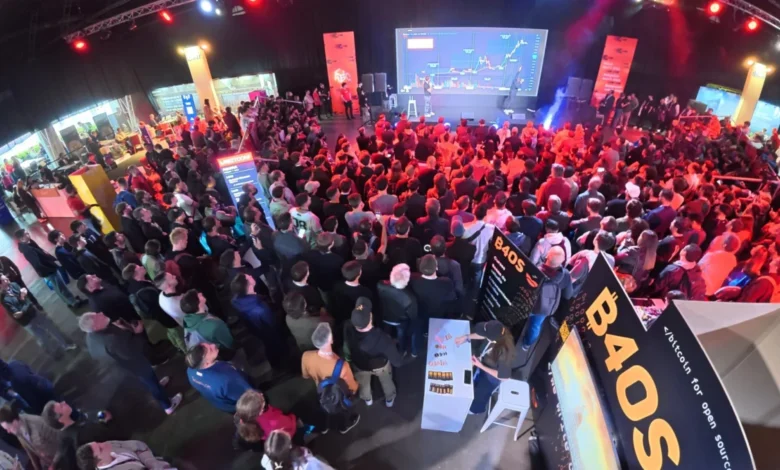
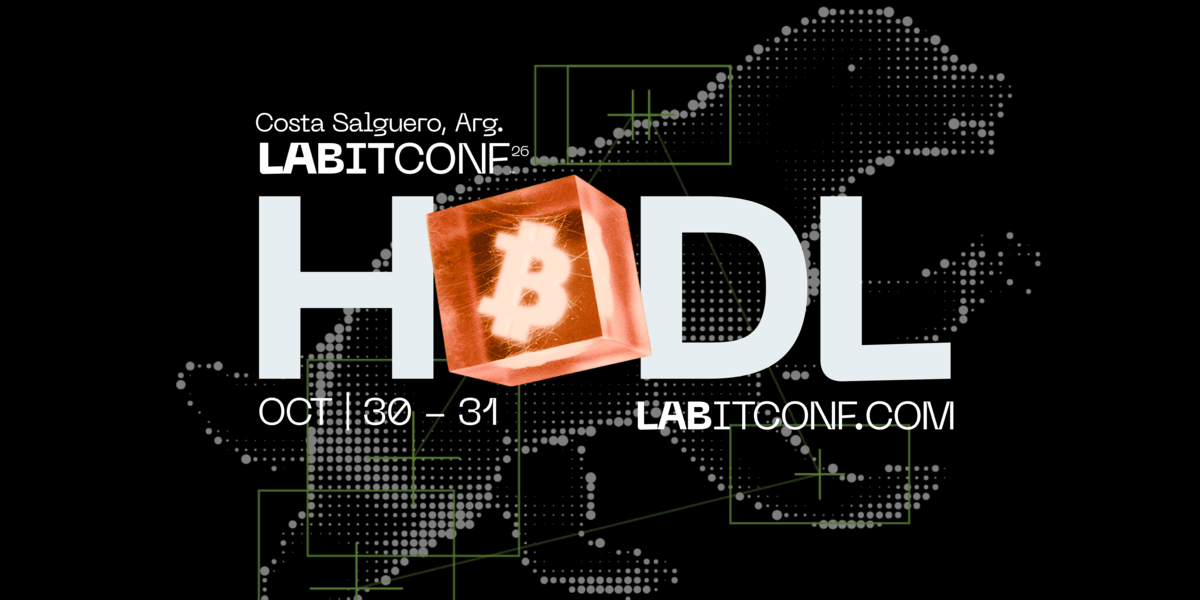
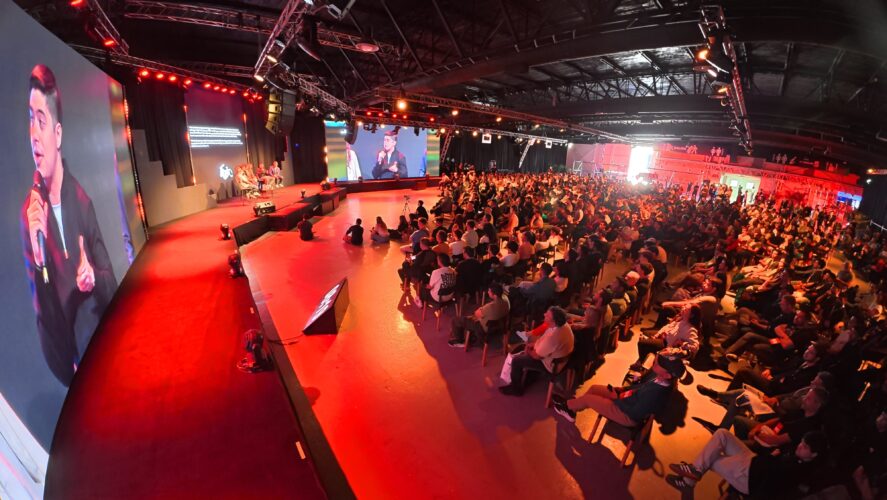
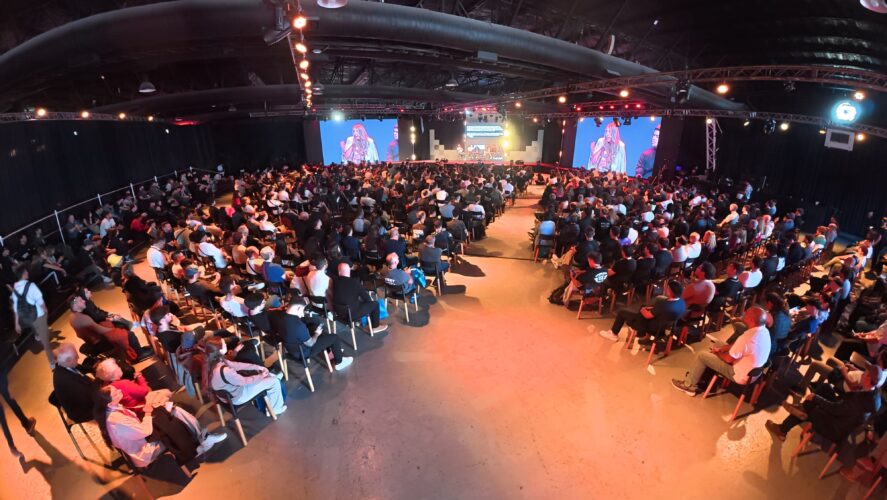
The 14th edition of the Latin American Bitcoin & Blockchain Conference (LABITCONF) is set to descend upon Buenos Aires this October, marking the fifth consecutive year the Argentine capital has served as the host city for this landmark event. Scheduled for October 30 and 31, 2026, at the BAFerial venue, the conference promises to be a pivotal gathering for the global digital asset ecosystem, blending traditional financial discourse with the rapidly evolving frontier of Artificial Intelligence. As the closing highlight of Buenos Aires’ "Tecweek 2026," the event aims to synthesize the philosophical foundations of cryptocurrency with the technological advancements defining the mid-2020s.
A Legacy of Innovation
Since its inception in 2013, LABITCONF has maintained its position as one of the world’s oldest and most influential forums for Bitcoin and blockchain technology. Over the past decade, the conference has evolved from a niche meeting for early adopters into a massive, multidisciplinary summit. Its history is intrinsically linked to the growth of the Latin American crypto market, a region that has frequently led the world in peer-to-peer adoption and the use of digital assets as a hedge against inflationary economic environments.
By integrating Artificial Intelligence into its 2026 agenda, the organizers are signaling a shift in the industry’s focus. The intersection of decentralized ledgers and AI—often referred to as the "DePIN" (Decentralized Physical Infrastructure Networks) or "AI-Agent Economy"—is expected to be a primary area of focus for technical workshops and panel discussions.
The Philosophy of HODL in the Modern Era
The thematic anchor for this year’s edition is "HODL," a term that has transcended its origins as an internet typo for "hold" to become a cornerstone of Bitcoin cultural philosophy. In the context of LABITCONF 2026, the concept is being framed not merely as an investment strategy of inactivity, but as a commitment to a long-term economic vision.
Rodolfo Andragnes, the founder of ONG Bitcoin Argentina and the primary organizer of the conference, suggests that the "HODL" ethos is a rejection of short-term volatility in favor of structural economic change. "It is about believing in the future of Bitcoin—not driven by the price, but by a different understanding of economics," Andragnes noted. This philosophy extends into the "orange pill" narrative, a metaphor for the transformative realization that encourages individuals to re-examine the role of centralized banking, government monetary policy, and the fundamental nature of value.

Chronology and Event Structure
The 2026 conference is structured as a two-day main event, but it includes an expanded "Experience" itinerary for early arrivals.
- October 29 (Pre-Conference): The "Experience" phase begins with exclusive networking for institutional leaders and stakeholders. The highlight of the day is the unveiling of a monumental Satoshi Nakamoto statue at the Parque de la Innovación. This placement aligns Buenos Aires with a global network of "Bitcoin monuments" found in locations such as Lugano, El Zonte, Tokyo, and New York.
- October 30–31 (Main Conference): Held at the BAFerial (formerly Costa Salguero), the summit will operate across six simultaneous stages. These stages are divided by complexity and focus: introductory financial literacy, advanced blockchain development, regulatory policy, trading, and the new AI-focused track.
- October 31 (Closing): The event will conclude with the "HODLween" party, serving as a networking environment that blends the professional rigor of the conference with the community-centric culture of the crypto industry.
Global Expertise and Keynote Speakers
The 2026 speaker lineup represents a significant international investment. The most anticipated guest is Saifedean Ammous, the economist and author of The Bitcoin Standard. His appearance marks a significant milestone, as it is his first time headlining a South American conference. His presence is expected to draw a record number of attendees from the academic and institutional finance sectors.
Joining him are figures such as Giovanni Santostasi, known for his work on the Bitcoin Power Law theory, and Giacomo Zucco, a prominent theorist on the evolution of Bitcoin protocols. The inclusion of specialists in quantum computing and AI indicates a shift toward addressing the security and efficiency challenges of the next decade of blockchain development.
Data-Driven Insights: The Role of Self-Custody
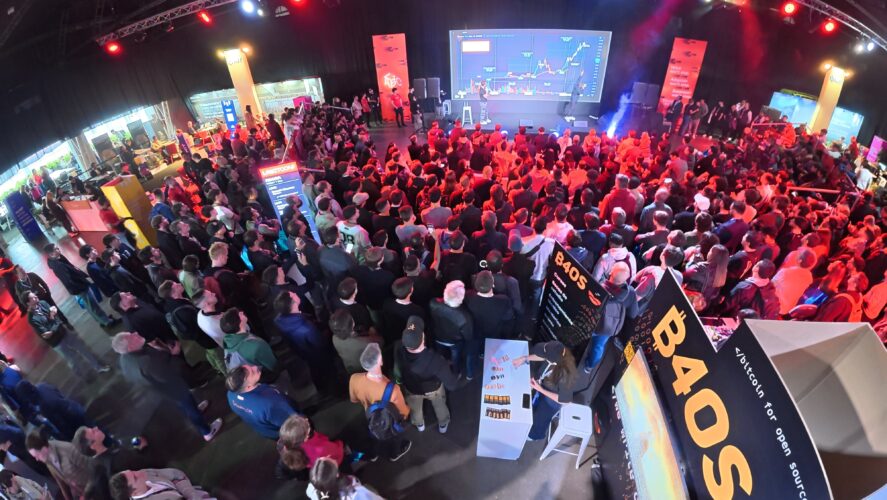
A key feature of the 2026 edition is the "Bitcoineta," a dedicated space for education on self-custody. This initiative is particularly relevant given the global trend toward stricter regulatory frameworks and the increasing institutionalization of digital assets.
According to industry data, the "not your keys, not your coins" mantra remains the primary pedagogical focus of the Argentine crypto community. By providing free, hands-on workshops on generating private keys, wallet management, and inheritance planning, the organizers aim to mitigate the risks associated with third-party exchange failures—a sentiment that has gained urgency following the market turbulence observed in previous years.
Broader Economic and Social Implications
The decision to host the event as the grand finale of Tecweek 2026 underscores the growing importance of the tech sector in the Buenos Aires municipal economy. The participation of local government officials alongside international developers and investors points to a maturing ecosystem where the barrier between traditional public institutions and decentralized finance is beginning to blur.
From a macroeconomic perspective, the conference serves as a barometer for the health of the Latin American crypto market. Argentina, in particular, continues to experience high adoption rates, with citizens increasingly turning to stablecoins and Bitcoin as tools for daily commerce and wealth preservation. The discourse at LABITCONF is expected to influence local regulatory conversations, particularly as the city looks to solidify its position as a regional hub for technology and innovation.
Future Outlook and Participation
The organizers have emphasized that the event is designed for an inclusive audience. While the technical sessions will cater to developers and coders, the "HODL" edition is explicitly marketed as a space for "families, entrepreneurs, and the curious." By maintaining a diverse programming slate, the organizers hope to demystify the technology and expand the base of informed users.
For professionals and researchers looking to contribute to the discourse, the application window for speakers remains open until September 15. The selection process, according to the official portal, prioritizes original research, innovative applications of blockchain in AI, and practical solutions for financial inclusion.
Conclusion
LABITCONF 2026 stands as a testament to the resilience and continued expansion of the Bitcoin ecosystem. By bridging the gap between historical monetary theory and the cutting-edge developments in Artificial Intelligence, the conference provides a unique venue for reflection. As the event prepares to open its doors in October, the central question remains: how will the "HODL" conviction translate into the next phase of global adoption?
With the support of local government initiatives like Tecweek and the presence of world-renowned intellectual leaders, the 14th edition is poised to be more than a conference; it is a manifestation of the ongoing effort to redefine financial sovereignty in the 21st century. Whether through the lens of technical infrastructure or the social philosophy of the "orange pill," the event will undoubtedly serve as a critical reference point for the future of decentralized systems.