Microsoft Unleashes Record-Breaking Patch Tuesday with Over 570 Security Fixes, Fueled by AI Advancements

Microsoft Corp. on Tuesday unleashed its most extensive Patch Tuesday update to date, addressing an astonishing 570 security vulnerabilities across its Windows operating systems and a suite of other software. This monumental release nearly triples the number of flaws patched in the previous month’s record-setting update, a surge Microsoft attributes directly to the burgeoning capabilities of artificial intelligence in uncovering software weaknesses. The sheer scale of this month’s patch release underscores a significant shift in the cybersecurity landscape, driven by both the accelerated pace of vulnerability discovery and the evolving tactics of threat actors.
The AI Accelerator: A New Era of Vulnerability Discovery
The dramatic increase in the volume of security fixes is a direct consequence of AI’s growing prowess in identifying software flaws. Pavan Davuluri, Executive Vice President at Microsoft, articulated this shift in a blog post on July 9th, stating, "The pace of vulnerability discovery is changing with advances in AI making it possible to find more issues, faster, across more code, with new mechanisms that can accelerate both discovery and analysis." This suggests that AI tools are not only identifying more vulnerabilities but are doing so with greater speed and precision, covering a broader expanse of Microsoft’s vast software ecosystem.
This AI-driven discovery process is fundamentally altering the cybersecurity arms race. While AI empowers defenders to proactively identify and patch vulnerabilities, it also provides attackers with more potent tools to discover and exploit them. The implication is a continuous cycle of innovation on both sides of the cybersecurity fence, necessitating a more agile and responsive approach to patch management and security posture.
Critical Flaws and Exploited Zero-Days Highlight Urgent Threats
Among the 570 vulnerabilities patched, nearly 60 were classified as "critical," a designation indicating that malicious actors or malware could leverage these flaws to gain remote control over a Windows device with minimal or no user interaction. This level of severity demands immediate attention from users and organizations to mitigate the risk of widespread compromise.
Further compounding the urgency, Microsoft addressed three zero-day flaws, meaning vulnerabilities that were publicly known and potentially being exploited by attackers before Microsoft could issue a fix. Two of these zero-days are confirmed to be actively exploited in the wild, posing an immediate and significant threat to users.
-
Elevation of Privilege Exploits: Two of the zero-day weaknesses specifically allow attackers to escalate their user privileges on a Windows system. This type of exploit is particularly dangerous as it allows an attacker who has already gained initial access to a system to attain higher levels of control, potentially enabling them to install programs, view, change, or delete data, and create new accounts with full user rights. This class of vulnerability is further exacerbated by approximately 250 other "elevation of privilege" flaws patched this month, indicating a broad attack surface for privilege escalation.
- CVE-2026-56155: This vulnerability resides within Active Directory Federation Services (AD FS), a critical component for identity and access management in enterprise environments. Exploiting this flaw could grant attackers significant control over user authentication and authorization processes within an organization.
- CVE-2026-56164: A vulnerability in Microsoft SharePoint, a widely used collaboration and document management platform, is also among the patched elevation of privilege flaws. Compromise here could lead to unauthorized access to sensitive company data and applications.
-
CVE-2026-50661: BitLocker Security Feature Bypass: This vulnerability affects Windows BitLocker, a disk encryption feature designed to protect sensitive data. The flaw allows attackers with physical access to the device to bypass security measures and gain access to encrypted data. While Microsoft stated this bug has been publicly detailed, they are not aware of active exploitation. However, the potential for data exfiltration from compromised devices, even with physical access, remains a significant concern for organizations handling sensitive information.
A Shifting Paradigm in Exploitability Assessment
The rapid advancements in AI are challenging traditional methods of assessing the likelihood of vulnerability exploitation. Microsoft utilizes an "exploitability index" to gauge how probable it is that attackers can develop reliable exploits for a given vulnerability. However, the accelerating speed of AI-driven discovery is forcing a re-evaluation of this index.
Jack Bicer, director of vulnerability research at Action1, highlighted a particularly concerning vulnerability: CVE-2026-48561, a remote code execution flaw in Microsoft Copilot with a critical CVSS threat score of 9.6. This flaw could allow an unauthorized attacker to execute code over the network by hosting a malicious website that tricks Microsoft Edge for Android into sending crafted prompts to Copilot. This illustrates how even AI-powered features can become targets if not adequately secured.
Satnam Narang, senior staff research engineer at Tenable, argued that Microsoft’s exploitability index needs to adapt more rapidly to the "machine speed" of AI-powered discovery. He pointed to the SharePoint zero-day (CVE-2026-56164) as an example. Microsoft initially rated this flaw as "less likely" to be exploited, yet it was swiftly added to CISA’s Known Exploited Vulnerabilities list on July 1st, indicating active exploitation.
Narang further cited findings from Anthropic’s Red Team, which demonstrated that their AI model, Mythos Preview, could generate proof-of-concept exploits for 13 out of 14 vulnerabilities previously rated as "Exploitation Less Likely" or "Exploitation Unlikely." This starkly illustrates the fragility of human-centric exploitability assessments in the age of AI. "What this means is that our way of looking at Patch Tuesday has changed, because the exploitability index is centered around humans, not AI tools, and as these tools continue to improve, defense needs to improve alongside it," Narang stated.
A Broader Industry Trend Towards Increased Patch Cadence
Microsoft’s record-breaking update is not an isolated incident. Chris Goettl at Ivanti observed that several other major software vendors are also increasing their patch release frequency. Adobe, for instance, announced a shift to twice-monthly security bulletins, published on the second and fourth Tuesdays of each month, also citing AI as a factor in accelerating their patch cycles. Companies like Cisco, Mozilla, and Oracle are also delivering updates more frequently. This trend is further underscored by Google’s June 2026 patch batches, which reportedly contained over 900 security fixes.
This synchronized increase in patch cadence across the industry signals a collective recognition of the escalating threat landscape and the need for more agile security responses. Organizations must now prepare for a more frequent and voluminous flow of security updates from all their critical software providers.
Implications and Recommendations for Users and Organizations
The sheer volume of patches released by Microsoft, coupled with the presence of actively exploited zero-day vulnerabilities, necessitates a strategic approach to patch management.
- Prioritize Critical Updates: Organizations should immediately prioritize the patching of critical vulnerabilities, especially those with active exploitation or a high likelihood of exploitation. The zero-day flaws and high-severity bugs demand immediate attention.
- Review Exploitability Assessments: Given the challenges AI poses to traditional exploitability indices, security teams should conduct their own risk assessments and consider a more aggressive patching strategy for vulnerabilities that might have been previously deemed lower priority.
- Embrace AI in Defense: As AI accelerates vulnerability discovery, it should also be leveraged in defense mechanisms. This includes using AI-powered security solutions for threat detection, incident response, and proactive vulnerability management.
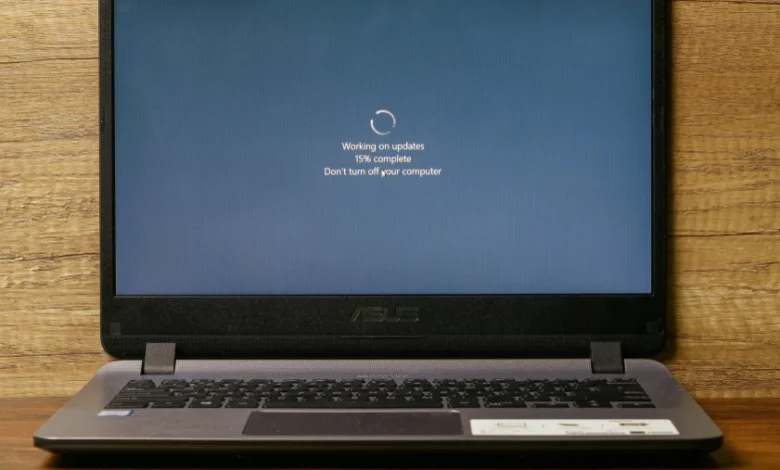
- Prepare for System Stability Issues: With such a large volume of patches, there is an increased risk of introducing system stability issues. Microsoft’s own advice, echoing common cybersecurity best practices, suggests that end-users might consider waiting a few days before applying these fixes to allow for initial feedback and potential hotfixes. However, for critical vulnerabilities and zero-days, the risk of not patching often outweighs the risk of potential instability.
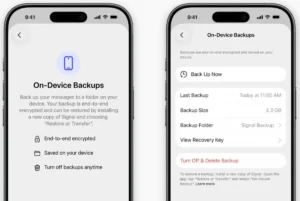
- Robust Backup Strategies: Backing up Windows systems and critical data before applying any operating system updates is always a crucial step. This provides a safety net in case of unforeseen issues arising from the update process.
The July 2026 Patch Tuesday marks a significant milestone, not just for the sheer number of vulnerabilities addressed but for what it signifies about the future of cybersecurity. The accelerating pace of AI-driven discovery and exploitation necessitates a fundamental shift in how we approach vulnerability management and security defense. As Microsoft and other major software vendors adapt to this new reality, so too must the organizations and individuals who rely on their products to stay protected in an increasingly complex digital world. The ongoing arms race between attackers and defenders is intensifying, and staying ahead requires constant vigilance, rapid adaptation, and the intelligent application of technology on both sides.