The High Cost of Frugality Why Wealthy Retirees Face Life-Threatening Risks from Household Inertia

In the landscape of modern personal finance, a stark irony has emerged among the wealthiest demographic in the United States: the tendency for high-net-worth retirees to live in states of physical discomfort or even danger due to a phenomenon known as "activation energy" inertia. While the Silent Generation and older Baby Boomers hold a disproportionate share of the nation’s wealth, many are succumbing to preventable environmental hazards, such as extreme heat and household neglect, because the logistical effort to remedy these issues has become an insurmountable barrier. This trend highlights a growing disconnect between financial security and quality of life, suggesting that for the elderly, the primary obstacle to safety is often no longer the cost of a solution, but the energy required to implement it.
The Honolulu Case Study: A Microcosm of Elderly Inertia
A recent series of events in Honolulu, Hawaii, serves as a poignant illustration of this systemic issue. A local family, returning to visit elderly parents who had spent decades in the U.S. Foreign Service, discovered a residence and lifestyle frozen in time—and riddled with preventable risks. Despite the parents possessing substantial government pensions, no debt, and significant cash flow, they were living in a home where the primary cooling systems had failed decades ago.
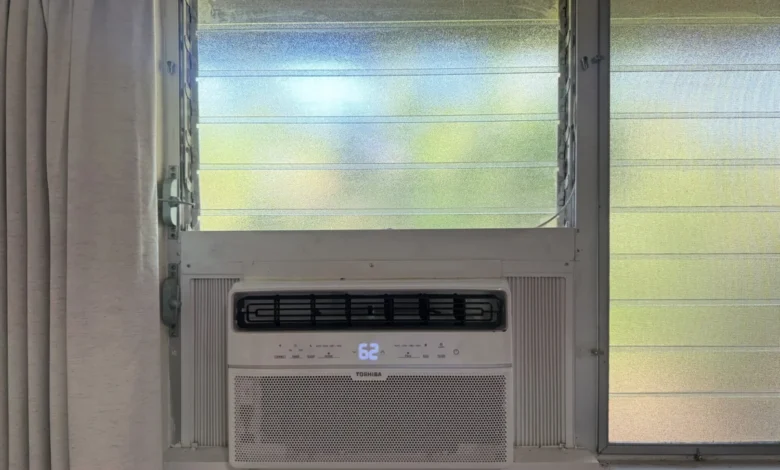
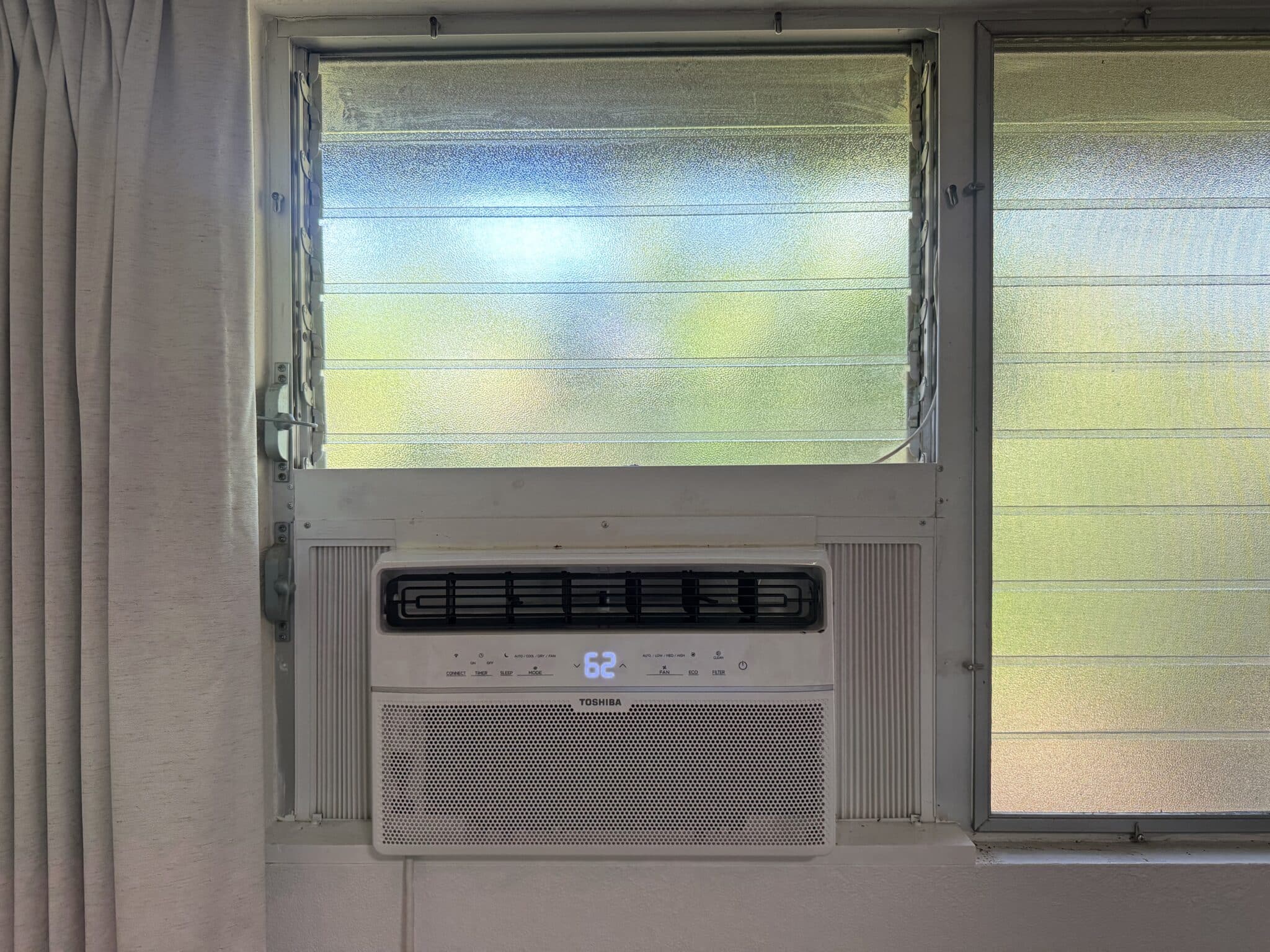
In one instance, a 42-year-old through-the-wall air conditioning unit had become toxic and non-functional. In a climate where summer temperatures frequently range between 83 and 90 degrees Fahrenheit with high humidity, the lack of climate control posed a significant health risk. However, the residents had simply "adapted" to the heat, viewing the discomfort as a permanent fixture of their environment rather than a fixable problem.
The resolution was remarkably inexpensive. A new AC unit was purchased for $260, and a local handyman installed it for an additional $250. The total cost of $510—a negligible sum for a high-net-worth household—transformed a hazardous living space into a comfortable one. This pattern repeated with a leaking kitchen pipe that had been neglected for three years and a 28-year-old vehicle with a broken cooling system. In each case, the residents were not restrained by poverty, but by a lack of the "activation energy" required to research, schedule, and oversee repairs.
The Global Heat Crisis and the Vulnerability of Seniors
The consequences of this household inertia are not merely matters of comfort; they are increasingly fatal. Data from the World Health Organization (WHO) indicates that heat stress has become the leading cause of climate-related death in the European Region. Every summer, more than 60,000 people die from heat-related causes in Europe alone. Across the broader WHO European Region, the annual death toll has climbed to over 175,000.

Demographic analysis of these fatalities reveals a consistent trend: approximately 85% to 90% of heat-related deaths occur in individuals over the age of 65. The biological reasons for this vulnerability are well-documented. As the human body ages, its ability to thermoregulate declines significantly. The efficiency of sweating—the body’s primary cooling mechanism—diminishes, and the cardiovascular system faces extreme strain when attempting to move blood to the skin’s surface to dissipate heat. Furthermore, pre-existing conditions common in seniors, such as respiratory and heart disease, are acutely aggravated by high temperatures.
The tragedy of these statistics lies in the fact that the elderly are also the wealthiest demographic. According to the Federal Reserve’s Survey of Consumer Finances, households headed by individuals aged 65 to 74 have the highest median net worth in the U.S. The financial means to install air conditioning or move to climate-controlled environments exist, yet the mortality rates suggest that these resources are not being deployed effectively to mitigate risk.
The Psychological Barrier: Understanding Activation Energy
Psychologists and financial analysts point to "activation energy" as the primary culprit for this discrepancy. In chemistry, activation energy is the minimum amount of energy required to initiate a reaction. In a domestic context, it represents the cognitive and physical effort needed to solve a problem.
For an 81-year-old retiree, the process of fixing a car’s air conditioning is not just an $80 freon charge or a $600 condenser replacement. It involves a multi-step logistical chain:
- Identifying a trustworthy service provider.
- Navigating digital or telephonic scheduling systems.
- Managing transportation to and from a repair shop.
- Supervising the work and potentially disputing charges.
For younger individuals, these tasks are routine annoyances. For the elderly, each step represents a "boulder to push uphill," as cognitive fatigue and physical limitations make multi-step projects feel overwhelming. Consequently, the default choice is often "doing nothing." This choice carries zero energy cost in the immediate term, but it accumulates "discomfort debt" that eventually manifests as catastrophic health failures or accidents.
From Frugality to Dangerous Neglect: The Gene Hackman Incident
The transition from admirable frugality to dangerous neglect can occur imperceptibly. A high-profile example of this occurred in 2025 in Santa Fe, New Mexico. Legendary actor Gene Hackman, 95, and his wife, Betsy Arakawa, were found deceased in their home. Despite Hackman’s reported net worth of $80 million, the couple was found living in conditions that included rodent infestations.
Investigations revealed that Arakawa had succumbed to hantavirus pulmonary syndrome, a rare and fatal disease spread by contact with infected rodent droppings. Hackman, suffering from advanced Alzheimer’s, lived alone with his wife’s body for several days before his own health failed. The incident shocked the public, as the couple possessed the wealth to employ a fleet of cleaners, pest control experts, and medical caretakers. The tragedy underscored a grim reality: wealth is not a shield if the "activation energy" to manage that wealth has evaporated.
The Role of Adult Children and Caretakers
As the "Sandwich Generation"—adults who are simultaneously raising children and caring for aging parents—expands, the responsibility for breaking this cycle of inertia falls increasingly on the younger generation. Experts suggest that adult children must transition from being "advisors" to being "implementers."
Observation over Advice: Short visits often fail to reveal the true state of an elderly person’s living conditions. Long-term observation is required to notice "blurry" televisions, expired food, or failing appliances that the parents have subconsciously adapted to.
Removing the Committee Meeting: Many adult children make the mistake of asking for permission to perform repairs. In many cases, the elderly will decline out of a desire to avoid being a "burden" or a reluctance to change their routine. Successful interventions often involve the child simply performing the task—hiring the plumber, buying the AC unit, or taking the car for service—without requiring the parent to manage the logistics.
Gradual Introduction of Technology: Introducing conveniences like grocery delivery apps or ride-sharing services can lower the daily energy expenditure for seniors. However, these must be set up and taught patiently, as the learning curve itself can be a barrier to adoption.
The Broader Economic and Social Implications
The trend of "wealthy neglect" has significant implications for the healthcare system and the insurance industry. Preventable domestic accidents and heat-related illnesses among the elderly place a massive strain on emergency services and Medicare.

From an insurance perspective, the failure to maintain household safety systems increases the risk of catastrophic claims. For example, a neglected $50 plumbing leak can evolve into a $50,000 mold remediation project or structural failure. Similarly, the refusal to update old vehicles with modern safety features, such as backup cameras or automatic braking, increases the likelihood of high-liability traffic accidents involving elderly drivers.
Financial planners are now beginning to incorporate "maintenance management" into retirement discussions. The goal is to shift the focus from merely "saving enough money" to "ensuring the infrastructure exists to spend that money on safety and comfort."
Conclusion: Reclaiming the Purpose of Wealth
The narrative of the elderly suffering in silence—or in sweltering heat—despite having millions in the bank is a cautionary tale for the modern age. It suggests that the ultimate goal of financial independence is not the accumulation of digits in a bank account, but the ability to remove friction from life.
Protecting a family, particularly an aging one, often comes down to paying small, mundane costs to eliminate catastrophic risks. Whether it is an $80 refrigerant recharge for a car, a $500 air conditioner, or a weekly check-in call, these interventions serve as the necessary "activation energy" that the elderly can no longer provide for themselves. As the global population ages and climate volatility increases, the ability of families to recognize and overcome this household inertia will become a literal matter of life and death. Wealth remains a powerful tool, but its utility is entirely dependent on the willingness of the next generation to pick it up and use it when their parents no longer can.