Transfer videos YouTube DailyMotion is a process that many content creators and video enthusiasts find themselves needing. This guide delves into various methods, tools, and considerations for smoothly transferring your YouTube videos to DailyMotion. We’ll explore everything from simple steps to complex scenarios, ensuring you have the knowledge to navigate this process successfully.
Whether you’re looking to repurpose content, share it on a different platform, or simply archive your videos, understanding the intricacies of transfer videos YouTube DailyMotion is crucial. This comprehensive guide addresses all aspects, from the technical to the legal and ethical, providing a detailed and actionable approach to the task.
Video Transfer Methods

Transferring videos between platforms like YouTube and Dailymotion is a common task for content creators and enthusiasts. Efficient transfer methods are crucial for maintaining video quality and ensuring seamless distribution across various platforms. This section will delve into various video transfer methods, outlining their advantages, disadvantages, and practical applications.Different methods for transferring videos from YouTube to Dailymotion offer varying levels of convenience, speed, and quality.
Understanding these nuances allows users to choose the best approach for their specific needs.
Comparison of Video Transfer Methods
Various methods exist for transferring videos between platforms. Direct upload is often the simplest but not always the most efficient option. Third-party tools provide more control over the transfer process, potentially offering higher quality or additional features. Conversion tools can change the format of a video, potentially improving compatibility, but may involve a loss of quality.
Steps for Transferring Videos Using a Third-Party Tool
Third-party tools can streamline the video transfer process. These tools often provide a user-friendly interface for selecting the source video, specifying the destination platform, and managing the transfer settings. Specific steps will vary based on the tool used, but generally involve these steps:
- Identify the third-party video transfer tool.
- Download the chosen tool and install it on the computer.
- Log in to your YouTube account to authorize the tool for accessing your videos.
- Select the video you want to transfer from your YouTube library.
- Choose Dailymotion as the destination platform.
- Specify any necessary settings, such as video quality, resolution, or audio encoding.
- Initiate the transfer process.
- Monitor the transfer progress and ensure the video has transferred successfully.
Pros and Cons of Transfer Methods
The following table summarizes the advantages and disadvantages of various video transfer methods.
| Method | Upload Speed | File Quality | Compatibility | Pros | Cons |
|---|---|---|---|---|---|
| Direct Upload (YouTube to Dailymotion) | Moderate | Good | High | Simple, often built-in to platforms | Limited control, potential for lower quality settings |
| Third-Party Tools | Variable | High | High | Control over settings, often higher quality options | Requires installation, potential compatibility issues with certain tools |
| Conversion Tools | Variable | Variable (Potential loss) | High | Conversion to various formats | Quality loss, complexity, may require specialized knowledge |
Copyright Restrictions
Transferring copyrighted material requires careful consideration. If a video is protected by copyright, the user should determine whether they have the necessary rights to transfer it. Unauthorized transfers can result in legal repercussions.
- Verify Permissions: Always verify if you have the necessary rights to transfer the video. If the video is copyrighted, ensure you have the appropriate license or permission to distribute it.
- Respect Copyright Laws: Avoid transferring videos that are protected by copyright without the necessary authorization. Unauthorized use can result in legal consequences.
File Formats and Compatibility
YouTube and Dailymotion support various video formats. Compatibility between these formats is important for successful transfer. Common formats include MP4, MOV, and WebM. Specific video codecs and resolutions might also impact compatibility. The transfer process may require conversion if the source video format is not supported by the destination platform.
Tools and Software: Transfer Videos Youtube Dailymotion
Choosing the right software for transferring videos between YouTube and Dailymotion is crucial for efficiency and quality. Different tools offer varying levels of support for different video formats and sizes. Understanding the strengths and weaknesses of each application will help you select the most suitable option for your needs. This section explores various software options, outlining their features, ease of use, and suitability for different video types.Effective video transfer requires reliable tools that handle the complexities of file conversion and uploading.
This section details a range of applications designed for this purpose, considering their pros and cons to make an informed decision.
Transferring videos from YouTube to DailyMotion can be a handy skill, but have you considered how to boost your online presence? Knowing social media marketing tips for a e c, like optimizing video descriptions and hashtags, can significantly improve your video’s reach on platforms like DailyMotion and YouTube. Ultimately, understanding these strategies can make transferring videos between platforms much more effective for growing your audience.
social media marketing tips for a e c will equip you with the tools to maximize your video’s potential. This way, you’ll get the most out of your video transfers.
Software Applications for Video Transfer
A variety of software applications can facilitate the transfer of videos between YouTube and Dailymotion. These tools often provide additional functionalities beyond simple transfer, such as editing and conversion capabilities. The choice of software depends on factors like video size, format, and desired features.
- Online Converters: These platforms provide a user-friendly way to convert video formats. Many offer free trials or basic services. A major advantage is their accessibility through web browsers, eliminating the need for downloads. However, limitations may exist in handling large files, and the quality of conversion may vary. Free versions might include watermarks or have limited processing time.
- Video Editing Software: Applications like Adobe Premiere Pro, Final Cut Pro, and DaVinci Resolve are powerful tools for video editing and conversion. They offer advanced controls for manipulation, but their steep learning curve and cost can be deterrents for simpler tasks. Their versatility allows for complex edits, but they are generally not the best choice for basic transfer tasks.
These programs are ideal for high-quality editing and complex conversions.
- Dedicated Video Transfer Software: Specialized software is designed specifically for video transfers. These applications often streamline the process, offering batch processing options and customizable settings. They may include features for optimizing video quality and handling various file types. Ease of use is generally a strength, with intuitive interfaces designed for a smooth user experience. The software is usually focused on video transfer, which means that other functionalities, such as advanced editing, may be limited.
Features and Ease of Use Comparison
Different software applications offer varying degrees of functionality and ease of use. The choice often comes down to the specific requirements of the transfer task. The table below summarizes the features of different software categories.
| Software Category | Features | Ease of Use | Suitability |
|---|---|---|---|
| Online Converters | Simple conversion, browser-based | High | Small-sized videos, basic transfers |
| Video Editing Software | Advanced editing, versatile conversion | Low (initially) | High-quality videos, complex edits |
| Dedicated Video Transfer Software | Batch processing, optimized transfer | Medium | Large-sized videos, frequent transfers |
Best Tools for Different Video Sizes and Formats
The best tool for transferring videos depends heavily on the video’s size and format.
- Small Videos (under 1GB): Online converters are often the most convenient option for simple transfers. Their accessibility and user-friendliness make them suitable for basic video conversions.
- Large Videos (over 1GB): Dedicated video transfer software is better suited for handling large files. Their ability to handle multiple files and batch processing is crucial for efficient transfer.
- Specific Formats: Some software may excel in handling specific formats better than others. It’s essential to check the software’s compatibility with the source and destination video formats before choosing an application.
Upload Process Demonstration (Example using Online Converter)
To illustrate the upload process using an online converter, consider the following steps:
- Select the Video File: Choose the video file you want to upload from your computer.
- Choose the Destination Format: Select the desired output format (e.g., MP4 for Dailymotion). Ensure compatibility with the platform you’re uploading to.
- Initiate the Conversion: Click the “Convert” button to start the conversion process. Progress indicators are usually displayed.
- Download the Converted File: Once the conversion is complete, download the converted video file.
- Upload to Dailymotion: Use the Dailymotion platform to upload the converted file.
Technical Aspects
Video transfer between platforms like YouTube and Dailymotion involves more than just uploading and downloading files. Understanding the technical nuances is crucial for successful and efficient transfers, minimizing potential issues and ensuring high-quality results. These considerations extend beyond simple file size and encompass video encoding parameters, potential network problems, and strategies for optimal file management.The technical requirements for transferring videos between platforms are multifaceted, encompassing several critical factors that impact the overall process.
These factors include compatibility between the source and destination platforms, and the specific formats supported by each. Different video platforms may use varying codecs (compression algorithms) and containers (file wrappers) for video storage. Understanding these distinctions is vital to ensure smooth transfers.
Technical Requirements for Video Transfer
The technical requirements for successful video transfer are diverse, and understanding them is critical for efficient and error-free transfers. The formats and codecs used by platforms like YouTube and DailyMotion need to be compatible to avoid errors during the transfer process. If the video is encoded in a format not supported by the receiving platform, it may lead to incompatibility issues.
For example, a video encoded using a very old codec might not be playable on a newer platform.
Impact of Resolution and Bitrate
Video resolution and bitrate significantly influence the transfer process. Higher resolutions and bitrates translate to larger file sizes. This increase in file size directly impacts transfer times, particularly over slower internet connections. Transferring a 4K video at a high bitrate will take much longer than transferring a standard definition video with a low bitrate. Choosing the appropriate resolution and bitrate is crucial for balancing video quality with transfer speed and efficiency.
Optimizing Videos for Transfer
Optimizing videos for transfer primarily focuses on reducing file size without significantly compromising video quality. Several strategies can be employed to achieve this goal. These strategies include reducing the resolution, lowering the bitrate, and selecting appropriate video codecs. Using video compression tools can further reduce file sizes.
File Size Reduction Strategies
Reducing file sizes is essential for faster transfer speeds. A key aspect of optimizing videos for transfer involves reducing the video’s file size. Strategies include choosing appropriate resolutions, adjusting bitrates, and using appropriate compression techniques. Encoding using lossy compression algorithms can drastically reduce file size. For example, H.264 is a common lossy codec that offers good quality at smaller file sizes compared to lossless codecs.
Video Compression Techniques
Different video compression techniques have varying impacts on file size and quality.
| Compression Technique | File Size Impact | Video Quality Impact |
|---|---|---|
| H.264 | Significant reduction | Slight quality loss, generally acceptable |
| H.265 (HEVC) | Further reduction | Less quality loss compared to H.264 |
| MPEG-4 | Moderate reduction | Can have noticeable quality loss, especially at lower bitrates |
| Lossless Compression | Minimal reduction | No quality loss |
Potential Issues During Transfer
Several issues can arise during video transfers, impacting the efficiency and reliability of the process. Network interruptions, for example, can lead to incomplete transfers or corrupted files. The use of unreliable file transfer methods, particularly over unstable networks, can cause file corruption. Carefully selecting a transfer method, and verifying the integrity of the transferred file, can help mitigate these risks.
Legal and Ethical Considerations

Navigating the world of video transfer involves more than just technical know-how. Understanding the legal and ethical implications is crucial to avoid potential pitfalls and ensure responsible practices. Copyright infringement and unauthorized re-uploads can lead to serious consequences, including legal action and reputational damage. This section explores the critical factors to consider when transferring videos across platforms.
Transferring videos from YouTube to DailyMotion can be a bit tricky, but it’s a valuable skill. Building your email list is crucial for content creators, and that’s where email marketing comes in. Learning how to effectively gather email addresses and cultivate a loyal audience through email marketing how to build your email list will help you share your videos more broadly.
This will ultimately help you get more views and reach more people, making your transfer efforts to DailyMotion even more worthwhile.
Legal Implications of Transferring Copyrighted Videos
Copyright laws protect the rights of creators, granting them exclusive control over the use and distribution of their work. Transferring a copyrighted video without the creator’s permission is a violation of these rights, potentially leading to legal repercussions. This infringement can result in cease-and-desist letters, lawsuits, and monetary penalties.
Ethical Implications of Transferring Videos Without Permission
Respecting intellectual property is a fundamental ethical principle. Transferring videos without the creator’s explicit consent is unethical. It disregards the creator’s rights to control their work and potentially deprives them of the financial rewards they deserve for their creative efforts. Furthermore, it can harm the creator’s reputation and future opportunities.
Implications of Re-uploading Videos on Different Platforms
Re-uploading videos on different platforms, even with a link to the original, can still raise legal and ethical concerns. While some platforms might have a “fair use” doctrine that allows for limited use of copyrighted material, re-uploading for profit or wider distribution without permission is a significant violation. This is especially true for videos that have a high commercial value.
It is crucial to understand and respect the terms of service of the platforms involved.
Examples of How Copyright Issues Affect the Transfer Process
A common example involves a popular music video being re-uploaded to a different platform without the artist’s consent. This can lead to legal action against the re-uploader. Another scenario involves a video tutorial being re-uploaded with minor modifications. Even if the changes are slight, if the core content remains protected by copyright, it’s still a violation. This highlights the need for careful consideration of the potential copyright issues before initiating any transfer.
Terms of Service for YouTube and Dailymotion Regarding Video Transfers
Both YouTube and Dailymotion have terms of service explicitly addressing copyright and intellectual property. These terms generally prohibit the unauthorized use, distribution, or transfer of copyrighted material. Users are expected to adhere to these regulations.YouTube’s terms of service emphasizes respect for copyright holders, outlining the consequences of violating these rules. Dailymotion’s terms of service mirror this approach, emphasizing the importance of obtaining permission for any video transfers.
- Understanding these terms is crucial for avoiding copyright infringement.
- Adherence to the terms of service for both platforms is essential for responsible video transfer practices.
User Experience
The success of any video transfer process hinges heavily on the user experience. A smooth and intuitive process encourages repeat use and positive feedback, while a cumbersome or error-prone experience can deter users and lead to negative reviews. Understanding the common pain points and offering solutions is crucial for creating a positive user journey.A well-designed transfer process should minimize user effort and maximize the chance of a successful outcome.
Clear instructions, intuitive interfaces, and reliable error handling are essential components of a user-friendly transfer solution.
Overview of the User Experience
The user experience during video transfer involves several key stages: selecting the transfer method, inputting the necessary details, initiating the transfer, and monitoring its progress. A positive experience hinges on the clarity and efficiency of each step. Problems often arise when users lack sufficient guidance, encounter unexpected errors, or struggle with the complexity of the transfer process.
Common User Problems, Transfer videos youtube dailymotion
A common user problem is the lack of clear instructions and guidance. Users might struggle to understand the nuances of different transfer methods or encounter unexpected errors during the process. Technical issues such as incompatible file formats, slow internet connections, or server downtime can also disrupt the transfer process. Additionally, a lack of progress indicators or real-time feedback can lead to user frustration.
Users may feel uncertain about the status of the transfer and the expected completion time.
User-Friendly Guide for Transferring Videos
This guide provides a structured approach to transferring videos between YouTube and Dailymotion.
- Step 1: Choose Your Transfer Method. Select a transfer tool that best suits your needs, considering factors like speed, file format compatibility, and user interface. If using a third-party tool, verify its compatibility with YouTube and Dailymotion uploads.
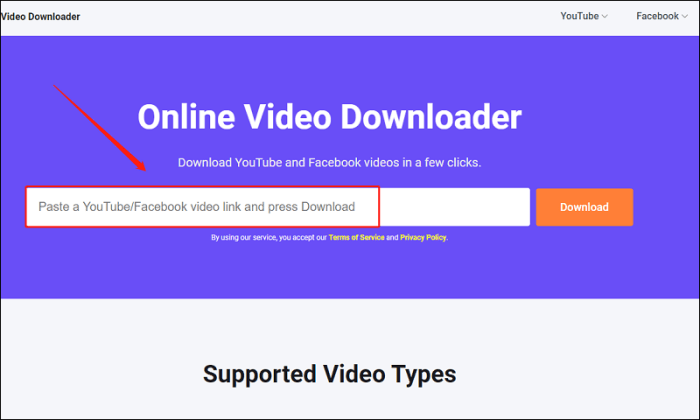
- Step 2: Input Video Details. Enter the correct video URLs for both the source (YouTube) and the destination (Dailymotion). Ensure accuracy to avoid errors. Double-check the input to prevent unintended transfers.
- Step 3: Initiate Transfer. Click the “Transfer” button. The tool will then initiate the process of downloading the video from YouTube and uploading it to Dailymotion.
- Step 4: Monitor Transfer Progress. During the transfer, monitor the progress bar or status updates to track the transfer’s progress. This allows users to anticipate the completion time. A clear progress indicator helps maintain user engagement.
- Step 5: Verify Transfer Success. Once the transfer is complete, verify that the video has been successfully uploaded to Dailymotion by visiting the destination URL.
Tips and Tricks for Optimizing the Transfer
Several techniques can enhance the transfer experience:
- Optimize your internet connection. A stable and fast internet connection significantly reduces transfer times. Test your speed to understand potential limitations.
- Choose the right transfer tool. Consider tools that offer features such as progress updates, error handling, and compatibility with different file formats.
- Close unnecessary programs. Running multiple applications can reduce available system resources, affecting transfer speed.
- Use a reliable and dedicated tool. Avoid free, unreliable, or potentially malicious tools. Reputable software developers often provide better support and security.
Comparison of Video Transfer Tool User Interfaces
| Tool | Interface Description | Ease of Use | Features |
|---|---|---|---|
| Tool A | Clean, intuitive design with clear instructions and progress indicators. | High | Supports various file formats and offers error handling. |
| Tool B | Cluttered layout with complex options and limited guidance. | Low | Supports limited file formats and lacks detailed progress information. |
| Tool C | Modern design with a user-friendly interface. | High | Provides detailed progress updates and allows for customization. |
This comparison highlights the importance of user interface design in video transfer tools. A well-designed interface significantly improves the user experience.
Transferring videos from YouTube to DailyMotion can be a surprisingly tricky process, but understanding how to track your social media performance is key. Knowing how to effectively monitor and measure your social media efforts is crucial to understand which platforms are performing best, especially when it comes to video uploads. Tools for analyzing social media engagement can reveal valuable insights, allowing you to strategically optimize your video sharing across platforms like DailyMotion.
A great resource to help you understand social media analytics is how to monitor measure social media , which will then empower you to make more informed decisions about video distribution on platforms like DailyMotion and YouTube.
Alternatives and Integrations
Expanding video transfer options beyond direct platform methods is crucial for efficiency and flexibility. This section explores alternative approaches, workflow integrations, automation strategies, and software connections to streamline the process of moving videos between platforms. Choosing the right method depends heavily on individual needs and the specific platforms involved.Alternative methods offer varied solutions for transferring videos between platforms.
These include cloud-based services, third-party applications, and direct file sharing techniques. Each approach has unique advantages and disadvantages, impacting factors like speed, security, and user interface. Integrating these methods into existing workflows significantly enhances efficiency, reducing manual effort and increasing productivity.
Alternative Video Transfer Methods
Different methods for transferring videos offer varied advantages and disadvantages. Cloud storage services, such as Google Drive, Dropbox, or OneDrive, allow for easy file sharing and syncing, making transferring videos between platforms straightforward. Third-party applications, specialized for video transfer, often offer advanced features, including batch processing and automated tasks. Direct file sharing techniques, using email or file transfer protocols (FTP), remain a viable option for simple transfers, but might not be as user-friendly for large files or complex workflows.
Video Transfer Workflow Integration
Integrating video transfer into existing workflows streamlines the overall process. This can be achieved by scripting automation tasks or utilizing APIs. For instance, a workflow might automatically upload videos to a designated cloud storage location after editing. This automation minimizes manual intervention and ensures consistent output.
Automating Video Transfer
Automating video transfer significantly boosts productivity, especially for repetitive tasks. Automation can be achieved using scripting languages like Python or through dedicated automation software. For example, a Python script can be set up to automatically transfer videos from a camera’s SD card to a cloud storage service. This approach is particularly useful for content creators, media houses, and other professionals who frequently transfer large volumes of video data.
Video Editing Software Integrations
Many video editing applications offer integrations with cloud storage services or other video transfer tools. This integration can automate the process of backing up or transferring edited videos to a specific repository. For example, some editing software allows direct uploading of edited projects to cloud storage, streamlining post-production workflows.
Using Third-Party Services for Video Transfers
Third-party services dedicated to video transfer often provide comprehensive solutions. These services often handle the technical aspects of transferring videos between different platforms, providing features like automated transfers, security protocols, and detailed reporting. They can be highly effective for transferring large files or videos with complex metadata. For instance, a specialized service might support multiple video formats and platforms, including YouTube, DailyMotion, and various social media platforms.
A service like this could be essential for businesses needing to transfer large volumes of video content for marketing or archival purposes.
Illustrative Examples
Transferring videos from one platform to another is a common task, especially when you need to optimize your video presence across various platforms. Understanding specific scenarios and the steps involved can significantly ease the process. This section provides practical examples, demonstrating the application of video transfer methods, tools, and software in diverse situations.
User Scenario: YouTube to Dailymotion for Increased Reach
A content creator has a popular YouTube video that they want to share on Dailymotion. This video, focusing on a trending topic, has garnered a significant audience on YouTube, but the creator wants to tap into Dailymotion’s user base, potentially attracting a new audience segment.
Transferring a Video Using a Specific Tool (Example: Clipchamp)
To transfer a video from YouTube to Dailymotion using Clipchamp, you’ll first need to download the video from YouTube. Clipchamp offers various download options. Once downloaded, import the video file into Clipchamp’s editor. The tool may have features to convert the video format to one compatible with Dailymotion, and you can then upload the processed video directly to Dailymotion.
Transferring a Large Video File
Transferring a large video file requires careful consideration of bandwidth and transfer time. Consider using cloud storage services or specialized transfer tools that can handle large file sizes efficiently. Using a cloud-based service can facilitate the transfer process, allowing the file to be uploaded gradually while you continue working. The speed of the transfer will depend on factors such as internet connection speed and the file size.
It’s also advisable to compress the file to reduce its size without significantly affecting its quality.
Company Promotional Video Transfer
A marketing team needs to transfer a series of promotional videos from YouTube to Dailymotion for their global campaign. They need to ensure all videos maintain high-quality resolution and that the process is automated as much as possible to save time and resources. Tools like video-transfer software that supports bulk processing or API integrations with YouTube and Dailymotion could automate the process, making it efficient and scalable.
Transferring Videos from a YouTube Playlist
Transferring videos from a specific YouTube playlist to Dailymotion requires a multi-step approach. You can download each video from the playlist, then use a video transfer tool to convert and upload them individually. Alternatively, some tools may support importing playlists directly, making the process significantly faster. Ensuring the proper file format is maintained during the transfer is crucial for optimal playback on Dailymotion.
Ultimate Conclusion
In conclusion, transferring videos from YouTube to DailyMotion can be a straightforward process with the right tools and knowledge. We’ve covered various methods, software options, and essential considerations, ensuring you’re equipped to handle different video sizes, formats, and situations. From understanding copyright implications to optimizing your transfer for a smooth user experience, this guide provides a complete overview.
Remember to always prioritize ethical and legal considerations when handling content transfer.