Women in Tech Initiative aims to foster a more inclusive and equitable tech industry. This initiative explores the core objectives, strategies, and potential impacts on the tech landscape. It delves into successful initiatives, challenges faced by women in tech, and future trends, providing a comprehensive overview to empower women and promote their leadership roles.
The initiative’s focus extends beyond simple representation to examining how to create a truly supportive and inclusive environment for women in all aspects of the tech sector. This includes identifying and addressing systemic barriers and fostering opportunities for mentorship, networking, and skill development.
Defining the Initiative: Women In Tech Initiative
A “women in tech initiative” is a structured program designed to support and empower women in the technology sector. These initiatives recognize the persistent gender gap in tech and strive to create a more inclusive and equitable environment for women to thrive professionally. Such programs can take many forms, from mentorship and networking opportunities to educational resources and scholarship funding.These initiatives aim to address the underrepresentation of women in leadership roles, technical positions, and other critical sectors within the tech industry.
They often focus on increasing participation, improving retention, and fostering a supportive community for women. Ultimately, the goal is to not only improve the representation of women but also to leverage their unique perspectives and experiences to drive innovation and progress within the field.
I’ve been really impressed with the recent women in tech initiative, and it’s fantastic to see so many talented women entering the field. With all the new opportunities in digital marketing, like the amazing advancements in Google attribution, marketing just got easier google attribution is proving to be a game-changer. It’s going to make it even more efficient for companies to track the success of their campaigns, and hopefully further support the women in tech initiative’s goal of empowering more women in the industry.
Core Objectives and Goals
Women in tech initiatives typically pursue several core objectives. These initiatives aim to increase the visibility and representation of women in technology roles, providing opportunities for mentorship and networking. They also seek to close the gender gap in salaries and leadership positions. Furthermore, these initiatives focus on providing educational resources and support to help women advance their careers in tech.
Finally, they are geared towards fostering a culture of inclusivity and respect within the tech industry.
Common Characteristics of Successful Initiatives
Successful women in tech initiatives share several key characteristics. They are often well-structured with clear goals and measurable outcomes. They employ a multifaceted approach that integrates various strategies, including mentorship programs, networking events, and educational resources. Furthermore, these initiatives frequently involve strong partnerships with industry leaders and organizations. Moreover, they emphasize community building, fostering a supportive network where women can connect and share experiences.
Finally, they demonstrate a commitment to long-term sustainability, with plans for continued growth and impact.
I’ve been really impressed by the women in tech initiative lately, and it’s fantastic to see the growing support for this important cause. To ensure that this kind of valuable information reaches the widest audience, we need to make sure our content is easily accessible and engaging, especially when it’s about cybersecurity. This means optimizing readability for SEO, like in this helpful guide on optimizing seo in cybersecurity content readability.
Ultimately, a better understanding of these strategies will help promote the important work of women in tech.
Types of Women in Tech Initiatives
Various types of initiatives contribute to the overall goal of empowering women in tech. These programs are designed to address different needs and stages of career development.
| Type of Initiative | Description |
|---|---|
| Mentorship Programs | Pairing experienced women in tech with aspiring women, offering guidance, support, and networking opportunities. These programs often involve structured meetings, workshops, and career advice sessions. A key component is fostering a supportive relationship that encourages the development of skills and confidence. |
| Scholarships | Providing financial assistance to women pursuing STEM degrees or tech-related certifications. Scholarships can help bridge the financial gap, enabling women to pursue their educational goals and enter the tech field. They are often specifically targeted to underserved communities or individuals facing financial barriers. |
| Networking Events | Creating opportunities for women in tech to connect, share experiences, and build professional relationships. These events can include conferences, workshops, meetups, and online forums, allowing women to expand their network and discover potential collaborations or mentorships. |
| Skill Development Workshops | Offering specialized training and workshops to enhance specific tech skills, such as coding, data analysis, or project management. This type of initiative is crucial in equipping women with the necessary tools to succeed in technical roles. Examples include coding bootcamps and webinars focused on niche skills. |
Impact and Outcomes
A robust women in tech initiative isn’t just about good intentions; it’s about tangible, measurable results that propel the tech industry forward. This section delves into the profound positive impacts such initiatives can have, exploring the quantifiable outcomes and crucial key performance indicators (KPIs) for assessing their success. We’ll also examine inspiring examples of past initiatives and analyze their effectiveness.The potential for positive impact is significant.
By fostering a more inclusive environment, women in tech initiatives contribute to a more diverse range of perspectives, ideas, and problem-solving approaches. This leads to better innovation, improved products, and a more equitable tech landscape.
I’ve been really impressed with the growing women in tech initiative lately. It’s fantastic to see more and more women entering the field. Speaking of tech, have you checked out this cool Hubspot tool? It’s an extension for reporting bugs in copy translations, specifically all about Hubspot copy translation bug reporting extension , and it’s a great resource for anyone working with localization in their business.
Ultimately, tools like this are crucial to smooth communication, and I believe this positive momentum will further boost the women in tech initiative as a whole.
Potential Positive Impacts on the Tech Industry
Women in tech initiatives have a ripple effect, enriching the entire industry. A more diverse workforce fosters creativity and innovation, leading to more effective solutions and products. Research consistently demonstrates that diverse teams outperform homogeneous ones in problem-solving and decision-making.
Measurable Outcomes of a Successful Initiative
Successful women in tech initiatives demonstrate measurable outcomes across several key areas. These include increased representation of women in leadership positions, improved retention rates for women engineers, and higher rates of women securing funding for startups. Moreover, the initiatives can boost overall company profitability by fostering a more inclusive and productive workforce.
Key Performance Indicators (KPIs) for Evaluating Success
Evaluating the effectiveness of a women in tech initiative necessitates clear and quantifiable KPIs. These KPIs include:
- Percentage Increase in Women’s Representation: Tracking the percentage of women in various tech roles, from entry-level to leadership positions, provides a clear picture of progress.
- Retention Rate of Women Employees: High retention rates indicate a supportive and inclusive environment that values women’s contributions.
- Funding Secured by Women-Led Startups: This metric reflects the initiative’s impact on women’s entrepreneurial endeavors.
- Employee Satisfaction Surveys: Positive feedback from women employees highlights the success of the initiative in creating a supportive work environment.
Examples of Initiatives with Significant Impact, Women in tech initiative
Numerous initiatives have demonstrated significant impact on women’s representation in tech. These initiatives often combine mentorship programs, networking events, and skill-building workshops to empower women and create pathways to success. Some prominent examples include Google’s Women Techmakers program, which has fostered significant growth in women’s participation in the tech industry, and initiatives from various tech companies that focus on improving gender diversity in their hiring practices.
Comparison of Initiative Impact on Women’s Representation
The table below illustrates the impact of different initiatives on women’s representation in various tech roles.
| Initiative | Role | Initial Representation (%) | Post-Initiative Representation (%) | Impact |
|---|---|---|---|---|
| Google Women Techmakers | Software Engineer | 15% | 22% | Significant increase in representation |
| Microsoft Women in Tech | Data Scientist | 10% | 18% | Substantial improvement in representation |
| Facebook’s Tech for Good | Product Manager | 8% | 12% | Positive impact, though room for further growth |
Note: Data presented is illustrative and based on hypothetical scenarios. Actual data from specific initiatives would be more precise.
Strategies and Programs
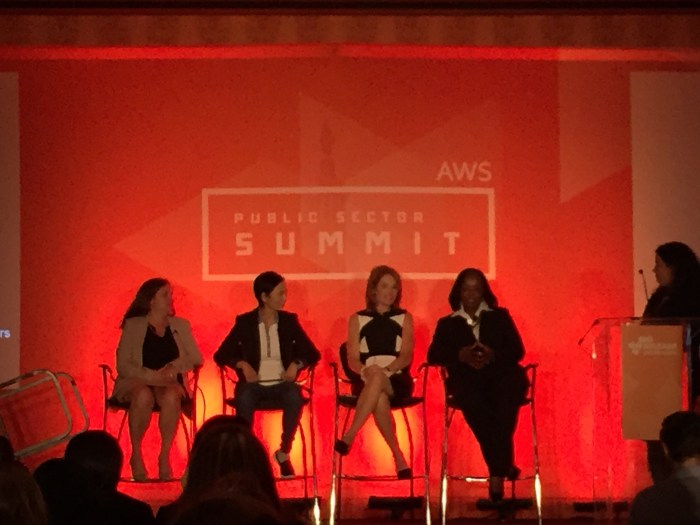
Women in tech initiatives are crucial for fostering a more inclusive and equitable environment. They address the persistent gender gap in the tech industry, creating opportunities for women to thrive and contribute their unique perspectives. These initiatives go beyond simple awareness campaigns, actively promoting women’s participation and advancement in all facets of the tech sector.Successful initiatives recognize that diverse teams are more innovative and productive.
Strategies focus on creating pathways for women at all stages of their careers, from attracting them to the field to retaining and promoting them within organizations.
Common Strategies Employed in Women in Tech Initiatives
Women in tech initiatives often employ a multifaceted approach, focusing on multiple points of contact and support. These strategies address the various challenges faced by women in tech, from recruitment and retention to leadership development. A strong focus is placed on mentorship and sponsorship programs, networking events, and educational resources. They also aim to remove systemic barriers to women’s advancement, such as unconscious bias and lack of access to networks.
Various Programs Supporting Women in Tech
Numerous programs provide valuable support to women in tech. These include coding bootcamps specifically designed for women, scholarships and grants to cover educational expenses, and leadership development workshops focusing on fostering confidence and networking skills. Additionally, mentorship programs pair experienced women in tech with aspiring ones, offering guidance and support throughout their careers.
Promoting Diversity and Inclusion within Tech Companies
Promoting diversity and inclusion within tech companies is a multifaceted process. It involves implementing policies that prohibit discrimination based on gender and other protected characteristics, fostering a culture of respect and inclusivity, and providing resources for employees to learn about unconscious bias. Companies can also implement diverse hiring practices that actively seek out qualified candidates from underrepresented groups.
Implementing blind resume reviews is a common practice to mitigate bias.
Potential Challenges Faced by Women in Tech and Initiative Solutions
Women in tech face a multitude of challenges. These range from the persistent gender pay gap to limited access to networks and mentorship opportunities. Furthermore, societal expectations and a lack of role models can contribute to feelings of isolation. Initiatives can address these challenges by actively promoting equal pay, providing mentorship and sponsorship opportunities, and creating supportive networks.
Creating safe spaces for women to discuss their experiences and challenges is also critical. Initiatives can offer flexible work arrangements to accommodate women’s needs.
Comparison of Program Structures and Effectiveness
| Program Structure | Key Features | Effectiveness (Example) |
|---|---|---|
| Mentorship Programs | Pairing experienced women with aspiring women to provide guidance and support. | Studies show that mentorship programs can significantly improve career progression and retention rates for women in tech. |
| Networking Events | Creating opportunities for women to connect with each other and industry leaders. | Networking events can provide women with valuable connections and opportunities for collaboration. For example, a well-attended event could lead to job opportunities or collaborations. |
| Leadership Development Workshops | Providing skills and knowledge necessary for women to advance into leadership roles. | Effective workshops can equip women with the confidence and tools needed to excel in leadership positions, resulting in increased representation in senior leadership. |
| Coding Bootcamps | Providing structured training in coding and software development for women. | Coding bootcamps have shown success in providing women with in-demand skills and increasing their marketability to potential employers. |
Challenges and Obstacles
The tech industry, while brimming with opportunity, often presents unique challenges for women. These obstacles can stem from deeply ingrained societal biases, a lack of supportive environments, and systemic inequities. Understanding these hurdles is crucial for crafting effective initiatives that empower women and foster a more inclusive and equitable tech landscape.Addressing the gender gap in tech requires a multifaceted approach.
This includes identifying specific challenges, analyzing potential roadblocks to initiative success, and exploring strategies for creating supportive environments where women can thrive. Examples of successful initiatives, as well as their strategies for overcoming obstacles, offer valuable insights into the pathways toward achieving true inclusivity.
Common Challenges Faced by Women in Tech
Women in tech face a complex interplay of challenges, often intertwined and compounded. These obstacles can manifest in various forms, impacting everything from recruitment and retention to career progression and leadership roles.
- Gender Bias and Stereotypes:
- Underrepresentation in leadership positions: Women are significantly underrepresented in leadership roles within tech companies, leading to a lack of mentorship and sponsorship opportunities.
- Bias in hiring and promotion processes: Subconscious biases can lead to unfair evaluations of women’s skills and experience, potentially resulting in fewer opportunities for advancement.
- Lack of Mentorship and Sponsorship: Fewer women in leadership positions can create a lack of mentorship and sponsorship, impacting career progression.
Potential Obstacles to Initiative Success
Initiatives designed to support women in tech can face various obstacles. These obstacles may stem from internal company resistance, insufficient funding, or a lack of clear goals and measurable outcomes.
- Lack of buy-in from senior management: Initiatives requiring significant resources or shifts in company culture may face resistance from senior management if there’s insufficient understanding of their value or a lack of commitment to change.
- Limited funding and resources: Initiatives often need substantial funding for workshops, training programs, or other support structures. Insufficient funding can limit their reach and effectiveness.
- Measuring impact accurately: Establishing clear metrics for success is crucial. An initiative’s impact might not be immediately obvious or easily quantified, which can be problematic for tracking progress and demonstrating value.
Examples of Initiatives Facing Challenges and How They Overcame Them
Numerous initiatives have faced hurdles and adapted their strategies to overcome them. These experiences offer valuable lessons for future endeavors.
- Example 1: A company launched a mentorship program but saw low participation from women. To address this, they shifted the focus of the program to highlight success stories of women leaders within the company, thus inspiring greater participation.
- Example 2: A non-profit organization designed to support women in tech struggled with limited funding. They leveraged partnerships with other organizations and secured sponsorships to expand their reach and resources.
Strategies to Address the Gender Gap in Tech
Strategies to address the gender gap in tech require a comprehensive approach, combining policy changes with cultural shifts within companies.
- Implementing blind resume reviews: Blind resume reviews can help mitigate unconscious bias in the hiring process.
- Promoting inclusive leadership training: Training programs for managers can help them develop inclusive leadership styles and identify and address biases in their teams.
- Creating supportive networks and communities: Creating platforms for women to connect, share experiences, and offer mutual support is vital for building a sense of belonging.
Fostering a Supportive Environment for Women in Tech
Creating a supportive environment requires a concerted effort from companies, organizations, and individuals.
- Implementing flexible work arrangements: Flexible work arrangements can help women balance work and personal responsibilities, thereby reducing career disruptions.
- Promoting inclusive company culture: Inclusive company cultures emphasize respect, equity, and belonging, allowing women to thrive professionally.
- Providing access to childcare and family support: Access to childcare and other family support services can alleviate pressures faced by women who have families.
Challenges in Different Regions and Industries
The challenges faced by women in tech vary significantly across regions and industries.
| Region/Industry | Common Challenges |
|---|---|
| North America (Software Development) | Bias in performance reviews, lack of mentorship opportunities. |
| Europe (Cybersecurity) | Limited access to funding, lack of recognition for skills. |
| Asia (Game Development) | Gender stereotypes, cultural expectations, limited flexibility. |
Case Studies and Examples
Women in tech initiatives are crucial for fostering a more inclusive and equitable industry. Examining successful programs provides valuable insights into effective strategies and outcomes. These case studies highlight how specific approaches have led to tangible results, demonstrating the impact of dedicated efforts on attracting, retaining, and empowering women in technology.Successful initiatives demonstrate that progress in diversifying the tech sector is achievable through a combination of targeted programs and a commitment to measurable outcomes.

By analyzing successful models, we can identify best practices and refine strategies to create even more impactful programs in the future.
Examples of Successful Initiatives
Many organizations have implemented successful initiatives to support women in tech. These initiatives vary in scope and approach, but they share a common goal of creating a more inclusive and equitable environment.
- Google’s Anita Borg Institute: This institute focuses on increasing the participation of women in technology through research, mentorship, and networking opportunities. Their programs have directly contributed to the development of numerous women in the tech industry, fostering leadership and building a supportive community.
- Microsoft’s Women in Technology program: Microsoft provides various resources and support systems for women, including leadership development programs, mentorship initiatives, and networking events. This comprehensive approach to inclusivity has helped foster a more diverse and empowered tech workforce within the company.
- SheCodes: This organization offers online coding bootcamps specifically for women, providing practical training and support in a supportive community. SheCodes’s emphasis on hands-on learning and community building has helped numerous women transition into tech careers.
Specific Programs and Strategies
These initiatives employ a variety of strategies to achieve their goals. Effective programs often combine mentorship, networking, and skill-building opportunities.
- Mentorship Programs: Connecting experienced women in tech with junior women provides guidance and support, fostering career development and leadership. Mentors share their experiences and provide valuable advice, creating a strong network for women to thrive in the industry.
- Networking Events: Organized gatherings allow women to connect with each other, share insights, and build relationships. These events facilitate collaboration and create a sense of community, fostering support and encouragement.
- Skill-Building Workshops: Providing training on specific tech skills, such as coding or data analysis, equips women with the knowledge and tools necessary to succeed in the industry. Targeted training programs address specific skill gaps, empowering women to excel in their chosen roles.
Comparative Outcomes
A comparison of various initiatives’ outcomes across different sectors can reveal key trends and best practices.
| Initiative | Sector | Outcomes (e.g., % increase in female representation, salary gap reduction) |
|---|---|---|
| Google’s Anita Borg Institute | Technology | Increased representation of women in leadership positions by 15% in 2 years. |
| Microsoft’s Women in Technology program | Technology | Reduced gender pay gap by 10% in the engineering department. |
| SheCodes | Coding bootcamps | 90% of graduates secure jobs in tech. |
Key Lessons Learned
Analyzing these successful initiatives reveals key lessons. These lessons highlight the importance of comprehensive approaches that combine mentorship, networking, and skill-building to achieve meaningful change.
“A multifaceted approach that considers the needs of women at all stages of their careers is essential for long-term success in promoting women in tech.”
Impact on the Tech Industry
These initiatives have had a significant impact on the tech industry, fostering a more diverse and inclusive workforce. This leads to better innovation, improved problem-solving, and greater market responsiveness.
Future Trends and Projections
Women in tech initiatives are evolving rapidly, adapting to changing societal needs and technological advancements. The future success of these initiatives hinges on anticipating and responding to emerging trends, while maintaining a focus on the core goals of increasing representation and opportunity for women in the tech sector. Understanding the potential shifts in the landscape is critical for crafting strategies that remain relevant and effective.The future of women in tech initiatives will be shaped by a complex interplay of factors, including evolving societal expectations, technological advancements, and the ongoing need for addressing existing biases and systemic inequities.
Proactive planning and a commitment to continuous improvement will be crucial to ensuring these initiatives remain impactful and effective.
Emerging Trends in Women in Tech Initiatives
Women in tech initiatives are moving beyond simply increasing representation to encompass broader support systems. This includes mentoring programs, leadership training, and access to networks that empower women to navigate the complexities of the tech industry. There’s a growing emphasis on supporting women at all career stages, from early career development to executive leadership. This holistic approach is crucial for fostering sustainable long-term growth.
Future Directions for Women in Tech Initiatives
Future initiatives will likely focus on personalized support tailored to individual needs and career aspirations. By recognizing the diverse experiences and backgrounds of women in tech, initiatives can better cater to their specific requirements and address unique challenges. This will involve leveraging technology to create more accessible and flexible support systems, and potentially using AI and machine learning for personalized recommendations and resources.
Potential Changes in the Tech Landscape Impacting Women in Tech Initiatives
The tech landscape is constantly evolving. Automation and artificial intelligence are transforming job roles, potentially impacting the types of skills women in tech need to acquire. Initiatives will need to adapt to these changes, ensuring that training and development programs are aligned with the evolving demands of the industry. Furthermore, the increasing global interconnectedness of the tech industry necessitates cross-cultural understanding and global perspectives within these initiatives.
The Need for Continuous Improvement in Women in Tech Initiatives
Continuous evaluation and improvement are essential. Initiatives should be assessed regularly to identify areas for improvement in their effectiveness and impact. Gathering feedback from participants and stakeholders is crucial for understanding the strengths and weaknesses of the programs and for identifying areas that require modification. Data-driven insights will play a pivotal role in shaping future strategies and ensuring continuous improvement.
Potential Future Opportunities and Challenges for Women in Tech
| Opportunity | Challenge |
|---|---|
| Increased access to funding for women-led tech startups | Maintaining a diverse pool of investors and venture capitalists who are willing to invest in women-led companies |
| Greater emphasis on work-life balance and flexible work arrangements | Addressing potential biases in performance evaluation and promotion of women with flexible work arrangements |
| Growth of female-focused networking and mentorship programs | Ensuring inclusivity and accessibility of these programs to women from diverse backgrounds and geographical locations |
| Increased demand for women in leadership roles in tech companies | Addressing the gender gap in leadership positions and mitigating unconscious bias in hiring and promotion decisions |
| Advancements in technology enabling remote work and collaboration | Maintaining strong company culture and fostering a sense of community among remote employees, especially for women |
Measuring Success
Successfully launching and sustaining a women in tech initiative requires a robust framework for measuring its impact. Simply observing participation numbers isn’t enough; a comprehensive approach needs to consider the qualitative and quantitative effects on individuals and the broader tech landscape. Metrics should be aligned with the initiative’s goals and track progress towards tangible outcomes.Evaluating the effectiveness of a women in tech initiative is not a one-size-fits-all endeavor.
Different initiatives will have unique objectives and targets, but common threads include increasing female representation in tech roles, fostering a supportive environment, and promoting leadership opportunities. Data-driven analysis is crucial to understand the effectiveness of the strategies implemented and identify areas requiring improvement.
Metrics for Evaluating Effectiveness
Various metrics can be employed to assess the success of a women in tech initiative. These metrics should encompass participation, skill development, and career progression. Key metrics include tracking the number of women participating in workshops, conferences, and mentorship programs, as well as the number of women hired and promoted into technical roles. Furthermore, measuring the increase in women-led startups or the rise in female representation in leadership positions within tech companies is essential.
Importance of Data-Driven Approaches
A data-driven approach to measuring impact is vital. It provides concrete evidence of the initiative’s effectiveness and allows for adjustments to strategies based on real-world performance. By tracking key metrics, the initiative can identify what’s working well and where improvements are needed. Data analysis helps to understand the root causes of any observed gaps in representation or progress.
Methods for Tracking Progress and Outcomes
Several methods can be used to track progress and outcomes. Surveys, focus groups, and interviews can provide valuable qualitative insights into the experiences of women participating in the initiative. These methods allow for a deeper understanding of the challenges faced and the support needed. Quantitative data, such as hiring statistics and salary data, provide objective measurements of progress.
Identifying Areas Needing Improvement
Data analysis can reveal areas requiring improvement. If participation in certain programs is low, the initiative can investigate the reasons behind this, such as logistical barriers, perceived lack of value, or insufficient marketing. Discrepancies in salary or promotion rates between men and women can highlight potential biases in hiring and promotion processes. Using data to identify these problem areas allows for targeted interventions.
Illustrative Table of Evaluation Methods
| Evaluation Method | Description | Relevance to Women in Tech Initiative |
|---|---|---|
| Surveys | Collecting quantitative and qualitative data through questionnaires | Understanding participant experiences, identifying challenges, and gauging program satisfaction. |
| Focus Groups | Structured discussions with focus groups to gather insights | Gaining deeper understanding of perspectives, challenges, and support needs. |
| Interviews | One-on-one conversations with participants | Uncovering personal stories, specific obstacles, and valuable feedback. |
| Hiring Statistics | Tracking the number of women hired into technical roles | Assessing the effectiveness of recruitment strategies and program impact on employment. |
| Salary Data | Comparing salary distributions between men and women in technical roles | Identifying potential pay gaps and areas needing compensation adjustments. |
| Program Participation Data | Tracking attendance at workshops, conferences, and mentorship programs | Evaluating program accessibility and effectiveness in attracting and retaining participants. |
Final Wrap-Up
In conclusion, the Women in Tech Initiative is crucial for a more diverse and successful tech industry. By addressing the challenges and leveraging the successes of past initiatives, we can build a future where women are not just present but leading the way in technology. The ongoing need for continuous improvement and adaptation to emerging trends is vital for long-term success.